Elephantine
Island town and garrison at the First Cataract of the Nile, Egypt, 6th-5th centuries BCE
In the game: Level 2: The Spear-bearer, Level 3: The Lie
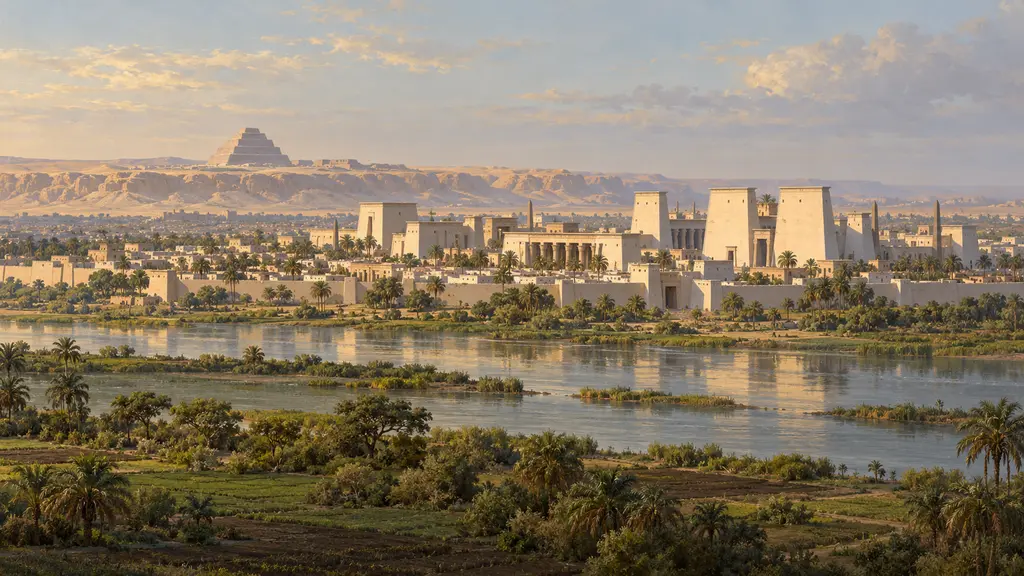
Elephantine is an island in the Nile at the First Cataract, opposite modern Aswan, where Egypt met Nubia. It was a frontier town, a temple centre and a trading post for goods from the south. Under Persian rule it held a garrison of Judean and Aramaean soldiers whose Aramaic papers give one of the closest views of daily life anywhere in the empire.
In the game: The game names Elephantine as a trade partner, the quarrymen of Elephantine. In history the granite quarries lay mostly on the east bank near Syene, and under the Persians the island was better known as a garrison post.
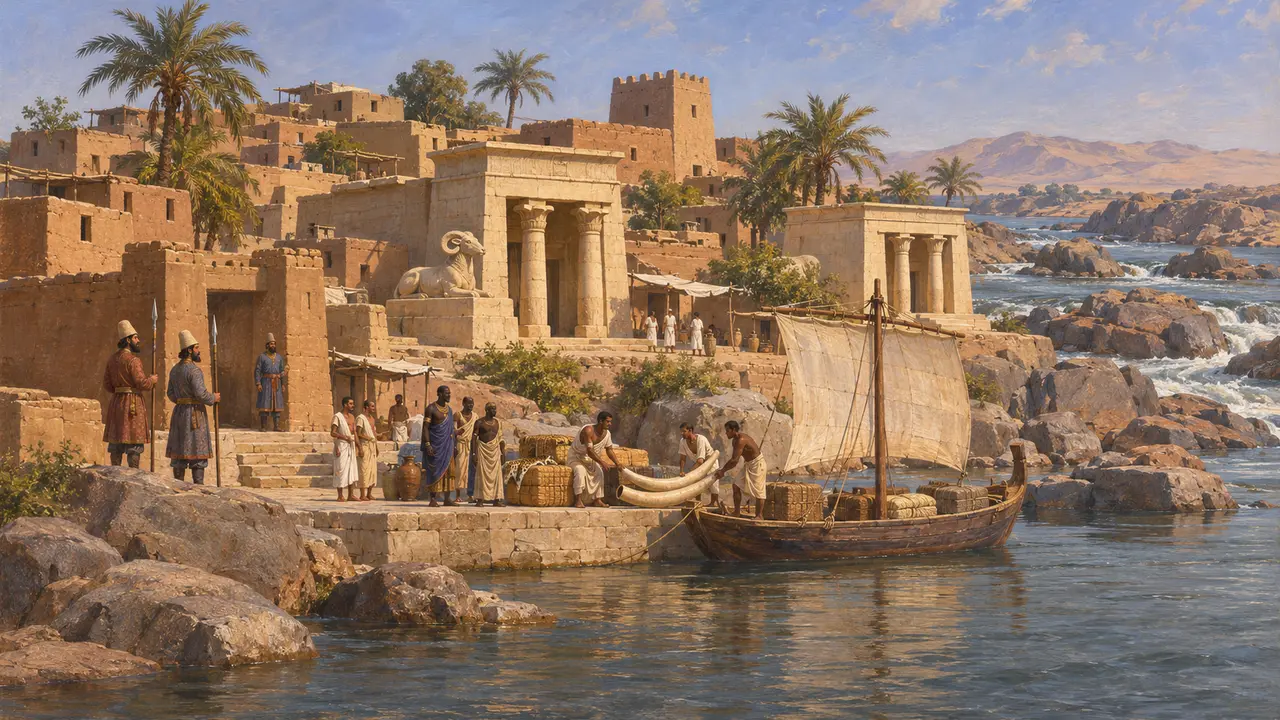
A frontier island at the cataract
In the recordExcavations show that the island, called Abu by the Egyptians and Yeb in Aramaic, was settled for well over two thousand years before the Persians came. It held temples of Khnum, the ram god of the cataract, and of the goddess Satet. Its position made it the southern gate of Egypt, where river traffic, ivory and other goods from Nubia passed north.
German Archaeological Institute, Elephantine excavation reports
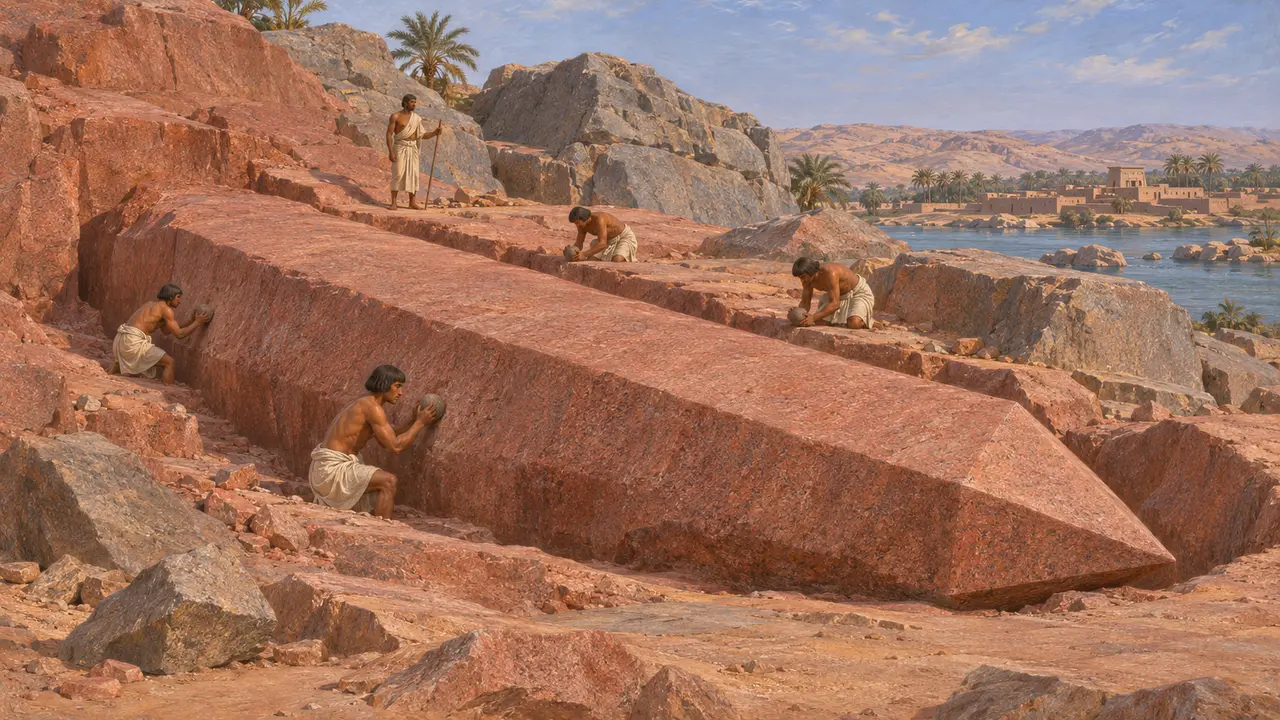
Granite from across the river
In the recordThe red and grey granite of the cataract region was quarried mainly on the east bank around Syene, modern Aswan, not on Elephantine itself. Egyptian rulers drew stone from these quarries for obelisks, statues and shrines from early times, and an unfinished obelisk still lies in one of the pits. Elephantine was the chief town of the southernmost province of Egypt, so the quarries lay within its district.
R. Klemm and D. Klemm, Stones and Quarries in Ancient Egypt, 2008
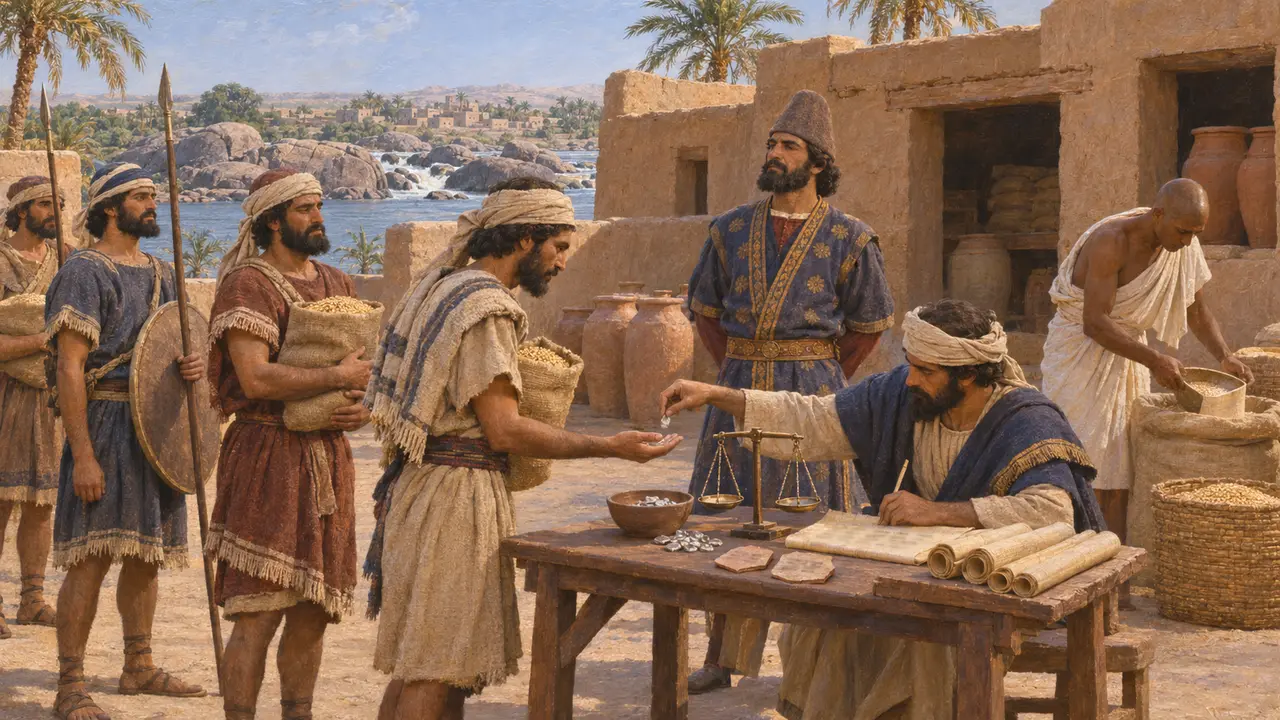
The garrison and its papers
In the recordAramaic papyri and ostraca found on the island record a garrison of Judeans and Aramaeans, with a related garrison at nearby Syene. The soldiers were organised in units under commanders with Persian, Babylonian and other names, and were paid in rations and silver from the King's stores. The documents include contracts, letters, accounts and papers about a temple of the god YHW. Most date from after 479, so they show the garrison under Darius's successors.
B. Porten and A. Yardeni, Textbook of Aramaic Documents from Ancient Egypt, 1986-1999
What Herodotus heard
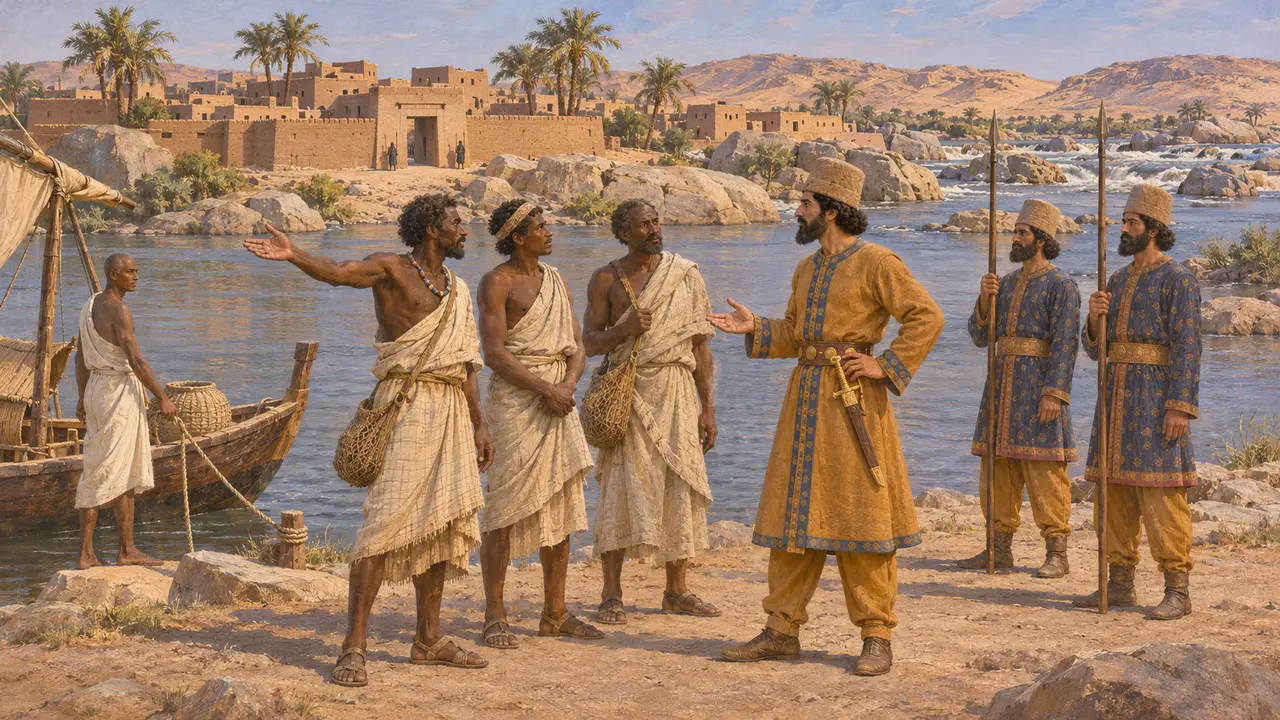
Ancient accountHerodotus says he travelled up the Nile as far as Elephantine himself. He reports that Egyptian kings had kept a garrison there against the Ethiopians and that the Persians still did so in his own day. He also tells that Cambyses fetched from Elephantine some of the Fish-eaters who knew the Ethiopian language and sent them south as spies before his campaign against Ethiopia.
Herodotus 2.29-30; Herodotus 3.19
Cambyses and the temples
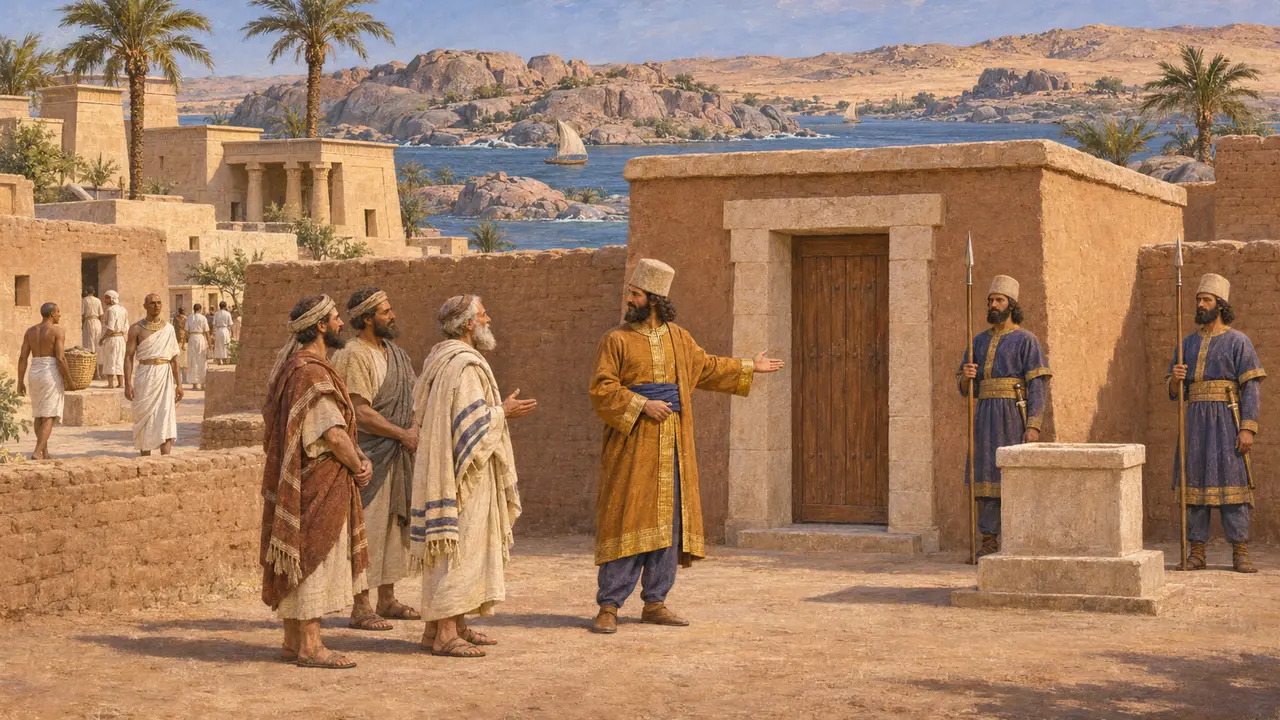
DisputedA petition written by the Judeans of Elephantine in 407 states that their temple stood before Cambyses entered Egypt and that he spared it while destroying the temples of the Egyptian gods. The petitioners had reason to stress Persian favour, and Egyptian evidence from Cambyses' reign, such as the Apis burial and the statue of Udjahorresnet, points to a king who worked with Egyptian cults. Historians also still argue over when and why the Judean soldiers first came.
TAD A4.7; P. Briant, From Cyrus to Alexander, 2002
Sources
- B. Porten and A. Yardeni, Textbook of Aramaic Documents from Ancient Egypt, 1986-1999
- B. Porten, Archives from Elephantine, 1968
- Herodotus 2.29-30; 3.19
- P. Briant, From Cyrus to Alexander, 2002
- R. Klemm and D. Klemm, Stones and Quarries in Ancient Egypt, 2008