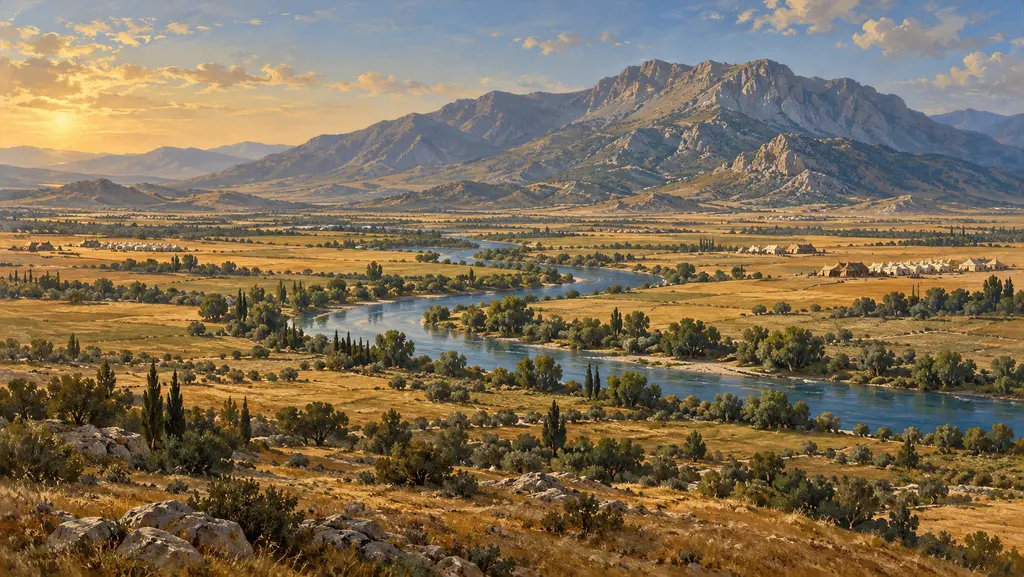
Thebes (Boeotia)
Leading city of Boeotia and Persia's chief Greek ally in 480-479 BCE
In the game: Level 11: The Finale
Thebes was the strongest city of Boeotia, the region north-west of Athens. When Xerxes invaded Greece in 480 it sided with the King, and in 479 its territory became the base of Mardonius's army. The Persian defeat at Plataea, on the Theban border, ended that alliance and left Thebes with a lasting name among other Greeks for medism, the taking of the Persian side.
In the game: The game shows Thebes as an ally of Mardonius, which is historical for 480-479. Its role as a trade partner is a game simplification: no ancient source describes Thebes as a commercial partner of Persia.
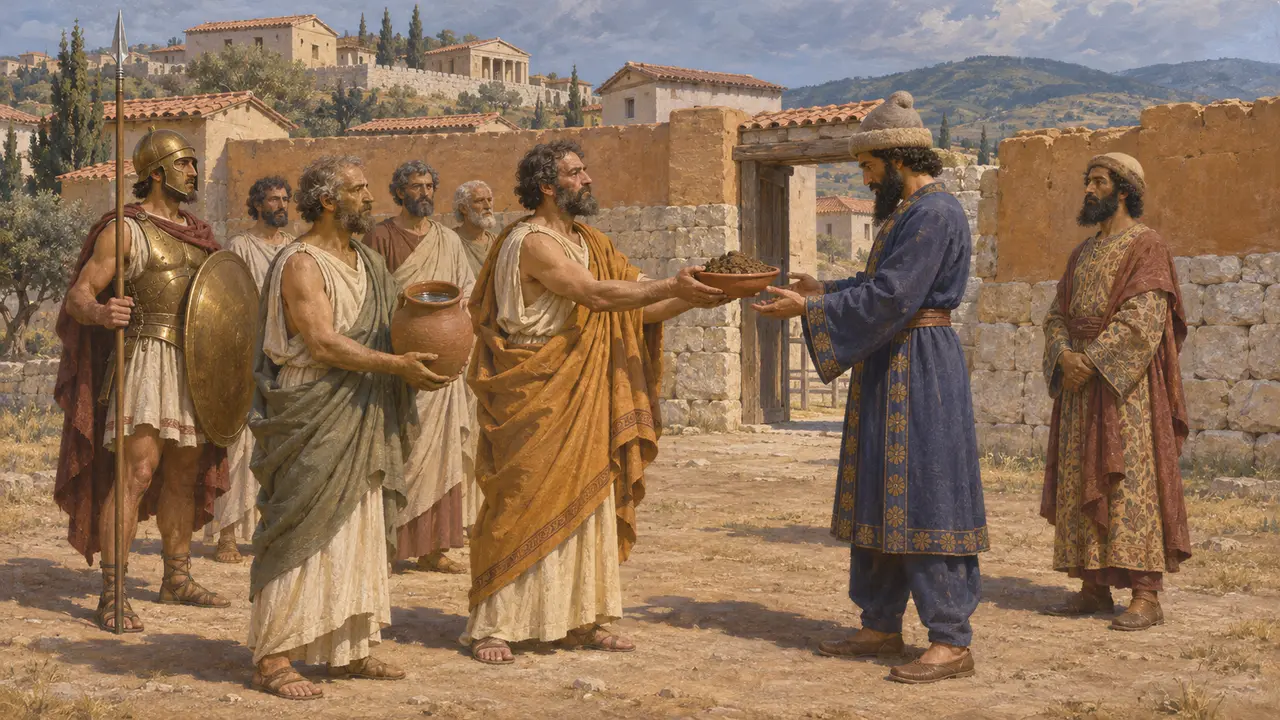
Siding with the King in 480
Ancient accountHerodotus lists the Thebans among the Greeks who gave earth and water to Xerxes' heralds, a sign of submission. Of the Boeotians, he says, only Thespiae and Plataea refused. After Thermopylae, Macedonians sent by Alexander guarded the Boeotian towns that had submitted, showing they were on the King's side. Thespiae and Plataea were burnt.
Herodotus 7.132; 8.34; 8.50
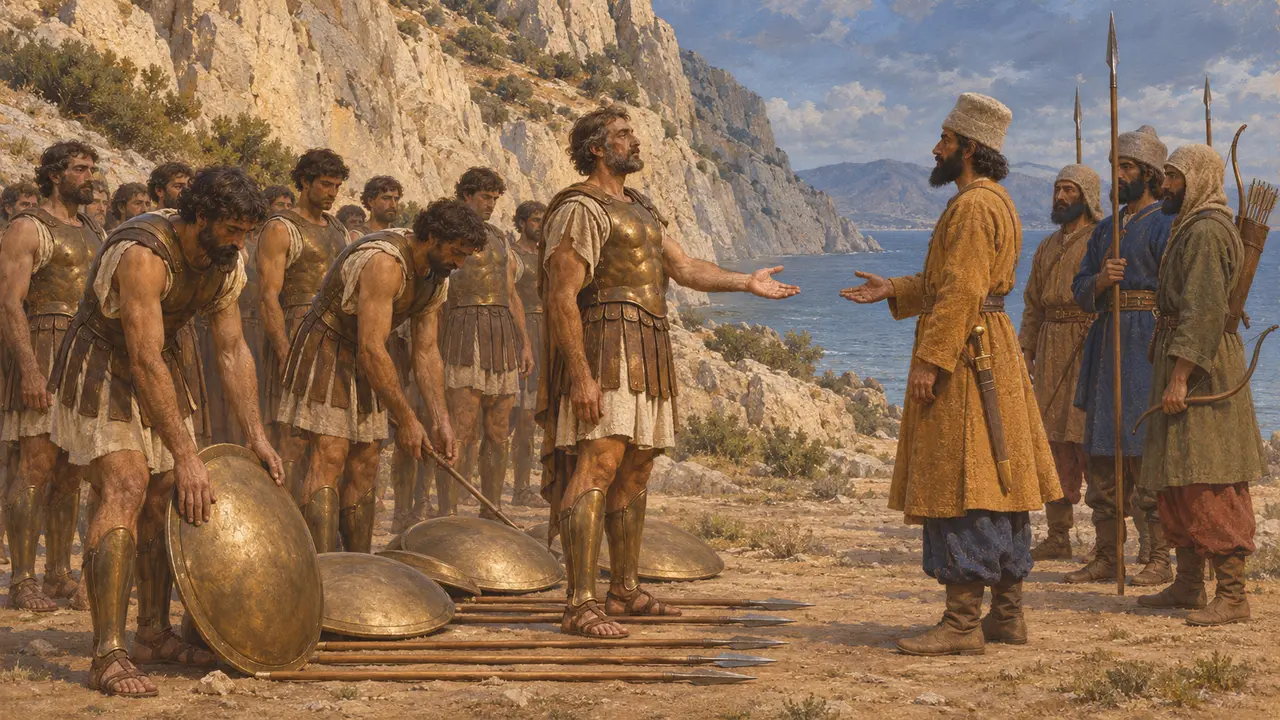
The Thebans at Thermopylae
DisputedHerodotus says Leonidas took 400 Thebans under Leontiades to test a city suspected of favouring Persia, and kept them as hostages. On the last day, he says, they surrendered and were branded with the royal mark. Diodorus says these Thebans came from the anti-Persian party. Plutarch, a Boeotian, called Herodotus's story slander, and historians still debate how far it reflects later hostility to Thebes.
Herodotus 7.205; 7.222; 7.233; Diodorus 11.4; Plutarch, On the Malice of Herodotus
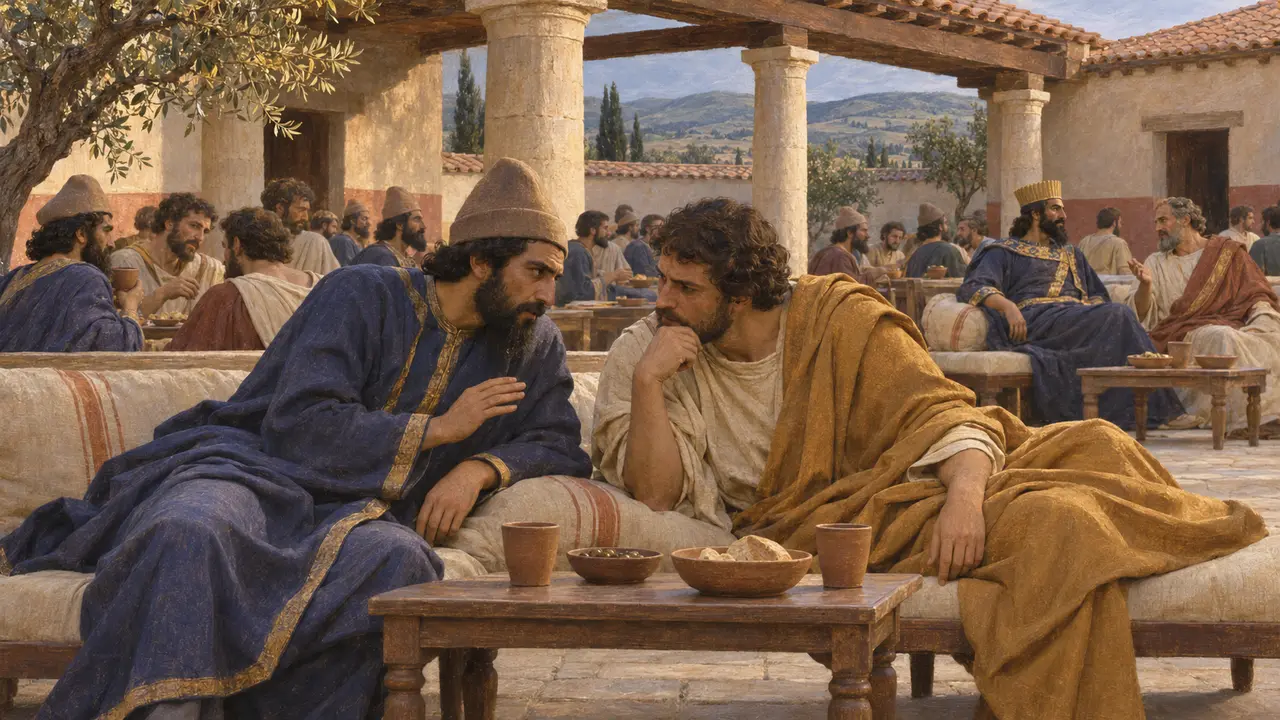
Mardonius's base in 479
Ancient accountHerodotus says the Thebans urged Mardonius to camp in Boeotia and to win over the Greek cities with bribes rather than battle. Mardonius made his camp along the Asopus in Theban territory and built a fortified enclosure there. Herodotus also tells of a banquet given at Thebes by the Theban Attaginus for Mardonius and fifty Persians. There a Persian guest privately foretold that most of the army would soon die.
Herodotus 9.2; 9.15-16; 9.41
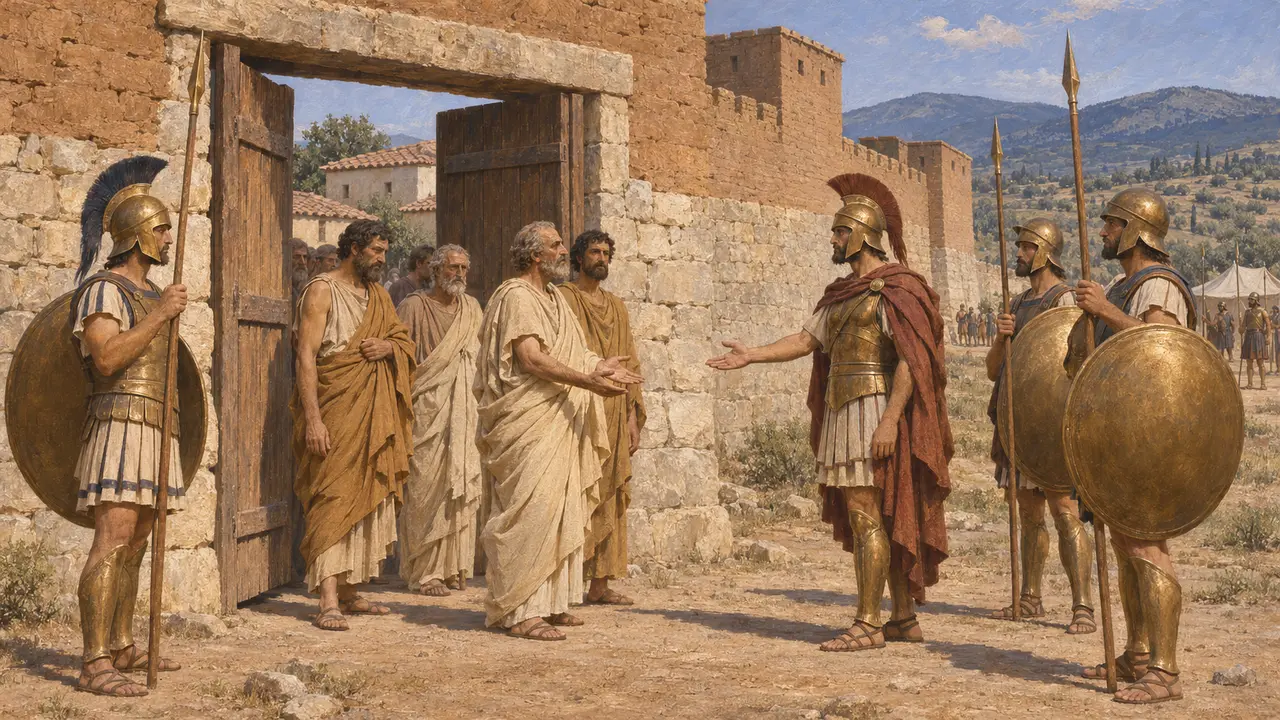
Plataea and the siege of Thebes
Ancient accountAt Plataea the Boeotians fought hard against the Athenians, and Herodotus says three hundred of the leading Thebans fell. Afterwards Pausanias besieged Thebes and demanded the pro-Persian leaders, chief among them Timagenidas and Attaginus. On the twentieth day the city gave them up. Attaginus escaped and Pausanias spared his sons, but the others were taken to Corinth and executed.
Herodotus 9.67; 9.86-88
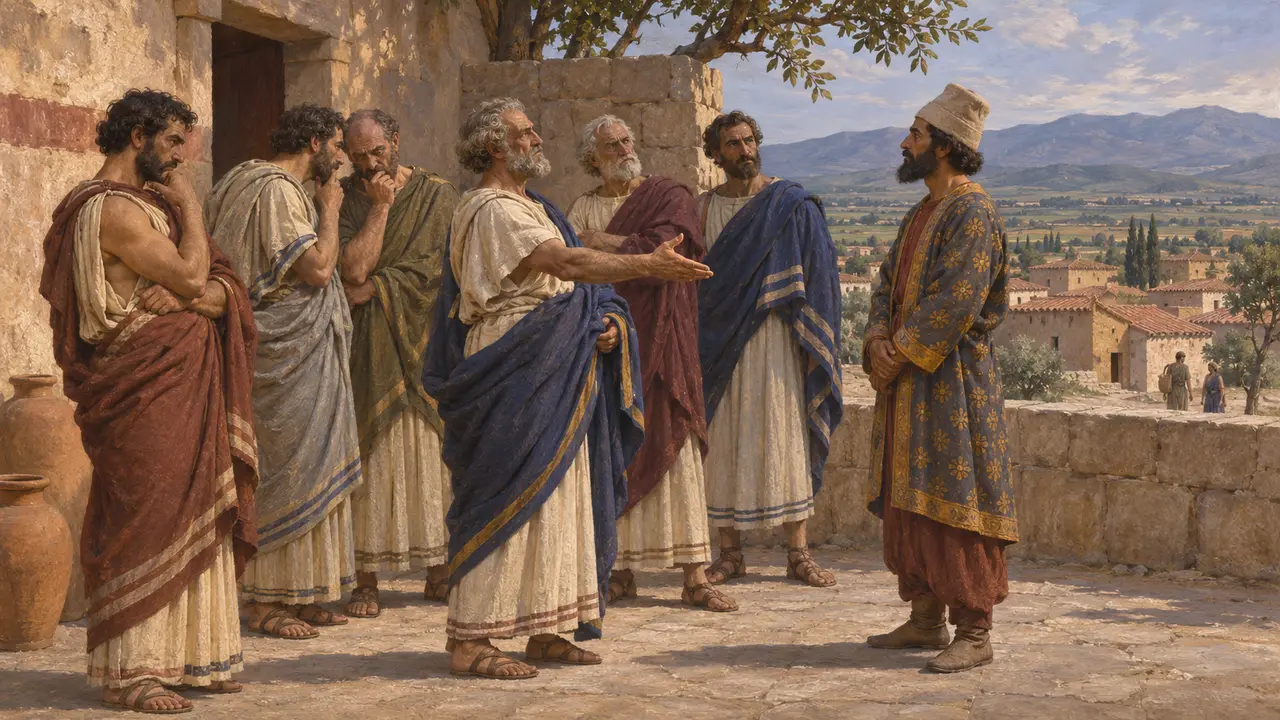
Why Thebes chose Persia
DisputedIn 427 Theban speakers told the Spartans that in 480 their city had been ruled by a narrow clique of powerful men, not by the citizens as a whole, so the city should not bear the blame. Many historians also point to Thebes' old rivalry with Athens, which had taken Plataea under its protection. How far the choice was a faction's and how far the whole city's is still argued.
Thucydides 3.62; Herodotus 6.108
Sources
- Herodotus, Histories, books 7-9
- Thucydides 3.62
- Plutarch, On the Malice of Herodotus
- Diodorus 11.4
- P. Briant, From Cyrus to Alexander, 2002