Level 11: The Finale · Plataea · 480–479 BCE
The Finale
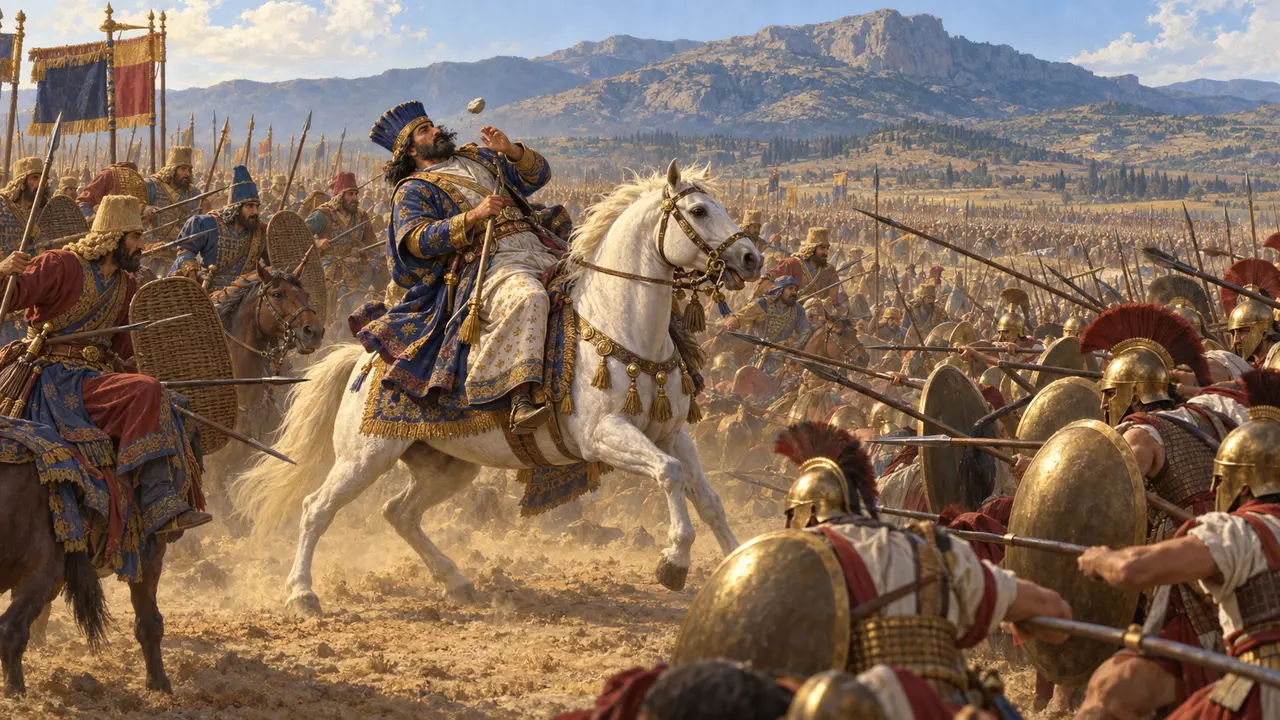
Mardonius falls at Plataea, summer 479 BCE.
Encyclopedia › The History
At Salamis in September 480 the Greek fleet beat the King's in the narrows. Xerxes went home and left Mardonius with a picked army. In the summer of 479 Mardonius fought the united Greeks under Pausanias of Sparta below Mount Cithaeron, and died there.
- 480 BCE Salamis
- 480 BCE Xerxes goes home
- 479 BCE Athens again
- 479 BCE Masistius killed
- 479 BCE Plataea and Mycale
Salamis
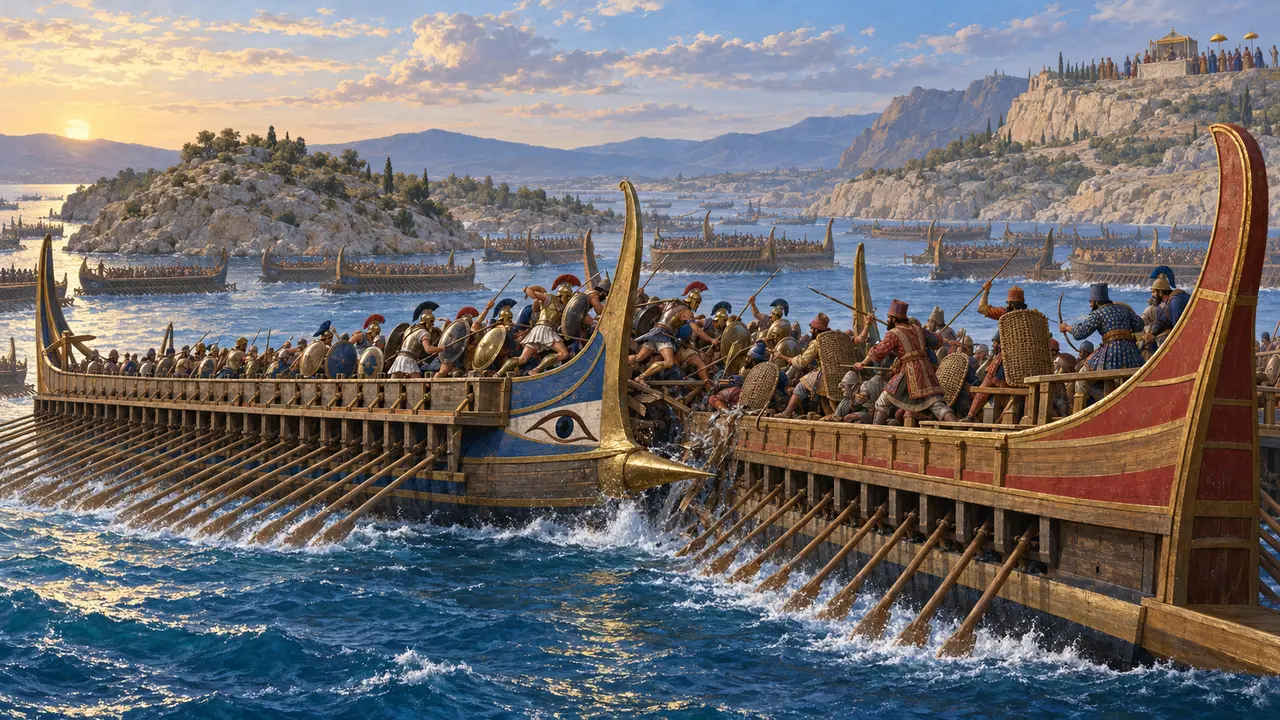
Ancient accountThemistocles drew the King's fleet into the narrow strait, where its numbers counted for little. Xerxes watched from a throne on the shore. Aeschylus, said to have fought there, staged 'The Persians' eight years later, the only Greek tragedy on an event of its own time to survive.
Herodotus 8.40-96; Aeschylus, The Persians
Mardonius's offer
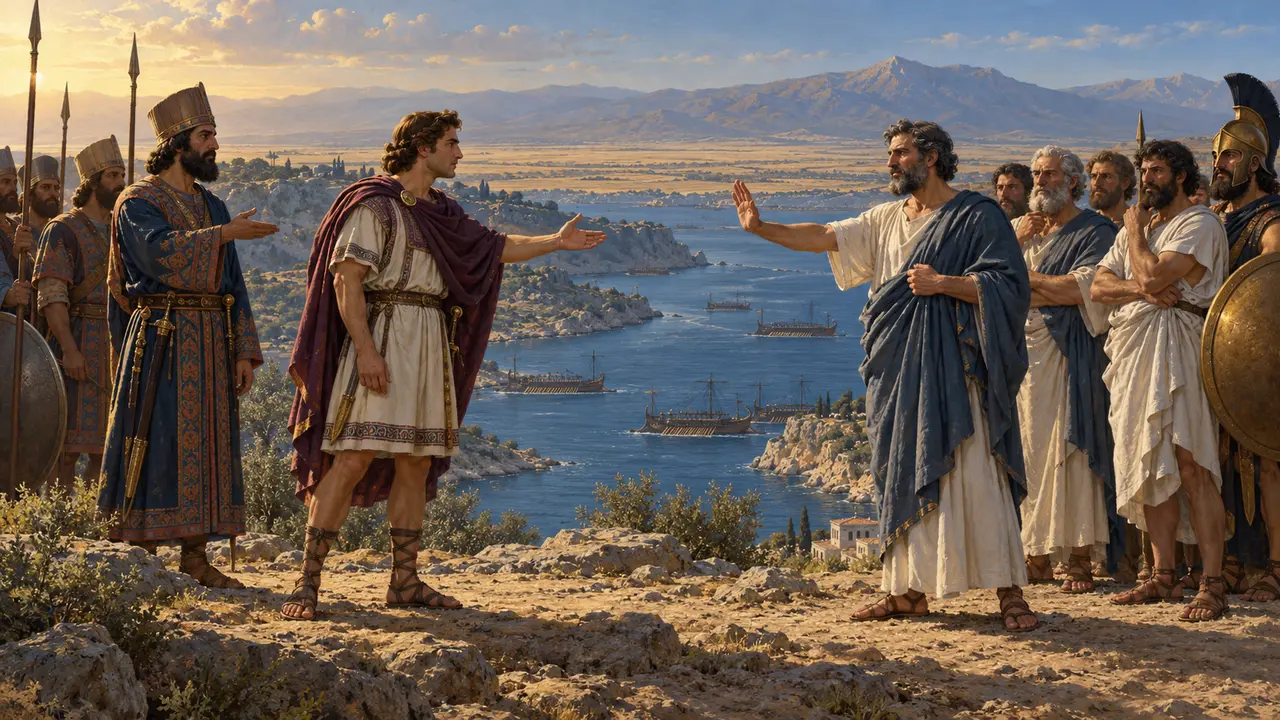
Ancient accountAlexander of Macedon brought Athens the King's offer: freedom, its land back and more, and its temples rebuilt. The Athenians said they would never make peace while the sun kept its course.
Herodotus 8.136-144
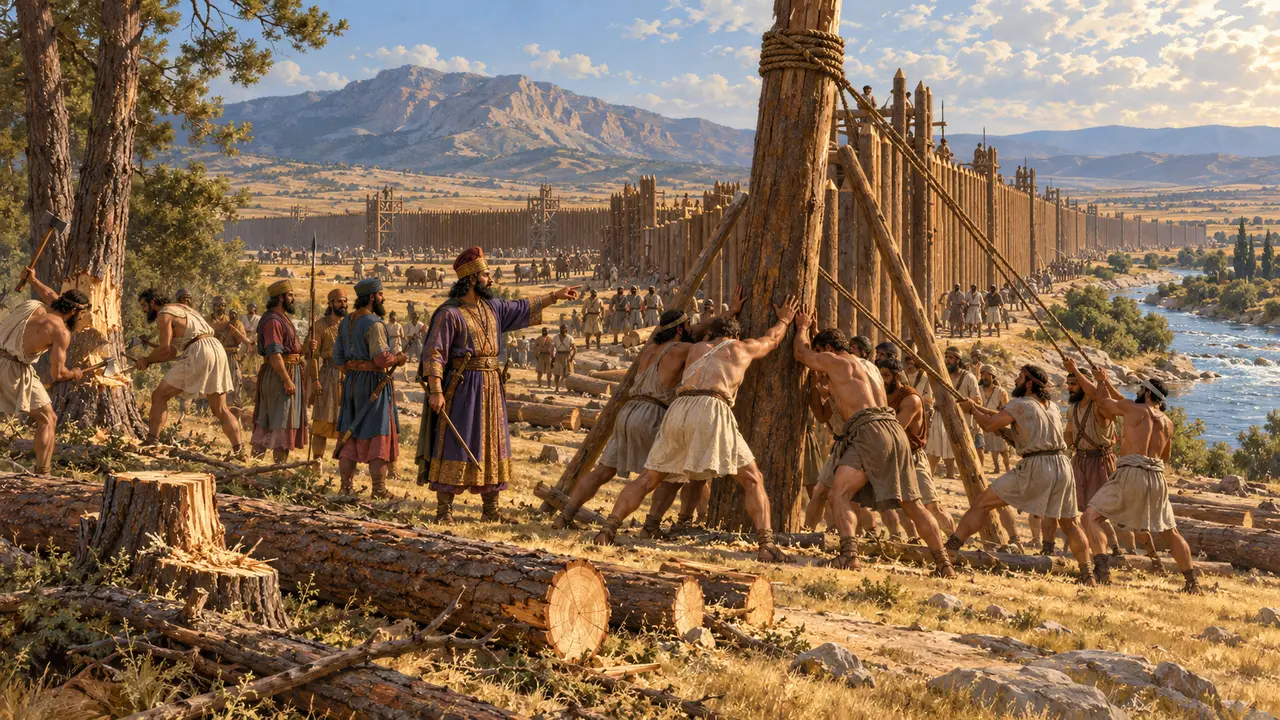
The fort on the Asopus
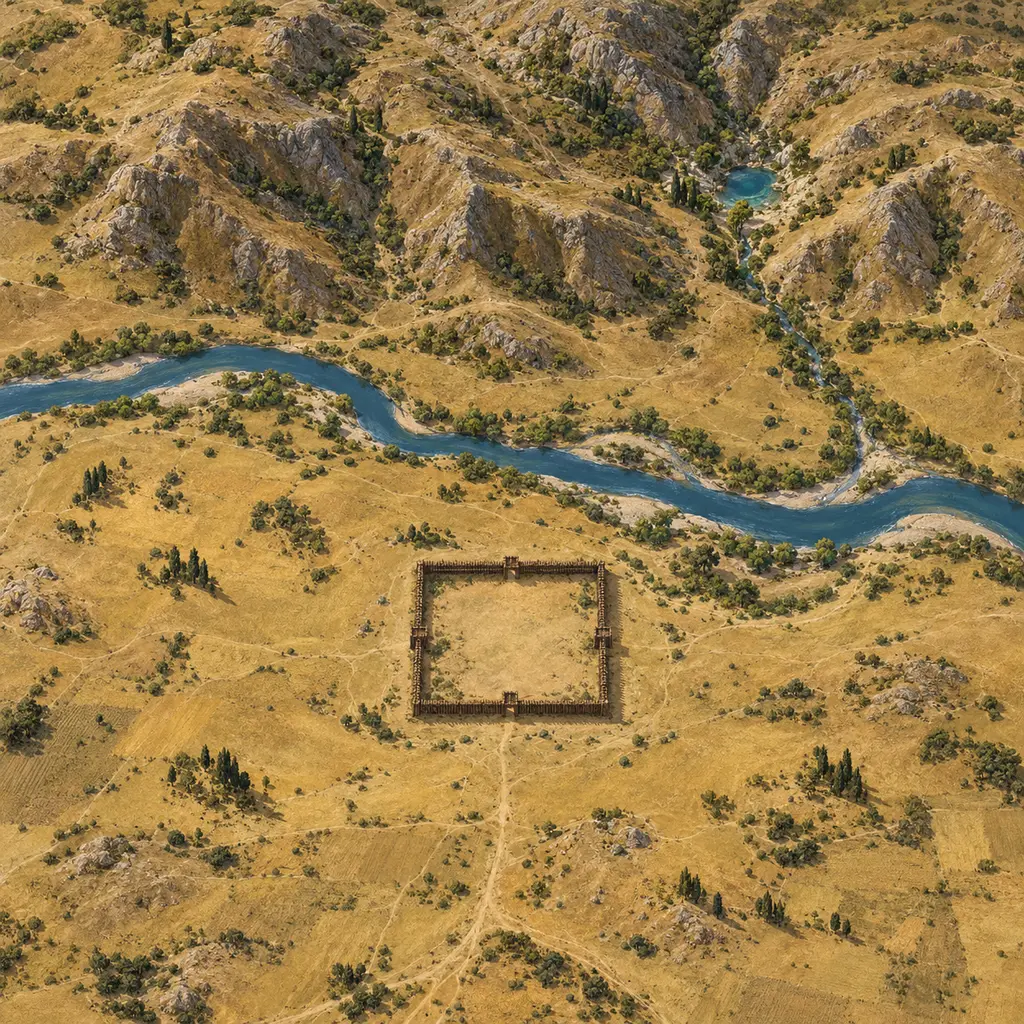
Ancient accountMardonius built a square wooden fort about ten stades a side on the Asopus, in the land of Thebes, which sided with Persia. A Theban noble feasted the Persian officers in Thebes before the battle.
In the game: The fort is the level's great work, and Theban caravans bring its timber.
Herodotus 9.15-16
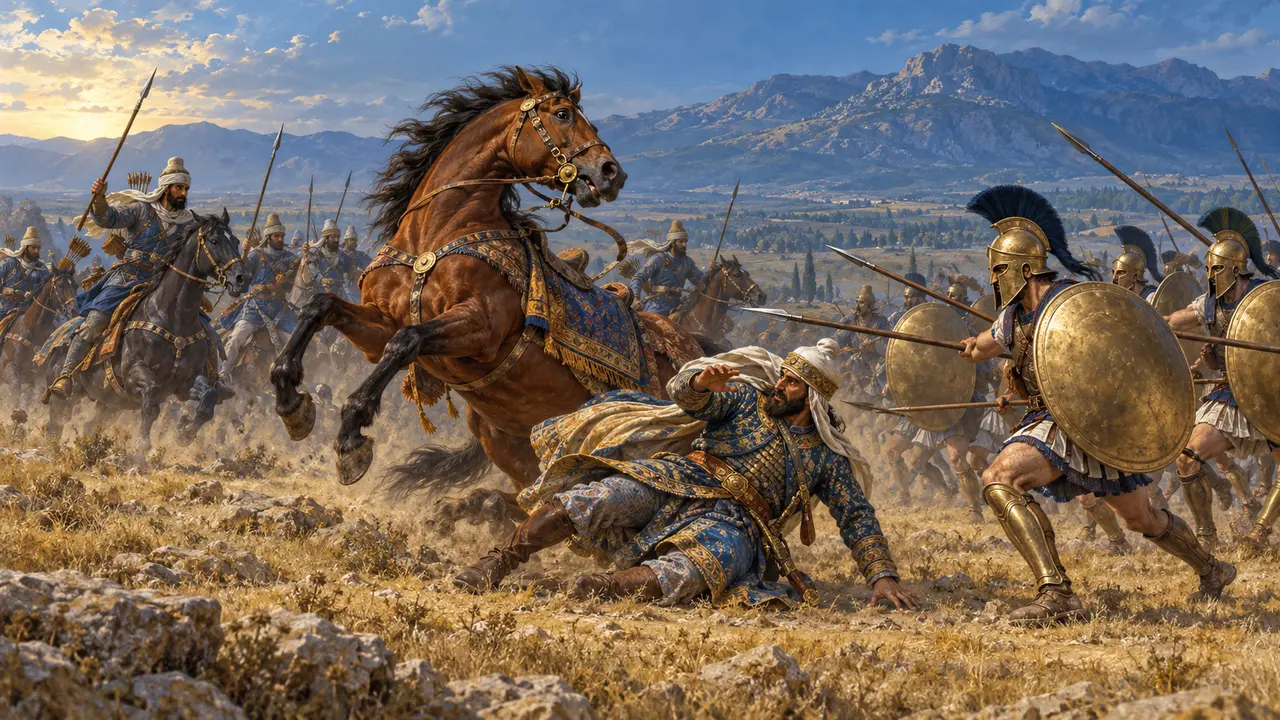
Masistius
Ancient accountMasistius led the Persian horse in golden scale armour under a purple tunic. When his horse was shot, the Greeks killed him through the eye, and carried his body along the lines to be seen.
In the game: Plataea's decree asks for a cavalry stable.
Herodotus 9.20-25
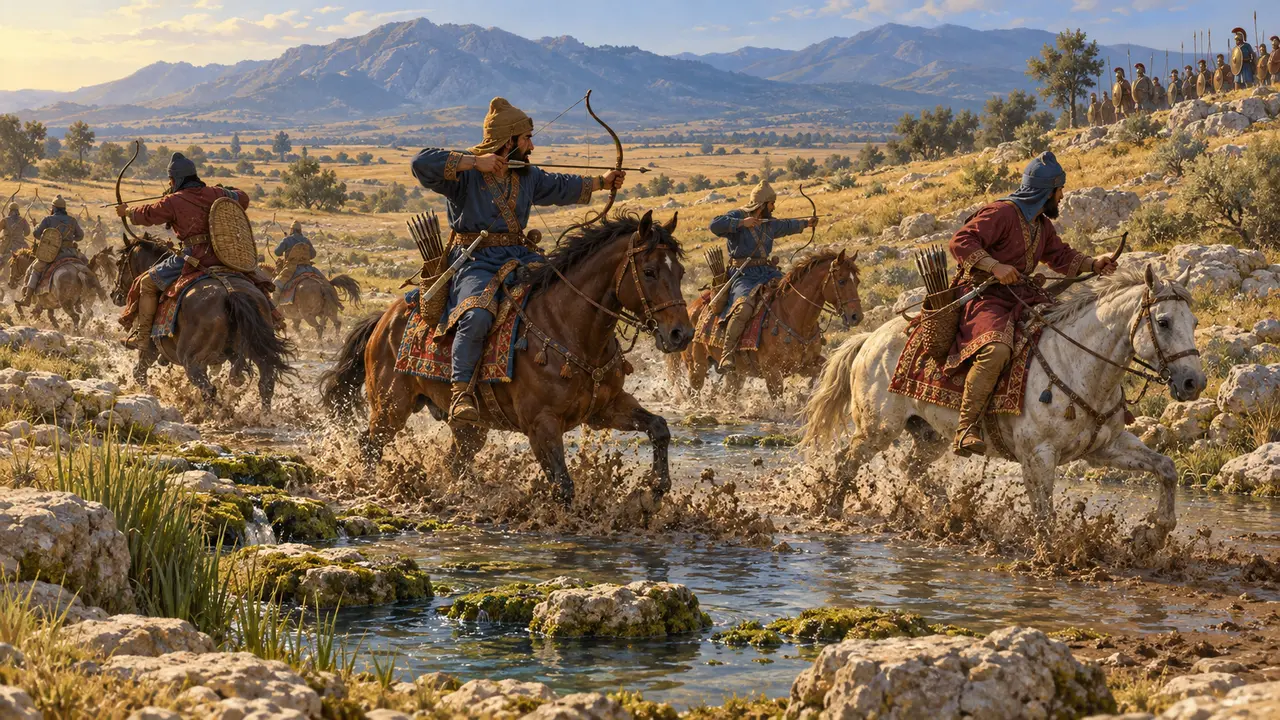
Gargaphia
Ancient accountThe Persian horsemen fouled the spring of Gargaphia that watered the Greek army, and the Greeks had to move by night.
In the game: The King's horsemen near a Greek camp at day's end foul its water.
Herodotus 9.49-51
The battle
Ancient accountThe Greek night move went wrong, and Mardonius attacked the Spartans and Tegeans. The Persians fought bravely, Herodotus says, but without armour against men in armour. Mardonius was killed by a Spartan named Arimnestus, and the fort was stormed.
In the game: Mardonius rides with the Persians on the field; when he falls, those about him break for the camp.
Herodotus 9.59-70
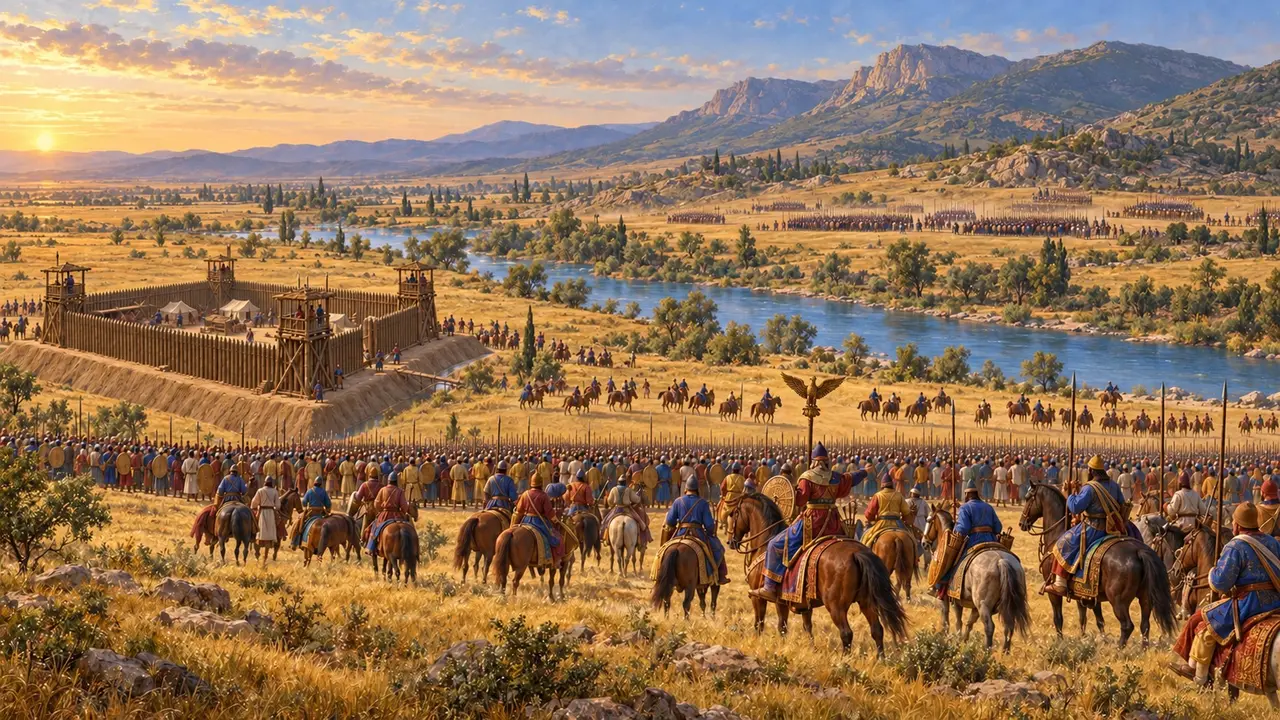
Artabazus
Ancient accountArtabazus son of Pharnaces commanded some forty thousand men and had argued against giving battle. When it came he held his division back, and when he saw the Persians running he led it off the field, north through Phocis and home over the Hellespont.
In the game: On the field his division holds back, and marches off when Mardonius falls.
Herodotus 9.41-42, 9.66, 9.89
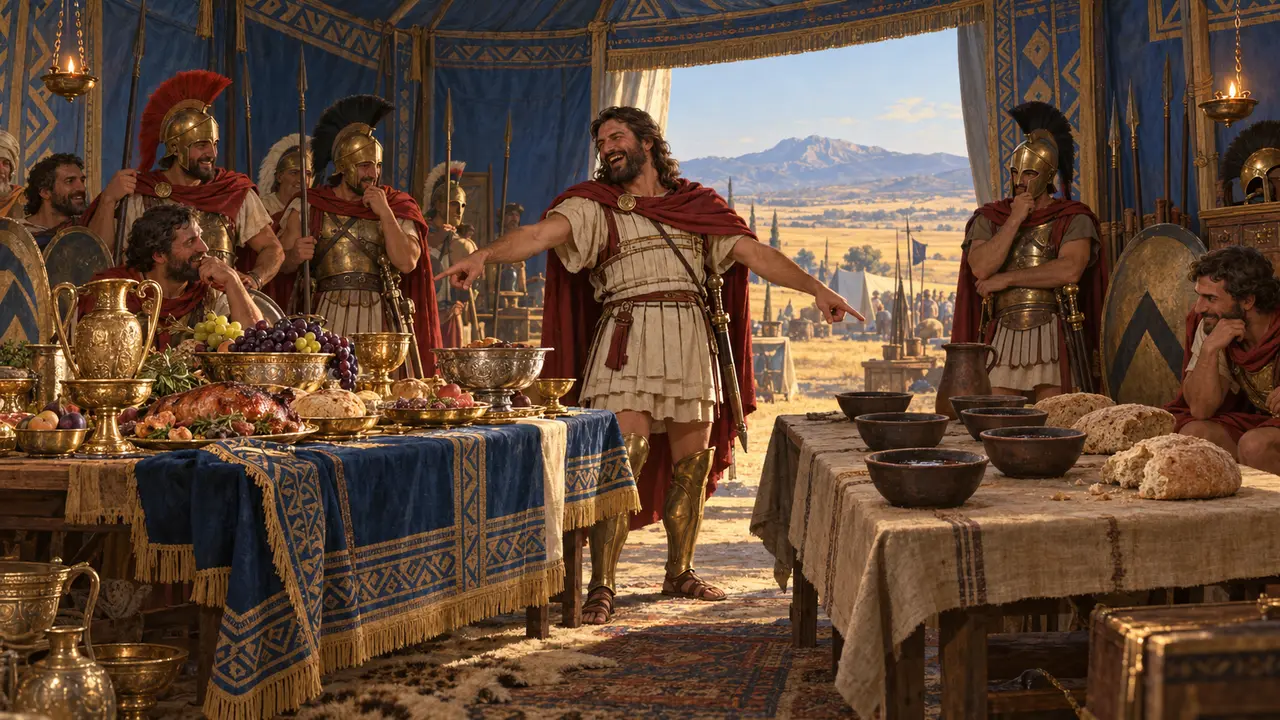
Two meals
Ancient accountIn Mardonius's tent Pausanias had his cooks lay out a Persian feast beside a Spartan meal, and laughed at the folly of a man who lived like that and came to rob Greeks of their poor fare.
Herodotus 9.80-82
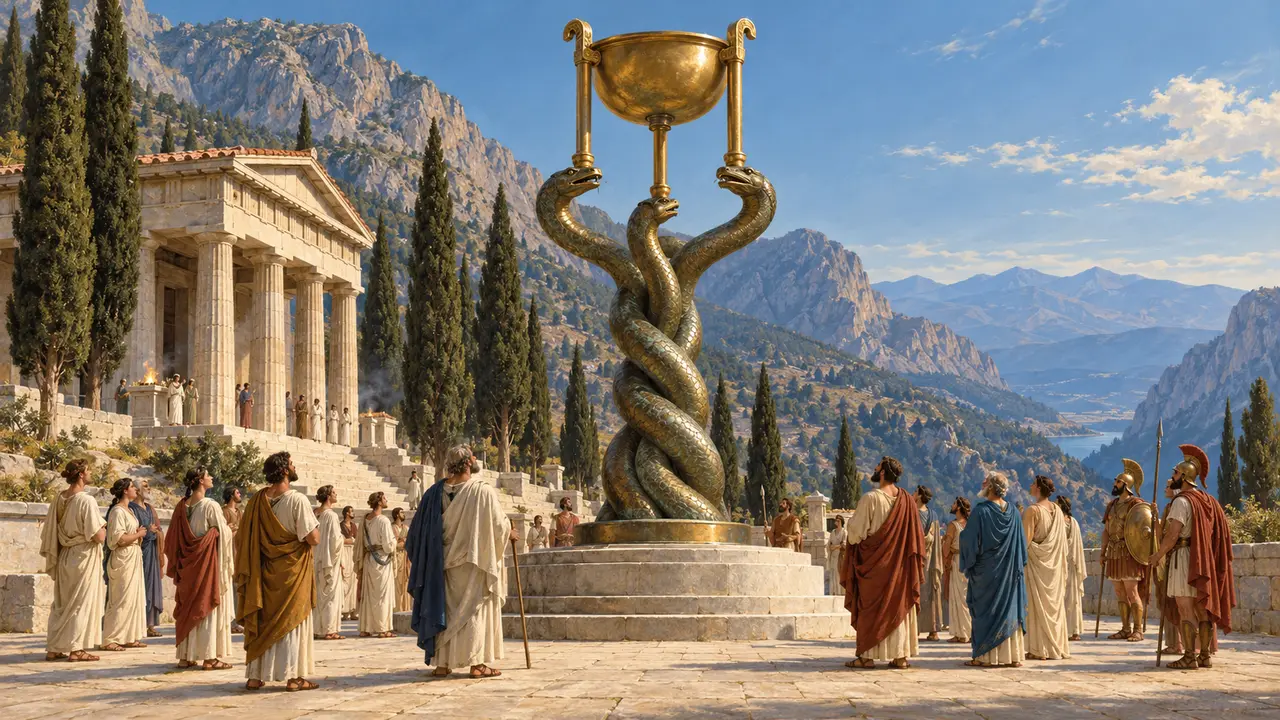
The Serpent Column
In the recordThe Greeks gave Apollo at Delphi a golden tripod on a bronze column of three twisted serpents, with the names of the cities that fought. Constantine moved it to his new capital. It still stands in Istanbul, and the names can still be read.
Herodotus 9.81; Thucydides 1.132; the column in Istanbul's Hippodrome
Read next: the topics of The Finale
Battles and events
The battle of Salamis · Xerxes' return to Asia · Alexander of Macedon's embassy to Athens · Mardonius's capture of Athens · The death of Masistius · The battle of Plataea · The battle of Mycale · The siege of Sestos
Buildings
Soldiers and ships
Bactrian Spearman · Indian Archer · Greek hoplites · Greek archers and light troops
People
Mardonius · Xerxes · Alexander of Macedon · Masistius · Artabazus · Pausanias · Themistocles · Artayctes
Peoples
The Persians · The Macedonians · The Thessalians · The Thebans · The Athenians · The Spartans · The Plataeans · The Hellenic League · The Phocians · The Tegeans · The Samians · The Locrians · The Boeotians · The Corinthians · The Megarians · The Malians
Places
The Hellespont · Athens · Salamis · Plataea · Delphi · Thebes (Boeotia) · The spring of Gargaphia
Wildlife and weather
Deer · The wild boar · The white stork · The hare · The fox · The wolf · Wild ducks · The kite · The griffon vulture · The rock dove · The jackdaw · The crane · The swallow · Bats · The little owl · The hooded crow · Morning mist