The Persians
The ruling people of the Achaemenid empire, from Persis (Parsa), 559-479 BCE
In the game: Level 1: The Founder's Tomb, Level 2: The Spear-bearer, Level 3: The Lie, Level 4: The Terrace, Level 5: The Charter, Level 6: The Bridge of Boats, Level 7: Sardis Burns, Level 8: The Bay of Marathon, Level 9: The Canal, Level 10: The Hot Gates, Level 11: The Finale
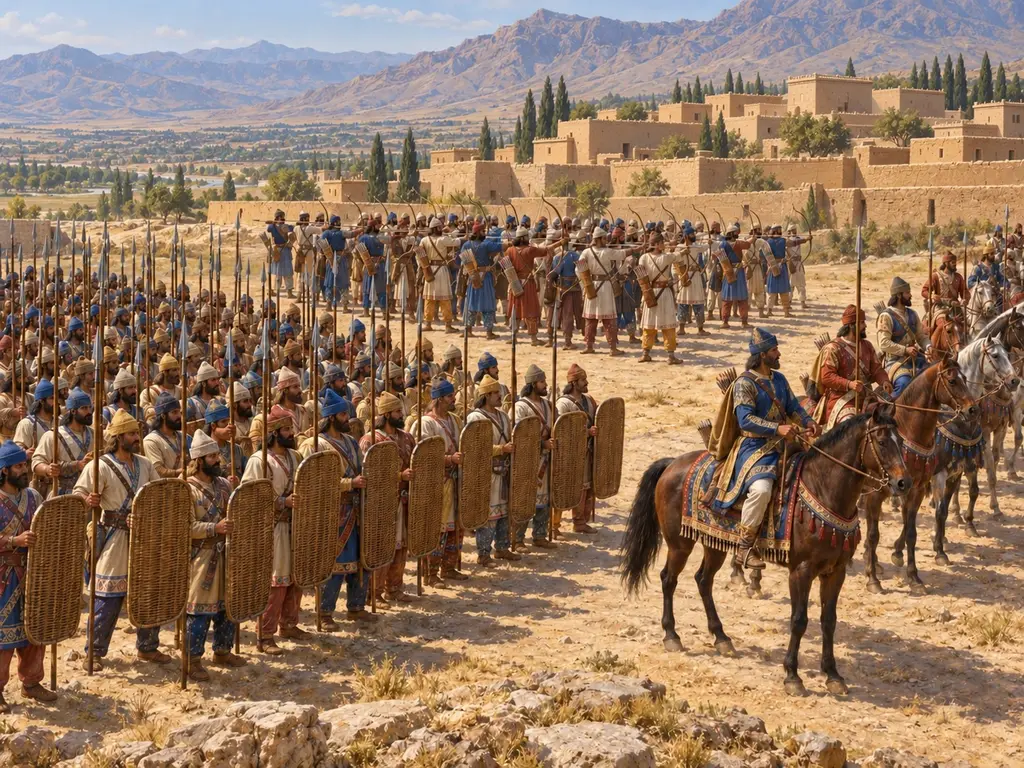
The Persians were an Iranian-speaking people of Persis, the highland in the south-west of the Iranian plateau that they called Parsa and that is now the province of Fars. Under Cyrus and his successors they rose from a local kingdom centred on Anshan to rule lands from the Aegean to the Indus. Darius and Xerxes called themselves Persians in their inscriptions and placed Persia first among their lands.
In the game: The game presents the Persians as the King's own people of Persis, or Parsa, which agrees with the royal inscriptions. In history they shared that homeland with Elamites and with workers drawn from many subject peoples.
Where the Persians came from
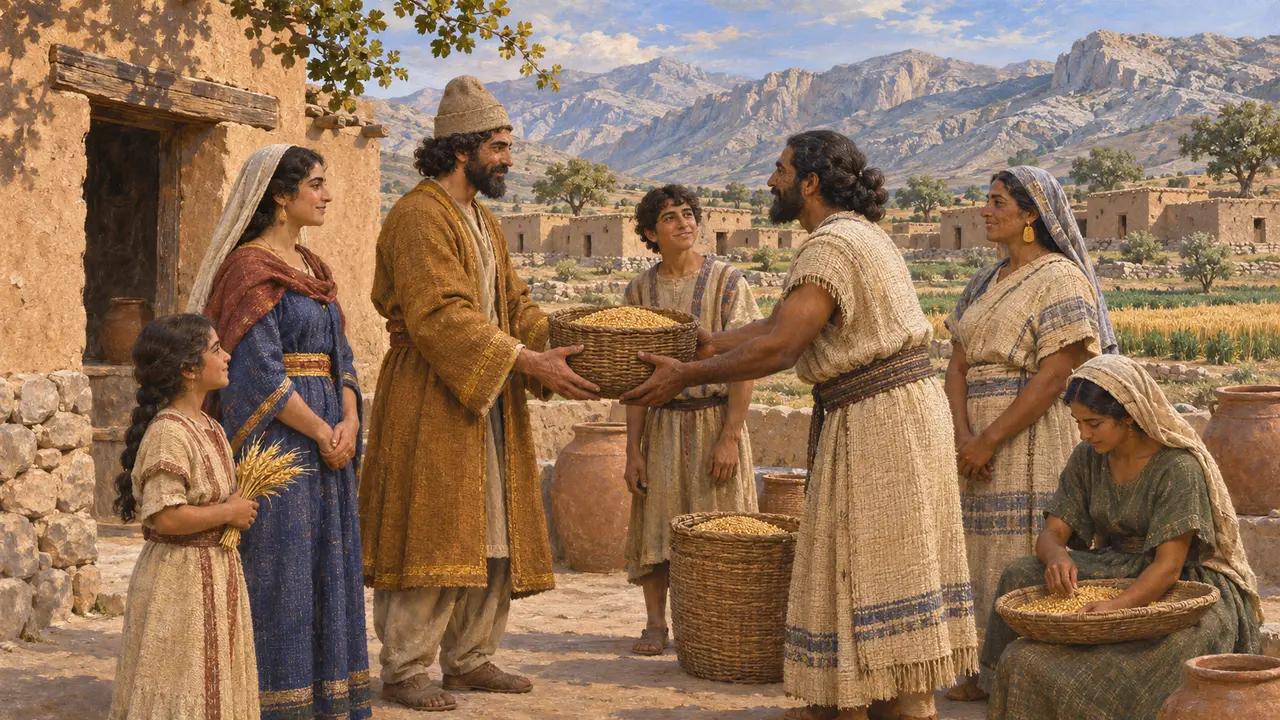
DisputedIranian-speaking groups had probably settled in the highlands of Fars by the early first millennium, among an older Elamite population around Anshan. Many historians argue that Persian identity grew from this long mixing, which would explain why Persis kept Elamite as its written language of administration. Cyrus's cylinder calls his forefathers kings of Anshan descended from Teispes and never names Achaemenes, so whether Cyrus and Darius were of one house is also argued.
Cyrus Cylinder; W. Henkelman, The Other Gods Who Are, 2008
A Persian, son of a Persian
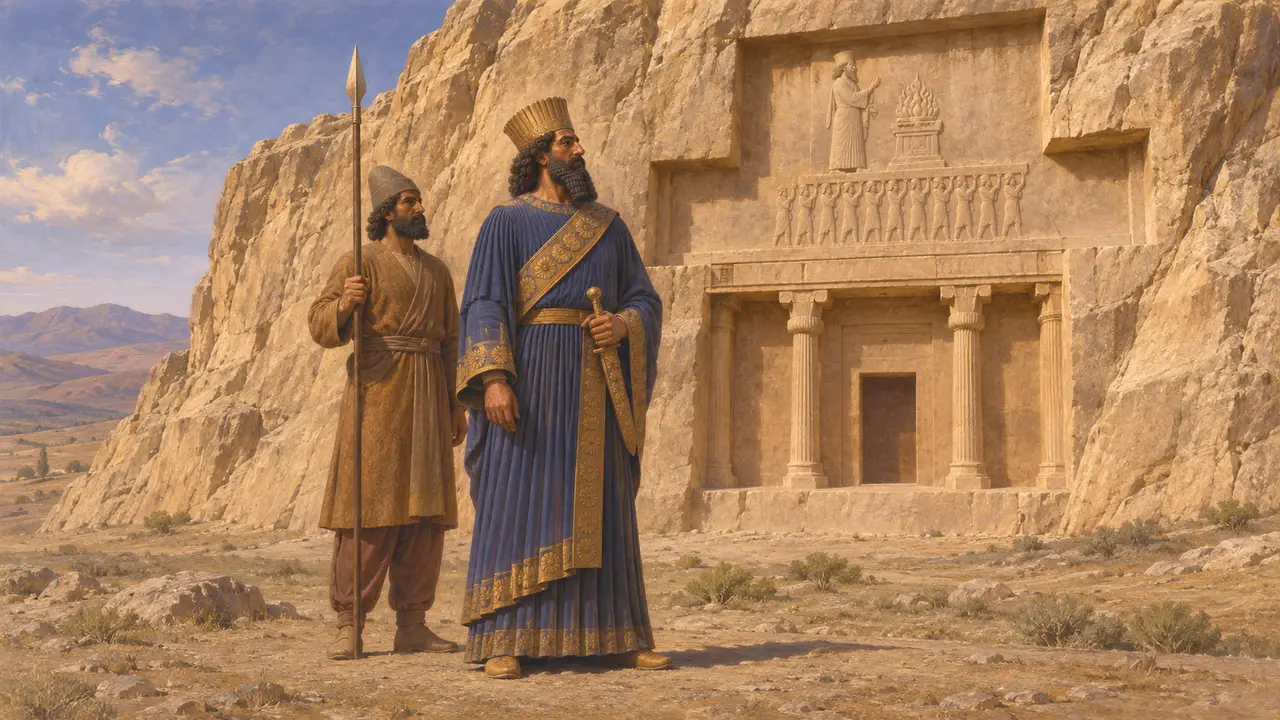
In the recordAt Behistun Darius traced his line through Hystaspes back to Achaemenes and said this was why his house was called Achaemenid. He placed Persia first in his list of the lands he ruled. On his tomb at Naqsh-e Rostam he called himself a Persian, son of a Persian, an Aryan of Aryan stock, and said that the spear of a Persian man had gone far from home.
DB §1-4, §6; DNa
Persian customs in Herodotus
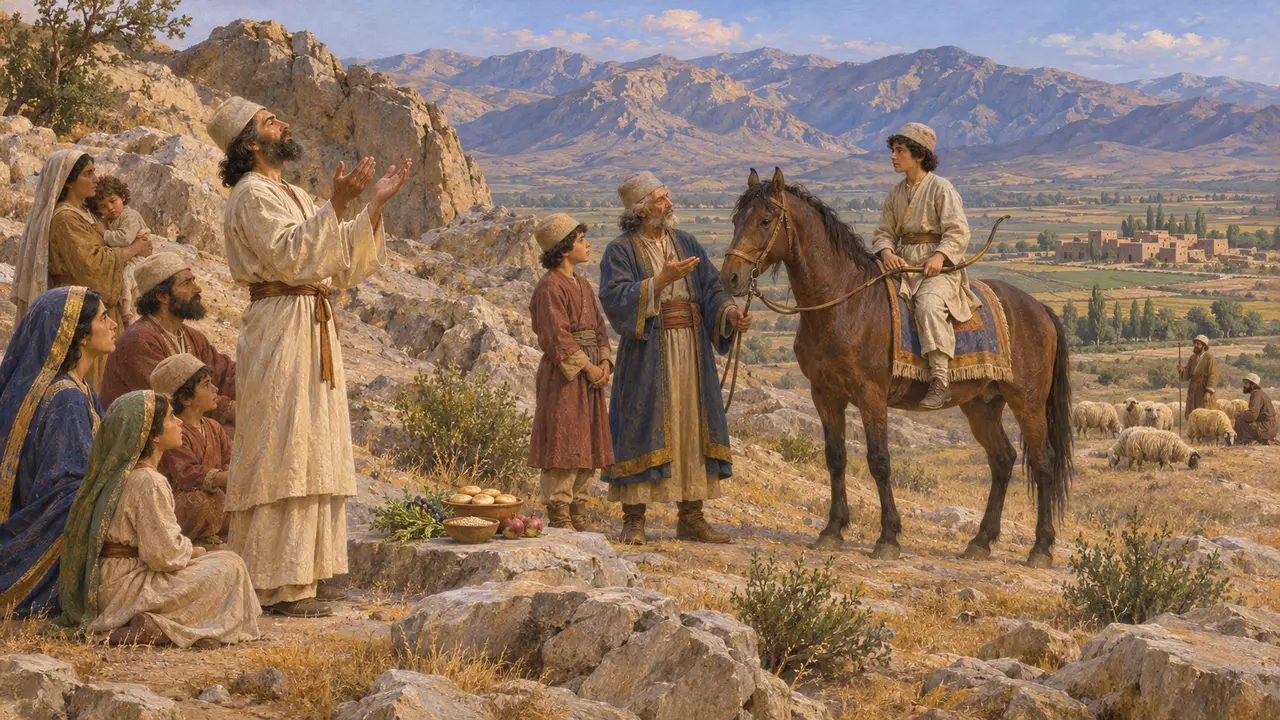
Ancient accountHerodotus says the Persians were divided into tribes, the noblest being the Pasargadae, whose clan of the Achaemenids gave the kings, while other tribes were farmers or herders. He says boys were taught three things from five to twenty: to ride, to shoot the bow and to tell the truth. He adds that they sacrificed on high places without statues or temples, always with a magus present.
Herodotus 1.125, 1.131-132, 1.136
The Persians in the Persepolis tablets
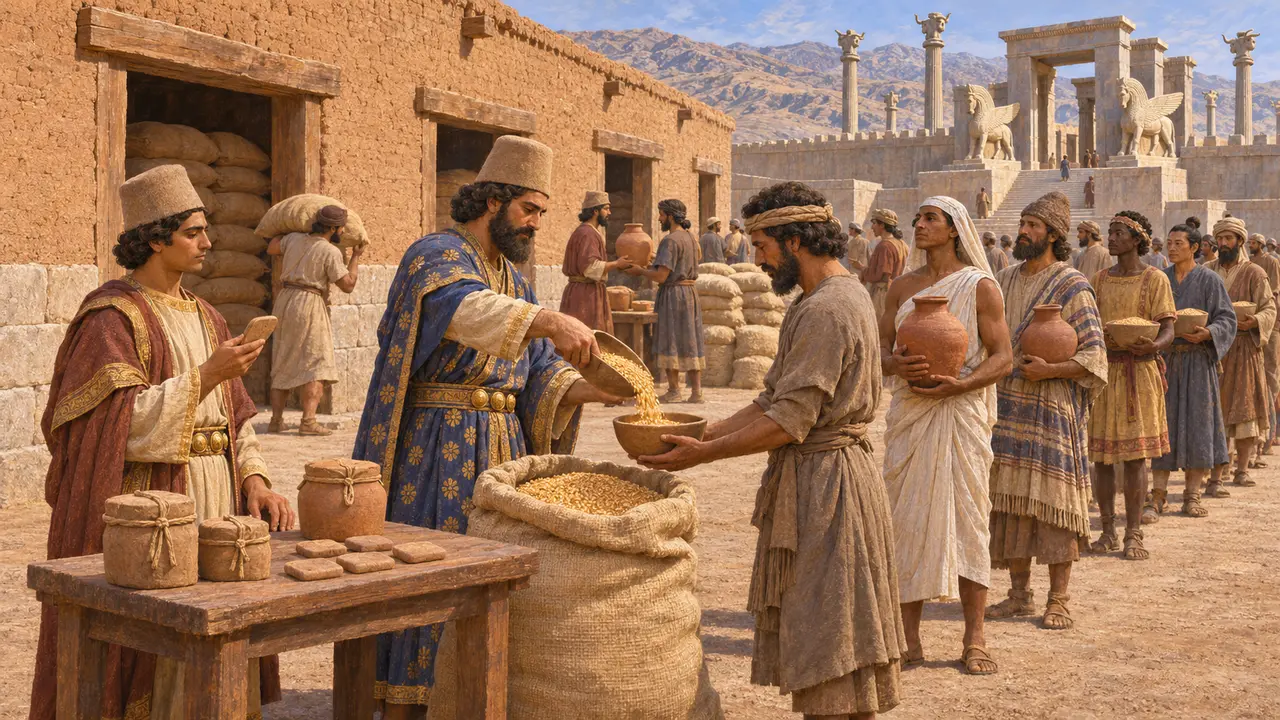
In the recordThousands of clay tablets from Persepolis, most of them in Elamite and dated to about 509-493, record how Persis was run. They list rations of grain, wine and beer for officials, travellers and workers, many of them foreign labourers called kurtash. They also record offerings to Auramazda, to Elamite gods such as Humban and to mountains and rivers, which shows a mixed religious life in the homeland.
Persepolis Fortification tablets; W. Henkelman, The Other Gods Who Are, 2008
Free of tribute
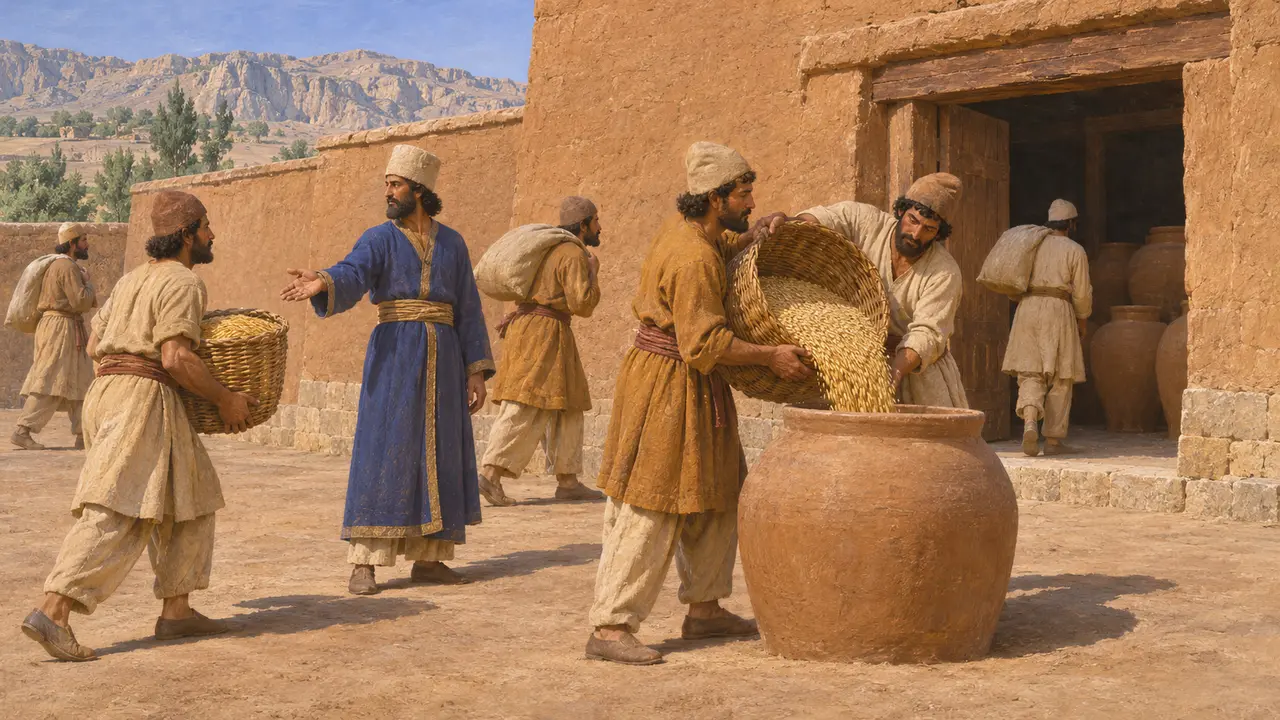
DisputedHerodotus says that Persis alone among the King's lands paid no tribute. The Fortification tablets, however, show produce being collected into royal stores and labour being organised across Persis. Historians debate whether Herodotus meant only the silver tribute assessed on the satrapies, while Persians still owed goods and service, or whether he gave an idealised picture of the King's own people.
Herodotus 3.97; P. Briant, From Cyrus to Alexander, 2002
The emblem beside its name
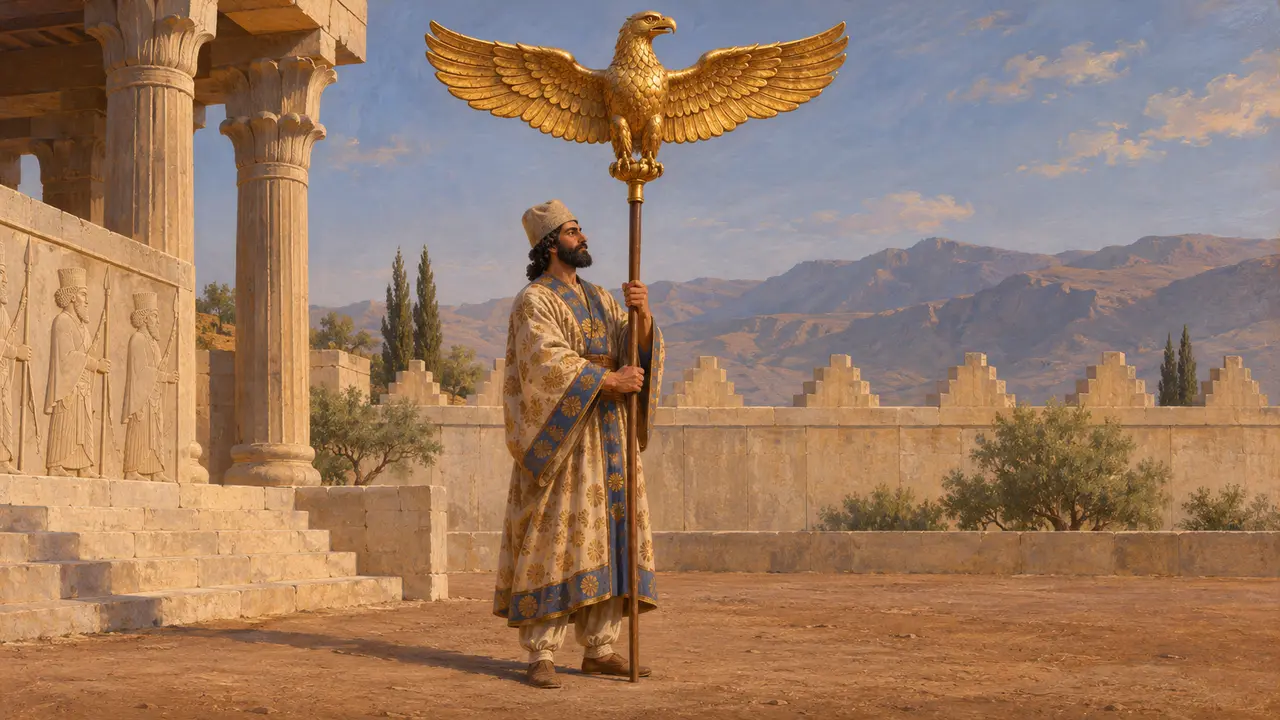
Ancient accountNo cloth flag of the Persians survives or is described. Xenophon says the King's standard was a golden eagle with spread wings on a lance, and the game's emblem follows him, with the stepped merlons of Persepolis on the hem. Greek writers saw the eagle in the 4th century, so it may not show what Darius's army carried a century earlier.
Xenophon, Anabasis 1.10.12; Xenophon, Cyropaedia 7.1.4
Sources
- Herodotus, Histories 1.125-136, 3.97
- Darius I, Behistun inscription (DB) and Naqsh-e Rostam inscription (DNa)
- Cyrus Cylinder
- Persepolis Fortification tablets
- W. Henkelman, The Other Gods Who Are, 2008
- P. Briant, From Cyrus to Alexander, 2002