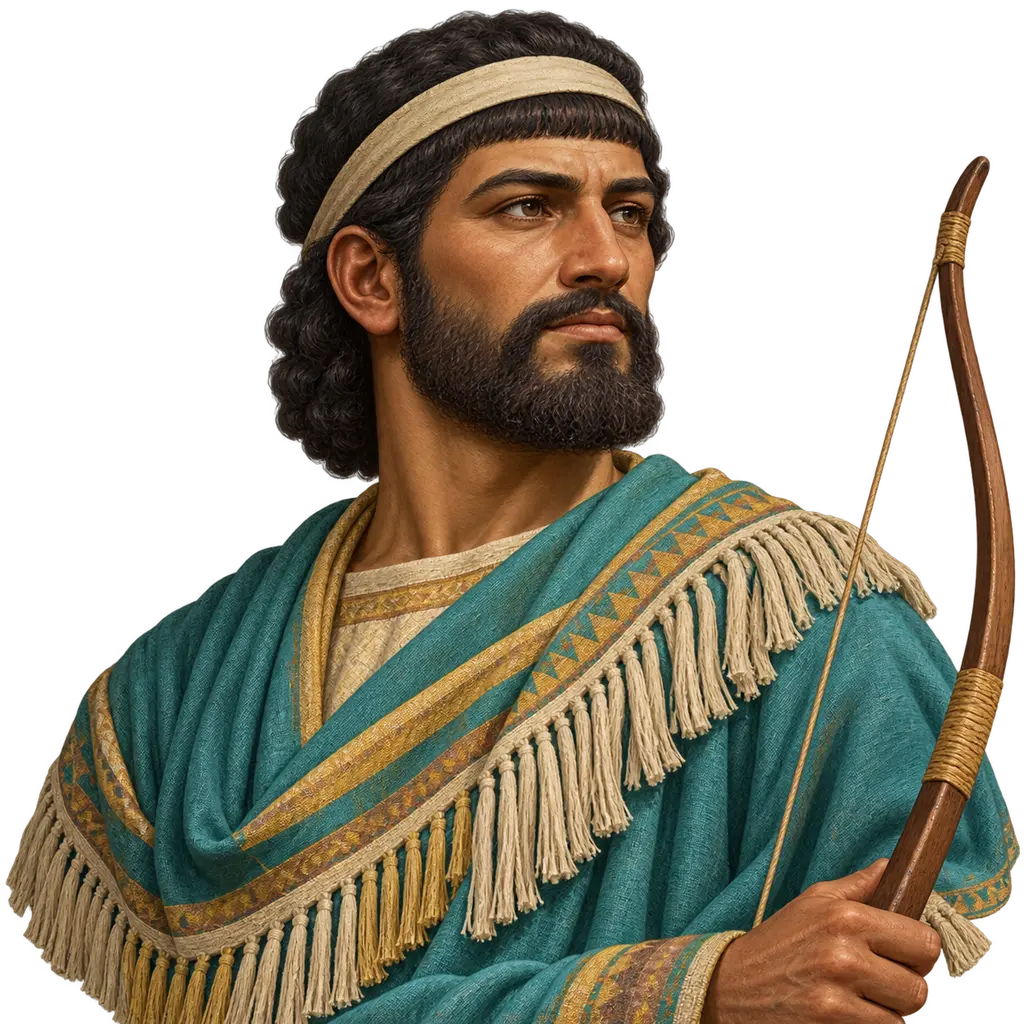
The Elamites
The ancient people of Susa and its plain, under Persian rule in the 6th century BCE
In the game: Level 1: The Founder's Tomb, Level 4: The Terrace, Level 5: The Charter, Level 7: Sardis Burns
The Elamites were heirs to a kingdom far older than Persia, centred on Susa and the highlands of Anshan. Elam rose against Darius three times in 522-519, yet its language became the working tongue of the Persian administration. Persian kingship, dress and scribal practice probably owed much to Elam, though how much is still argued.
In the game: The game shows the Elamites as trade partners around Susa and as rebels at Susa. Historically Elam was a core province of the empire, not an outside partner. Behistun records three Elamite risings in 522-519.
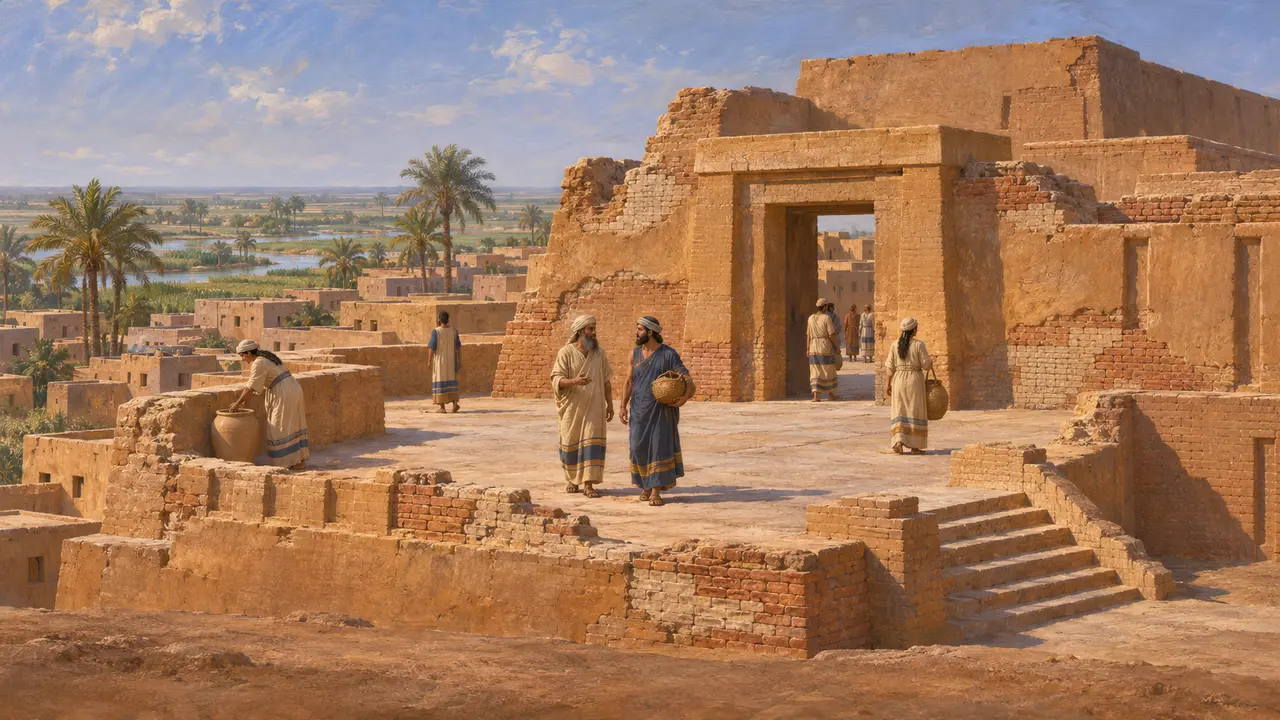
An ancient kingdom before Persia
In the recordElam called itself Haltamti; the Persians called it Uja. Its kings ruled from Susa in the lowland plain and from Anshan in the highlands that later became Persis. Assyrian annals record that Ashurbanipal sacked Susa in about 646. Smaller Neo-Elamite kingdoms survived after that, and Susa probably came under Persian rule in Cyrus's reign, though no text records when or how.
D. T. Potts, The Archaeology of Elam, 1999
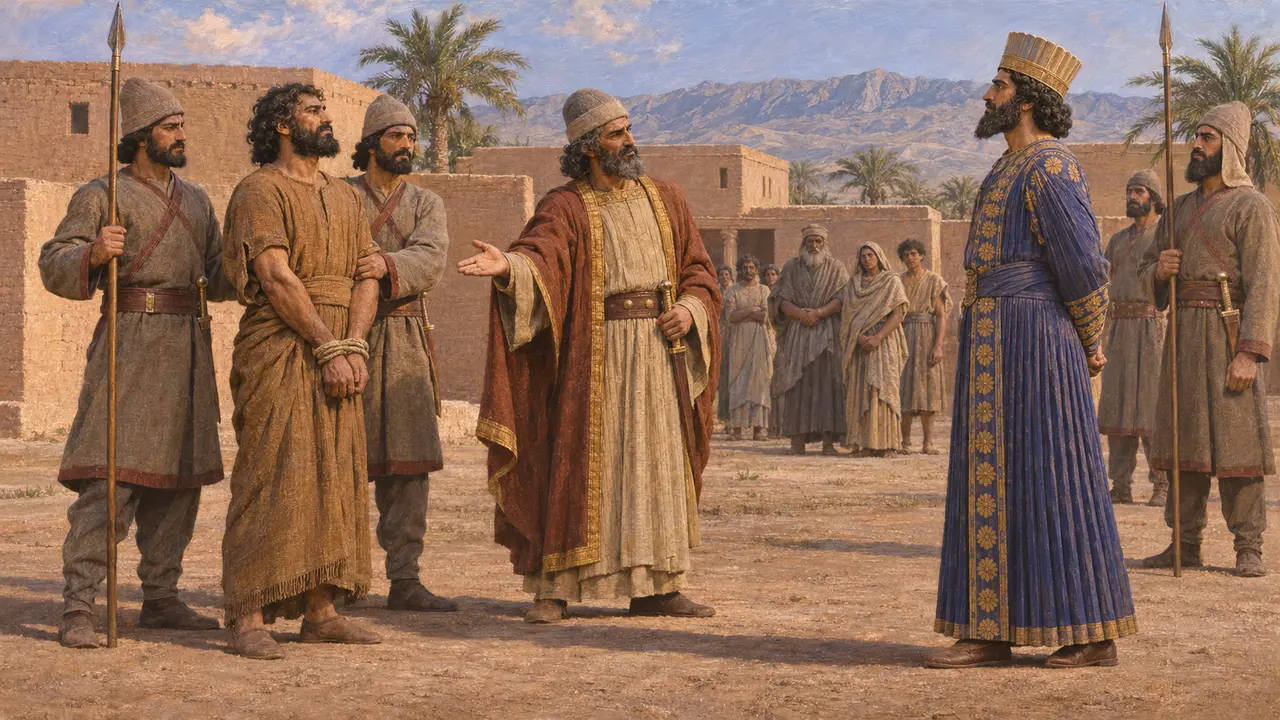
Three risings against Darius
In the recordDarius's Behistun inscription says that after Gaumata's death Elam revolted under Assina, who was brought to him bound and put to death. Then Martiya, a Persian, claimed to be Imanish, king of Elam, but the Elamites feared Darius's approach, seized him and killed him. In a later fifth column, Darius says that Athamaita led a third rising in his second and third years. Gobryas defeated the Elamites, and Athamaita was brought to Darius and killed.
DB §16-17, §22-23, §71
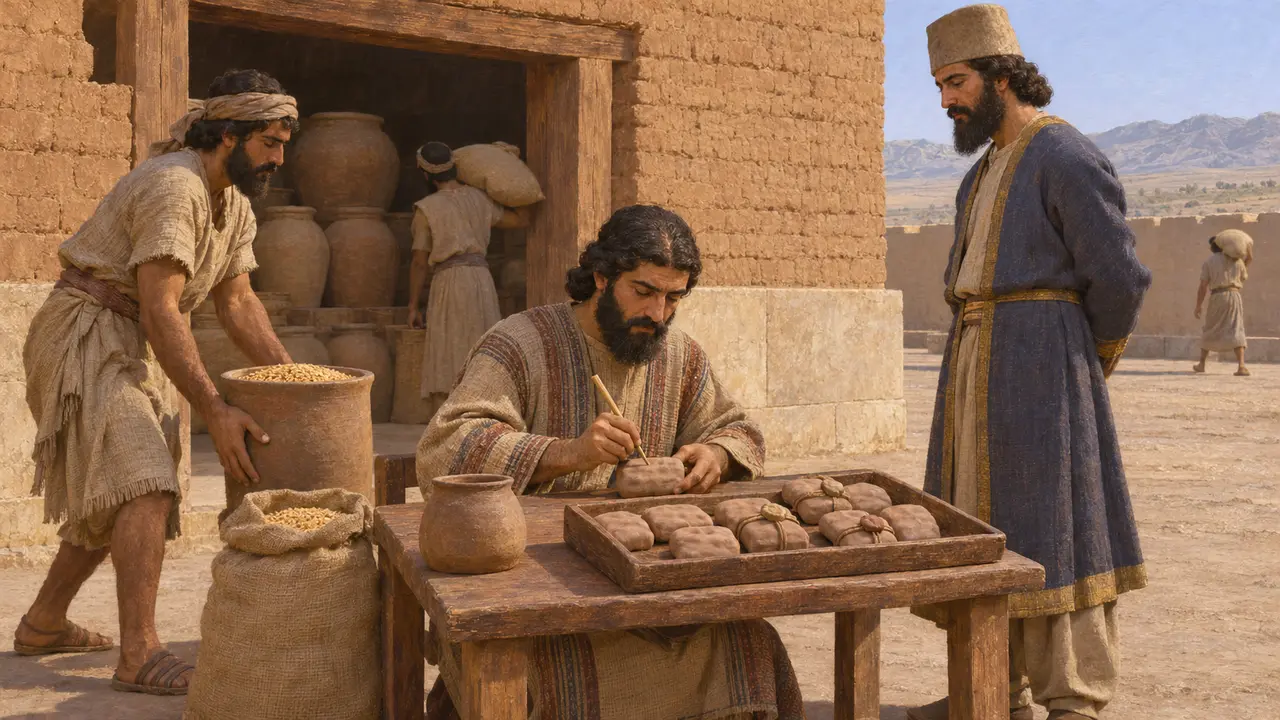
The language of the Persian offices
In the recordMost of the thousands of Persepolis Fortification tablets, covering roughly 509 to 494, are written in Elamite. They record rations, travel and offerings, including offerings to Elamite gods such as Humban beside Iranian ones. The Elamite text of Behistun was probably the first version carved. Elamite stands with Old Persian and Babylonian in the royal inscriptions.
W. Henkelman, The Other Gods Who Are, 2008
Cissians in Herodotus
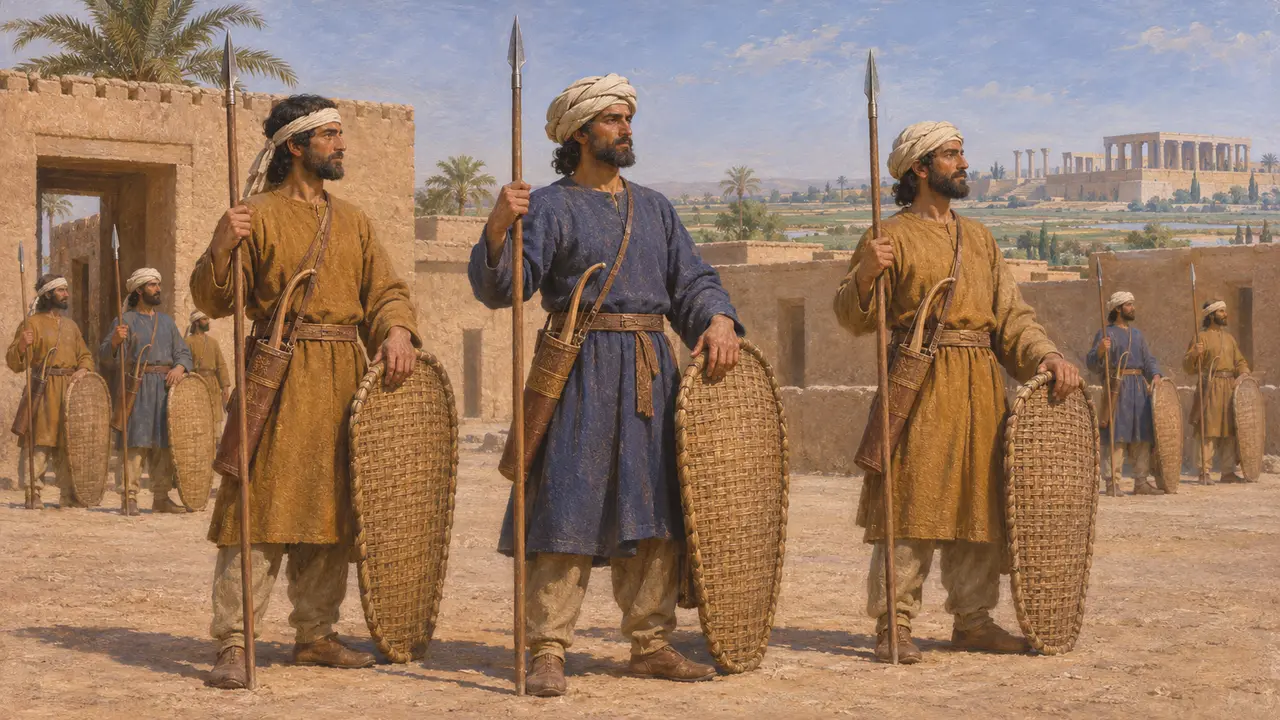
Ancient accountHerodotus does not use the name Elam. He speaks of the Cissians, with Susa as their chief place. He lists Susa and the Cissian land as a tax district paying 300 talents of silver. In Xerxes' army, he says, the Cissians were armed like the Persians but wore a headband or turban rather than a felt cap.
Herodotus 3.91; 7.62
How Elamite were the Persians
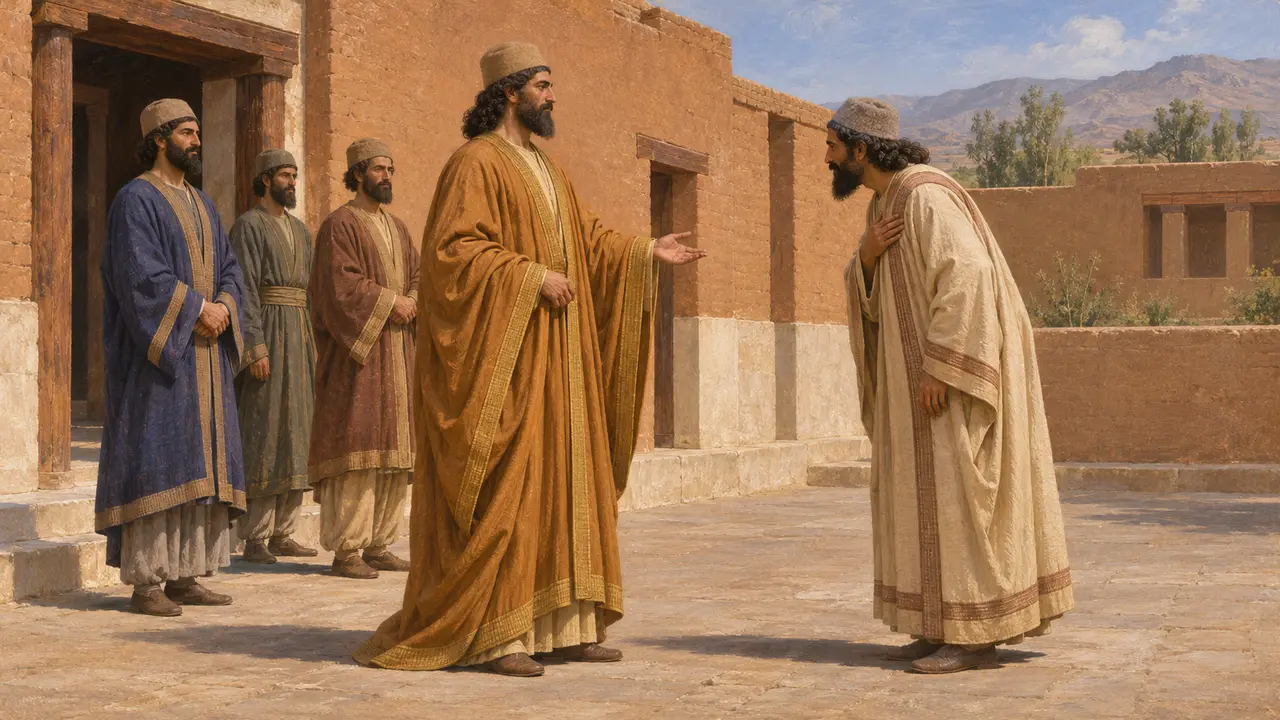
DisputedOn the Cyrus Cylinder, Cyrus called himself king of Anshan, an old Elamite royal title. Some historians think Persian kingship grew out of a long mixing of Iranian newcomers and Elamites in the highlands. Others stress a clearer break and treat the Elamite borrowings as later choices. The long Persian robe and some court practices are often traced to Elam, but the extent of the debt is still argued.
P. Briant, From Cyrus to Alexander, 2002
The emblem beside its name
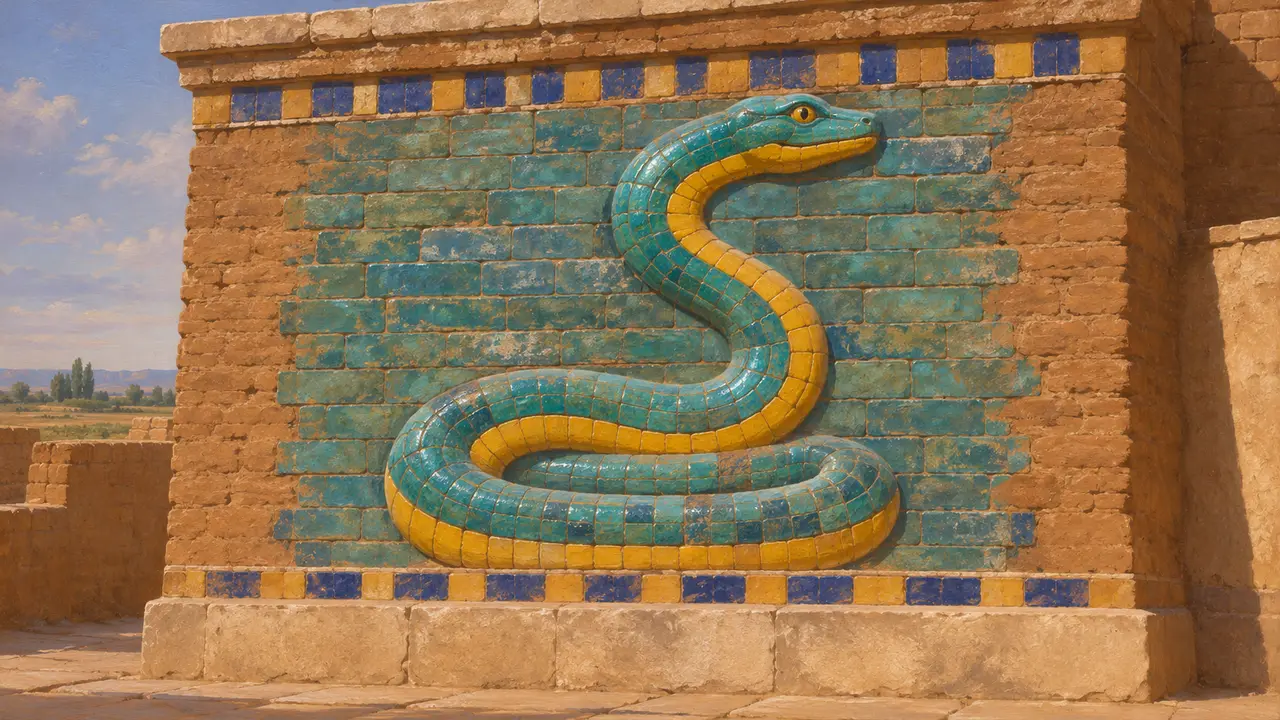
In the recordThe game's emblem for Elam is a rearing serpent, a motif of Elamite thrones, seals and temple art for two thousand years, in the turquoise and yellow of the glazed bricks of Susa. No Elamite army standard is known; the serpent stands for the land's own art, not for a banner.
P. O. Harper, J. Aruz and F. Tallon (eds), The Royal City of Susa, 1992
Sources
- DB (Behistun inscription, Darius I)
- W. Henkelman, The Other Gods Who Are, 2008
- D. T. Potts, The Archaeology of Elam, 1999
- P. Briant, From Cyrus to Alexander, 2002
- Herodotus 3.91; 7.62
- Cyrus Cylinder