Level 7: Sardis Burns · Sardis · 499–494 BCE
Sardis Burns
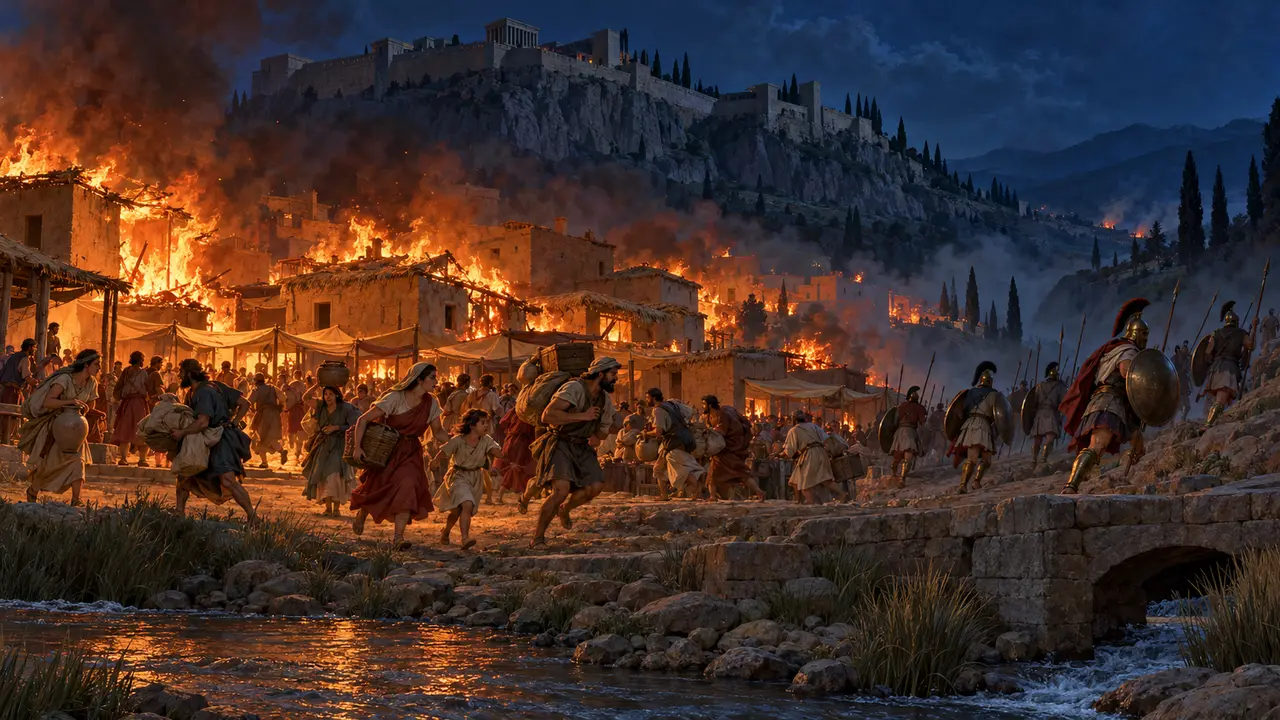
Sardis burns, 498 BCE: the reed-roofed lower city in flames below the citadel.
Encyclopedia › The History
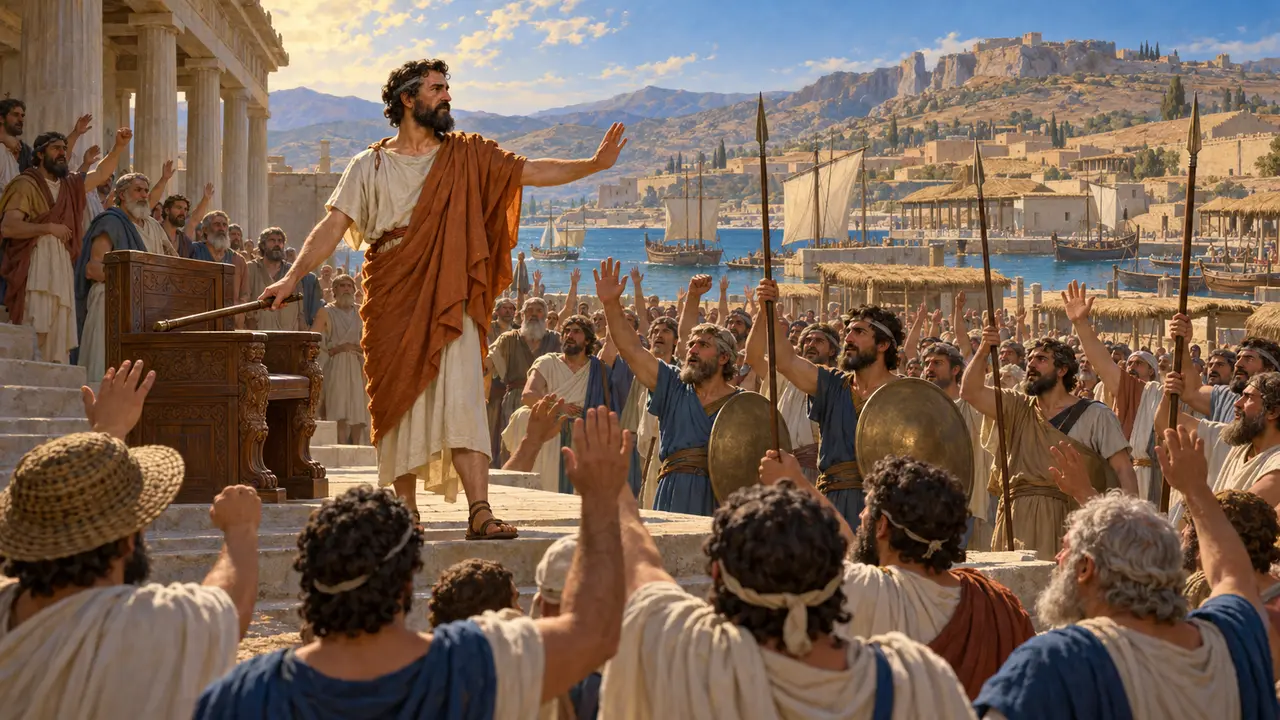
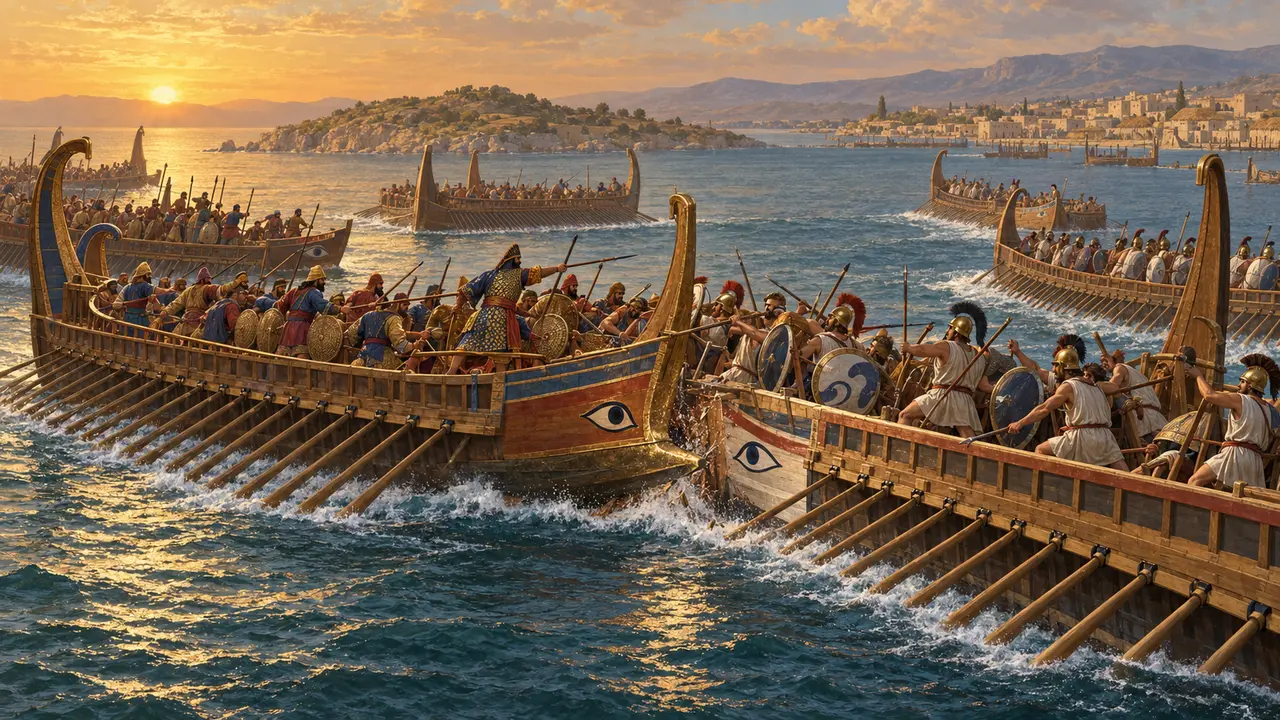
In 499 the Greek cities of Ionia rose against their tyrants and the King. With twenty Athenian and five Eretrian ships they marched inland and burned Sardis. Six years later the King's fleet broke them at Lade, and Miletus fell.
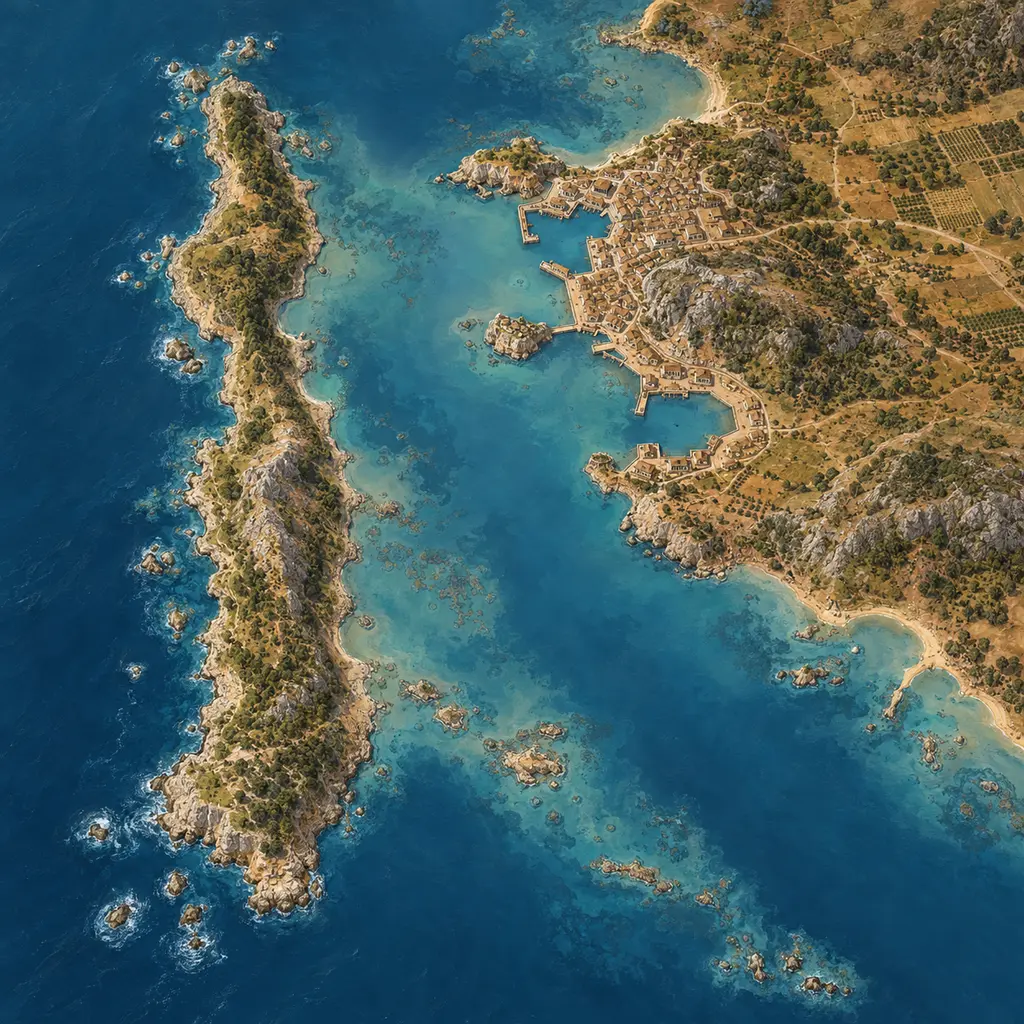
- 500 BCE The siege of Naxos fails
- 499 BCE Ionia rises
- 498 BCE Sardis burns
- 497 BCE Cyprus retaken
- 494 BCE Lade; Miletus falls
- 493 BCE Artaphernes' settlement
Naxos
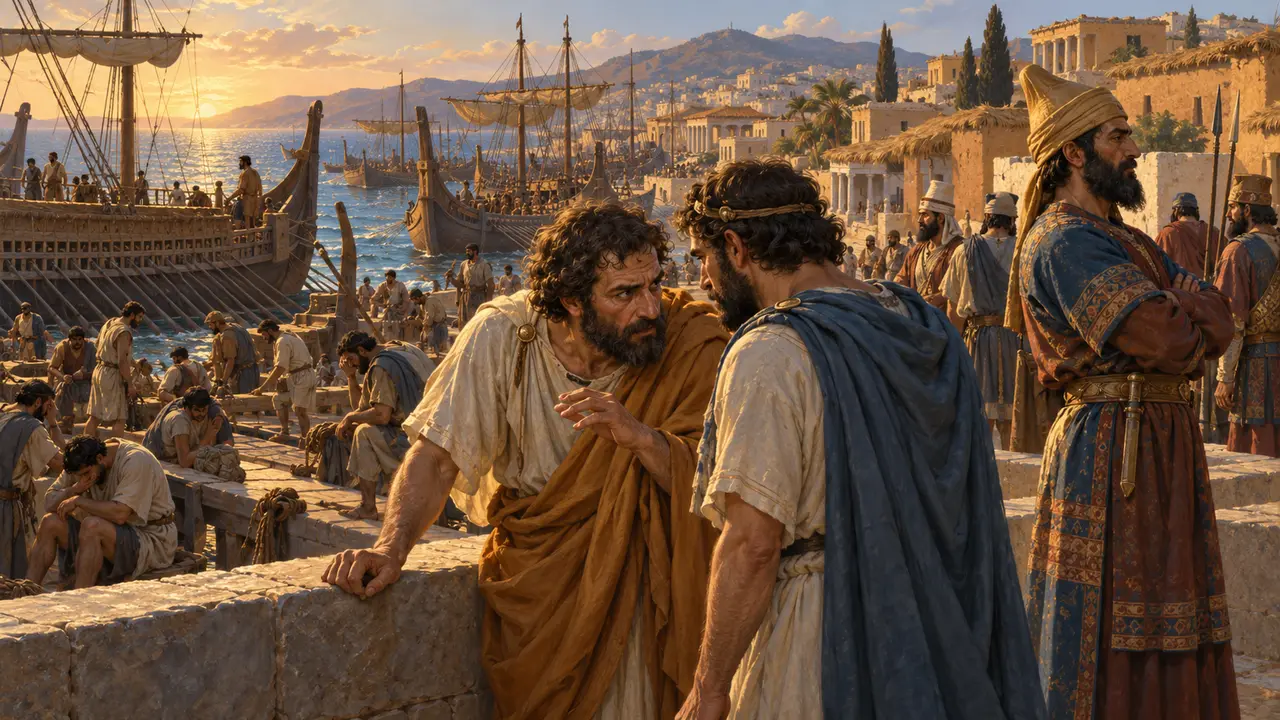
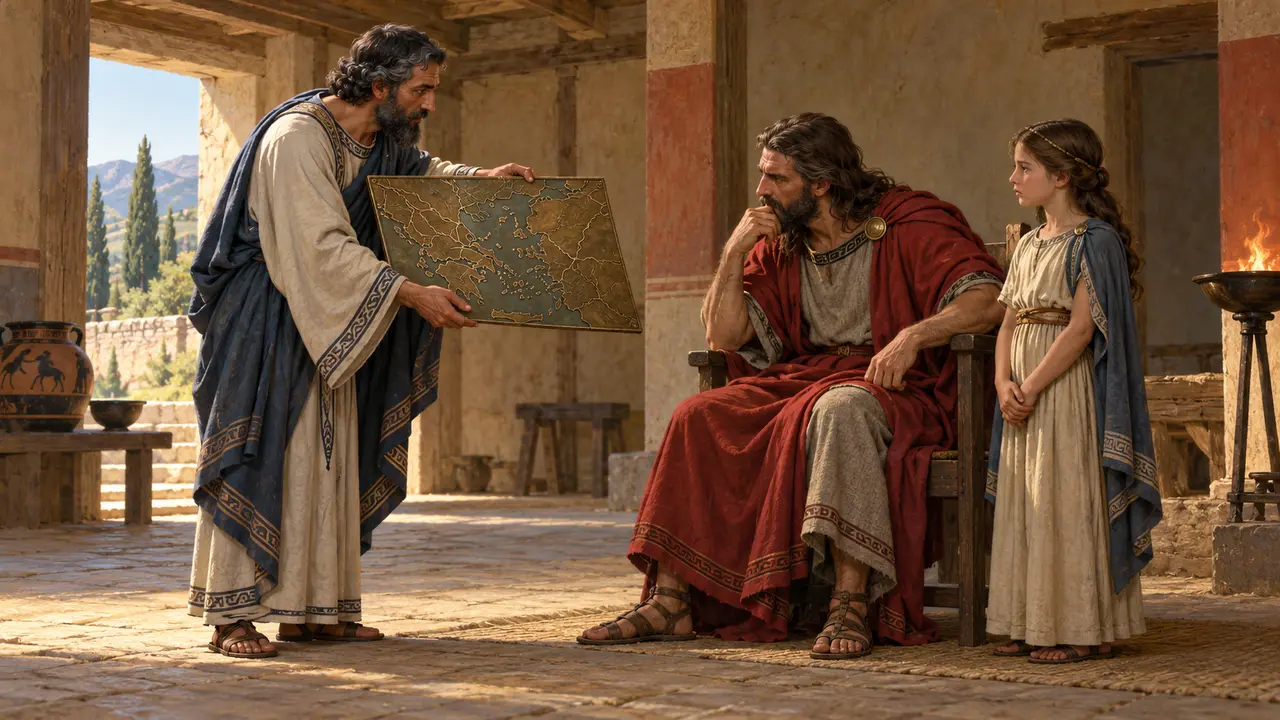
Ancient accountAristagoras of Miletus talked the satrap Artaphernes into a fleet against Naxos. The commander quarrelled with him and warned the Naxians, and after four months the siege failed. Facing ruin, Aristagoras turned against the King.
Herodotus 5.30-35
Sardis burns
Ancient accountMost houses of Sardis were of reeds or had reed roofs. One caught fire, and the whole lower city burned, with the temple of the goddess Cybebe. Artaphernes held the citadel. The Persians later named that temple when they burned Greek temples.
In the game: Reed roofs: torches catch easily, and fire spreads fast.
Herodotus 5.100-102
Ephesus
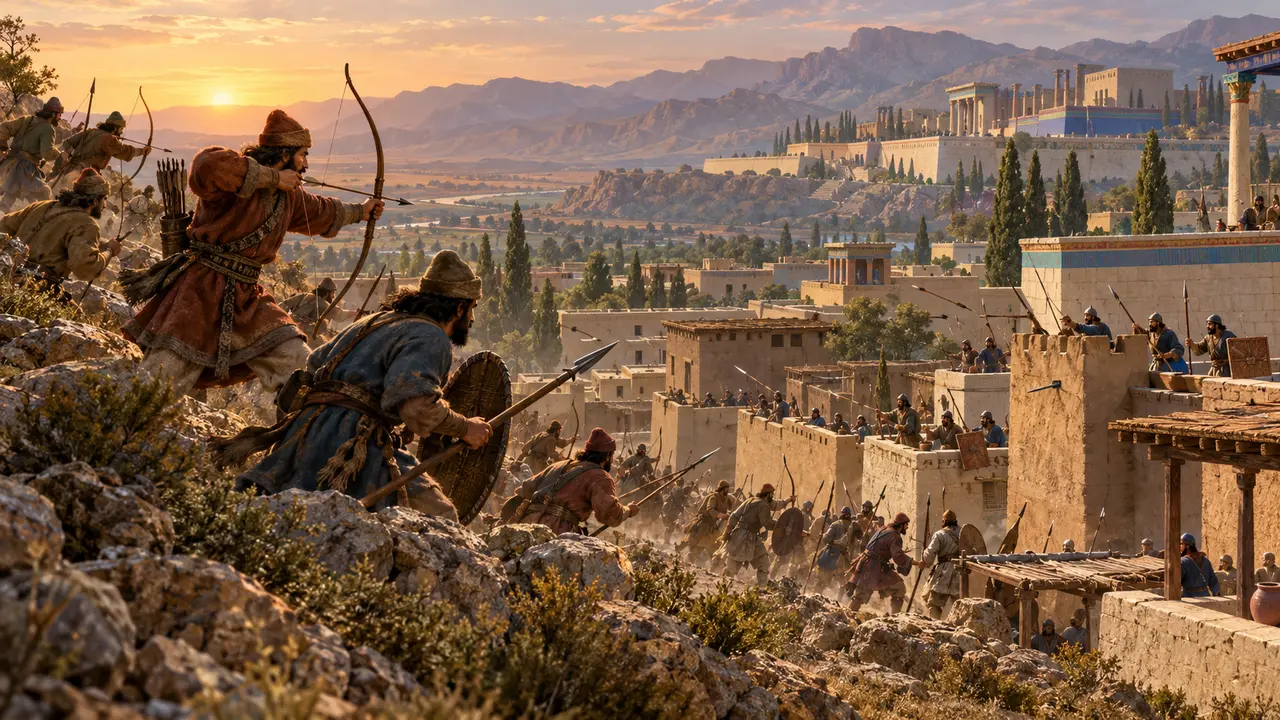
Ancient accountThe Ionians and Athenians could not take the citadel, and marched back to the coast. The Persians of the satrapies west of the Halys came up with them near Ephesus and beat them; Eualcides, general of the Eretrians, fell. The Athenians sailed home and would not help the Ionians again.
In the game: The Ionian host with its Athenians and Eretrians comes up from Ephesus.
Herodotus 5.102-103
'Remember the Athenians'
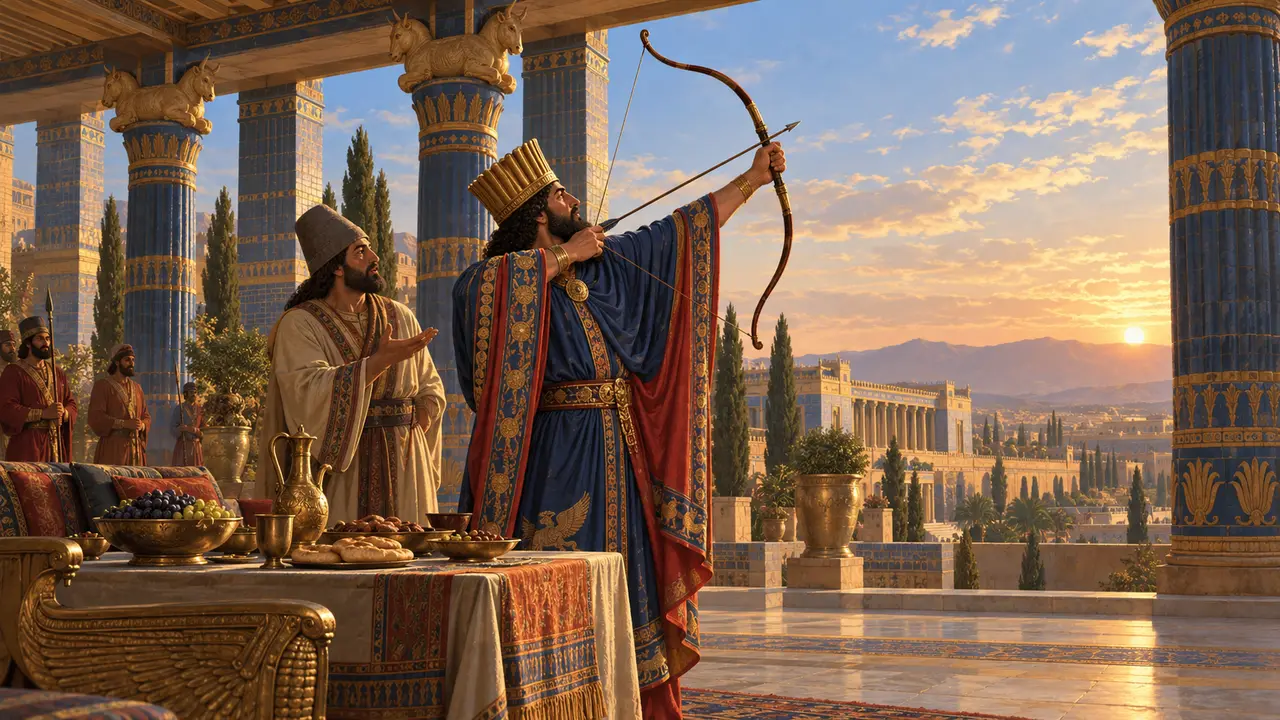
Later legendHerodotus says Darius asked who the Athenians were, shot an arrow into the sky, and had a servant say three times at every dinner, 'Master, remember the Athenians.'
Herodotus 5.105
Gold of the Pactolus
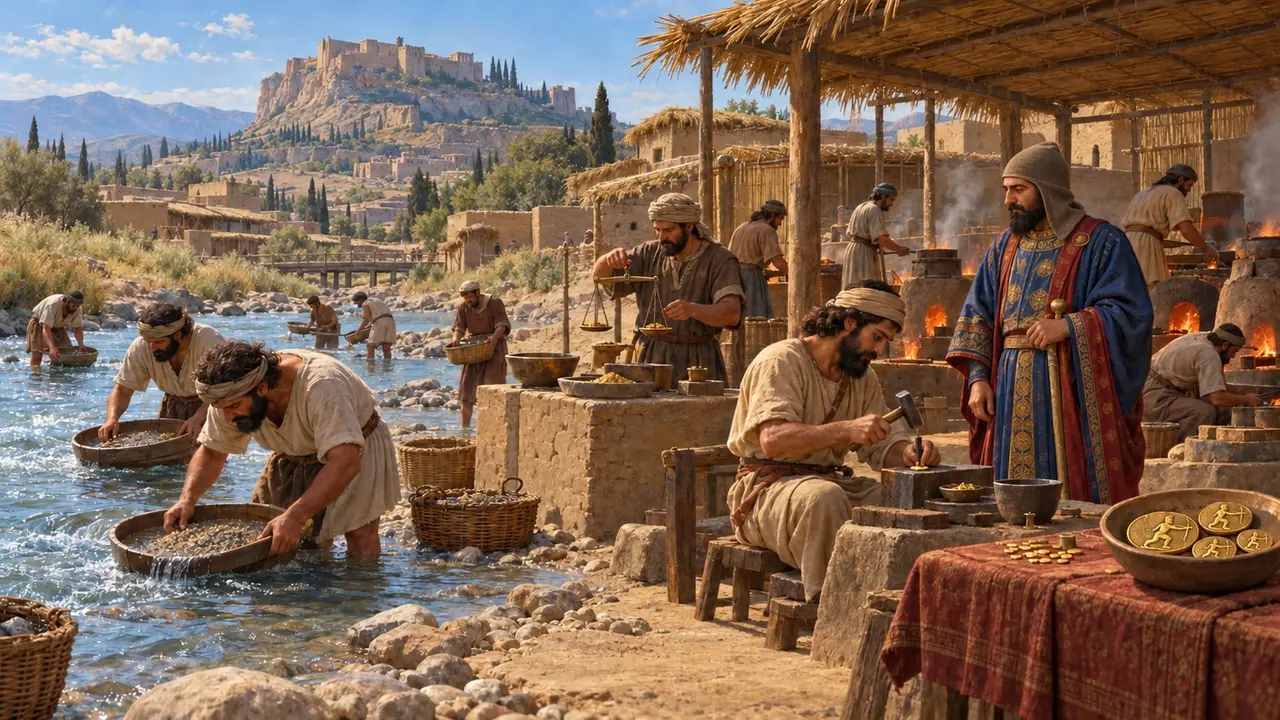
In the recordThe Lydians, says Herodotus, were the first to strike coins of gold and silver. Excavators found Sardis's gold refinery beside the Pactolus. Under the Persians the King's gold daric and silver siglos were struck here.
In the game: The Royal Mint turns the river's gold into silver for the treasury.
Herodotus 1.93-94; A. Ramage and P. Craddock, King Croesus' Gold (2000)
Miletus falls
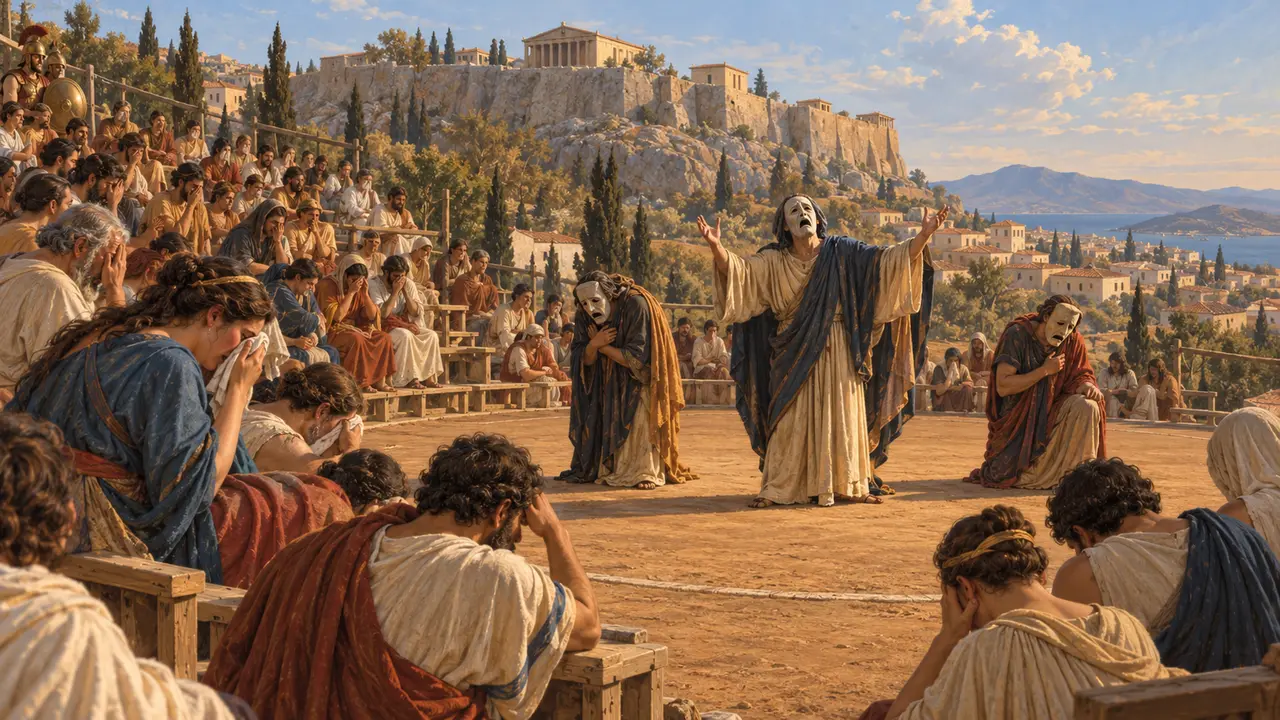
Ancient accountMiletus was stormed, its temple at Didyma burned and its people sent to live on the Persian Gulf. In Athens, Phrynichus staged 'The Capture of Miletus'; the audience wept, and he was fined a thousand drachmas for reminding them.
Herodotus 6.18-21
The peace of Artaphernes
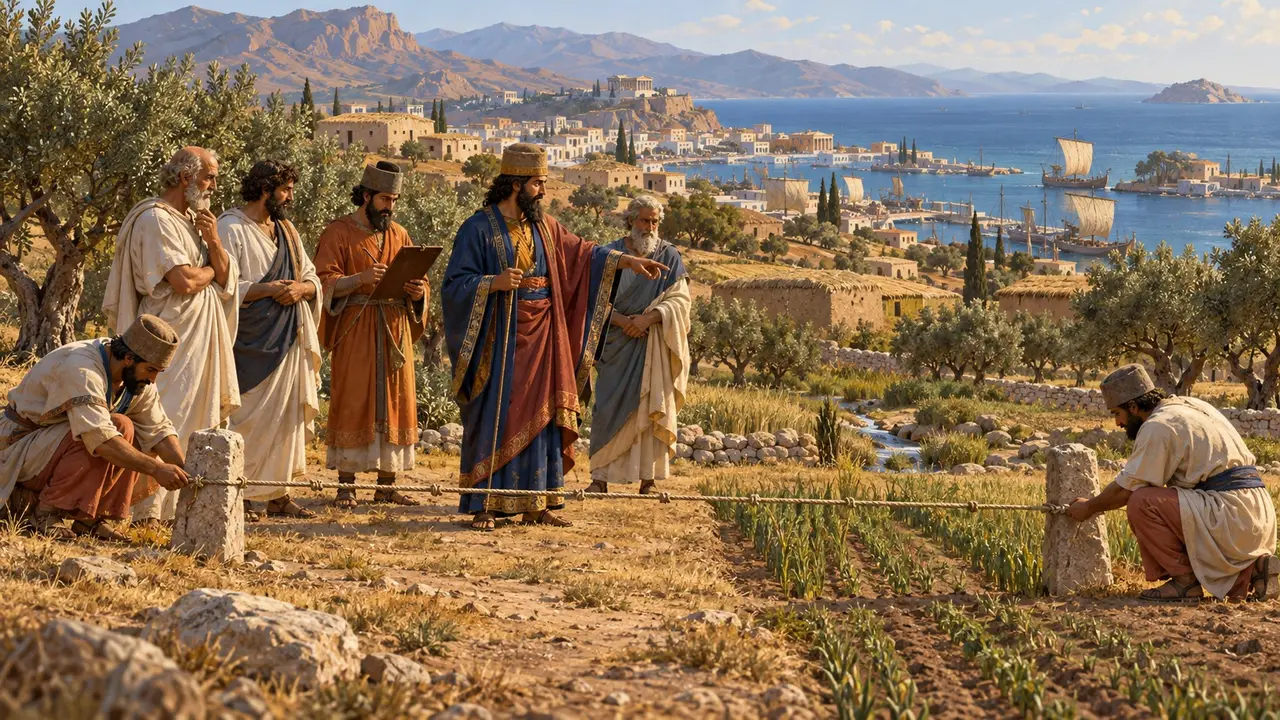
Ancient accountAfterwards Artaphernes measured the Ionians' lands, fixed their tribute and made the cities settle disputes by law, not war. In 492 Mardonius removed the tyrants and let the cities govern themselves as democracies.
Herodotus 6.42-43
Read next: the topics of Sardis Burns
Battles and events
The striking of the daric · The siege of Naxos · The Ionian Revolt · The burning of Sardis · The revolt of Cyprus · The battle of Lade · The fall of Miletus
Buildings
Perfumer's Workshop · Citadel of Sardis · Pactolus Gold Refinery · Royal Mint · Phoenician Shipyard
Soldiers and ships
Phoenician Marine · Greek hoplites · Levies of the subject peoples
People
Darius the Great · Histiaeus of Miletus · Aristagoras of Miletus · Cleomenes · Artaphernes · Mardonius · Melanthius
Peoples
The Persians · The Elamites · The Lydians · The Ionians · The Phoenicians · The Athenians · The Eretrians · The Samians · The Chians · The Lesbians · The Mysians
Wildlife and weather
Deer · The wild boar · The white stork · The hare · The fox · Wild ducks · The heron · The kite · The rock dove · The jackdaw · The crane · The swallow · Bats · The little owl · The hooded crow · Morning mist