Encyclopedia › Battles and events
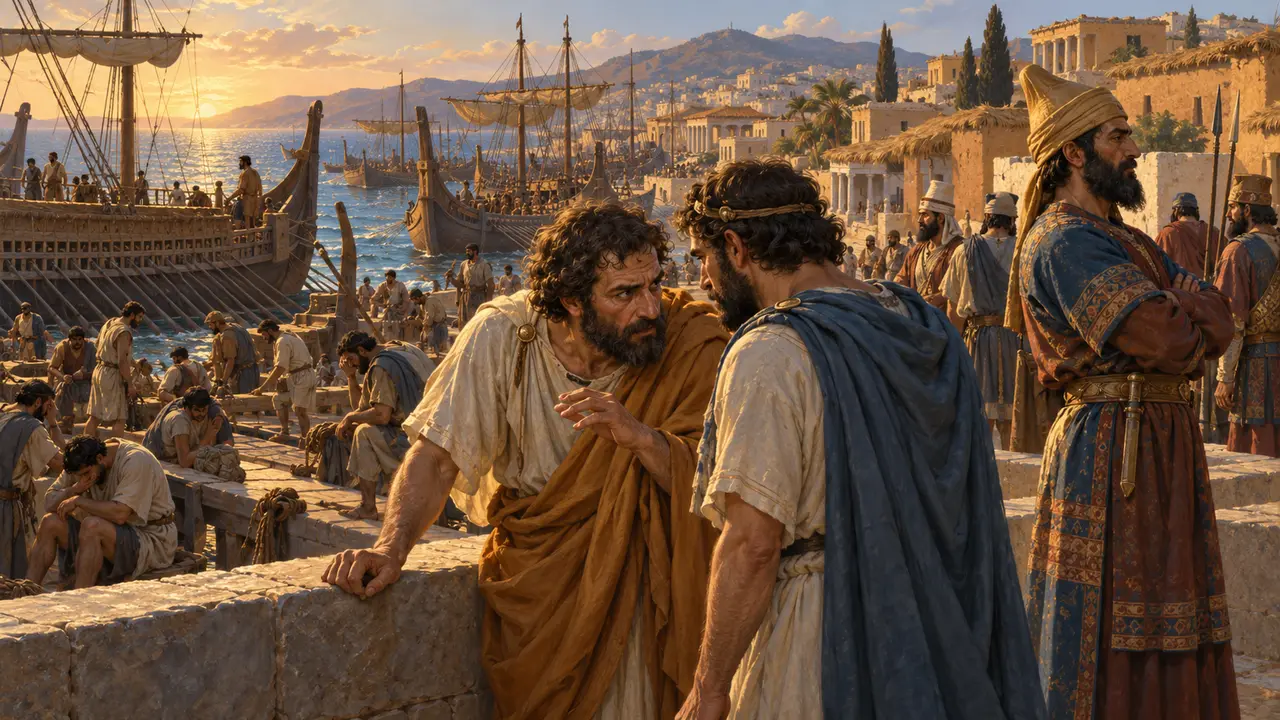
The siege of Naxos
Failed Persian and Milesian attack on the island of Naxos, 499 BCE
In the game: Level 7: Sardis Burns
About 500 Aristagoras, deputy ruler of Miletus, persuaded the satrap Artaphernes to send a royal fleet to restore exiled Naxian aristocrats. The siege, usually dated to 499, lasted four months and failed. Herodotus makes it the immediate cause of the Ionian Revolt: Aristagoras, unable to keep his promises, turned against the King.
In the game: The Chronicle reports the failed four-month siege and Aristagoras's fear and debt, following Herodotus 5.30-35. It gives his personal fear as the cause of the revolt, which is Herodotus's view; historians also weigh wider Ionian grievances.
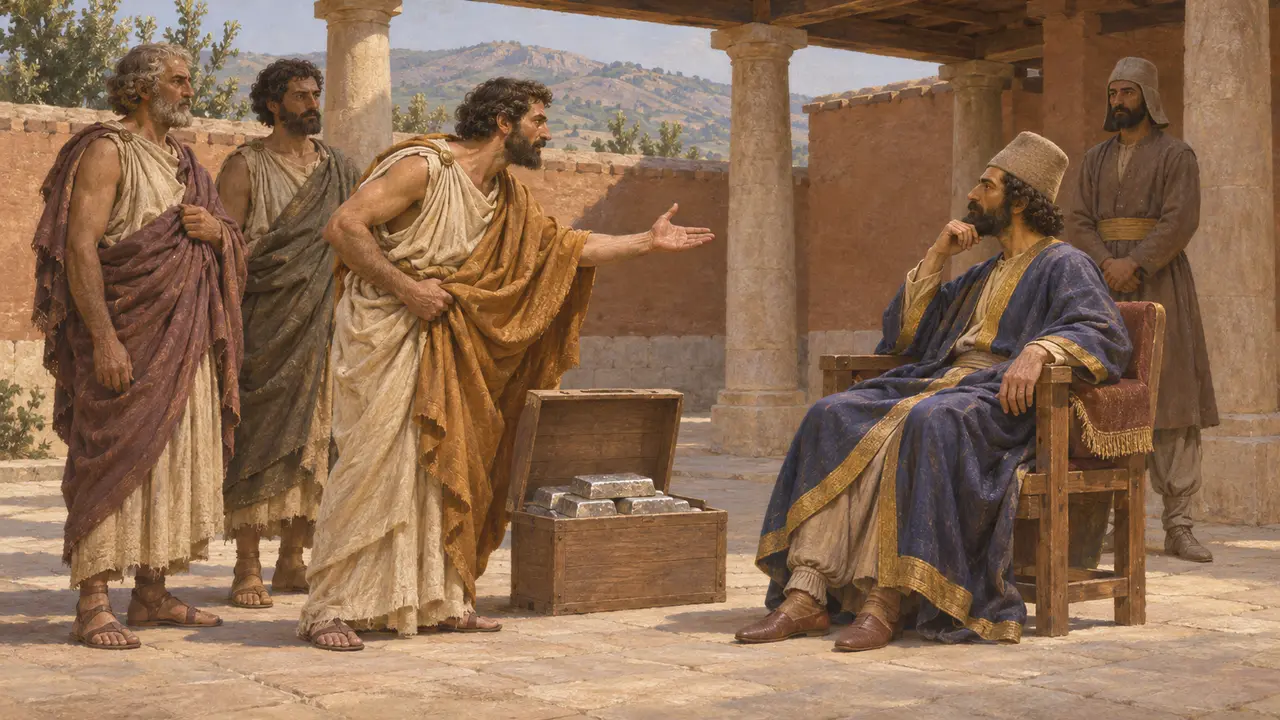
The exiles and the offer
Ancient accountHerodotus says that wealthy Naxians, driven out by the common people, came to Miletus for help. Aristagoras, governing the city for Histiaeus, who was held at the King's court, saw a chance for power. He told Artaphernes at Sardis that Naxos was rich, and that taking it would open Paros, Andros, the other Cyclades and even Euboea to the King. He offered to meet the cost of the army himself.
Herodotus 5.30-31
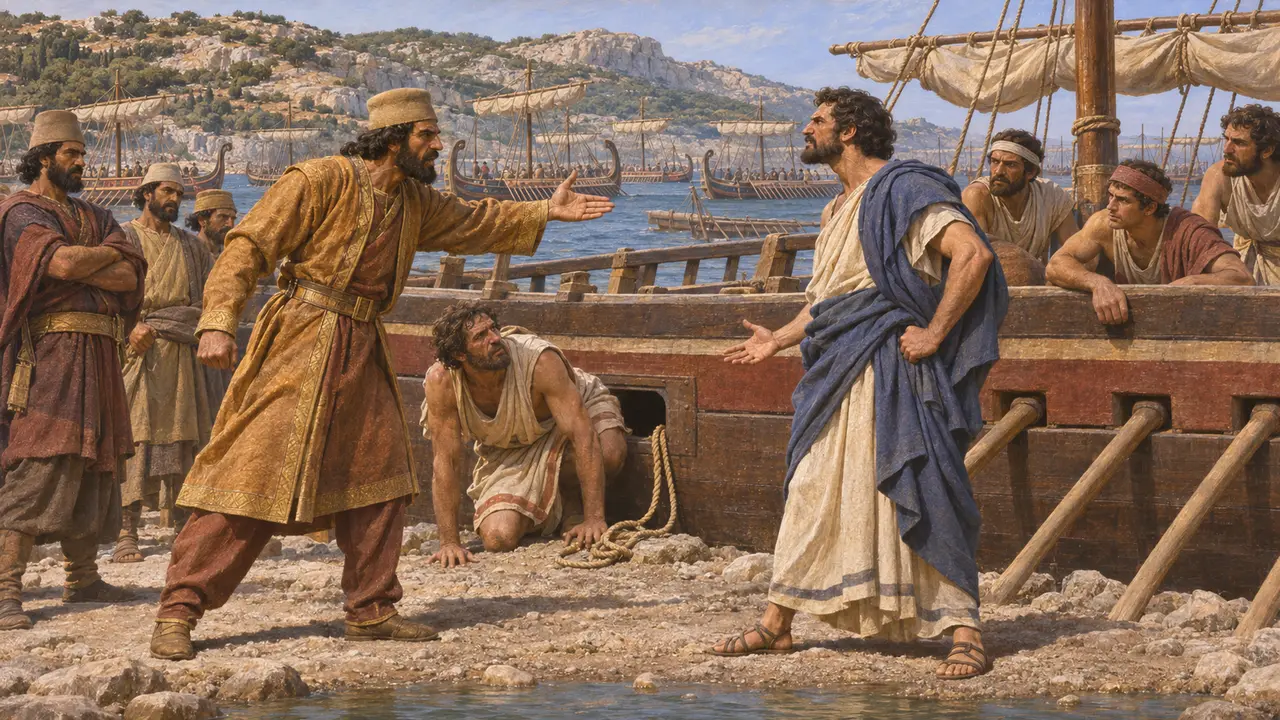
The King's fleet under Megabates
Ancient accountArtaphernes promised 200 ships once Darius approved, and gave the command to Megabates, an Achaemenid kinsman of both men. The fleet sailed as if bound for the Hellespont and waited at Caucasa on Chios for a north wind. There Megabates punished Scylax, captain of a ship from Myndus, by binding him through an oar-hole. Aristagoras freed him, and the two commanders quarrelled openly.
Herodotus 5.32-33
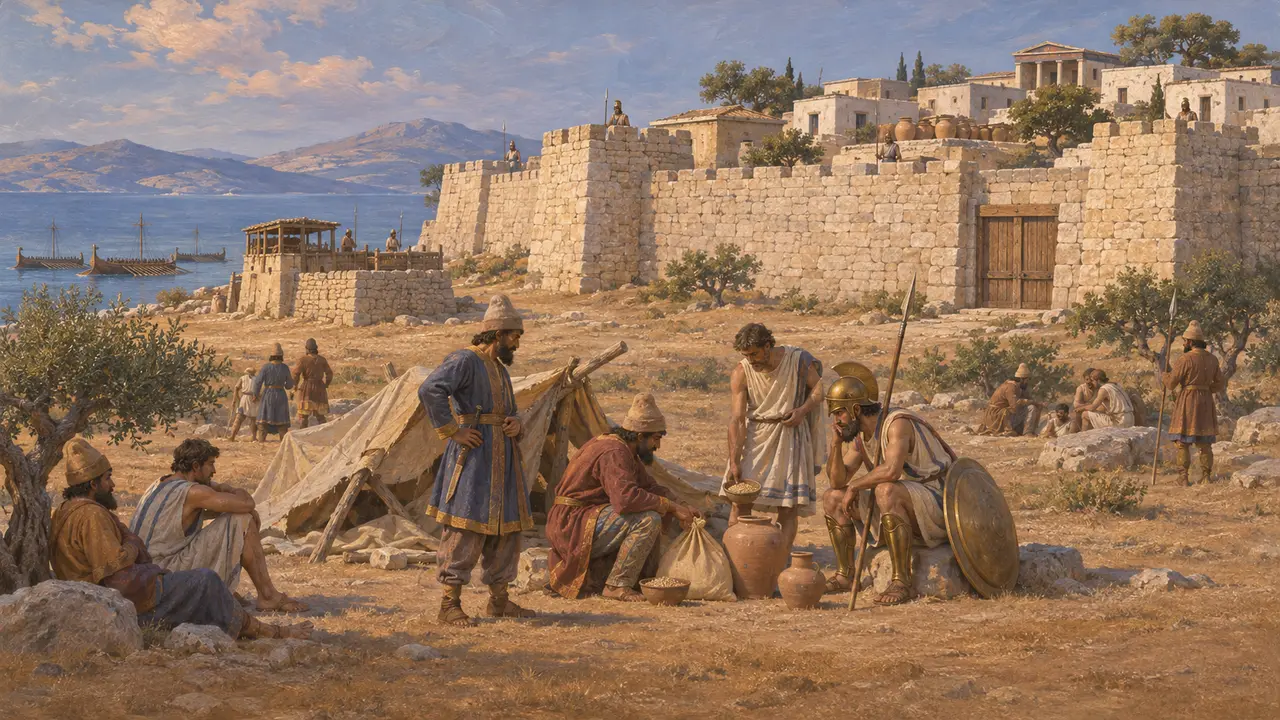
Four months before the walls
Ancient accountWarned in time, the Naxians brought their goods inside the walls and laid in food and water. Herodotus says the besiegers sat outside for four months until their money ran out, Aristagoras having spent heavily as well. They built forts on the island for the exiles and sailed back to Asia with nothing gained. Naxos fell to the Persians only in 490, when Datis burned the town.
Herodotus 5.34; 6.96
Betrayal and the causes of revolt
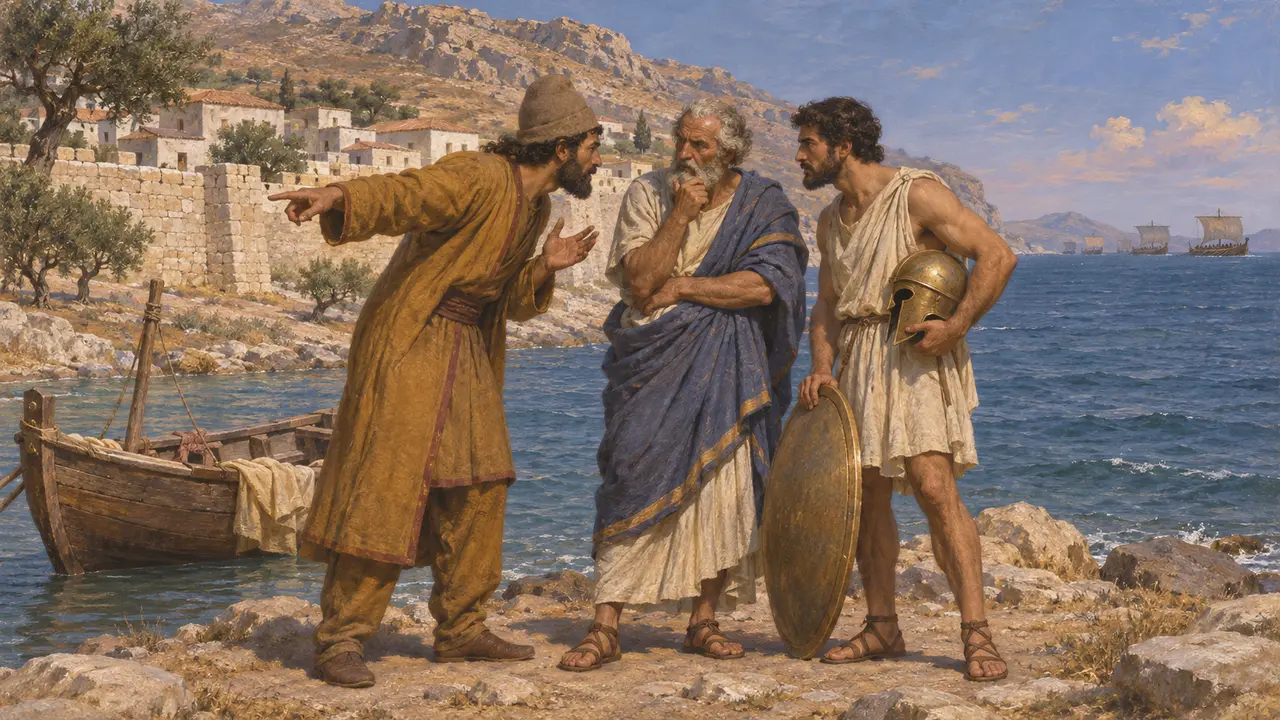
DisputedHerodotus says Megabates himself warned the Naxians out of anger at Aristagoras. Some historians doubt this and suspect a story told afterwards to excuse the failure. No Persian record of the campaign survives. Herodotus also explains the revolt through Aristagoras's fear for his position; modern scholars add wider causes, such as resentment of Persian-backed tyrants and the burden of royal rule on the Ionian cities.
Herodotus 5.33-35; O. Murray, 'The Ionian Revolt', Cambridge Ancient History IV, 1988

The message on a slave's head
Later legendHerodotus adds that at this moment a slave arrived from Histiaeus at Susa. Histiaeus had shaved his head, tattooed on it an order to revolt, and sent him once the hair grew back. The tale, with its neat timing and hidden message, reads more like a story told in Ionia afterwards than a firm record of how the revolt began.
Herodotus 5.35
Sources
- Herodotus 5.28-38
- P. Briant, From Cyrus to Alexander, 2002
- O. Murray, 'The Ionian Revolt', Cambridge Ancient History IV, 1988
- P. B. Manville, 'Aristagoras and Histiaios: the leadership struggle in the Ionian revolt', Classical Quarterly 27, 1977
- P. Georges, 'Persian Ionia under Darius: the revolt reconsidered', Historia 49, 2000