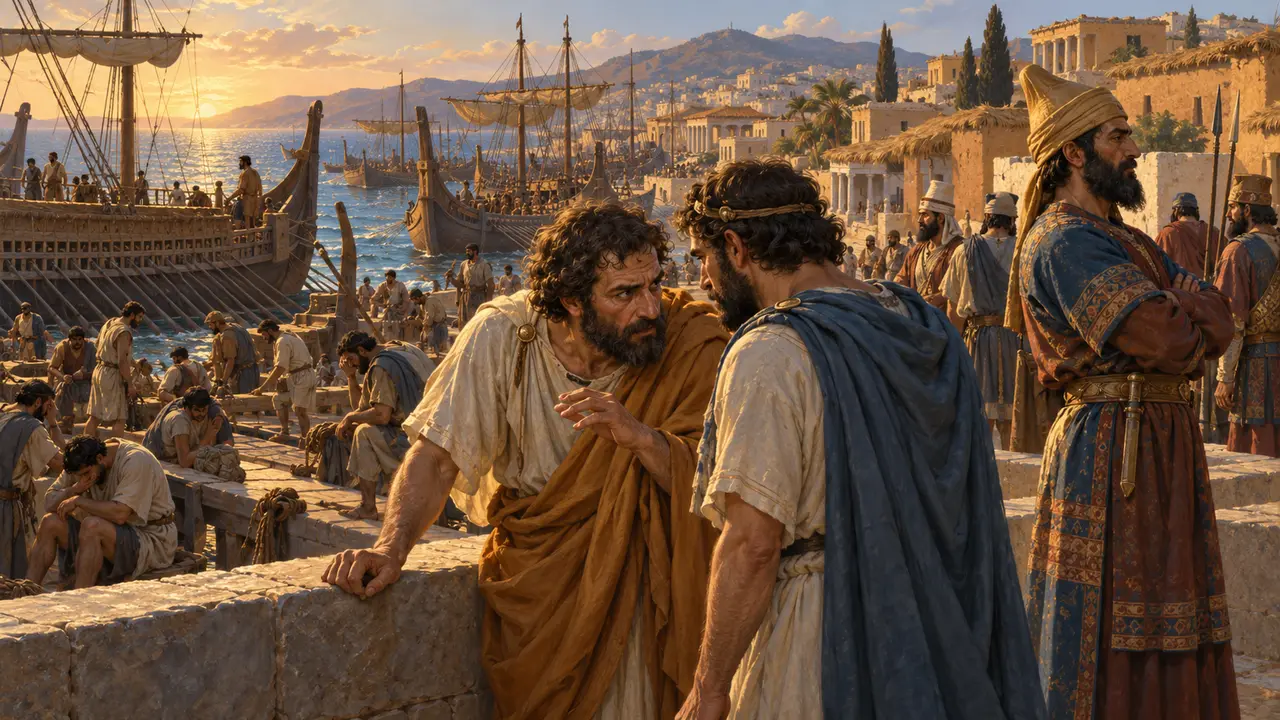
Megabates
Persian commander of the fleet sent against Naxos, about 500 BCE
Megabates was a Persian of the Achaemenid house who commanded the allied fleet in the attack on Naxos. Herodotus says he quarrelled with Aristagoras of Miletus, and that the failure of the expedition pushed Aristagoras towards revolt. Only Herodotus tells the story in any detail.
In the game: Megabates has no mechanic of his own. He is named only in the event articles on the siege of Naxos and the Ionian Revolt, where he appears as the Persian fleet commander.
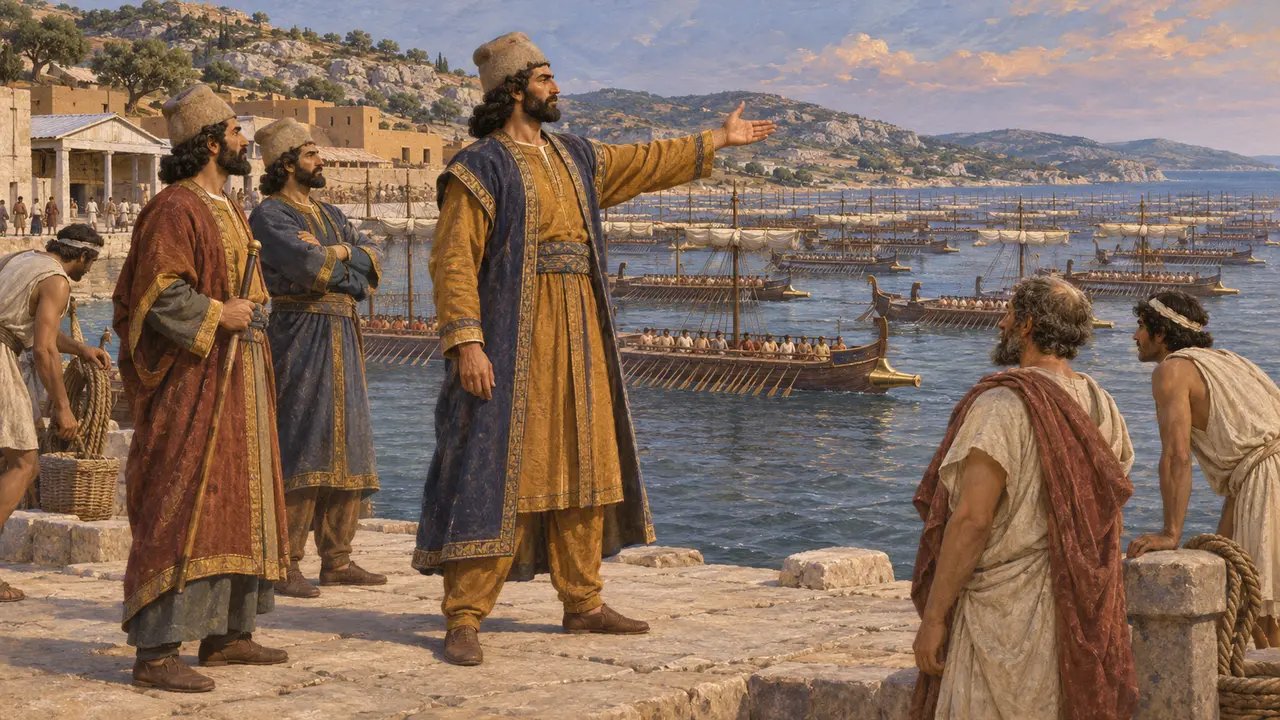
Commander of the Naxos fleet
Ancient accountHerodotus says Aristagoras, who governed Miletus for the Persians, persuaded the satrap Artaphernes to attack Naxos. Darius approved, and Megabates was appointed to command the fleet of 200 ships. Herodotus calls him a Persian of the Achaemenid family, related to Darius.
Herodotus 5.30-32
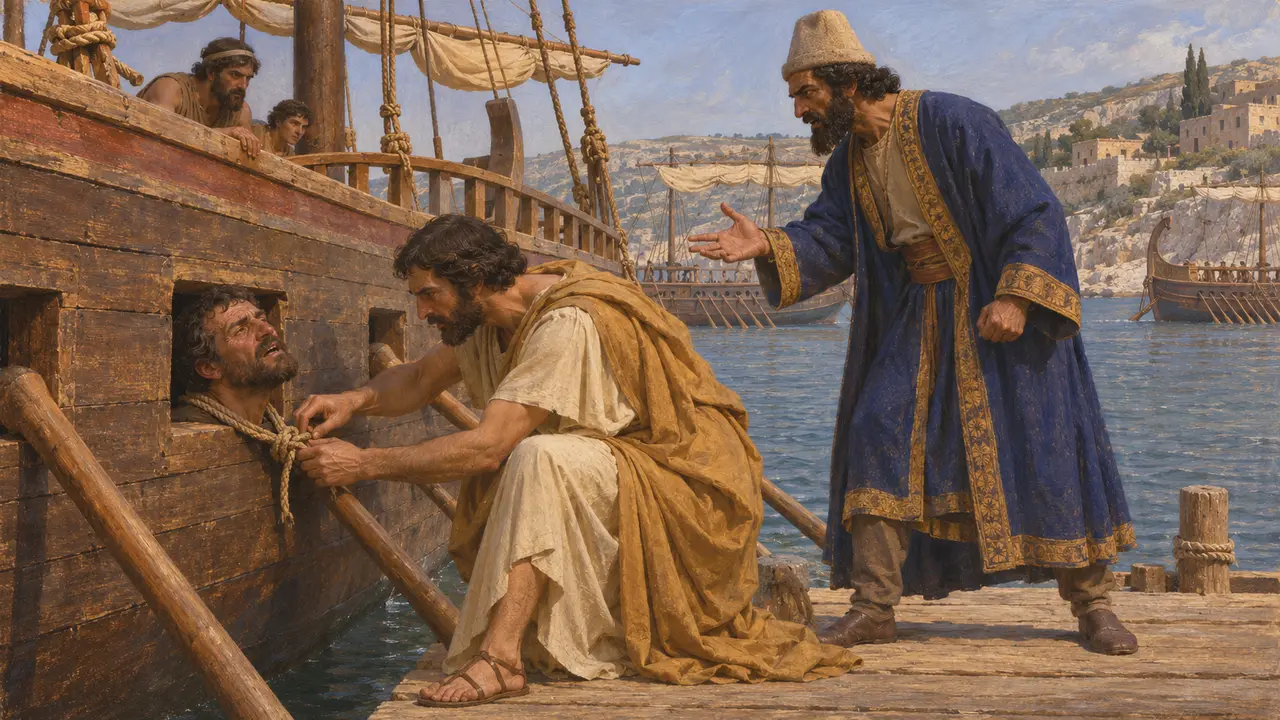
The quarrel with Aristagoras
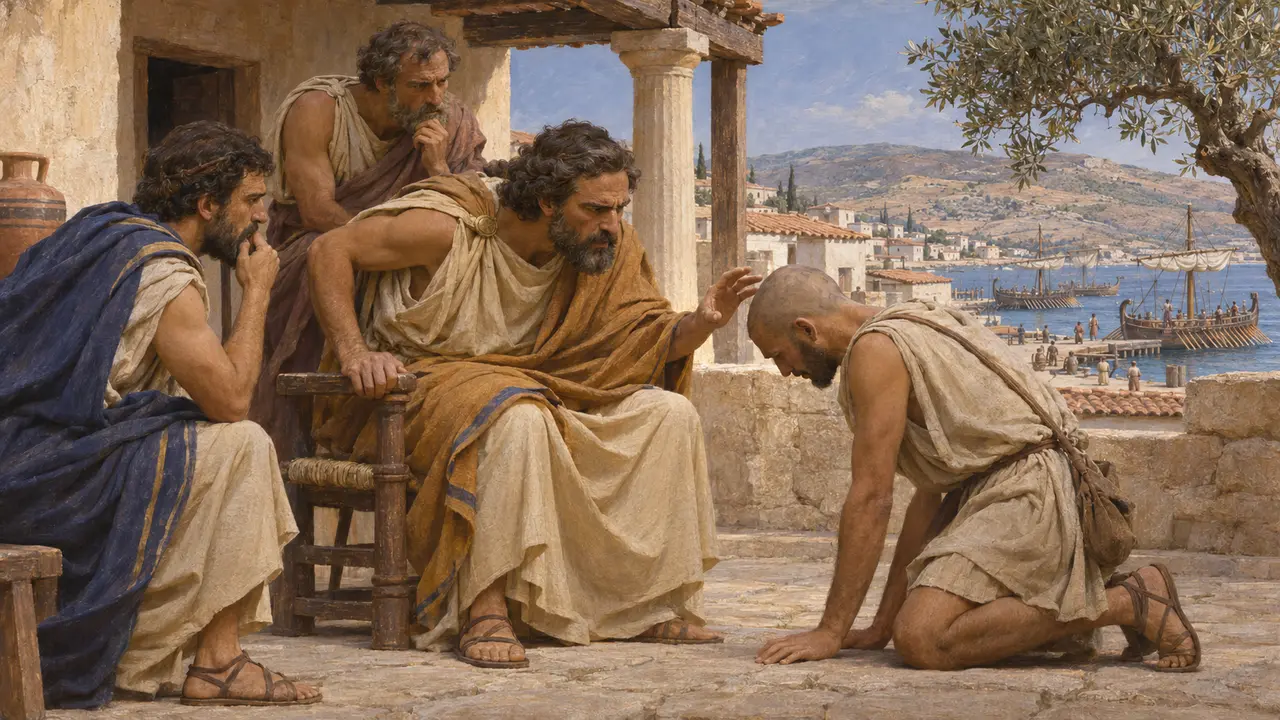
Ancient accountHerodotus says Megabates inspected the ships and found a vessel from Myndus with no sentry posted. He had its captain, Scylax of Myndus, bound in an oar-port with his head outside the ship. Aristagoras protested and freed the man himself, and Megabates, angry at the insult, is said to have sent word to the Naxians of the coming attack.
Herodotus 5.33
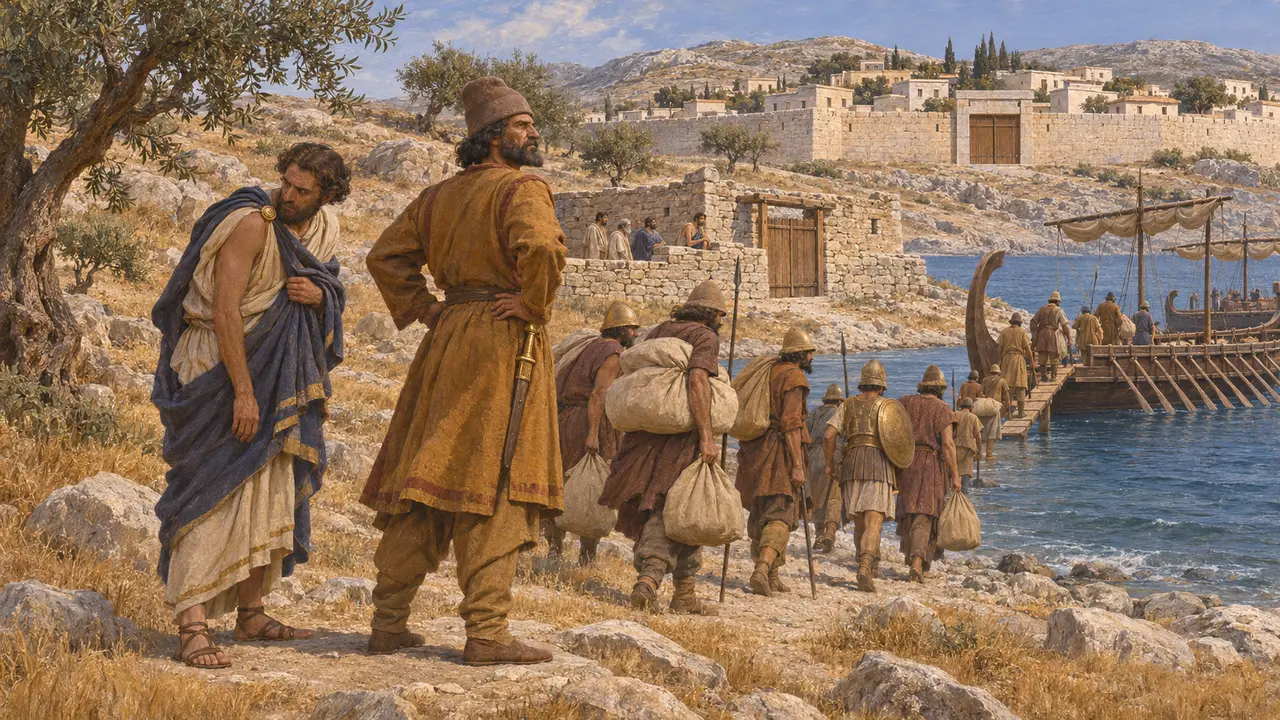
Failure of the siege
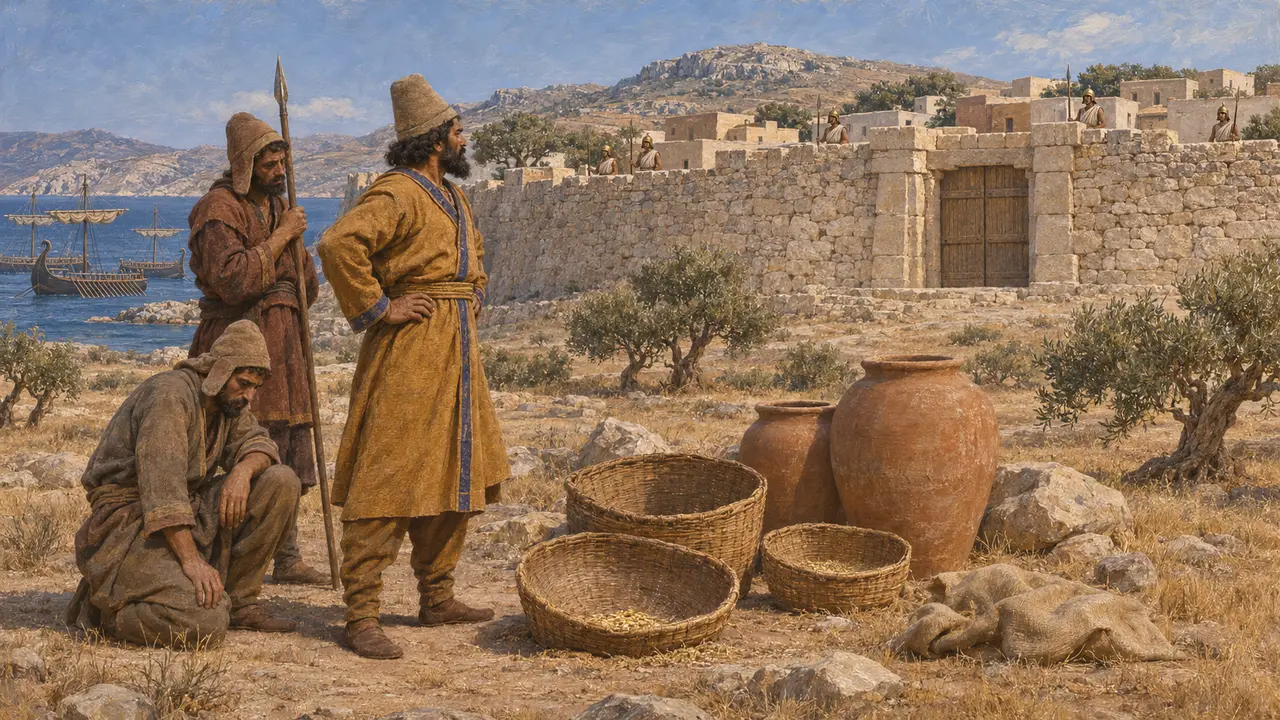
Ancient accountWarned in advance, the Naxians brought their goods inside the walls and prepared for a siege. Herodotus says the Persians besieged the city for four months, spent their money and Aristagoras's own, and withdrew after building forts for Naxian exiles. Aristagoras was left unable to pay what he had promised and feared the King's anger.
Herodotus 5.34
How reliable is the story
DisputedThe tale of a personal feud makes Megabates the cause of a failure, but modern historians doubt that one quarrel explains so large an event. The story may reflect a tradition that shifted blame onto a Persian, and a four-month siege defeated by supplies and a determined defence is plausible without any treachery.
P. Briant, From Cyrus to Alexander, 2002
Aftermath
Ancient accountHerodotus does not follow Megabates after Naxos. He says Aristagoras, fearing the consequences, was then urged to revolt by a message from Histiaeus, and so began the Ionian Revolt.
Herodotus 5.35
Sources
- Herodotus 5.30-35
- P. Briant, From Cyrus to Alexander, 2002