The Phoenicians
Seafaring city-states of the Levant coast under Persian rule, about 539-479 BCE
In the game: Level 2: The Spear-bearer, Level 5: The Charter, Level 7: Sardis Burns
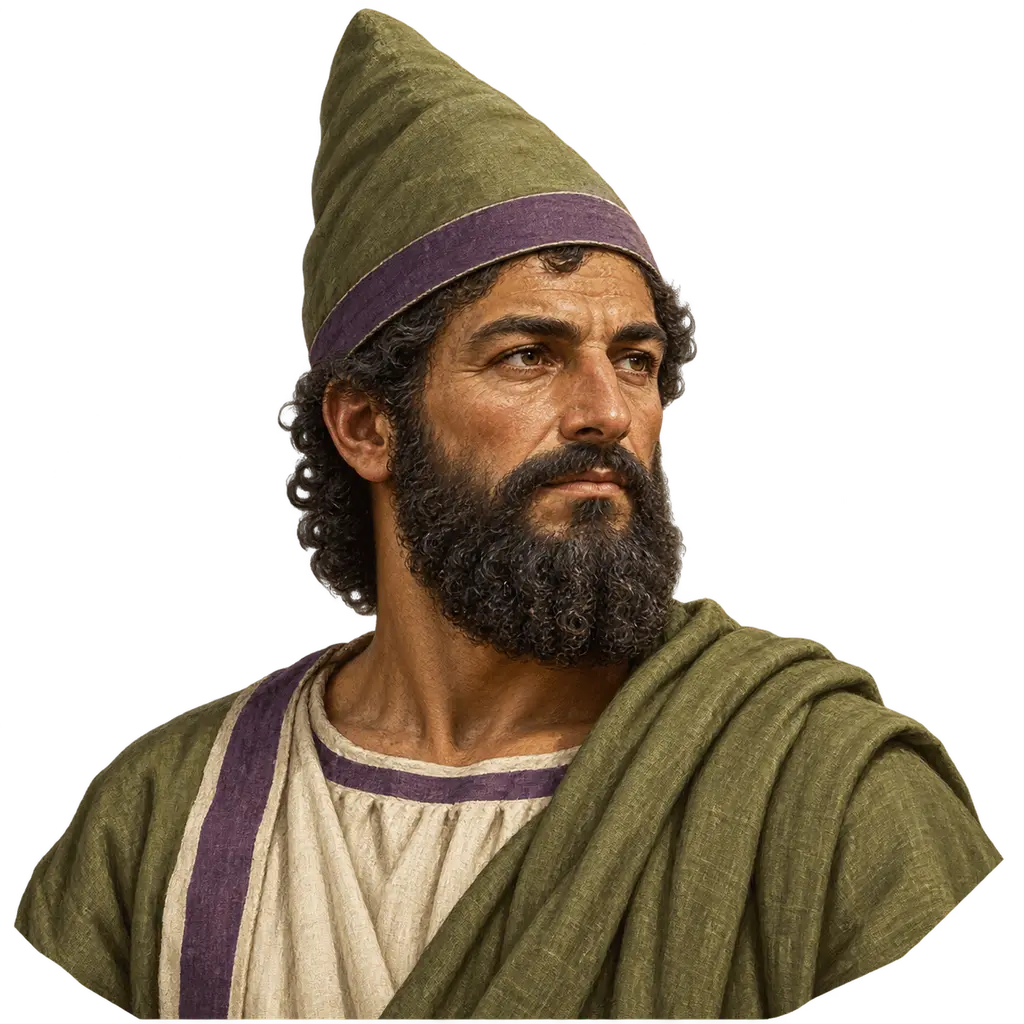
The Phoenicians lived in the coastal city-states of the Levant, chief among them Sidon, Tyre, Byblos and Arwad. Under Persian rule they kept their own kings and supplied the core of the King's navy, from Cambyses' invasion of Egypt in 525 to Xerxes' war on Greece in 480. Herodotus counts their ships the best in the Persian fleet.
In the game: The game makes the Phoenicians a trade partner and gives them marines, the King's best ships and the Phoenician Shipyard. Herodotus says each ship carried its own native fighters alongside thirty Persians, Medes or Saka.
Cities that came over to Persia
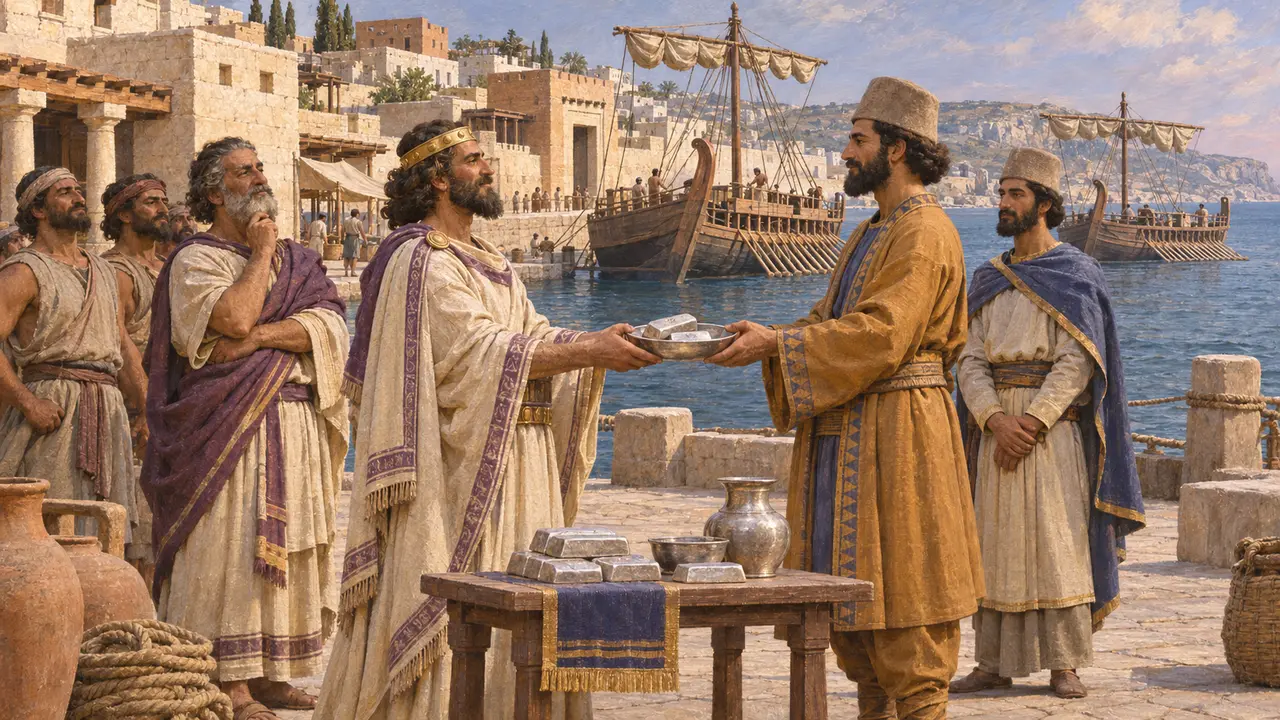
Ancient accountHerodotus says the Phoenicians gave themselves to the Persians of their own accord, probably soon after Cyrus took Babylon in 539. Their cities kept their own kings and paid tribute. Herodotus puts them in the fifth tax district with Palestinian Syria and Cyprus, assessed at 350 talents of silver. When Cambyses planned to attack Carthage, they refused to sail against their own colony, and he let it drop because his fleet depended on them.
Herodotus 3.19; 3.91
The backbone of the royal fleet
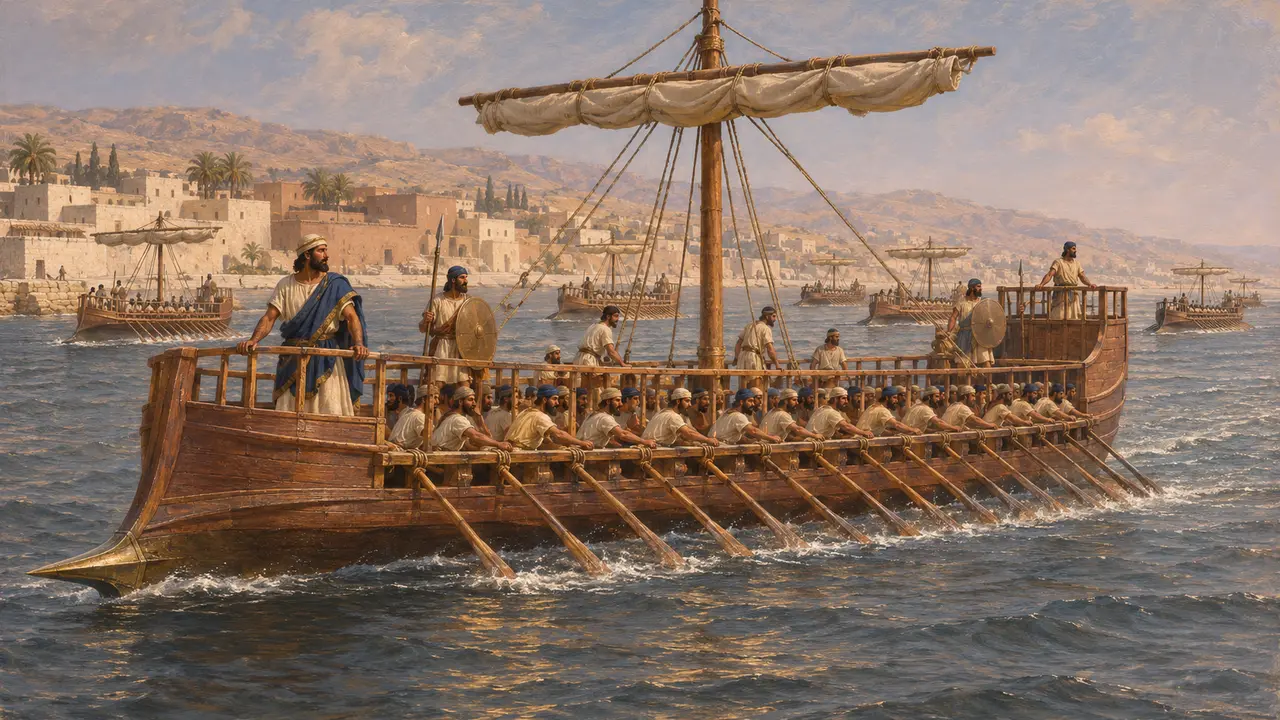
Ancient accountPhoenician ships formed the core of Cambyses' fleet against Egypt in 525. In 494 they led the fleet that broke the Ionian rebels off Lade, where Herodotus calls them the keenest of the King's crews. At Salamis in 480 they suffered heavily, and when some Phoenician captains blamed the Ionians, Xerxes had them beheaded, Herodotus says. In 479 the Persians sent the Phoenician squadron away before the battle at Mycale.
Herodotus 3.19; 6.6; 8.90; 9.96
Builders and sailors of Xerxes' war
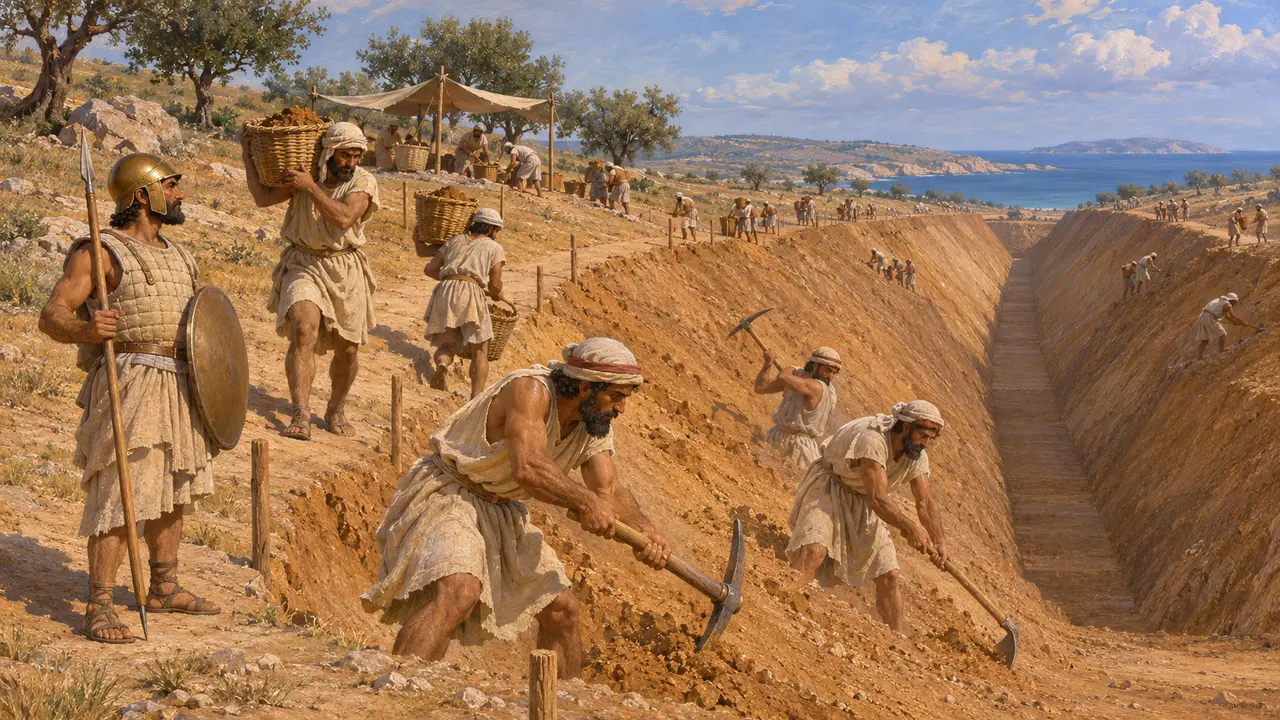
Ancient accountAt the Athos canal, Herodotus says, the Phoenicians alone cut their stretch wider at the top so the sides did not collapse. They made the flax cables for one Hellespont bridge, and the Egyptians made the papyrus ones. With the Syrians of Palestine they sent 300 triremes in 480, and the Sidonians won a ship race held for Xerxes at Abydos. Their crews wore helmets close to the Greek style and linen corslets, and carried rimless shields and javelins.
Herodotus 7.23; 7.34; 7.44; 7.89
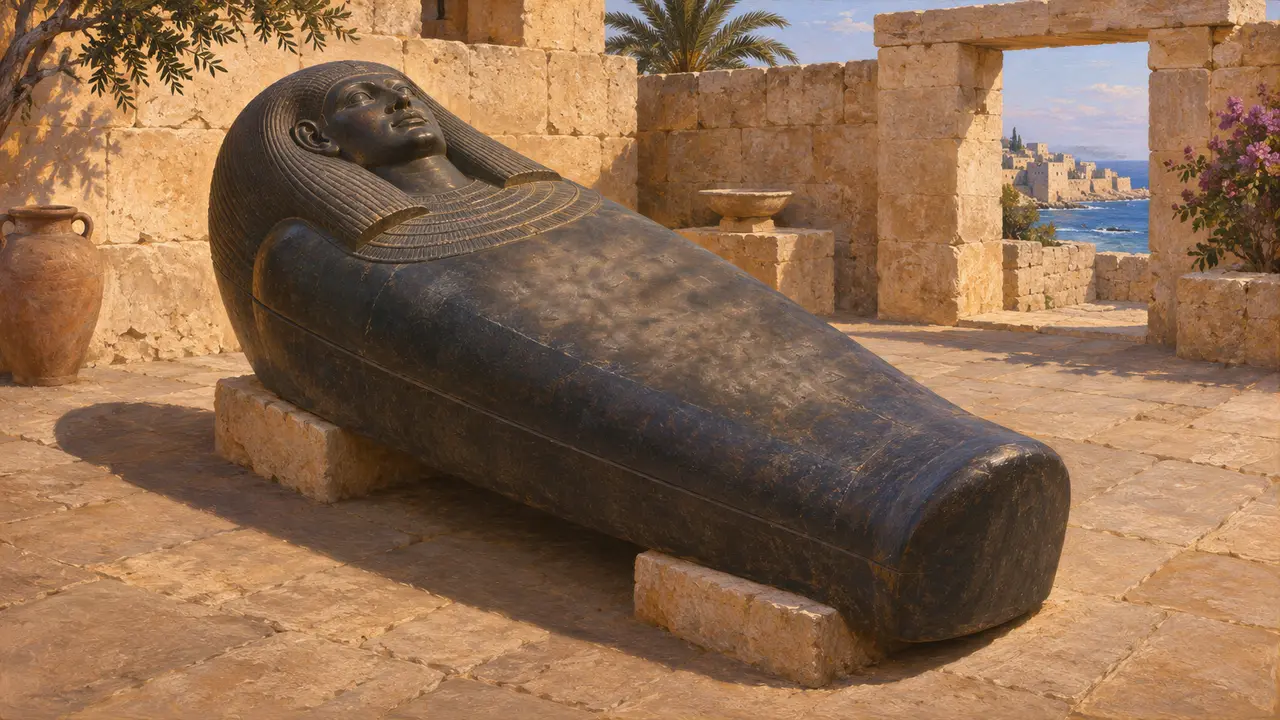
A king of Sidon and the Lord of Kings
DisputedThe stone coffin of Eshmunazar II, king of Sidon, carries a Phoenician inscription saying that the Lord of Kings gave Sidon the coastal towns of Dor and Joppa in return for its services. Most scholars take the Lord of Kings to be the Persian King. The date is argued: many now place it in the decades after 479, while others have proposed an earlier date. Either way it shows a Phoenician king presenting Persian favour as a gift to his city.
Eshmunazar II sarcophagus inscription (KAI 14); J. Elayi, The History of Phoenicia, 2018
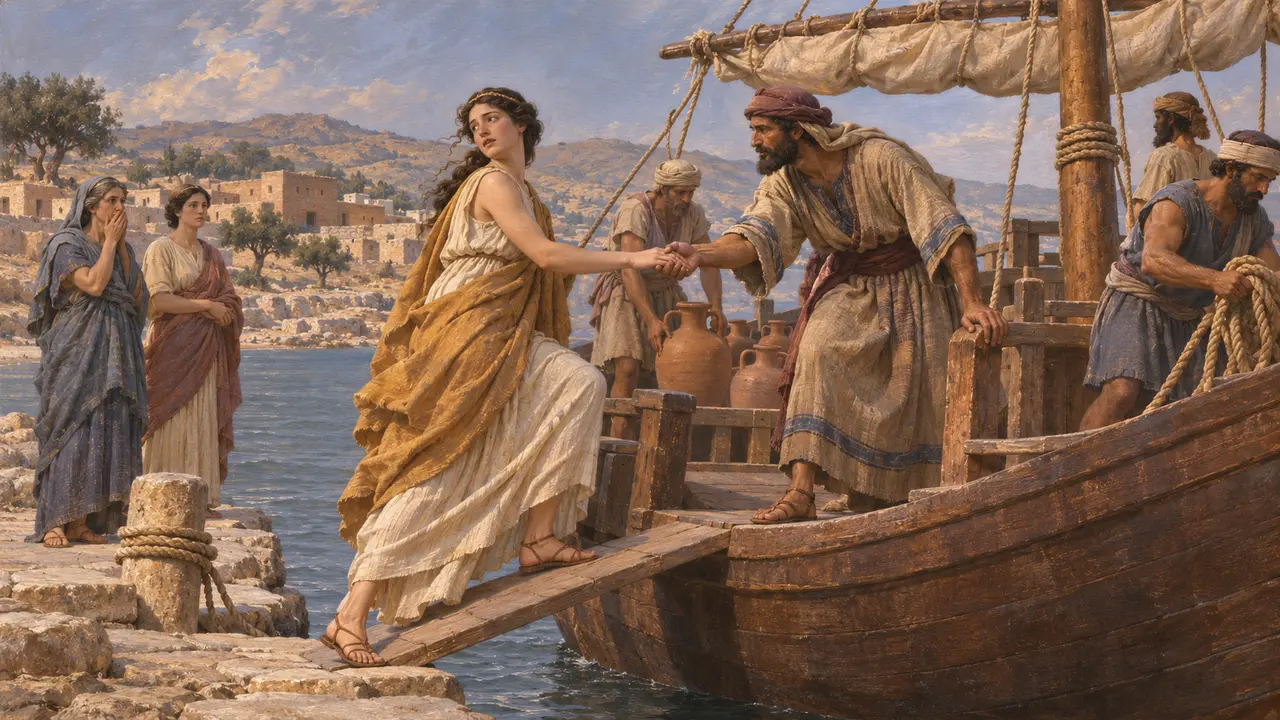
Who started the quarrel
Later legendHerodotus opens his work with a story he credits to learned Persians. In it, Phoenician traders at Argos carried off the king's daughter Io, starting a chain of abductions that ended at Troy and, in their telling, the hostility between Asia and Greece. He adds that the Phoenicians tell it differently, saying Io went with them willingly. It is a tale set in mythical times, not history.
Herodotus 1.1-1.5
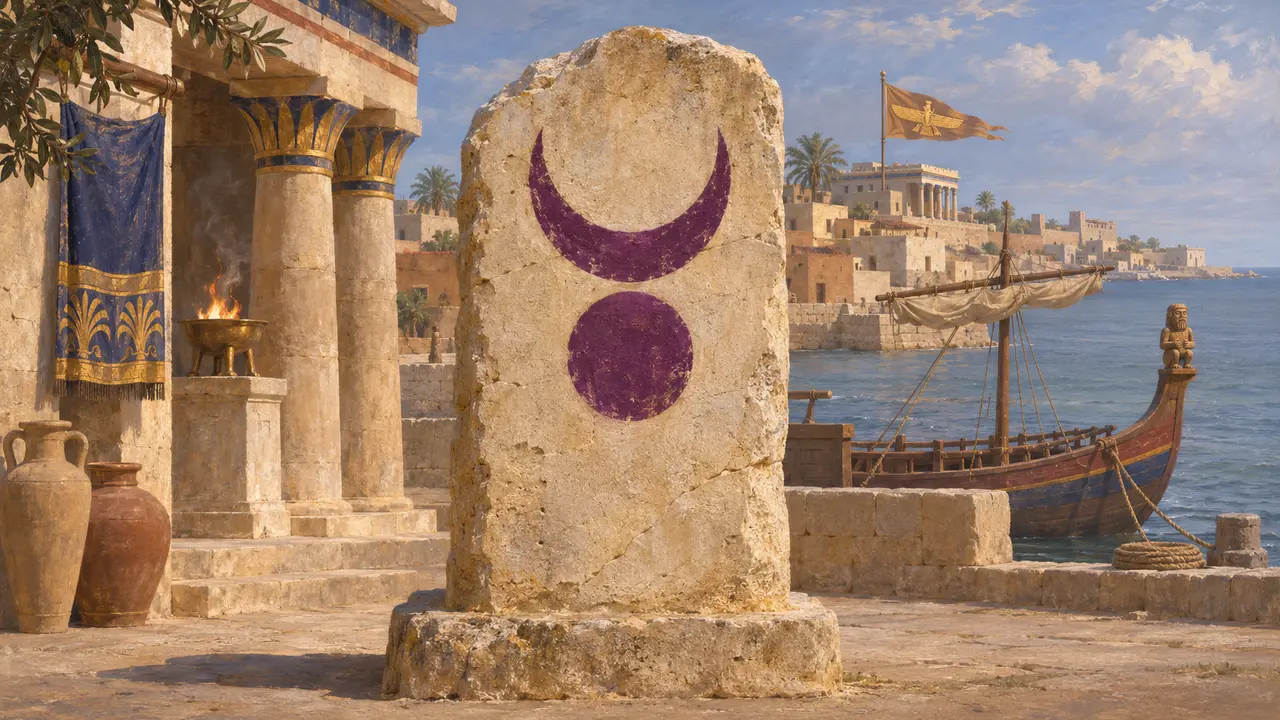
The emblem beside its name
DisputedThe game gives Phoenicia a crescent over a disc, a sign on Phoenician stelae and seals of the 8th to 5th centuries, in Tyrian purple. The galley of Sidon's coins and the coins of Tyre are not used: they begin after about 450. Herodotus says Phoenician ships carried small figures of gods, the pataikoi, on their prows.
G. Markoe, Phoenicians, 2000; Herodotus 3.37
Sources
- Herodotus, Histories
- J. Elayi, The History of Phoenicia, 2018
- P. Briant, From Cyrus to Alexander, 2002
- Eshmunazar II sarcophagus inscription (KAI 14)