Ephesus
Greek city on the Ionian coast of Asia Minor, site of a rebel defeat in 498 BCE
In the game: Level 7: Sardis Burns
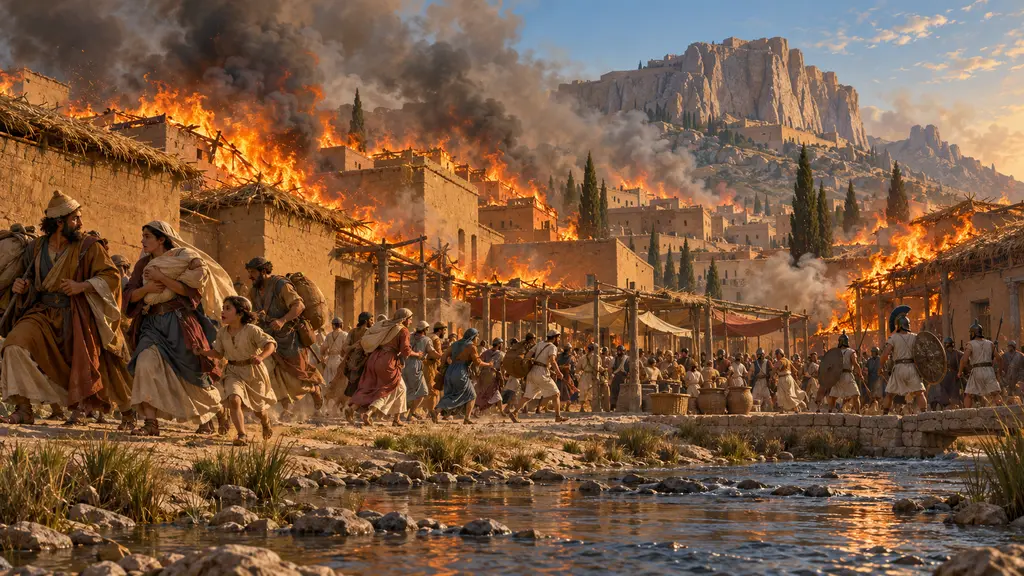
Ephesus was one of the Ionian Greek cities under Persian rule and the usual coastal starting point for the road inland to Sardis, the seat of the satrap. In 498 the Ionian rebels marched from its territory to burn Sardis, and on their return the Persians overtook them near the city and defeated them. Herodotus is the main source for the episode.
In the game: Ephesus has no level or mechanic of its own. The game mentions it only in the event articles on the battle of Ephesus and the burning of Sardis.
An Ionian city under Persian rule
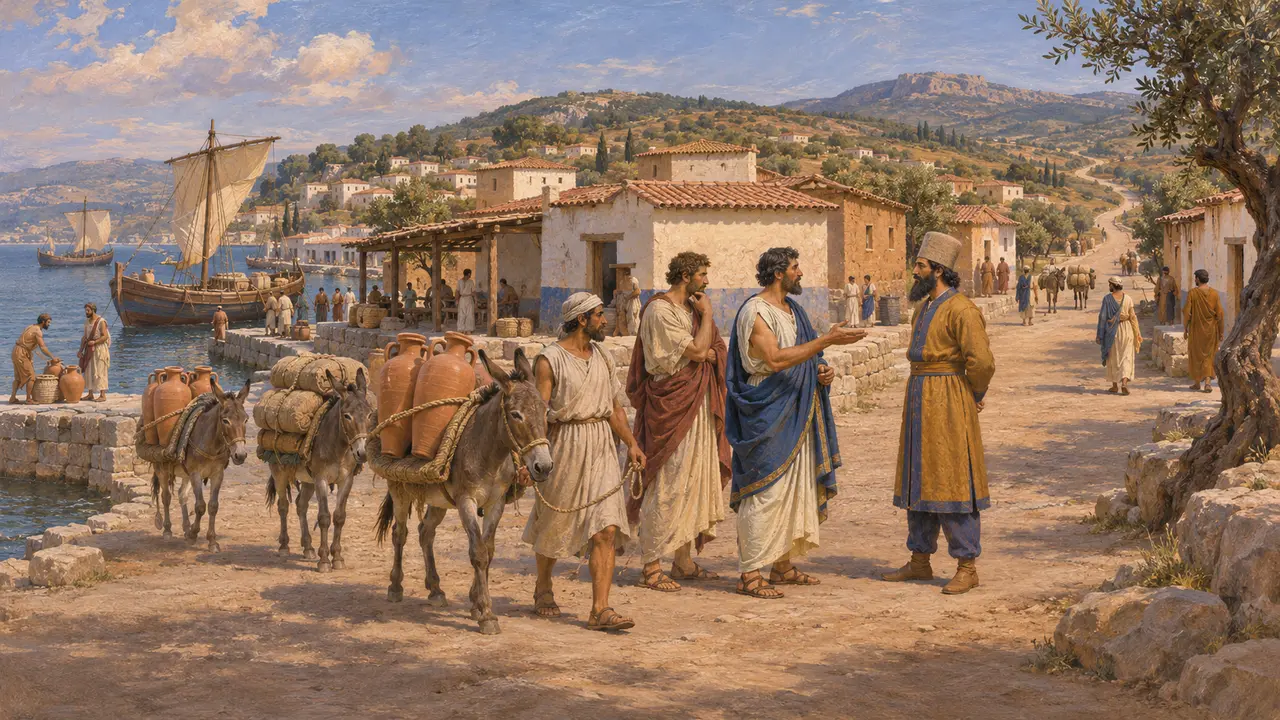
Ancient accountHerodotus counts Ephesus among the twelve Ionian cities of Asia Minor, and says that the Ionians came under Persian rule after Harpagus's campaigns on the coast in the time of Cyrus. In his account of the Royal Road he gives the stages of the route inland to Sardis. Ephesus was therefore well placed as a way between the sea and the interior.
Herodotus 1.142-143
The march on Sardis in 498
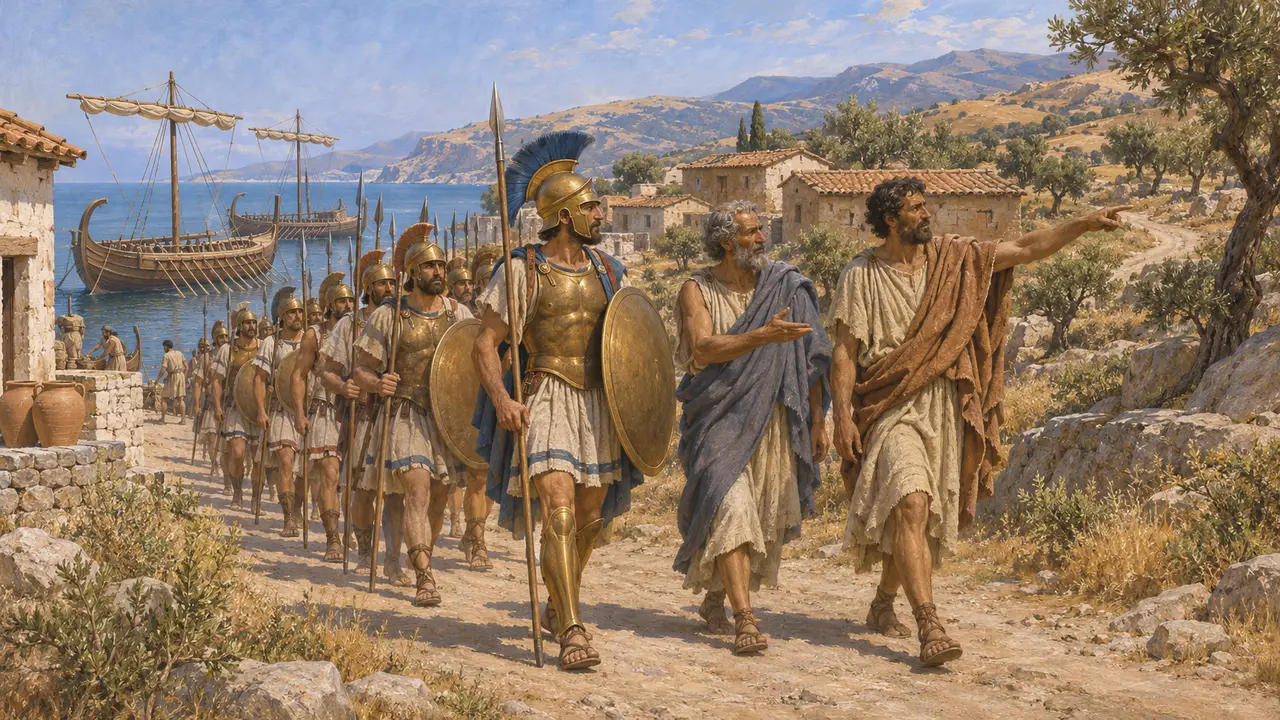
Ancient accountHerodotus says the Athenian and Eretrian ships brought the rebels to Coressus in Ephesian territory, and that they took Ephesian guides and marched inland. They took Sardis except the acropolis, which Artaphernes held. A fire started in a house and spread, and the sanctuary of the goddess Cybele was destroyed. Herodotus says the Persians later gave this as a reason for burning Greek temples.
Herodotus 5.100-102
The battle near Ephesus
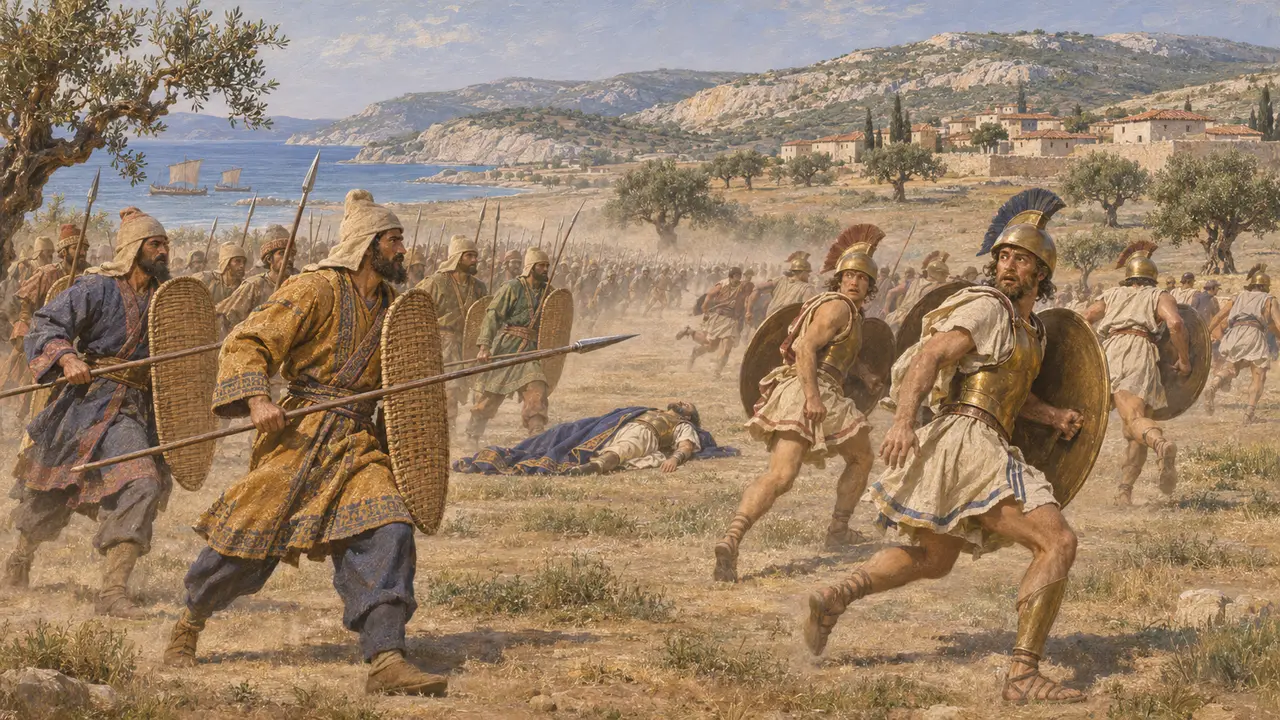
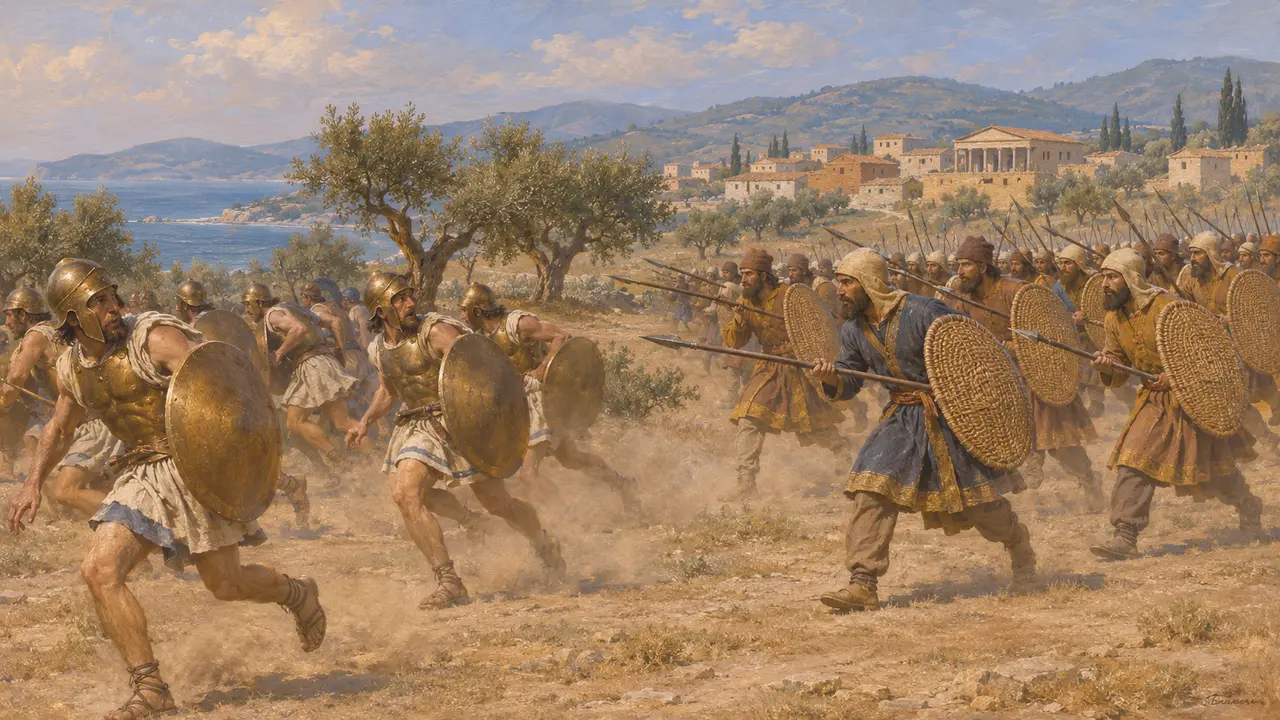
Ancient accountHerodotus says the Persians stationed west of the Halys gathered and followed the rebels, and overtook them near Ephesus. The Ionians were beaten, and many were killed, among them the Eretrian commander Eualcidas. The survivors scattered to their cities, and the Athenians, Herodotus says, then withdrew and refused further help to the Ionians.
Herodotus 5.102-103
What the sources allow
DisputedNo Persian inscription or tablet is known that describes the march or the battle, so the details rest on Herodotus. Historians generally accept the burning of Sardis and the defeat in outline, but they question how much weight he gives to Athenian involvement. His story that Darius vowed revenge on Athens after the fire is also debated.
Herodotus 5.105
Ephesus after the revolt
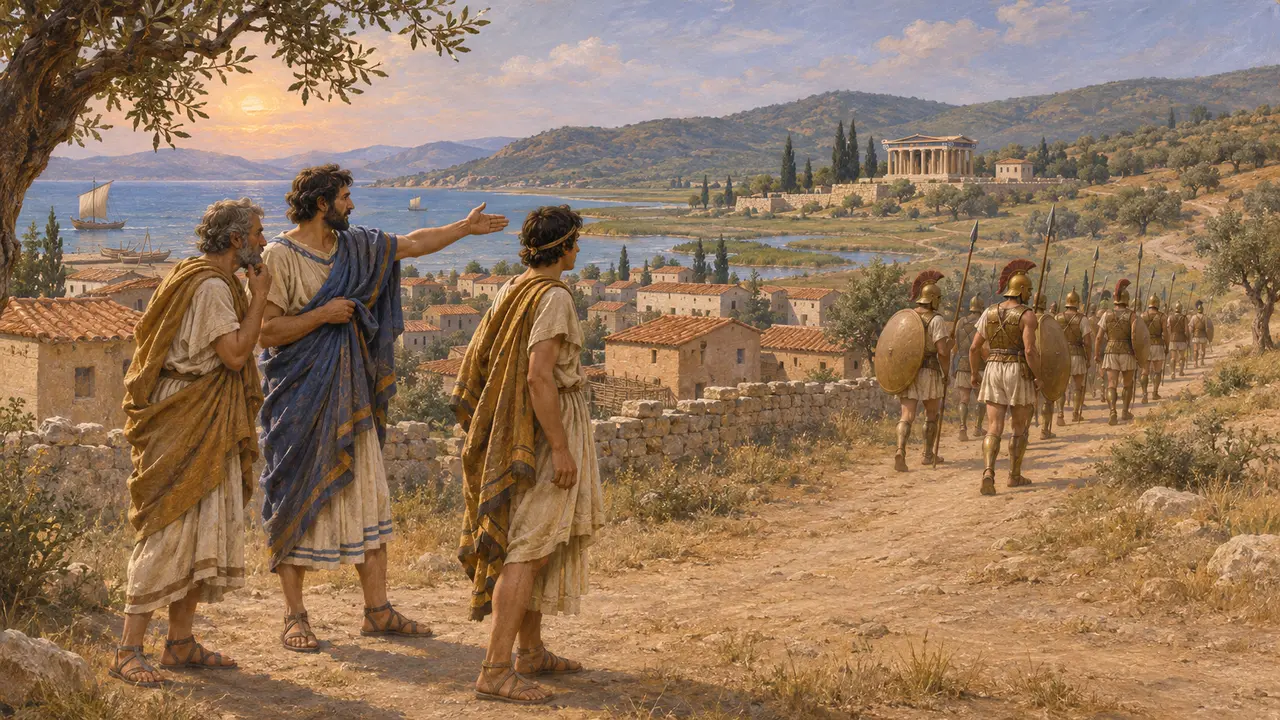
DisputedHerodotus does not describe a punishment of Ephesus in his account of the end of the revolt, but this silence proves little. Scholars debate how far the Ephesians took part in the rising, since Herodotus has Ephesians guiding the rebels yet has them avoid the final fighting. The question cannot be settled from the surviving sources.
Herodotus 6.7-32
Sources
- Herodotus 5.100-103
- Herodotus 5.54
- Herodotus 1.142-143
- Herodotus 5.105
- P. Briant, From Cyrus to Alexander, 2002