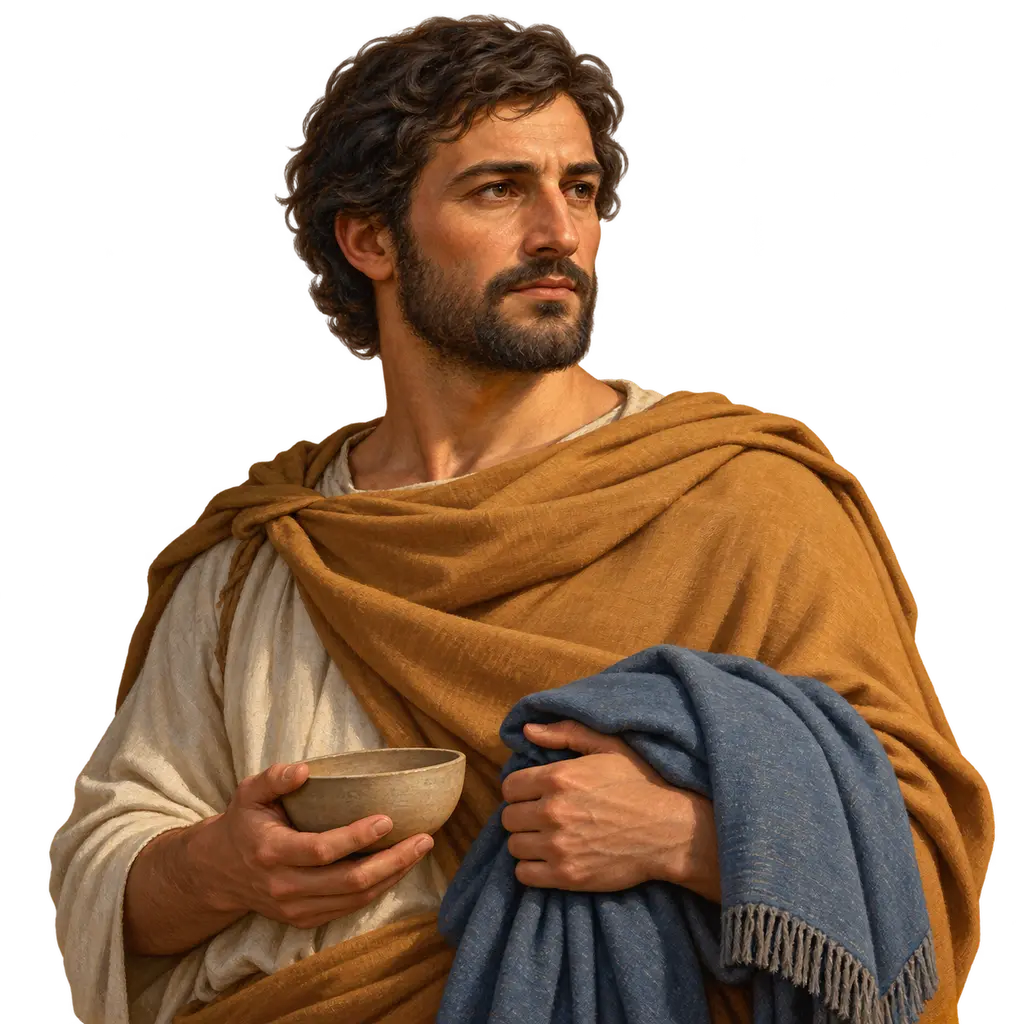
The Ionians
Greek cities of the Aegean coast of Asia Minor under Persian rule, 540s-479 BCE
In the game: Level 6: The Bridge of Boats, Level 7: Sardis Burns, Level 8: The Bay of Marathon
The Ionians were Greek-speaking cities on the west coast of Asia Minor and the nearby islands, ruled by Persia from the 540s. They paid tribute, cut stone for Darius, and built and crewed ships for the King. Their revolt of 499 to 494 drew Athens and Eretria into a quarrel that led to Marathon and to Xerxes' invasion.
In the game: The game shows the Ionians as trade partners, levies and shipwrights, as hoplites in the revolt at Sardis and as squadrons at sea. These roles match the sources, though the game treats a dozen separate, often rival cities as one people.
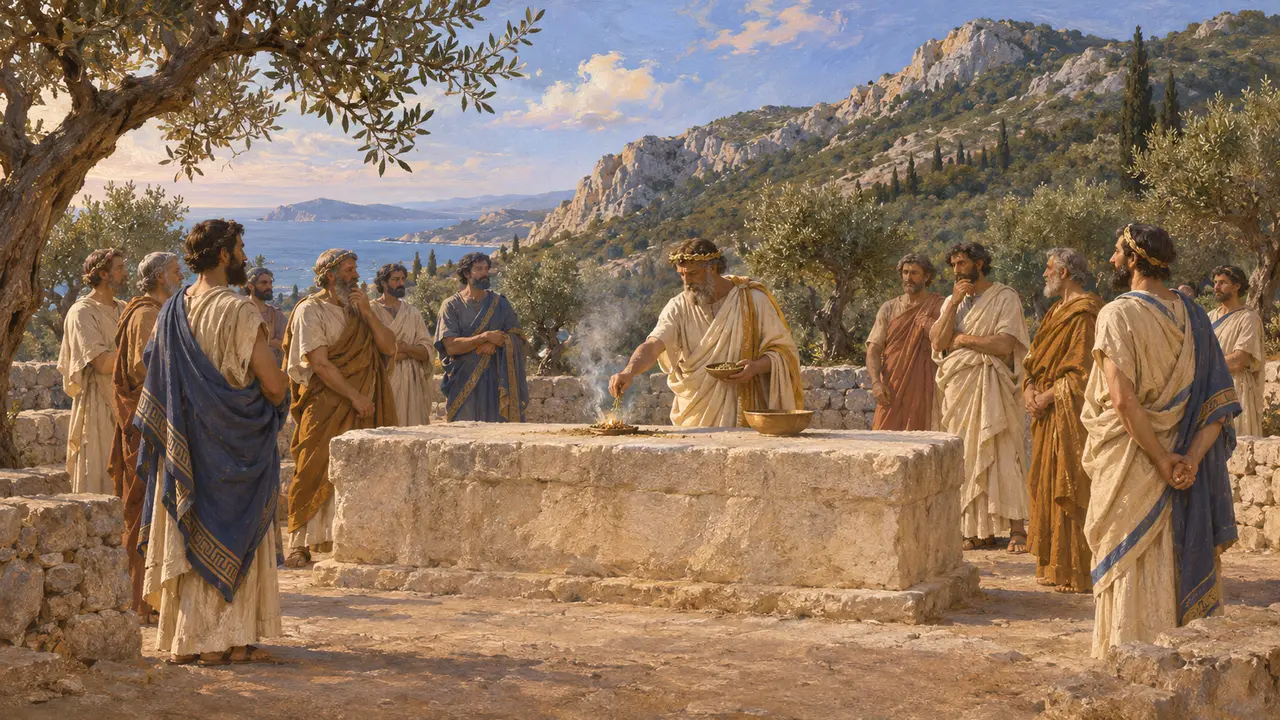
Twelve cities on the Asian shore
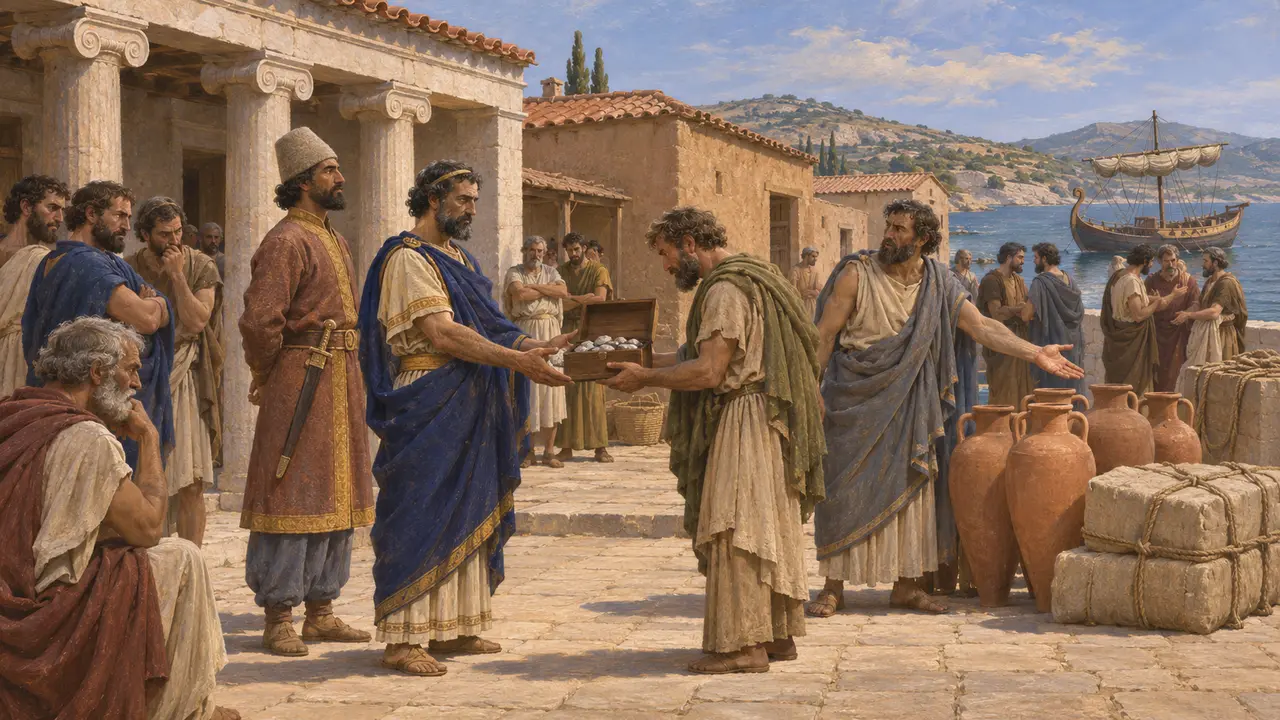
Ancient accountHerodotus names twelve Ionian cities: Miletus, Myus, Priene, Ephesus, Colophon, Lebedos, Teos, Clazomenae, Phocaea and Erythrae on the mainland, and the islands of Samos and Chios. They shared a sanctuary, the Panionion on Mycale. Croesus of Lydia had made them pay tribute, and after Cyrus took Sardis his general Harpagus reduced them city by city, while many Phocaeans and Teians sailed away rather than submit.
Herodotus 1.26-27; Herodotus 1.142-148; Herodotus 1.162-169
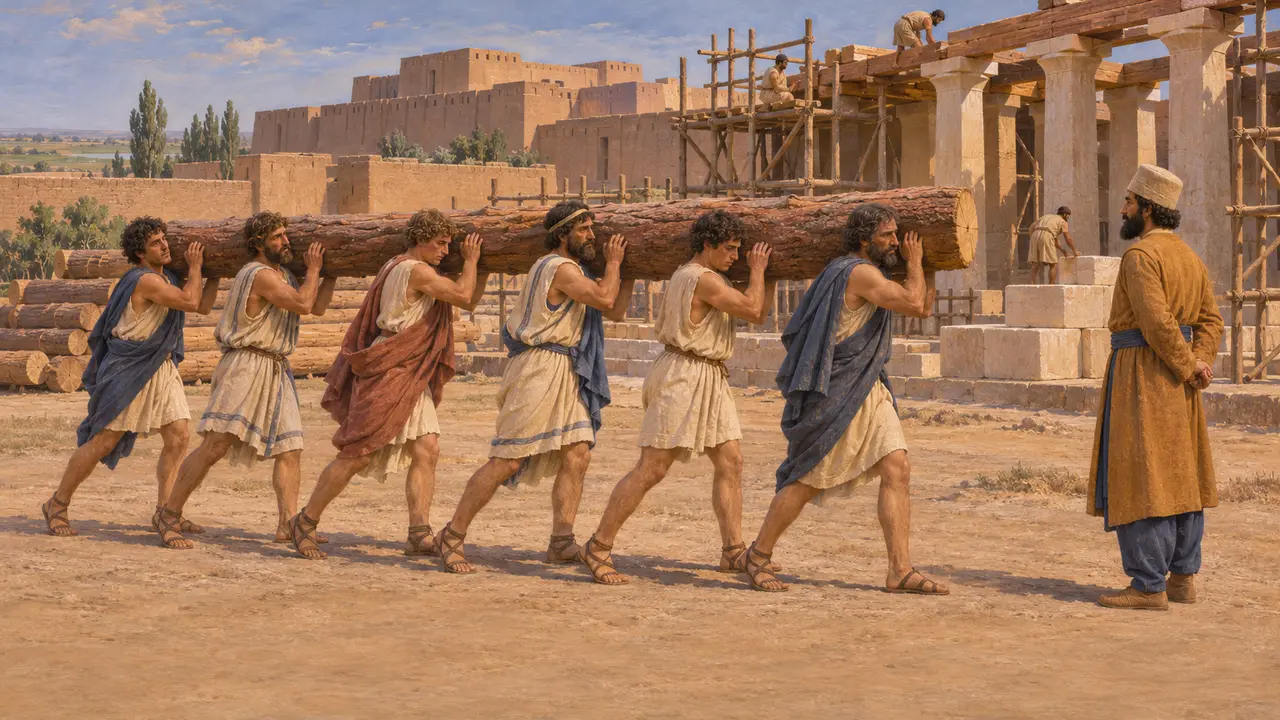
Yauna in the Persian record
In the recordIn the Behistun inscription, Darius lists Yauna among the lands that came to him. His Susa charter says that Ionians and Sardians cut the stone, and that Carians and Ionians carried cedar from Babylon to Susa. The Persepolis Fortification tablets record rations for workers called Yauna. In Persian and other eastern usage, Yauna came to serve as a general name for Greeks.
DB §6; DSf; Persepolis Fortification tablets
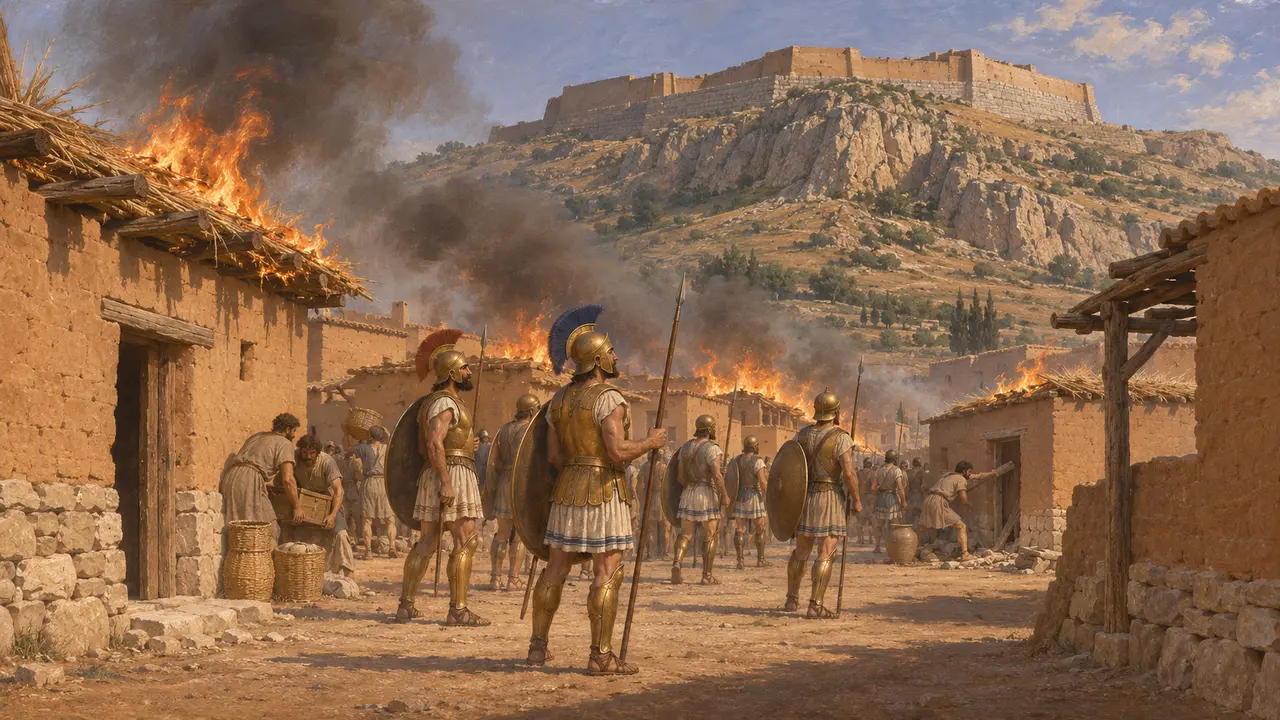
The revolt, 499 to 494
Ancient accountHerodotus tells how Aristagoras of Miletus failed in an attack on Naxos and then led the cities to depose their tyrants and rise against Persia. In 498, Ionians with Athenian and Eretrian help burned the lower town of Sardis, but they did not take the citadel. The rebel fleet was broken off Lade in 494 after most of the Samian ships deserted, and Miletus fell. Herodotus gives 353 Ionian ships against 600 Persian; the second figure is probably inflated.
Herodotus 5.30-38; Herodotus 5.99-102; Herodotus 6.6-21
Subjects again, 493 to 479
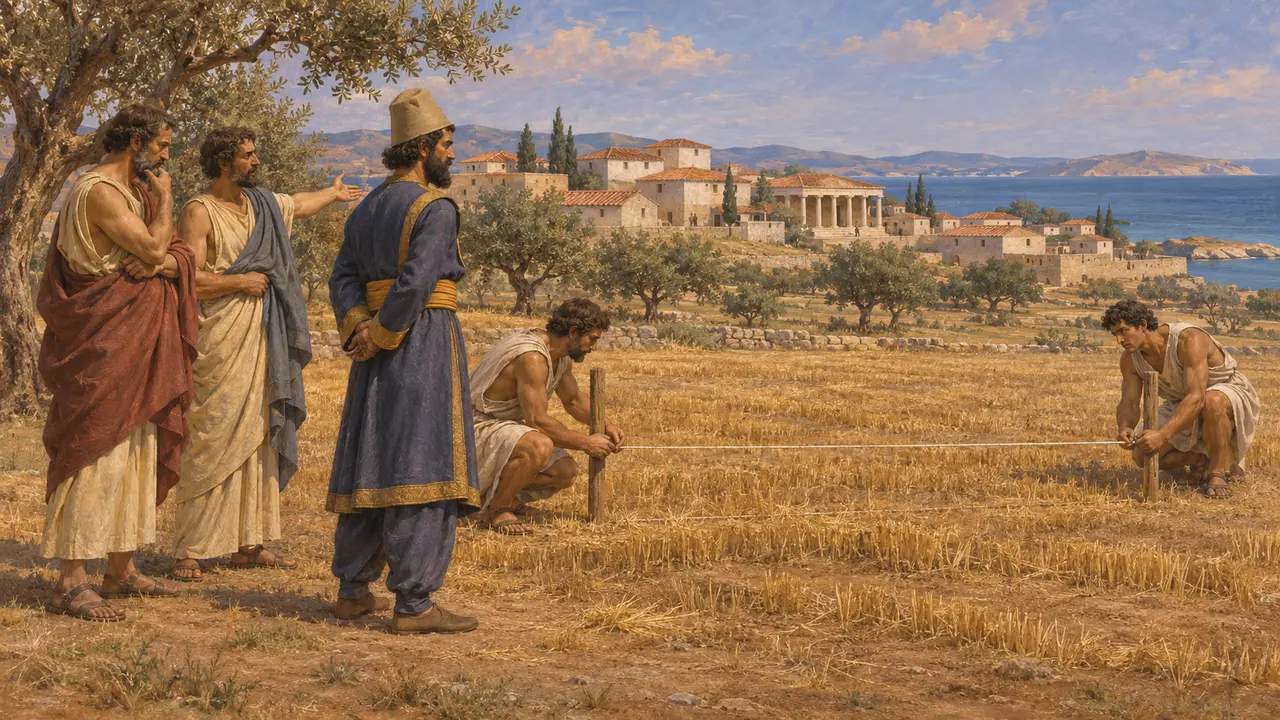
Ancient accountHerodotus says Artaphernes made the cities settle their disputes by arbitration and measured their land to fix tribute. He adds that Mardonius replaced the tyrants with democracies in 492. The Ionians sent a hundred ships to Xerxes in 480, and several Ionian captains fought hard at Salamis. At Mycale in 479 the Samians and Milesians turned on the Persians, and afterwards the island states were taken into the Greek alliance.
Herodotus 6.42-43; Herodotus 7.94; Herodotus 8.85; Herodotus 9.103-106
Why the cities rose
DisputedHerodotus explains the revolt mainly through the personal ambitions of Aristagoras and Histiaeus, and he is often scornful of Ionian discipline. Modern historians give more weight to resentment of tyrants backed by Persia, to the burden of tribute, and to changes in trade. They also debate how united the rebels were, since Herodotus himself describes cities acting alone and Samians deserting at Lade.
O. Murray, 'The Ionian Revolt', Cambridge Ancient History IV, 1988; P. Briant, From Cyrus to Alexander, 2002
The emblem beside its name
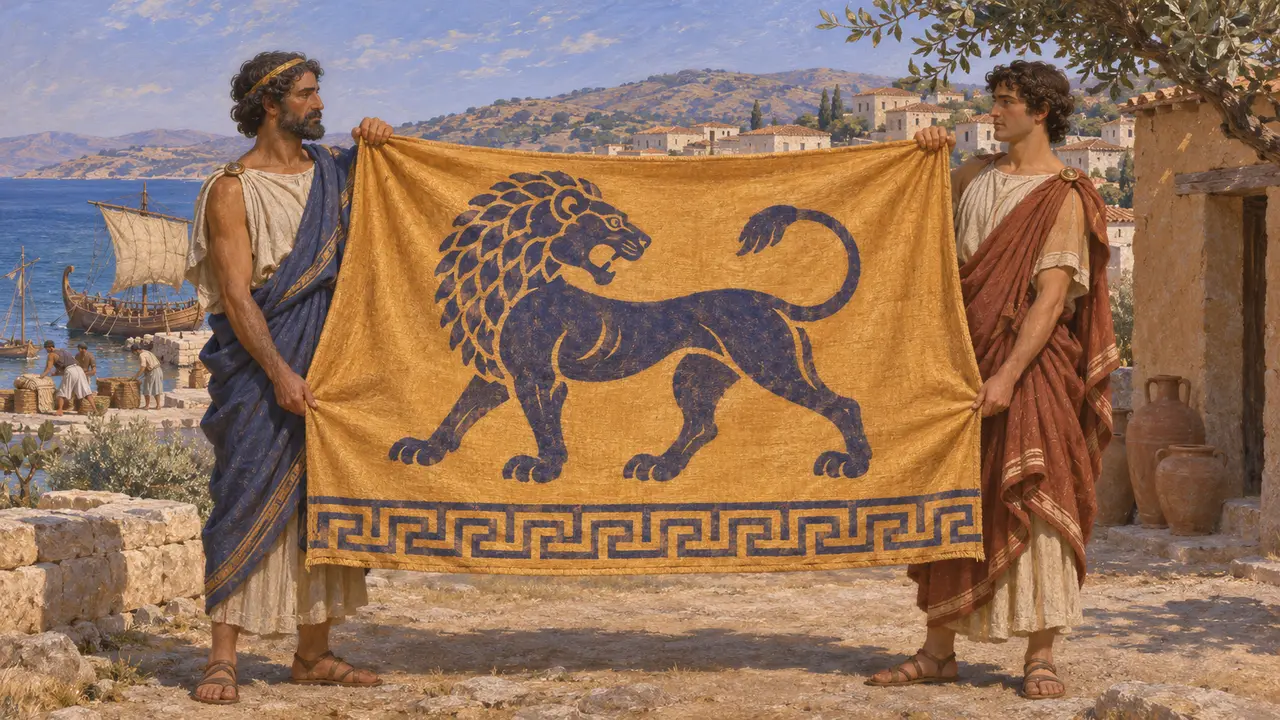
In the recordThe Ionian Greeks carry the lion of Miletus's coins, the leading city of the revolt, with a Greek meander on the hem. The cities had no shared flag; the lion is one city's coin device standing for them all.
Head, Historia Numorum, Ionia
Sources
- Herodotus, Histories, books 1 and 5 to 9
- Behistun inscription (DB)
- Darius's Susa foundation charter (DSf)
- P. Briant, From Cyrus to Alexander, 2002
- O. Murray, 'The Ionian Revolt', Cambridge Ancient History IV, 1988
- A. Kuhrt, The Persian Empire: A Corpus of Sources, 2007