Encyclopedia › Wildlife and weather
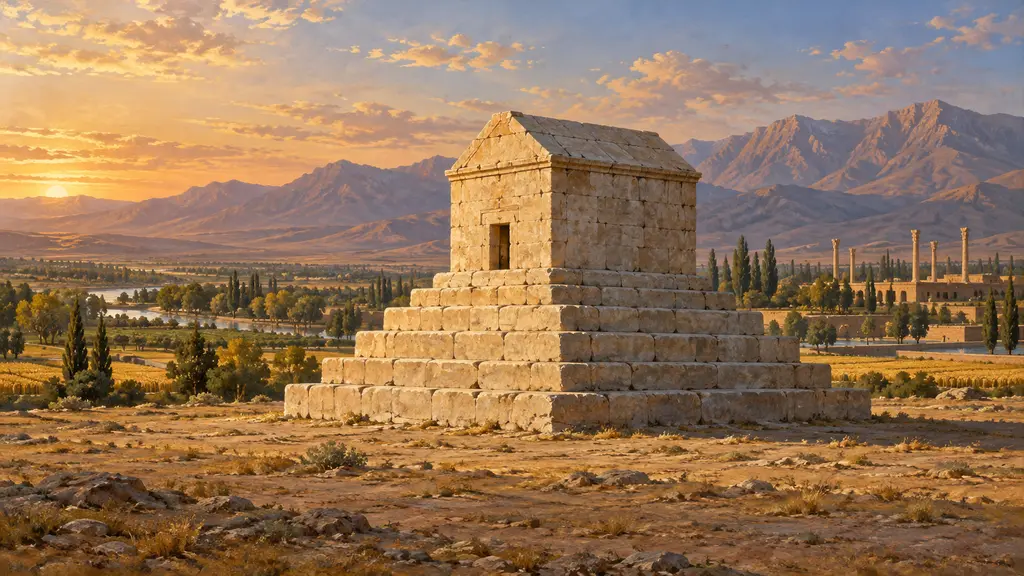
The white stork
A migratory wading bird of the Near East and Egypt, 559-479 BCE
In the game: Level 1: The Founder's Tomb, Level 2: The Spear-bearer, Level 3: The Lie, Level 4: The Terrace, Level 5: The Charter, Level 6: The Bridge of Boats, Level 7: Sardis Burns, Level 8: The Bay of Marathon, Level 9: The Canal, Level 10: The Hot Gates, Level 11: The Finale
The white stork breeds across Europe and western Asia and winters in Africa, so its passage through the Levant and the Nile valley was probably a regular sight in the Persian empire. Surviving Persian documents say almost nothing about it. Most of what can be said about storks in this period rests on the bird's known habits, not on texts of the time.
In the game: The game draws storks as scenery on the wild land of eleven levels, wading in shallows and wet fields; no rule reads them. Their placement at Memphis reflects the winter habitat of European storks.
Habits of the bird
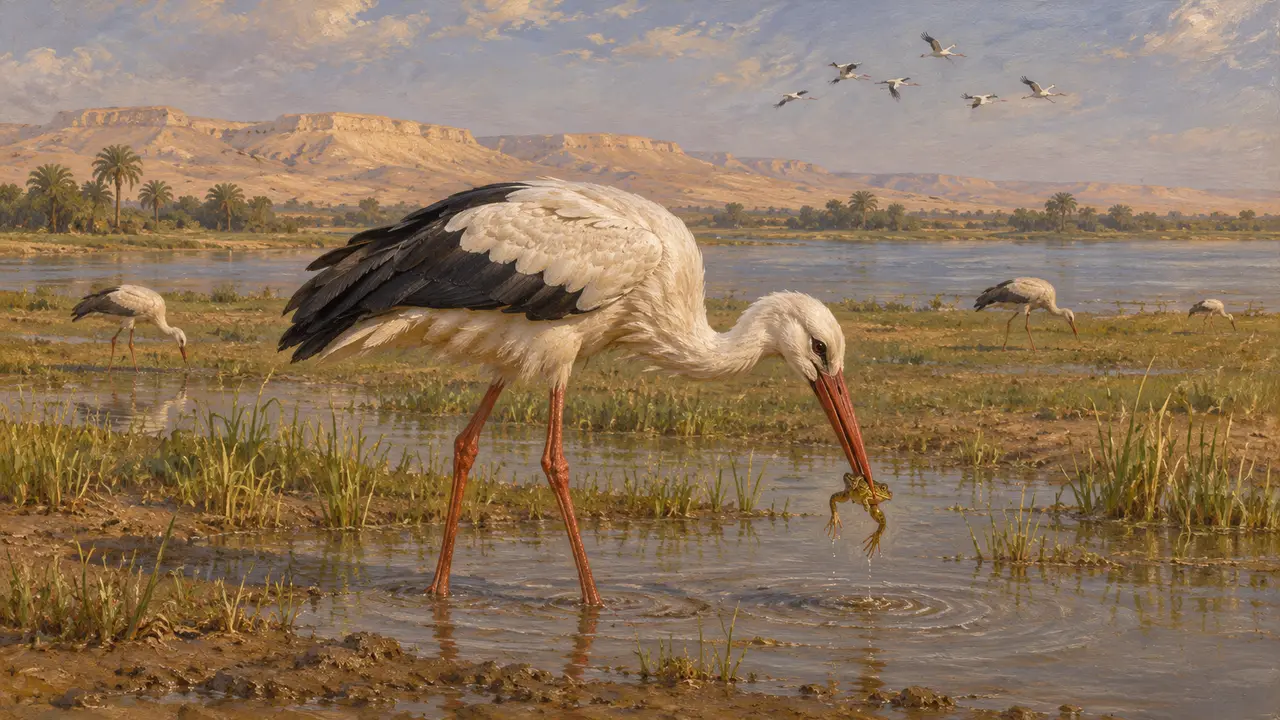
DisputedThe white stork feeds on frogs, fish, insects and small animals in shallow water and damp meadows. European populations migrate to Africa for the winter, mostly by the eastern route through the Levant and down the Nile. No source of the period describes this, so the picture comes from the bird's modern behaviour, which is assumed, not proved, to have been much the same then.
Modern ornithology, not a source of the period
Storks in Egypt
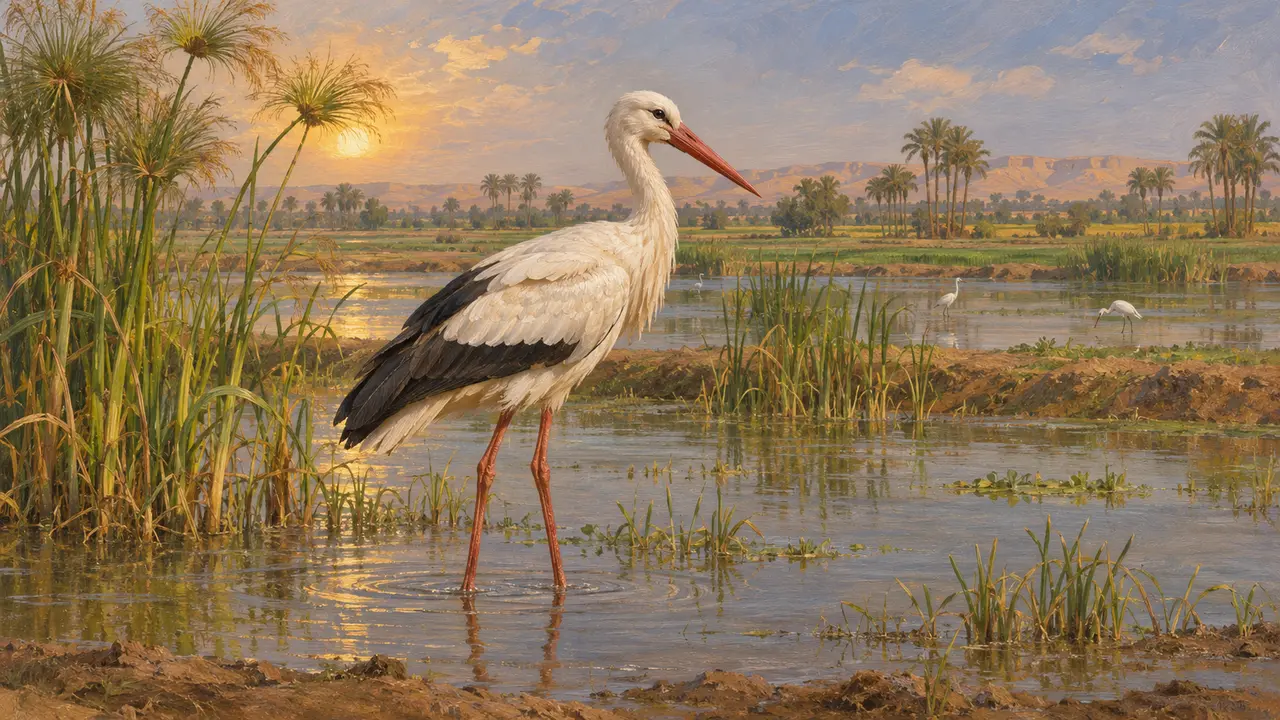
DisputedThe Nile floodplain gave wading birds wet fields and marsh. Egyptian marsh scenes show many birds, but the identification of particular species in painted and carved scenes is often uncertain, so they cannot be taken as firm evidence for storks. Egypt came under Persian rule after Cambyses' conquest in 525.
Egyptian marsh scenes; species identification is uncertain
What the Greek writers say
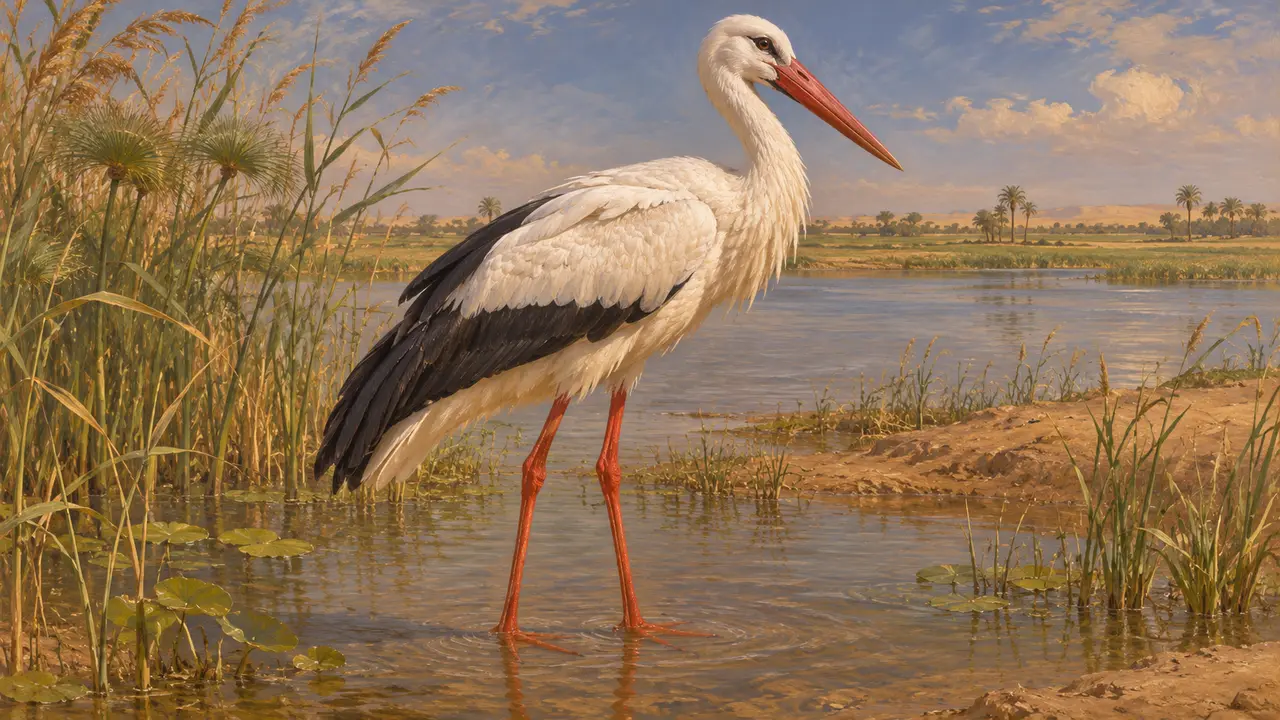
Ancient accountHerodotus describes Egyptian animals, including the ibis and the hippopotamus, but gives no clear passage on the stork. Aristotle later discussed the stork and its migration, but he wrote after the Persian period. A claim that Persians or Greeks of 500 held particular beliefs about storks cannot be supported from the sources used here.
Herodotus 2.65-76 on Egyptian animals
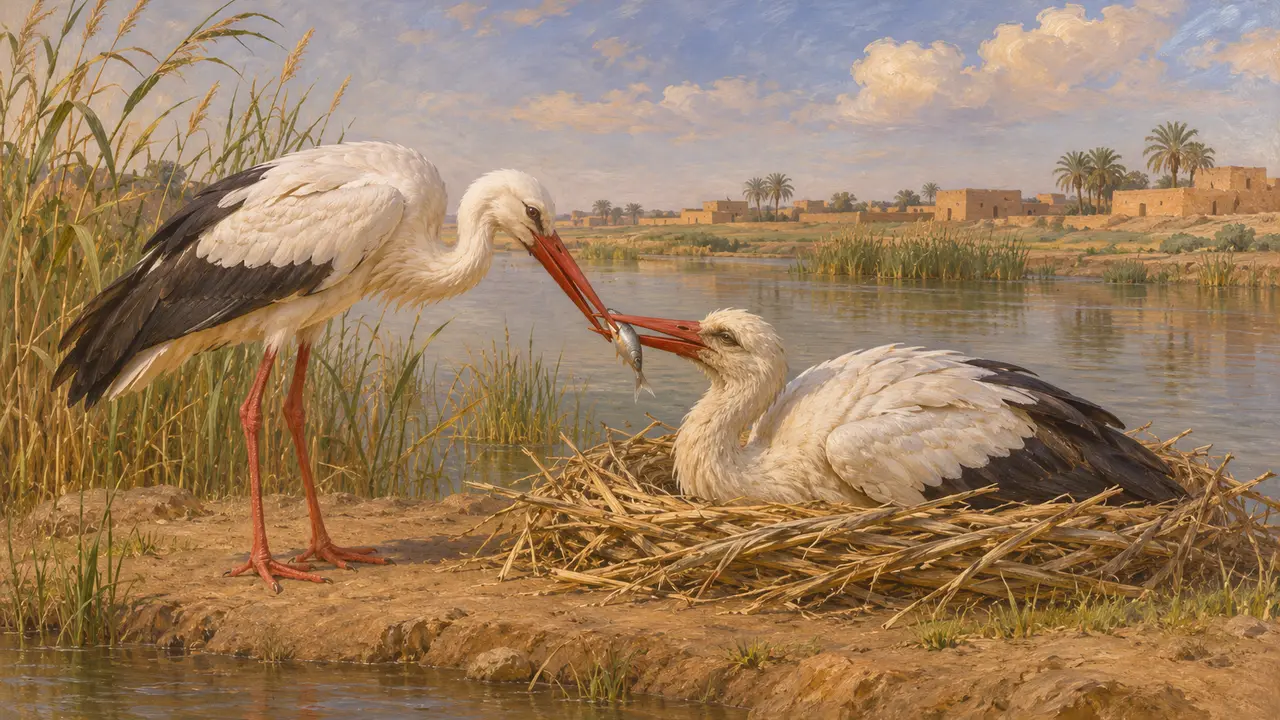
Later storks and filial duty
Later legendA tradition that storks care for their aged parents appears in later Greek and Roman writing, and it belongs to moral fable. It says nothing about Persian attitudes and should not be read back into the sixth or fifth century.
Later Greek and Roman natural-history lore
Sources
- Herodotus 2.65-76
- Aristotle, History of Animals