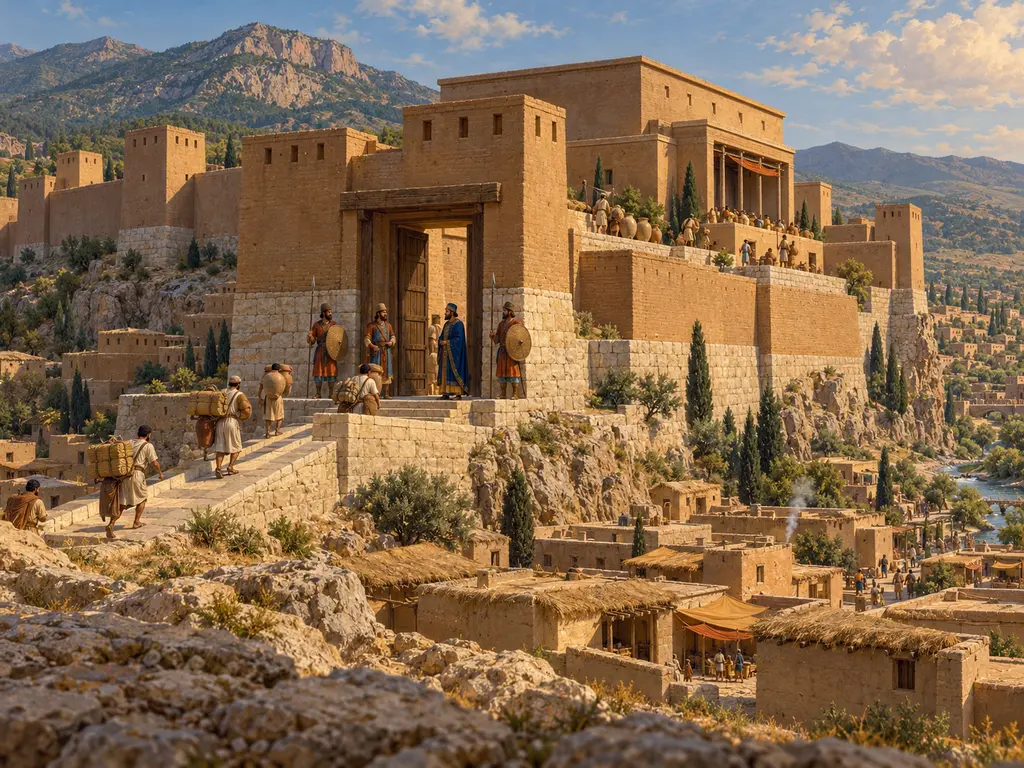
Citadel of Sardis
Acropolis of the Lydian kings and Persian satraps at Sardis, 6th-4th century BCE
In the game: Level 7: Sardis Burns
The citadel of Sardis stood on a steep spur of Mount Tmolus above the Lydian capital. It was fortified by the Lydian kings and taken by Cyrus, probably in the 540s BCE, and under Persian rule it was the seat of the satrap of Sparda and the strongest point at the western end of the Royal Road. In 498 BCE it held out while Ionian, Athenian and Eretrian raiders burned the city below.
In the game: The game has the citadel built new, with gold for its gatehouse and treasury. In history its walls and terraces were mostly Lydian work that the Persians took over, and the gold is a game simplification.
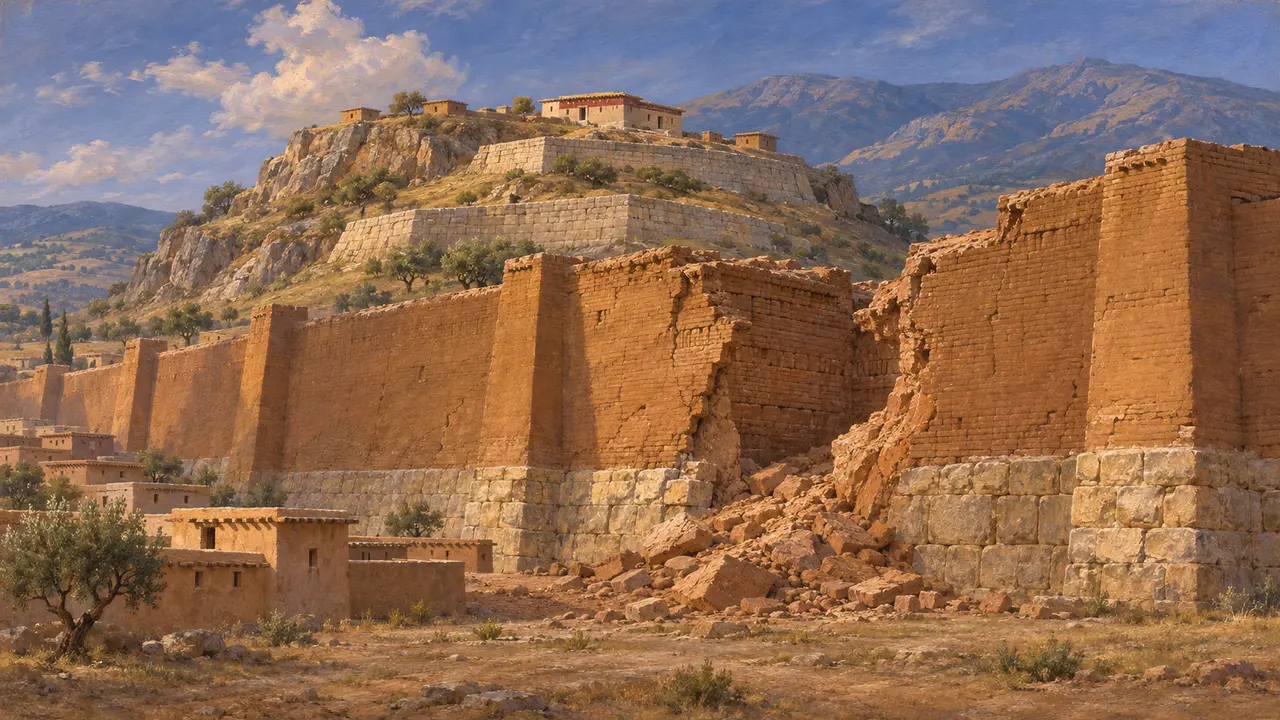
A Lydian stronghold on Mount Tmolus
In the recordAmerican excavations since 1958 have traced Lydian terrace walls of finely cut stone on the acropolis, though erosion has carried much of the hilltop away. In the lower city, archaeologists found a fortification wall of mudbrick on a stone base, many metres thick, which was destroyed in the mid-6th century. Most scholars link that destruction to the Persian conquest.
G. M. A. Hanfmann, Sardis from Prehistoric to Roman Times, 1983; N. Cahill (ed.), Love for Lydia, 2008
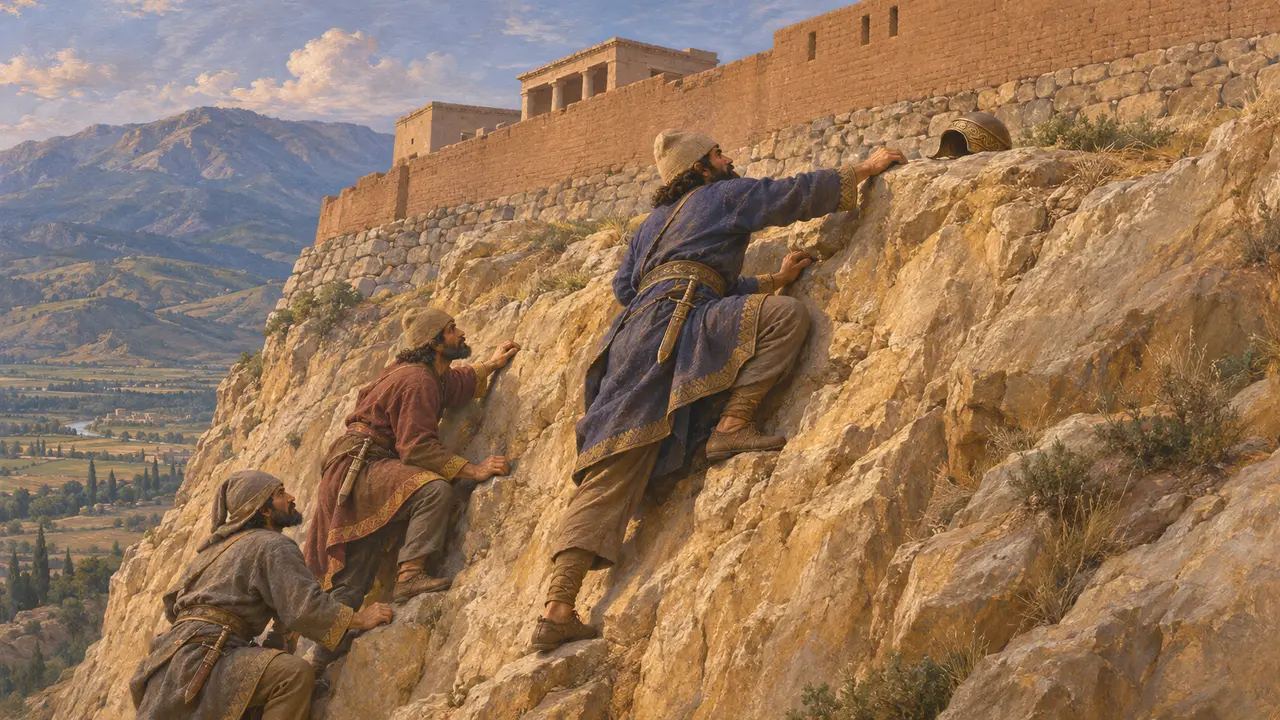
Cyrus takes the citadel
Ancient accountHerodotus says Cyrus defeated Croesus on the plain outside Sardis and then besieged him in the city. On the fourteenth day a Mardian soldier named Hyroeades saw a defender climb down the sheer side facing Tmolus to fetch a fallen helmet, then led others up the same way. The year is usually given as about 547 BCE, but the place name in the Nabonidus Chronicle once read as Lydia is damaged, so the date remains uncertain.
Herodotus 1.79-84; Nabonidus Chronicle
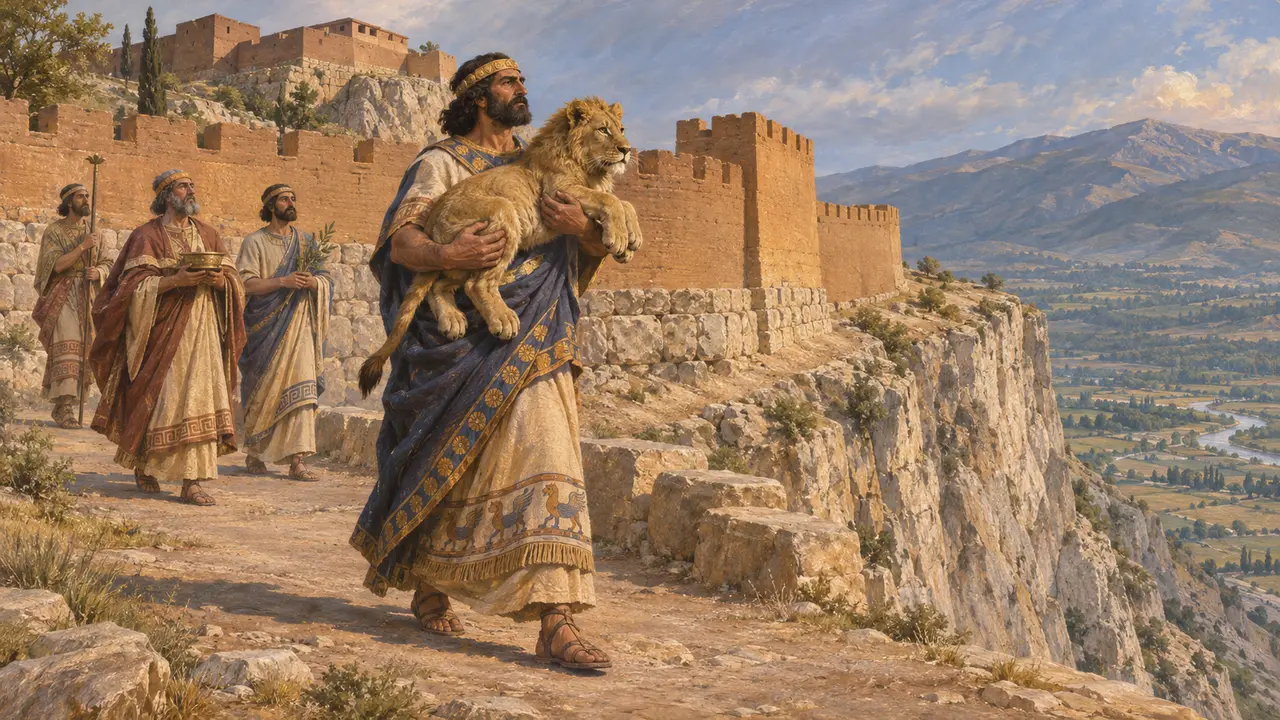
Meles and the lion
Later legendHerodotus adds a story told about the walls. An earlier king, Meles, carried a lion born to his concubine around the circuit, as seers advised, so that the walls could never be taken. He skipped the steep side toward Tmolus because no one could climb it, and that was where the Persians got in. The tale explains a surprise defeat as a flaw in an old ritual.
Herodotus 1.84
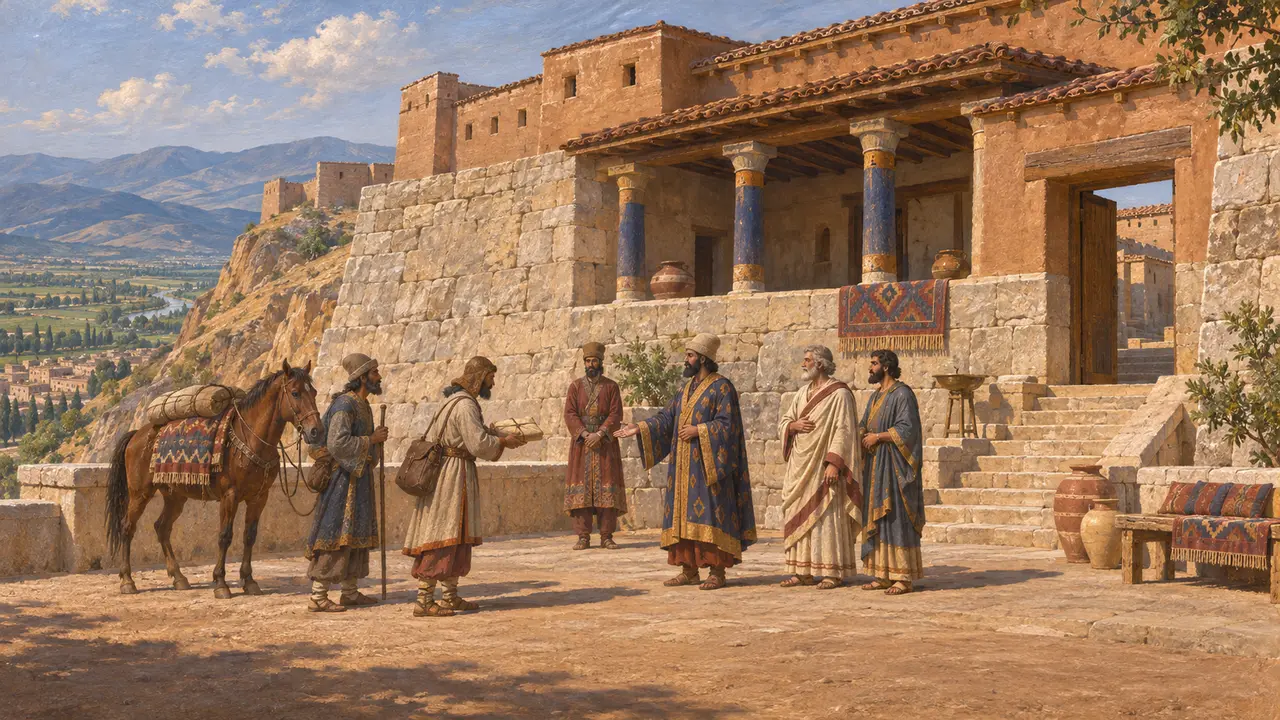
Seat of the satrap of Sparda
In the recordDarius's inscription at Behistun lists Sparda, the Old Persian name for Sardis and Lydia, among the lands that obeyed him. Persepolis Fortification tablets record travellers on the road between Sardis and the Persian heartland. Excavated seals, tombs and building remains show a Persian elite living at Sardis alongside Lydians and sharing a mixed style of art and burial.
DB §6; E. Dusinberre, Aspects of Empire in Achaemenid Sardis, 2003
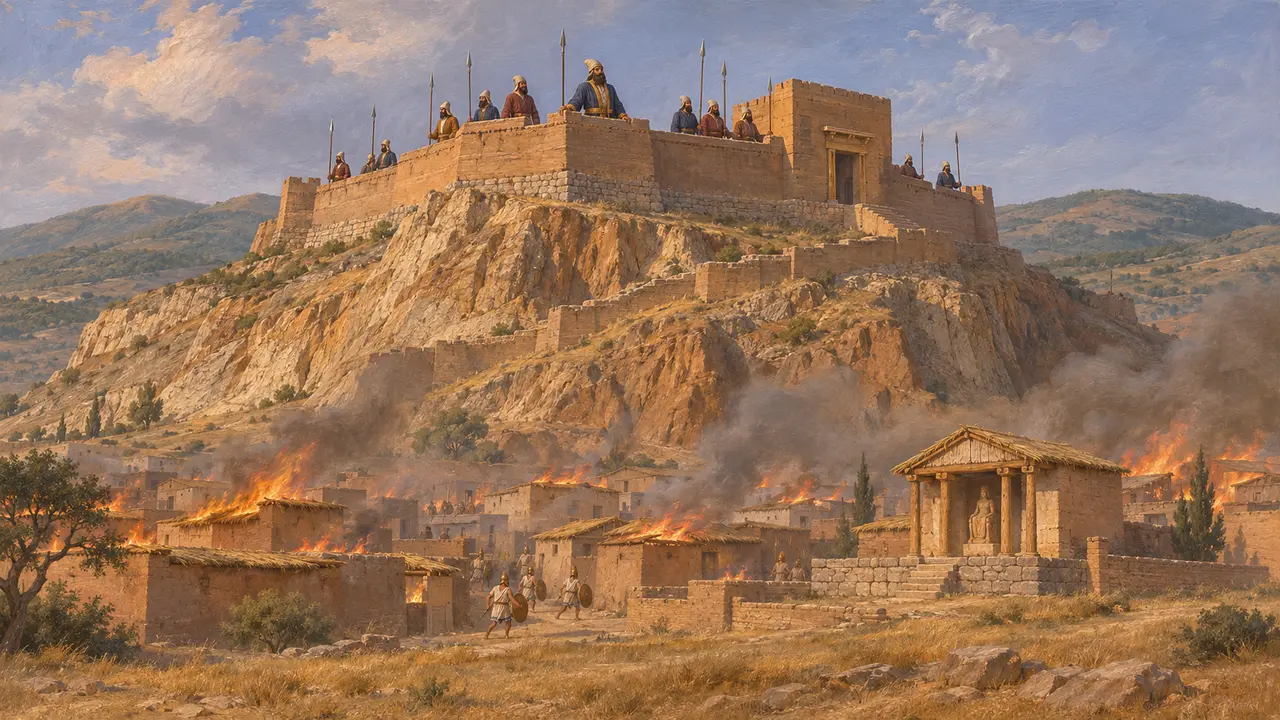
Held against the raid of 498 BCE
Ancient accountHerodotus says the Ionians, with Athenian and Eretrian allies, took the lower city unopposed, but Artaphernes held the acropolis with a strong force. A soldier set fire to one house, and the flames spread across the reed roofs and burned the town, including the temple of the goddess Cybebe. Arrian says the citadel was still very strong, with a triple wall, when its commander Mithrenes surrendered it to Alexander in 334.
Herodotus 5.99-102; Arrian, Anabasis 1.17
Sources
- Herodotus 1.79-84
- Herodotus 5.99-102
- E. Dusinberre, Aspects of Empire in Achaemenid Sardis, 2003
- G. M. A. Hanfmann, Sardis from Prehistoric to Roman Times, 1983
- N. Cahill (ed.), Love for Lydia, 2008
- Arrian, Anabasis 1.17