The satrap
Royal governor of a province in the Achaemenid empire, 6th to 4th centuries BCE
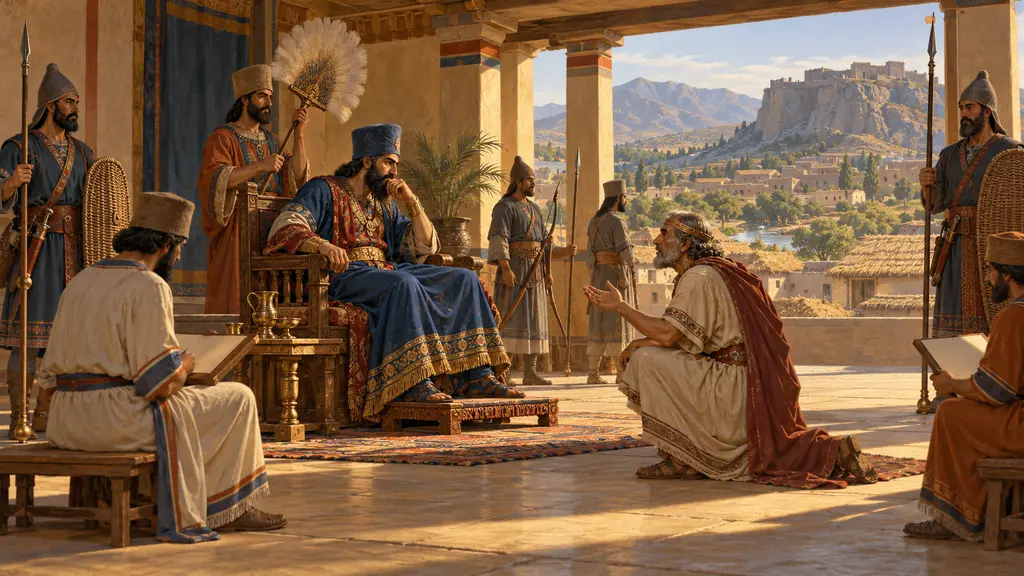
A satrap was the King's governor of a province, usually a Persian noble ruling from a provincial capital such as Sardis, Memphis, Babylon or Bactra. Satraps collected tribute, raised troops, judged disputes and kept order in the King's name. The system let a small Persian ruling class hold together lands that reached from the Aegean to the Indus.
In the game: In many levels the player governs as a satrap, building up a province for the King. This is a simplification: real satraps were mostly Persian nobles whose main duties were raising tribute and troops and keeping order.
A Persian title for a royal office
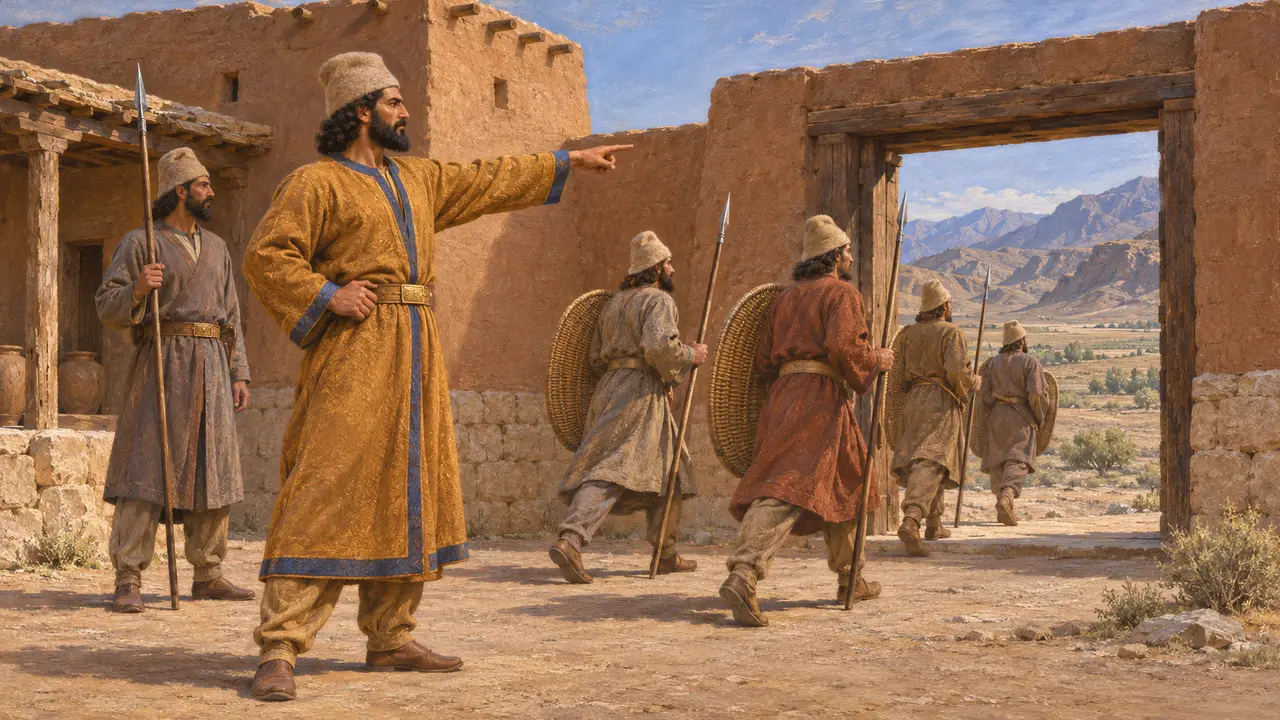
In the recordThe Old Persian title was xšaçapāvan, usually translated as protector of the kingdom. Darius's Behistun inscription uses it for loyal men who fought the rebels of 522-521, among them Dadarshi, satrap in Bactria, and Vivana, satrap in Arachosia. Behistun calls both men Persians and subjects of Darius. The Greeks turned the word into satrapēs.
DB §38; DB §45
Herodotus and the twenty provinces
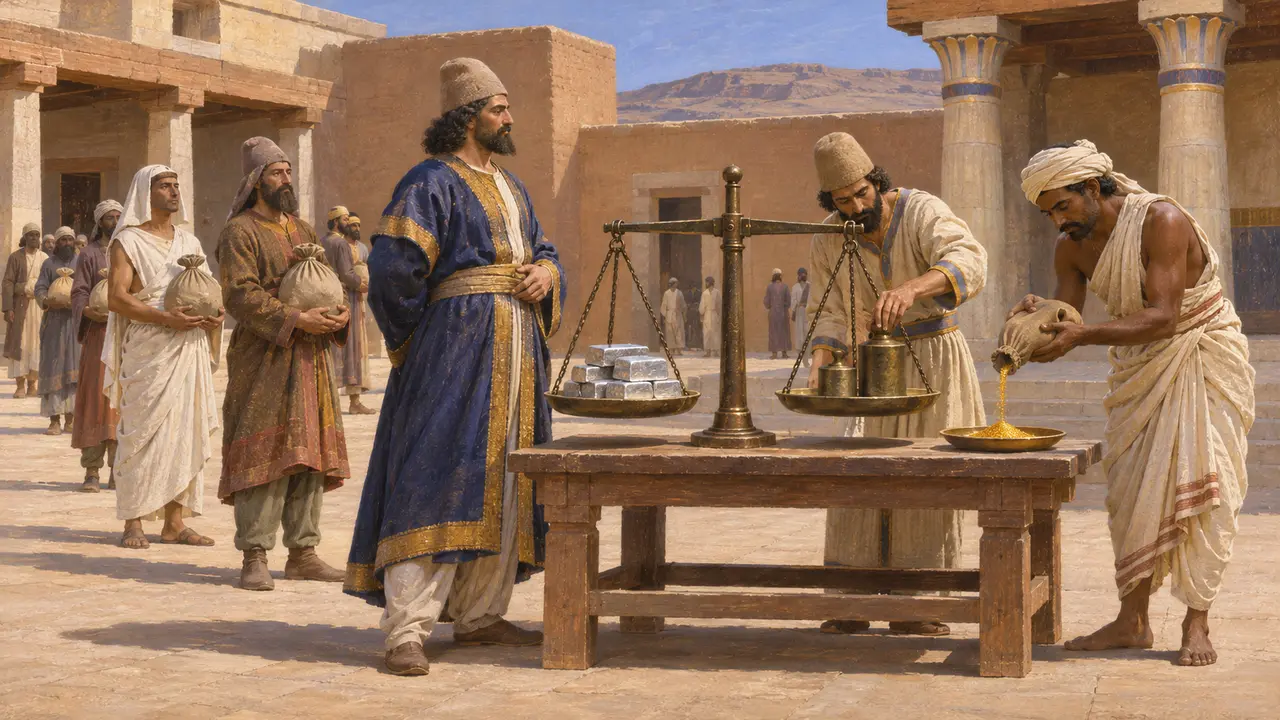
Ancient accountHerodotus says Darius divided the empire into twenty provinces, which the Persians called satrapies, and fixed the tribute each one paid. Most paid in talents of silver, and the Indians paid in gold dust. He lists the peoples in each province with their sums, and says Persis itself paid no tribute. Under Cyrus and Cambyses, he claims, there was no fixed tribute, only gifts.
Herodotus 3.89-97
Provinces, lands and changing borders
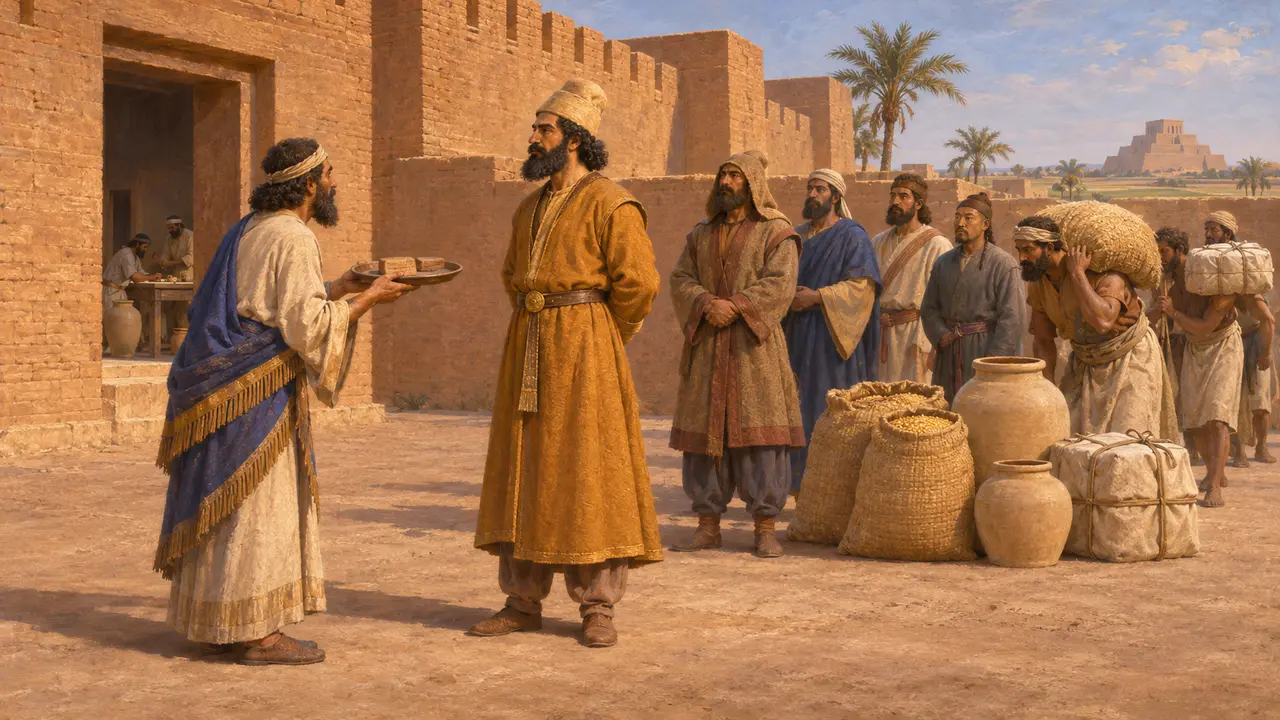
DisputedThe royal inscriptions list subject lands, not satrapies, and the lists vary. Behistun names 23 lands and later inscriptions name more. Neither matches Herodotus's twenty, and historians debate whether his list reflects a real tax register or his own arrangement. Babylonian documents show governors already in office before Darius, so his reform probably reorganised an existing system rather than creating a new one.
DB §6; Herodotus 3.89-94; P. Briant, From Cyrus to Alexander, 2002
Satraps in the documents
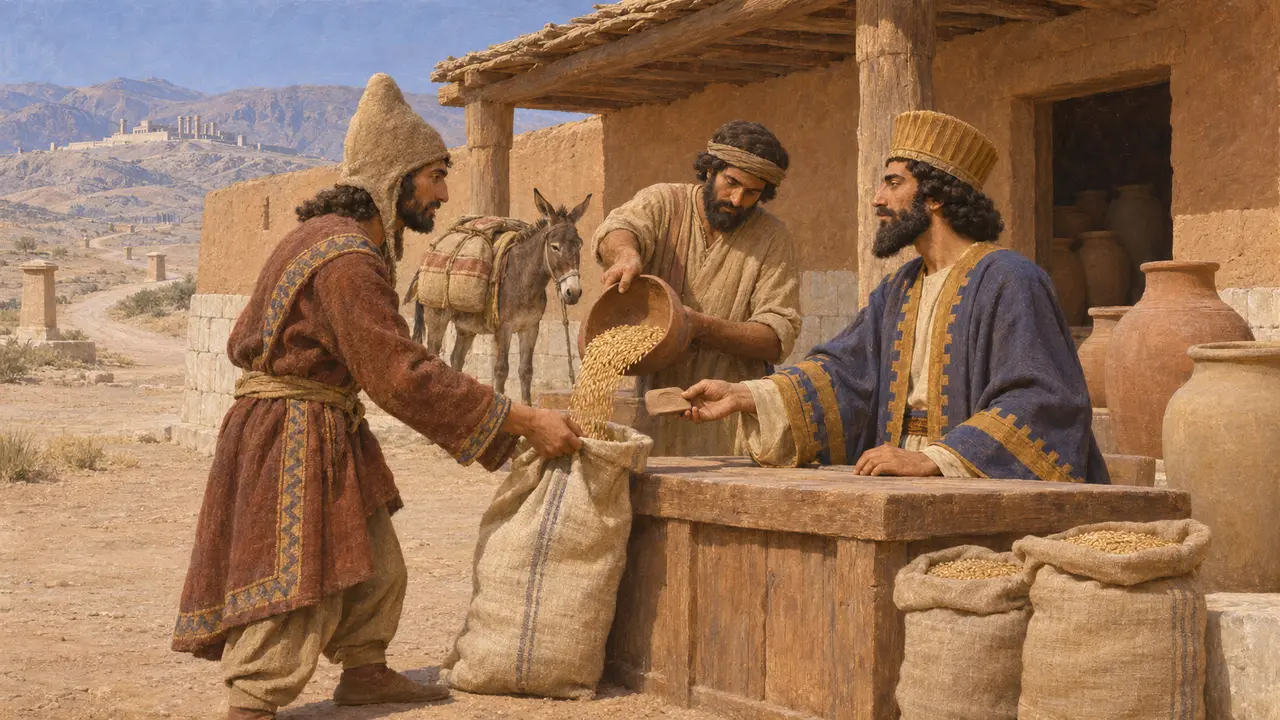
In the recordBabylonian business texts name Gubaru as governor of Babylon and Across-the-River under Cyrus and Cambyses, a huge province reaching the Mediterranean coast. He is not the Gobryas who helped Darius to the throne. The Persepolis Fortification tablets of about 509-493 record travellers drawing rations with sealed travel orders from the King or from satraps, probably including Artaphernes at Sardis. These texts show satraps as working links in the royal road system.
M. Stolper, Entrepreneurs and Empire, 1985; R. Hallock, Persepolis Fortification Tablets, 1969; P. Briant, From Cyrus to Alexander, 2002
Keeping governors loyal
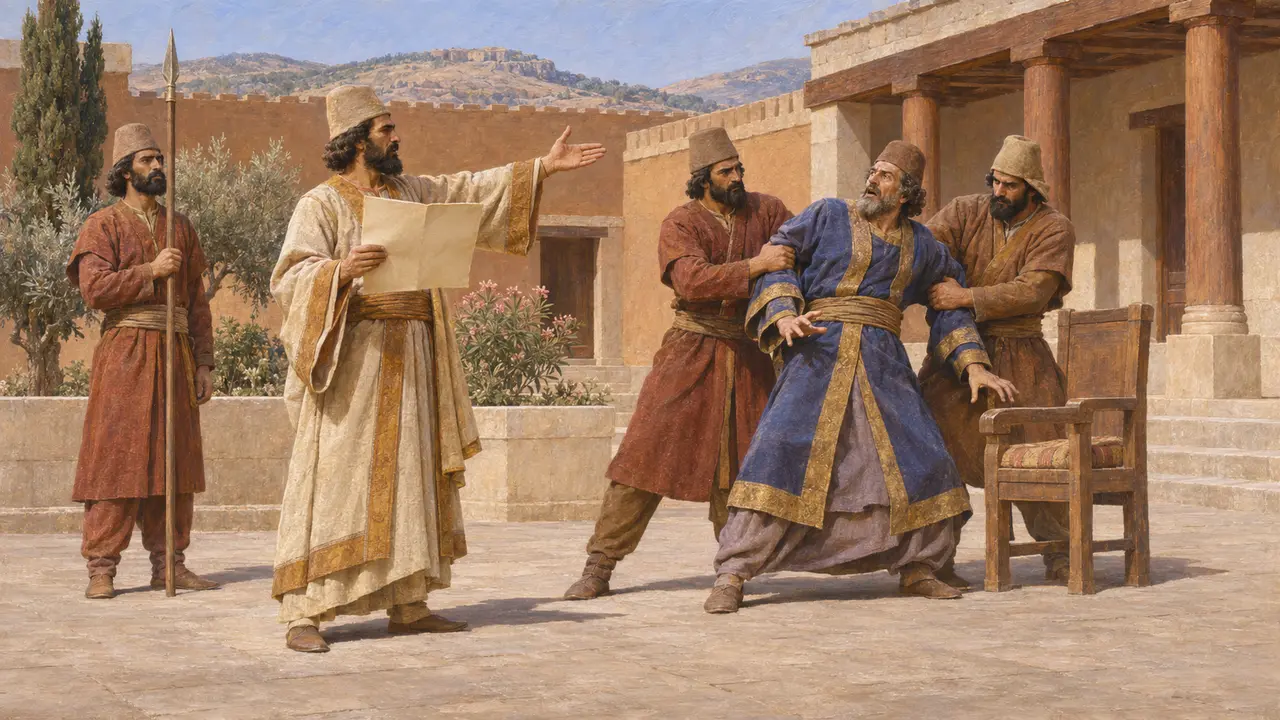
Ancient accountHerodotus tells how Oroetes, satrap at Sardis, defied Darius and was killed by his own guards after a royal envoy read them the King's letters. He also says Darius put Aryandes of Egypt to death on a charge of rebellion, though the real offence was striking pure silver coin to rival the royal gold. Xenophon's idealised Cyropaedia, written over a century later, describes garrison commanders answering to the King and yearly inspections.
Herodotus 3.120-128; Herodotus 4.166; Xenophon, Cyropaedia 8.6
Sources
- DB (Behistun inscription of Darius I)
- Herodotus 3.89-97; 3.120-128; 4.166
- R. Hallock, Persepolis Fortification Tablets, 1969
- P. Briant, From Cyrus to Alexander, 2002
- M. Stolper, Entrepreneurs and Empire, 1985
- Xenophon, Cyropaedia 8.6