
Aryandes
Persian satrap of Egypt under Darius, put to death after 518 BCE
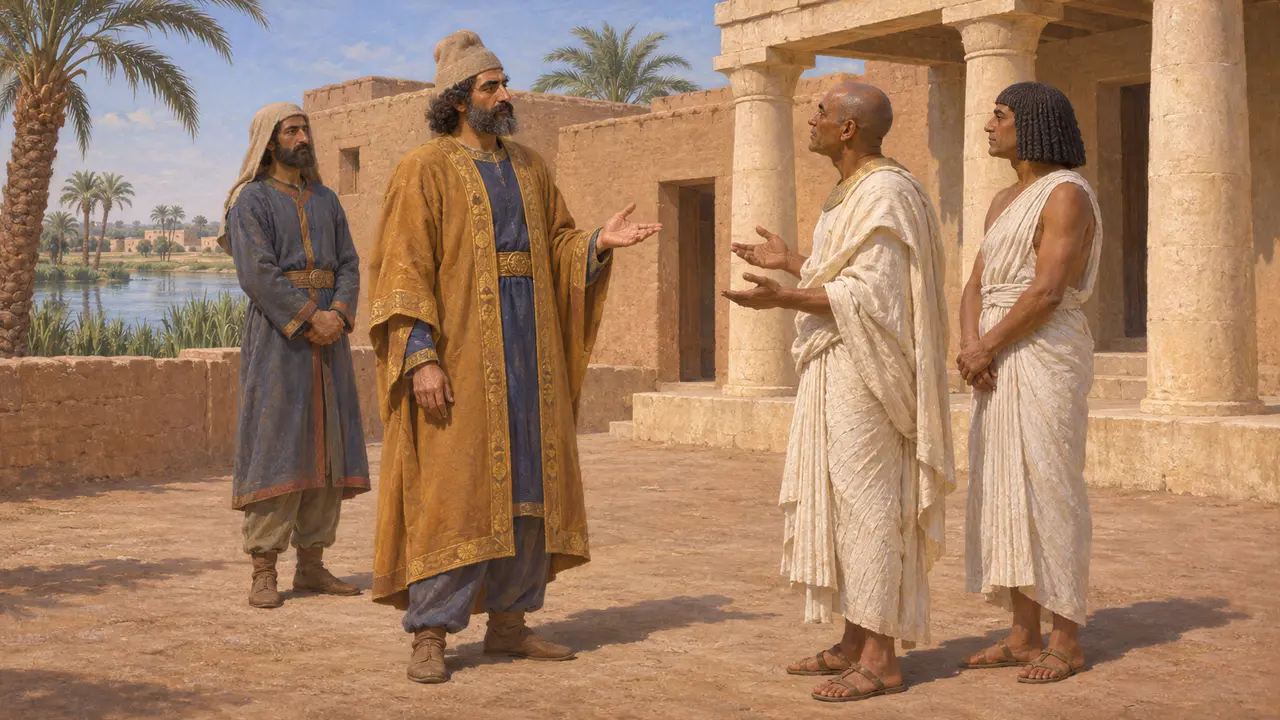
Aryandes was the Persian governor of Egypt, appointed by Cambyses according to Herodotus and still in post under Darius. Herodotus tells of the army he sent against Barca in Libya and of the silver coinage that led Darius to have him killed. The story shows how a satrap's position depended on the King's trust.
In the game: Aryandes has no mechanic of his own. The game names him only in the event articles on the siege of Barca and the striking of the daric, where his execution is told.
The army against Barca
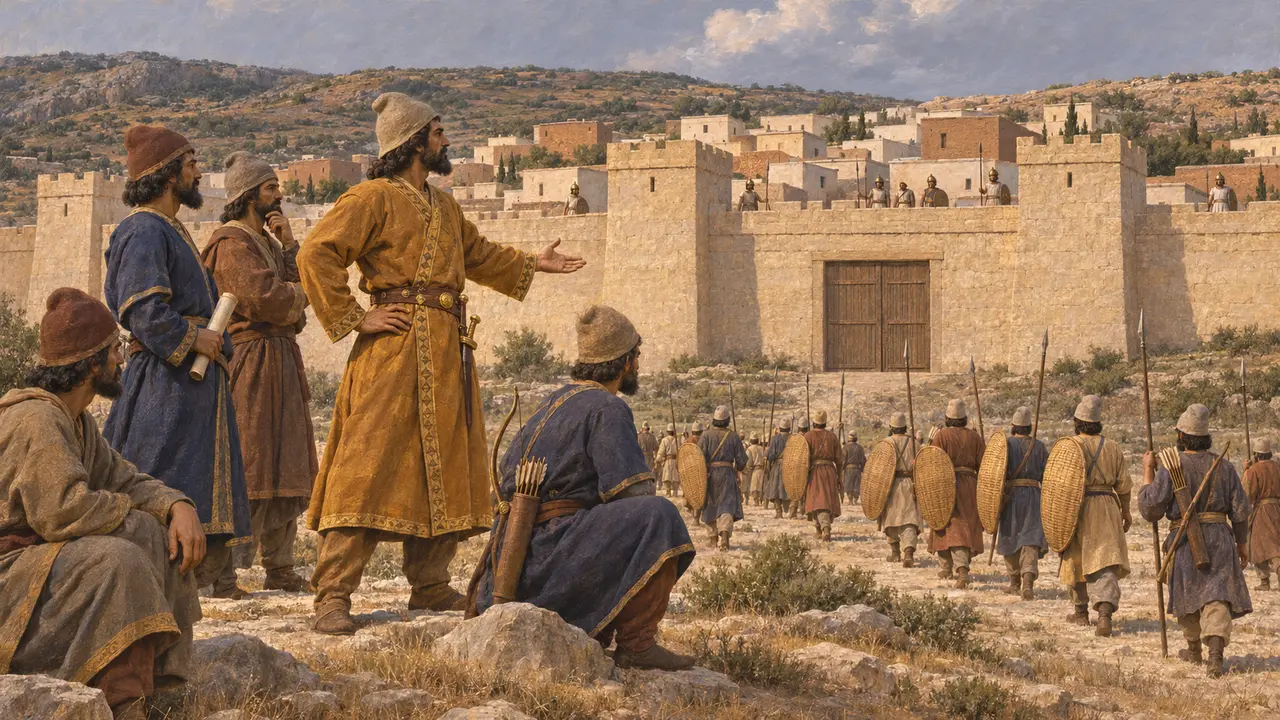
Ancient accountHerodotus says Aryandes sent an army and fleet against Barca to avenge the killing of Arcesilaus III of Cyrene, whose mother Pheretime had sought his help. Amasis, a Maraphian, commanded the land force and Badres, a Pasargad, the fleet. Barca fell after a long siege, and Herodotus says many of its people were settled in Bactria.
Herodotus 4.167
The siege trick
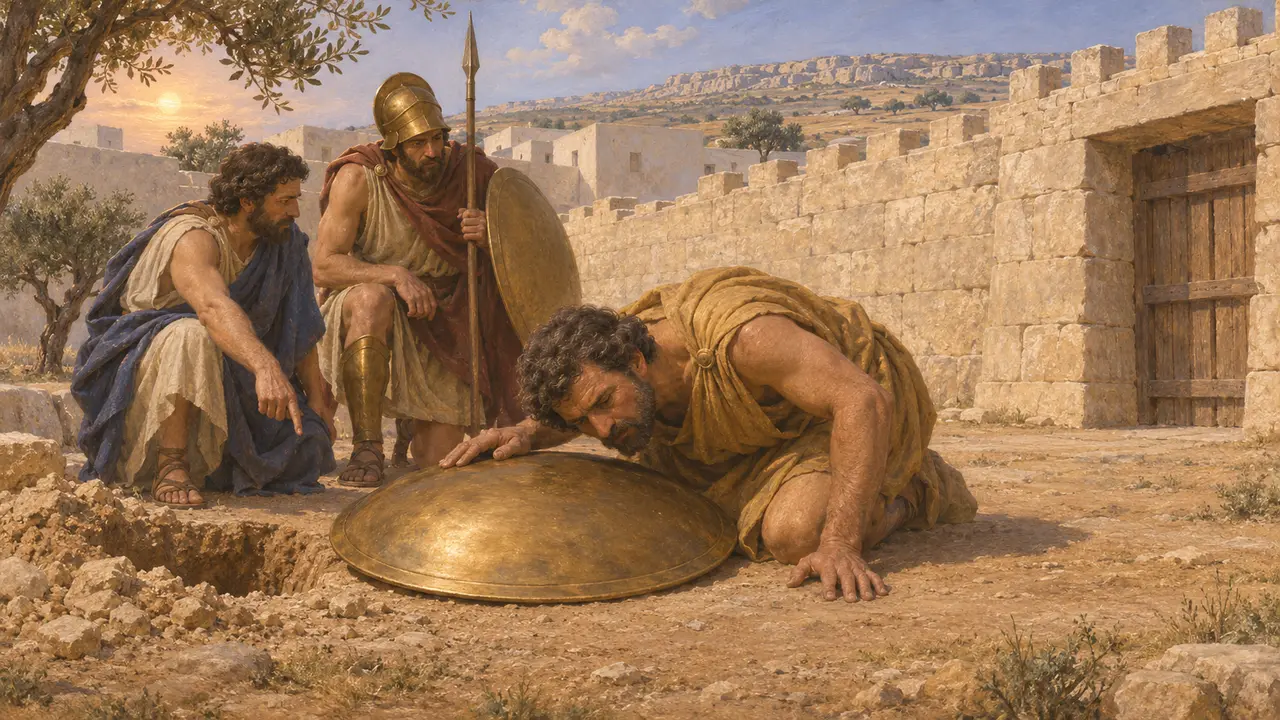
Later legendHerodotus tells that the Persians dug tunnels under Barca, and that a smith with a bronze shield detected the digging and the Barcaeans countered it. The Persians then took the city by a sworn truce they never meant to keep. The tale has the shape of a moral story about broken oaths, and it cannot be checked against any Persian record.
Herodotus 4.200
Silver coinage and death
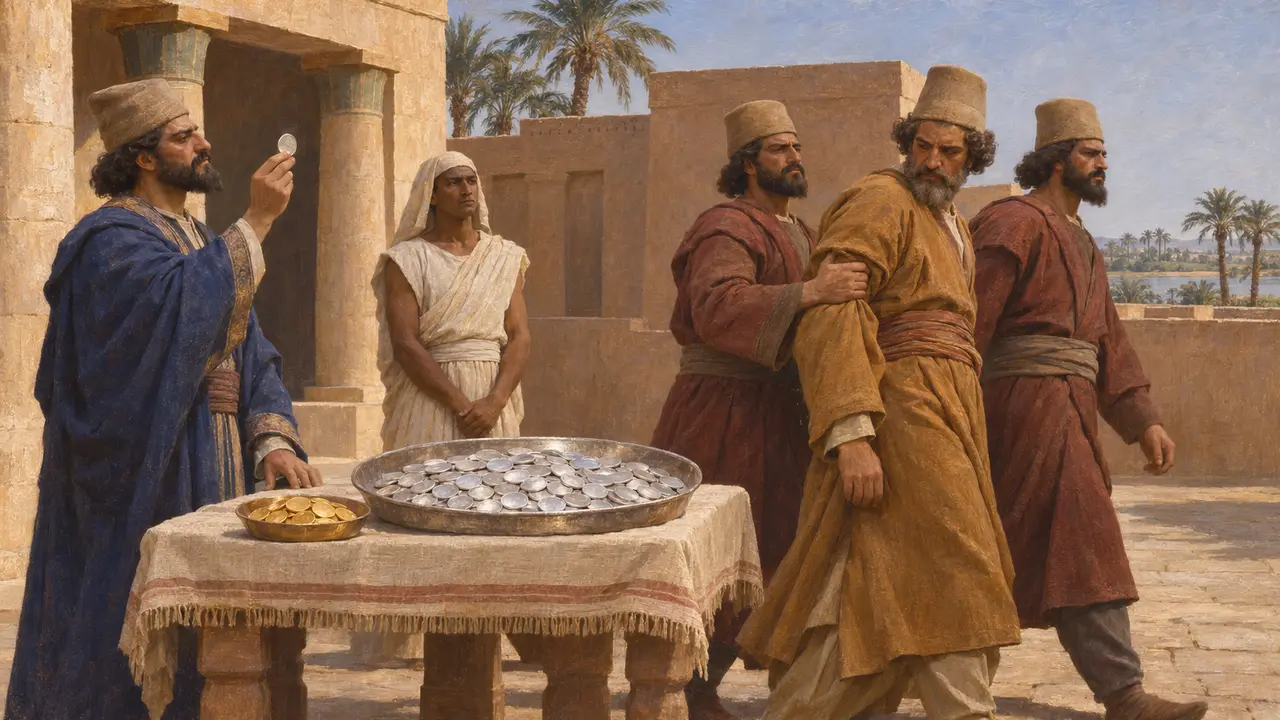
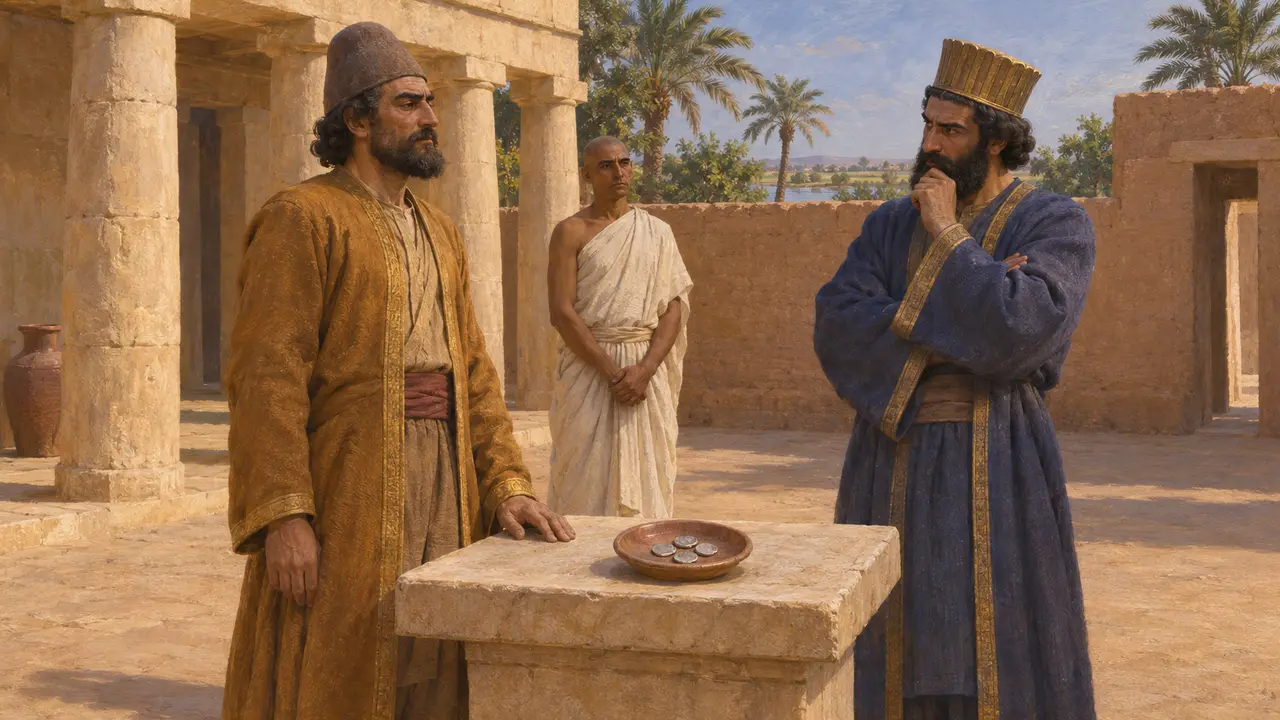
Ancient accountHerodotus says Aryandes struck silver of the purest quality, in rivalry with Darius's gold coinage, which Herodotus calls the purest of all. Darius, he says, then had Aryandes put to death on a charge of rebellion. Herodotus gives the coinage as the reason Darius was angered.
Herodotus 4.166
What historians doubt
DisputedModern historians question whether coinage alone could have caused his death and suspect other grounds for the charge. The date of his execution is uncertain, and so is which surviving coins, if any, were his.
P. Briant, From Cyrus to Alexander, 2002
Sources
- Herodotus 4.166
- Herodotus 4.167
- Herodotus 4.200
- P. Briant, From Cyrus to Alexander, 2002