
Amasis II
Pharaoh of Egypt, reigned 570 to 526 BCE, whose death preceded the Persian conquest
In the game: Level 2: The Spear-bearer
Amasis II ruled Egypt for about forty-four years and died in 526, shortly before Cambyses invaded. His son Psamtik III inherited the war. Most of what is told of him comes from Herodotus, who gathered Egyptian stories about the king, while Egyptian monuments and the statue of Udjahorresnet give the view from Egypt.
In the game: Amasis is named only in the Encyclopedia's event articles on the conquest of Egypt and the battle of Pelusium. He is not a figure in any level and has no mechanic of his own.
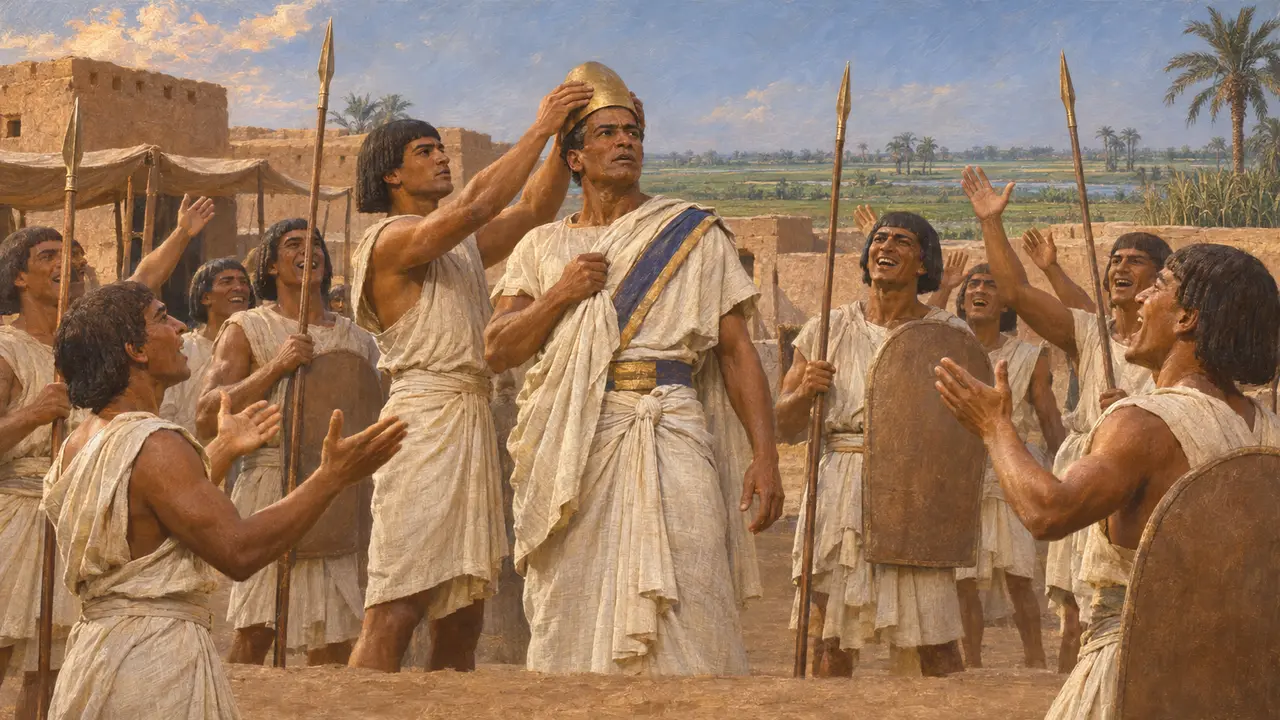
A general who became king
Ancient accountHerodotus says Amasis was sent by King Apries to calm a mutiny of the Egyptian army and was instead proclaimed king by the soldiers. Apries marched against him with Greek and Carian mercenaries and was defeated, and Amasis took the throne. Herodotus gives his reign as forty-four years, which modern historians reckon as 570 to 526.
Herodotus 2.161-169, 2.177
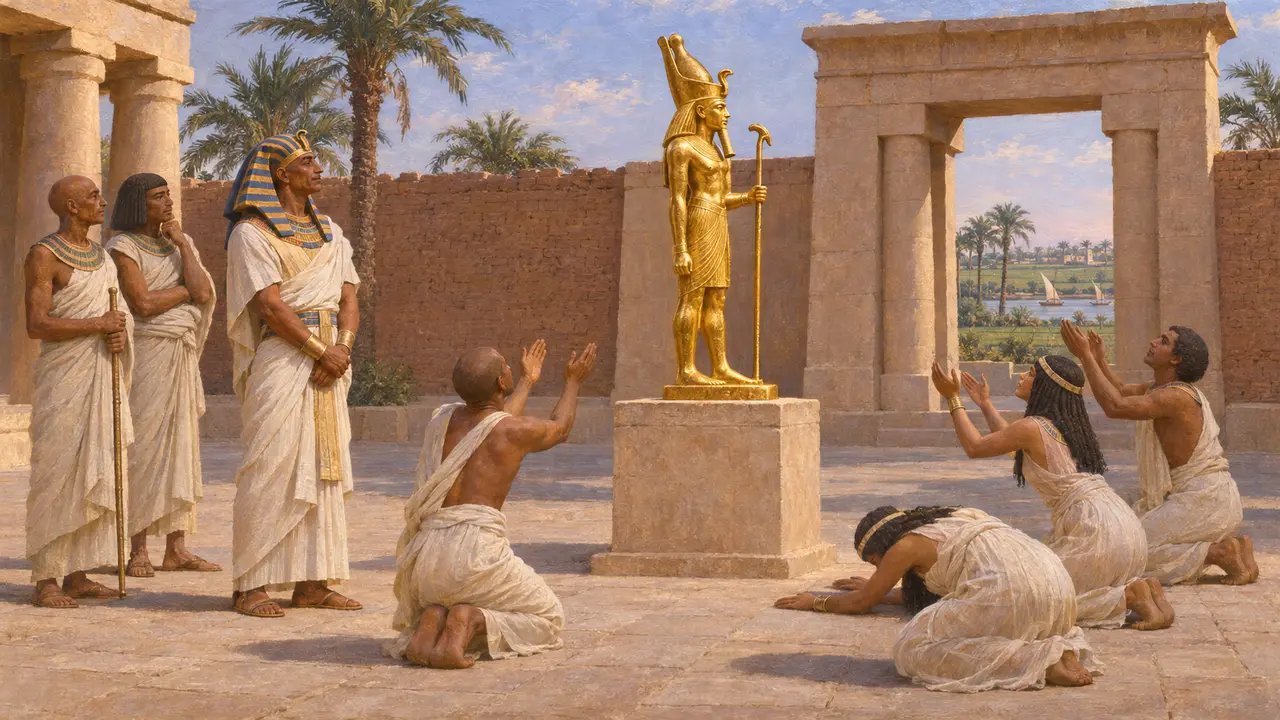
The story of the footbath
Later legendHerodotus relates that Amasis was of humble birth and that courtiers despised him. He had a golden footbath melted down and made into a statue of a god, which the people then worshipped. Amasis then told his critics that his own rise followed the same pattern. The tale is a moral about kingship, and no document confirms it.
Herodotus 2.172
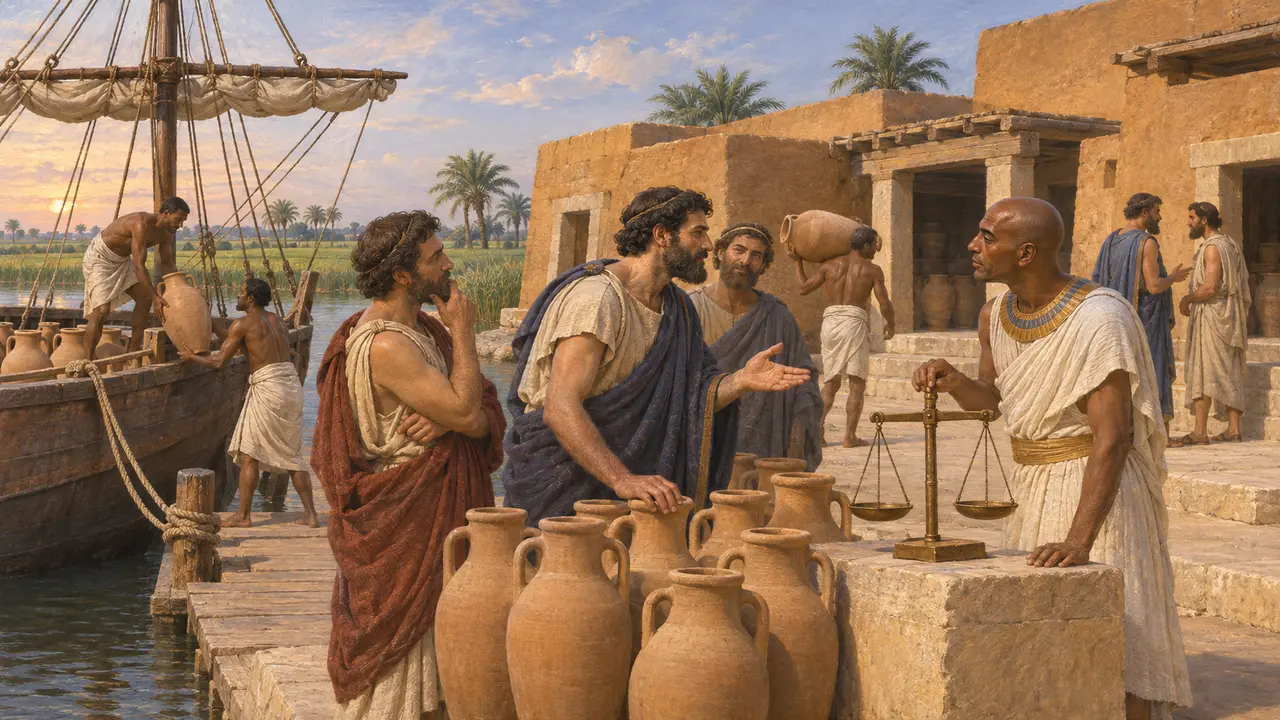
Naucratis and the Greeks
Ancient accountHerodotus says Amasis favoured Greeks and made Naucratis the one port where Greek merchants were allowed to trade and settle. He also reports an alliance with Croesus of Lydia. Excavation shows Greeks were trading at Naucratis before his reign, so his act is better seen as regulating an existing port.
Herodotus 2.178-179, 1.77
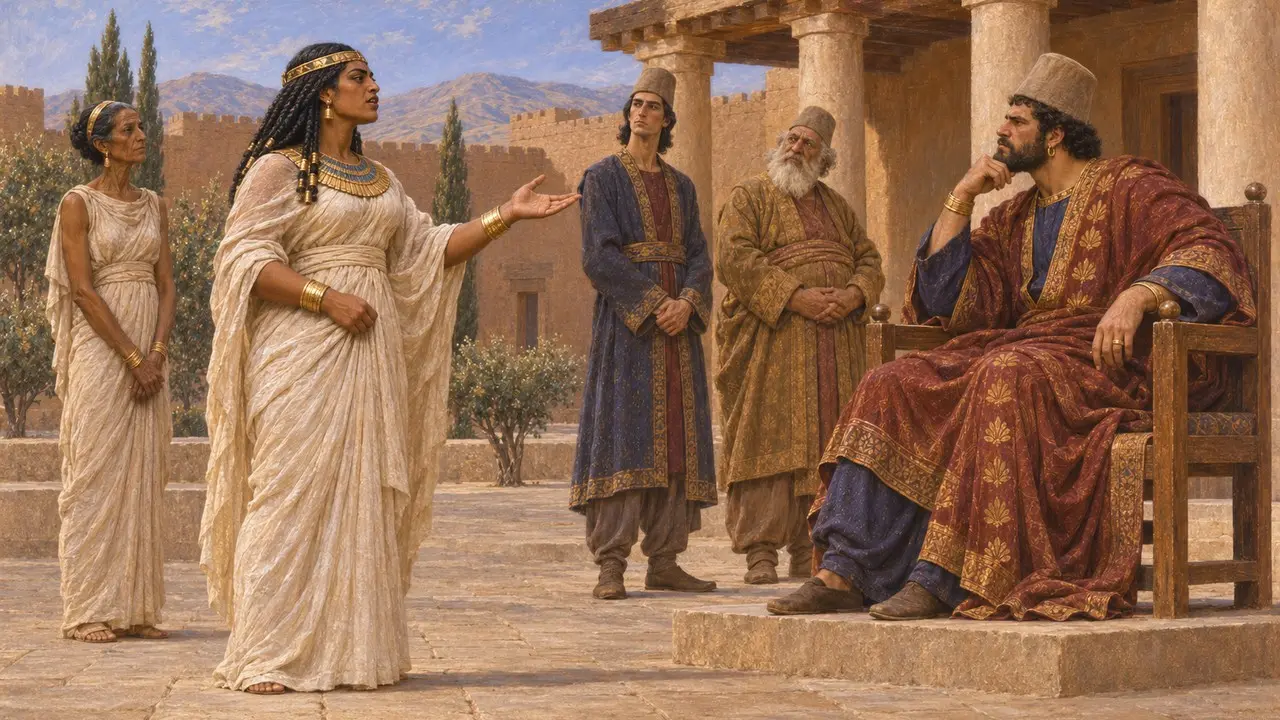
Why Cambyses came
DisputedHerodotus gives conflicting reasons for the invasion. One tale says Amasis sent a daughter of Apries, instead of his own daughter, as a bride for Cambyses, and she revealed the trick. Herodotus says the Persians told the story differently, and he rejects the Egyptian claim that Cambyses was her son, since Cambyses was the son of Cyrus. Modern historians treat these tales as stories and look instead to Persian ambition to take Egypt after Babylon and Lydia.
Herodotus 3.1-3
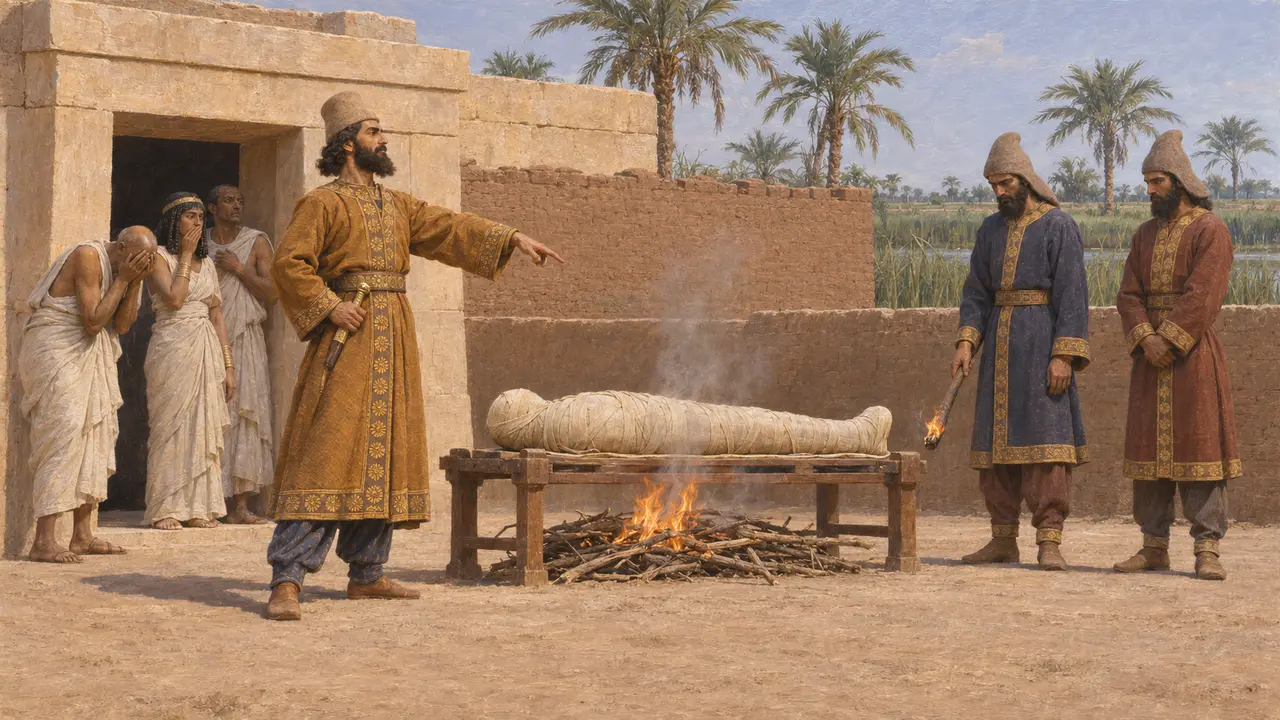
Death, Psamtik and the mummy
Ancient accountHerodotus says Amasis died before the Persians arrived and that his son Psamtik III had reigned only six months when Cambyses reached Egypt. He also says Cambyses had Amasis's body taken from its tomb at Sais and abused, then burned. Herodotus adds that burning the dead was against both Persian and Egyptian custom, and many historians doubt the tale.
Herodotus 3.10, 3.16
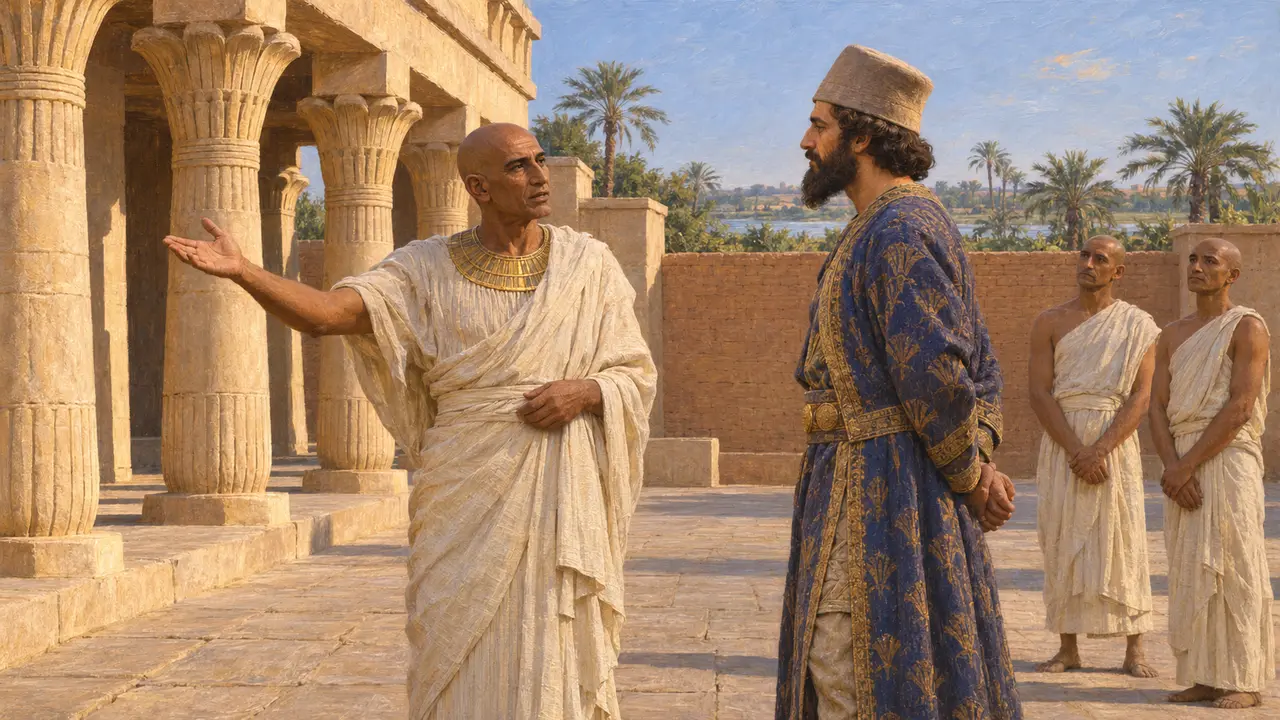
The view from Egypt
In the recordThe admiral Udjahorresnet served under Amasis and Psamtik III. His own statue inscription tells how he came to serve Cambyses and the Persian kings, and it gives an Egyptian account of the change of rule.
Statue of Udjahorresnet
Sources
- Herodotus 2.161-179
- Herodotus 3.1-16
- Statue of Udjahorresnet
- P. Briant, From Cyrus to Alexander, 2002