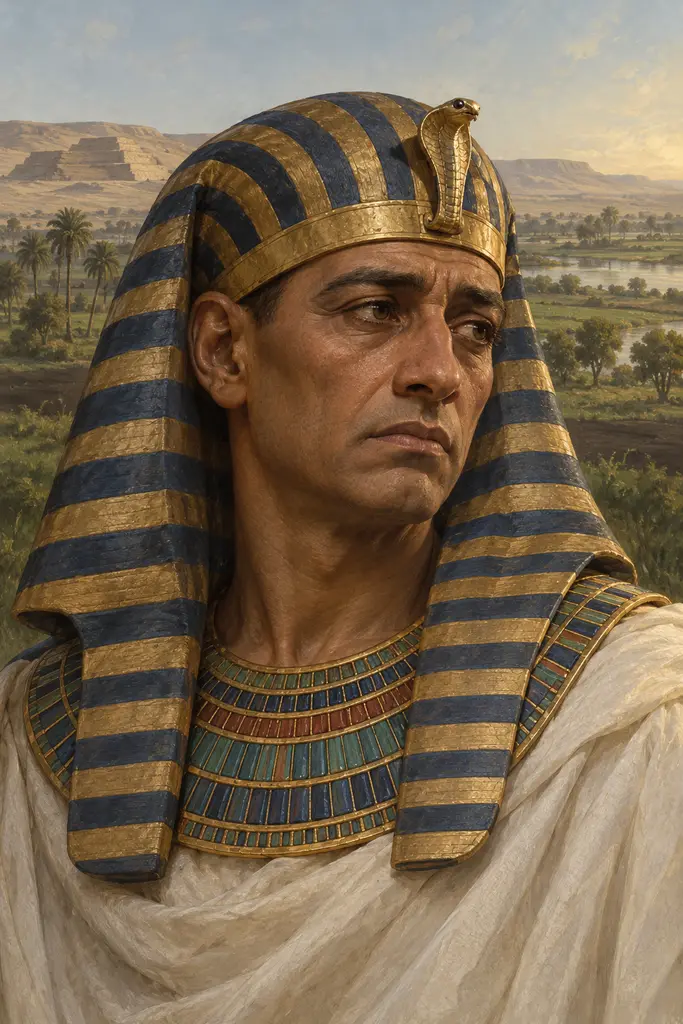
Psamtik III
Last Pharaoh of Egypt's 26th dynasty, reigned about 526-525 BCE
In the game: Level 2: The Spear-bearer
Psamtik III, called Psammenitus by Herodotus, was the son of Amasis and the last king of Egypt's 26th dynasty. He had ruled for only a few months when Cambyses invaded, defeated his army at Pelusium and took Memphis. His fall brought Egypt into the Persian empire, which held it until about 404 and again from 343 to 332.
In the game: The chronicle presents him as the Pharaoh beaten at Pelusium in the Memphis level (525), following Herodotus. His execution for plotting revolt is Herodotus's version; other ancient writers told his end differently.
Son of Amasis and a short reign
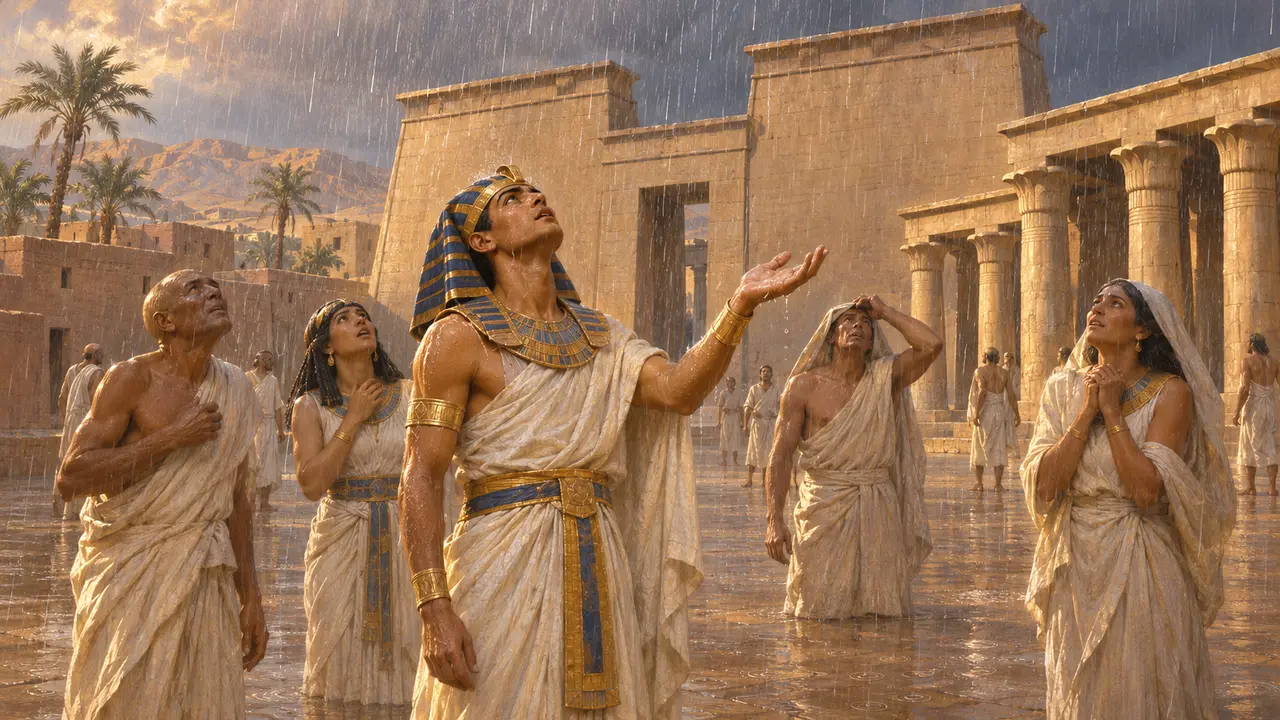
Ancient accountHerodotus says Psammenitus came to the throne when his father Amasis died, just as the Persians were preparing to invade. He reports that rain fell at Egyptian Thebes during the new reign, which the Egyptians took as a strange sign. By Herodotus's reckoning Psamtik ruled for six months before he was captured.
Herodotus 3.10; Herodotus 3.14
Defeat at Pelusium and the fall of Memphis
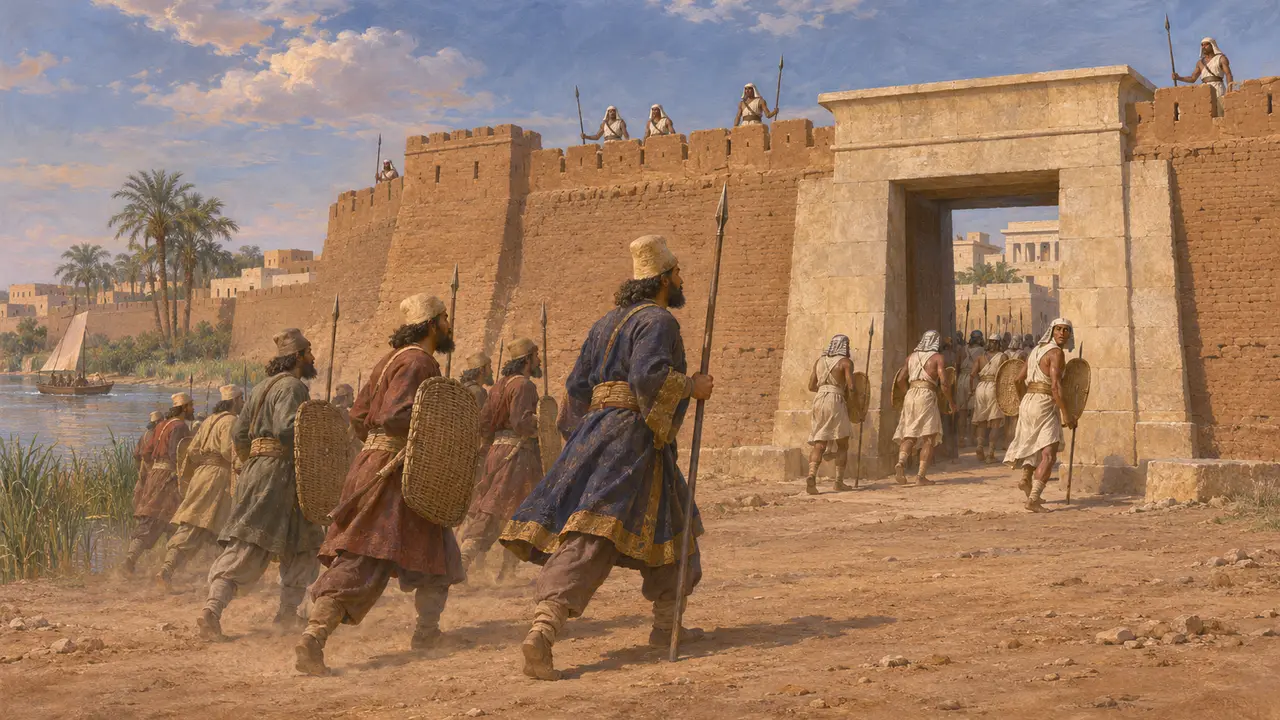
Ancient accountHerodotus tells that Psamtik met Cambyses at the Pelusiac mouth of the Nile and was routed. His Greek and Carian mercenaries had killed the sons of Phanes, a Greek who had gone over to the Persians. The Egyptians fled to Memphis, killed the crew of a ship sent to demand surrender, and were then besieged until the city gave in.
Herodotus 3.11-13
What Egyptian monuments say
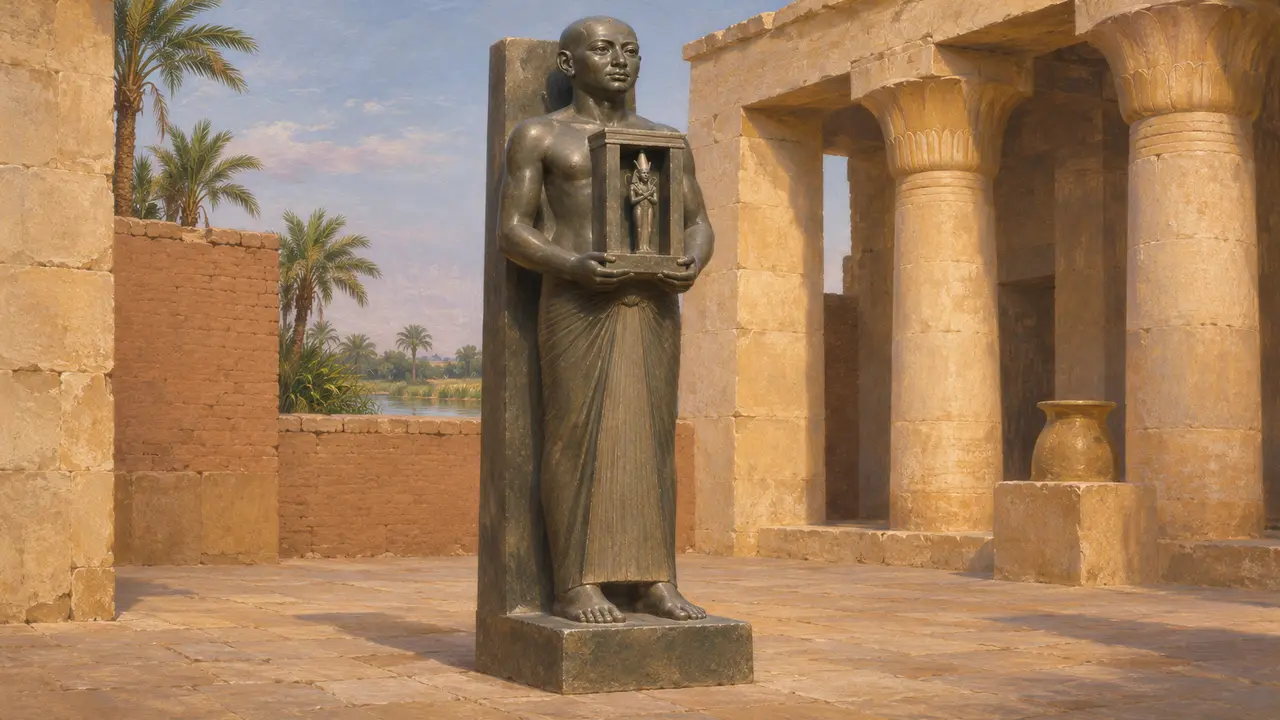
In the recordFew objects survive from so short a reign. The naophorous statue of Udjahorresnet, now in the Vatican, records that he commanded the royal fleet under Amasis and Psamtik before serving Cambyses. It describes Cambyses coming to Egypt with men of every foreign land and later mentions a great turmoil in the country. It says nothing of Psamtik's defeat or his fate.
Statue of Udjahorresnet (Vatican Museums)
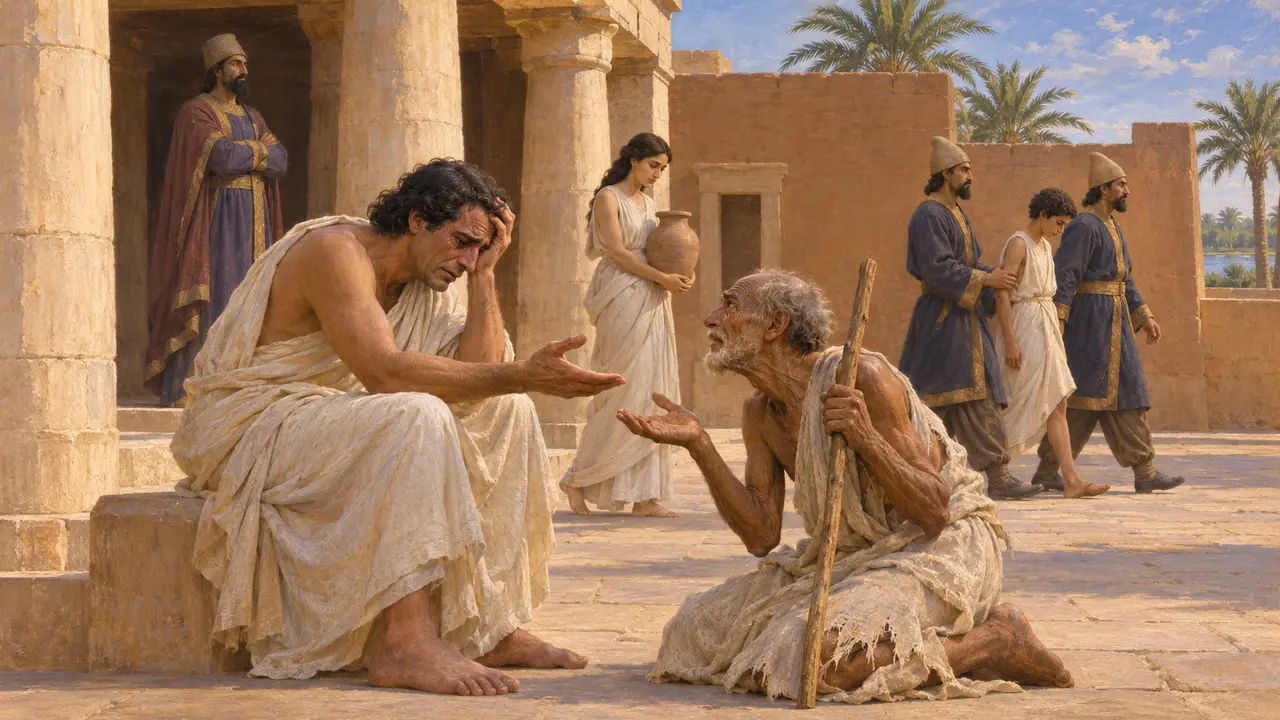
The test of grief and the bull's blood
Later legendHerodotus says Cambyses made the captive king watch his daughter carry water as a slave and his son led to execution; Psamtik wept only for an old friend reduced to begging. Cambyses relented and kept him at court, but Psamtik was caught stirring revolt and died after drinking bull's blood. The scene is shaped as a moral tale, and death by bull's blood is a Greek story told of others too.
Herodotus 3.14-15
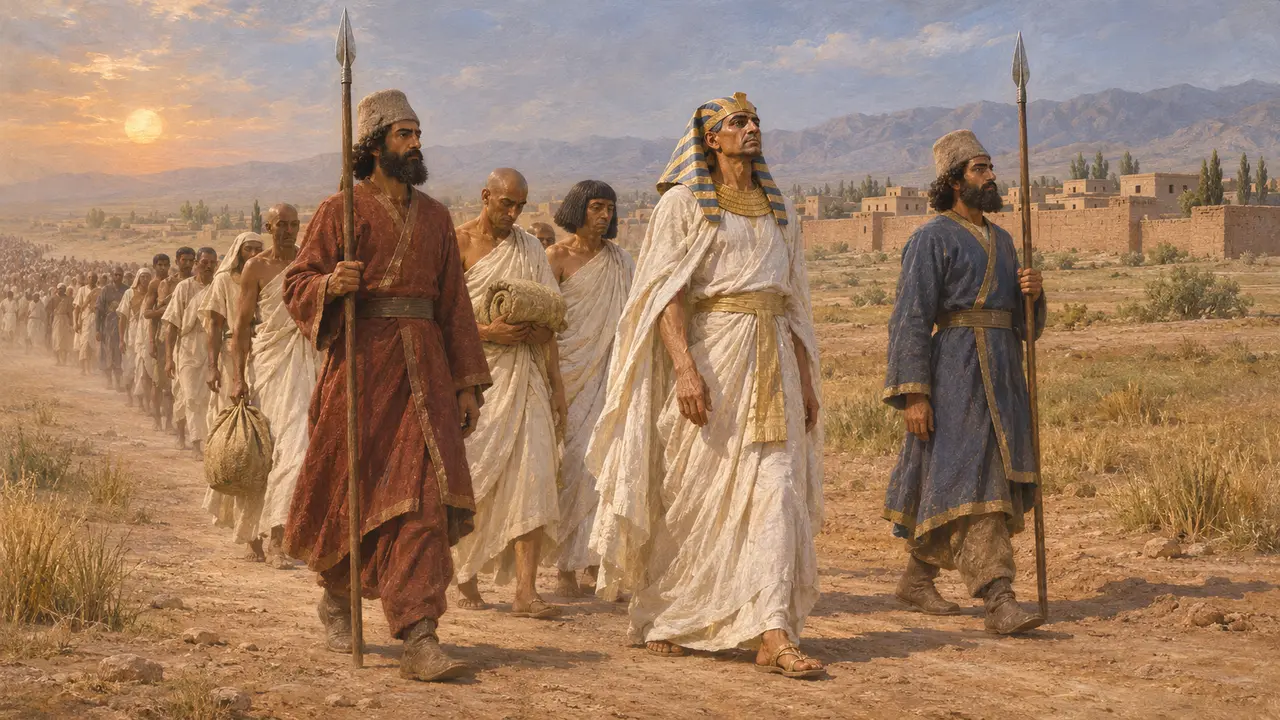
Other versions and the date
DisputedCtesias names the defeated king Amyrtaeus and says Cambyses sent him to Susa with six thousand Egyptians, with no execution. A much later writer, Polyaenus, claims the Persians shielded themselves with sacred animals at Pelusium, a story most historians reject. Most date the conquest to 525, though some scholars argue for 526 from the Egyptian evidence.
Ctesias, Persica (summary by Photius); Polyaenus, Stratagems 7.9
Sources
- Herodotus 3.10-15
- Statue of Udjahorresnet (Vatican Museums)
- Ctesias, Persica (summary by Photius)
- P. Briant, From Cyrus to Alexander, 2002
- Polyaenus, Stratagems 7.9