Encyclopedia › Battles and events
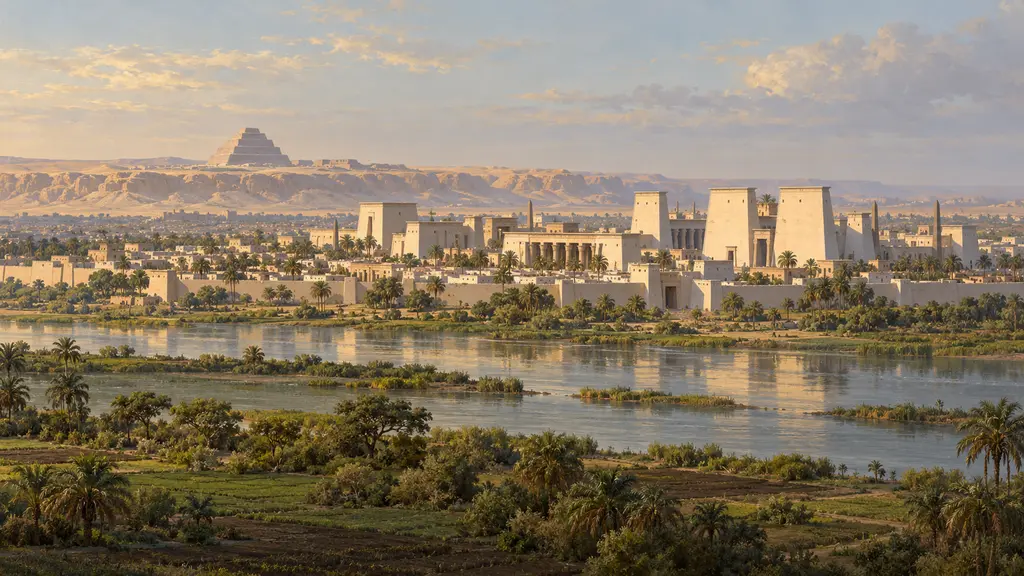
The siege of Barca
Persian siege of a Greek city in Cyrenaica, Libya, about 513 BCE
In the game: Level 6: The Bridge of Boats
In the late sixth century the Persian satrap of Egypt sent an army west against Barca, a Greek city in Libya, which held out for nine months. Herodotus's account of the siege is one of the earliest Greek descriptions of tunnelling under city walls and of finding the tunnels by sound. The city fell to a trick, and many of its people were deported across the empire to Bactria.
In the game: The game shows Persians tunnelling under Barca's walls and a smith finding the tunnels with a ringing bronze shield, as Herodotus tells it, and uses the scene to introduce siege mining. The date of about 513 is approximate.
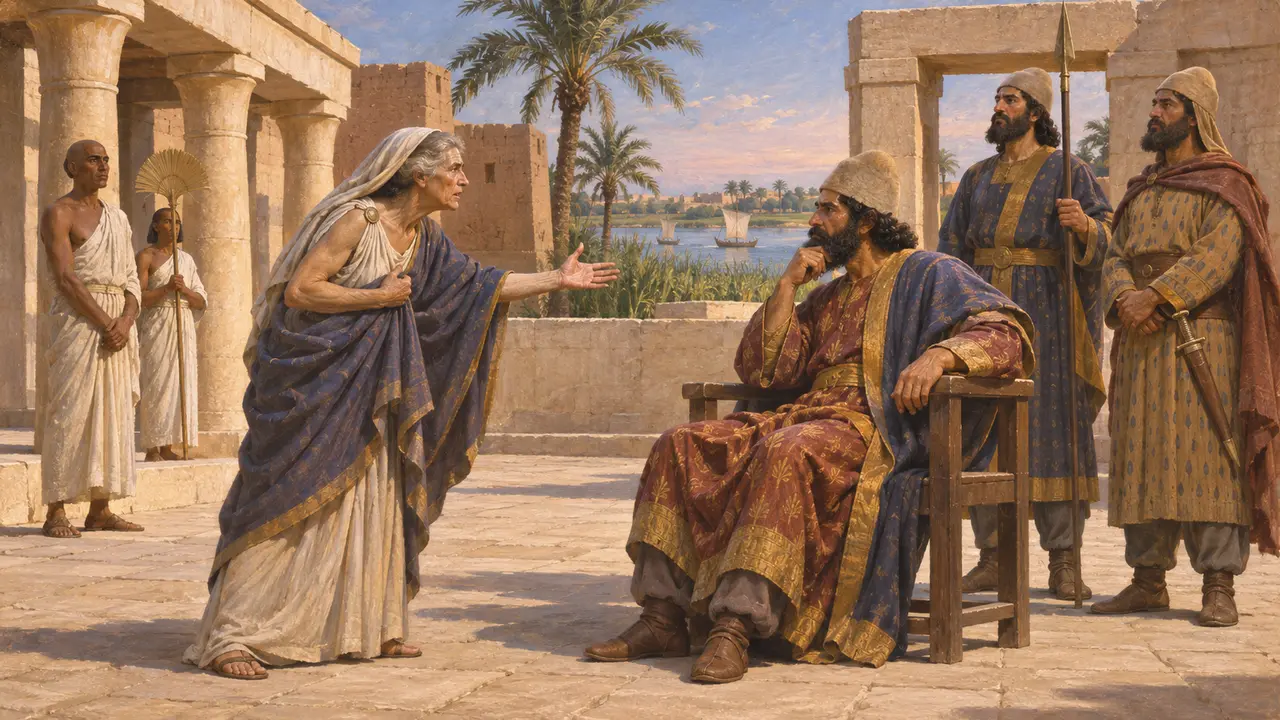
Pheretime's appeal to Egypt
Ancient accountHerodotus says that Arcesilaus III, king of Cyrene, was murdered at Barca, and that his mother Pheretime fled to Egypt to ask the satrap Aryandes for help. Aryandes sent an army under Amasis, a Maraphian, and a fleet under Badres of the Pasargadae. Herodotus thought vengeance was only a pretext, and that the real aim was to bring the Libyans under Persian rule.
Herodotus 4.164-167
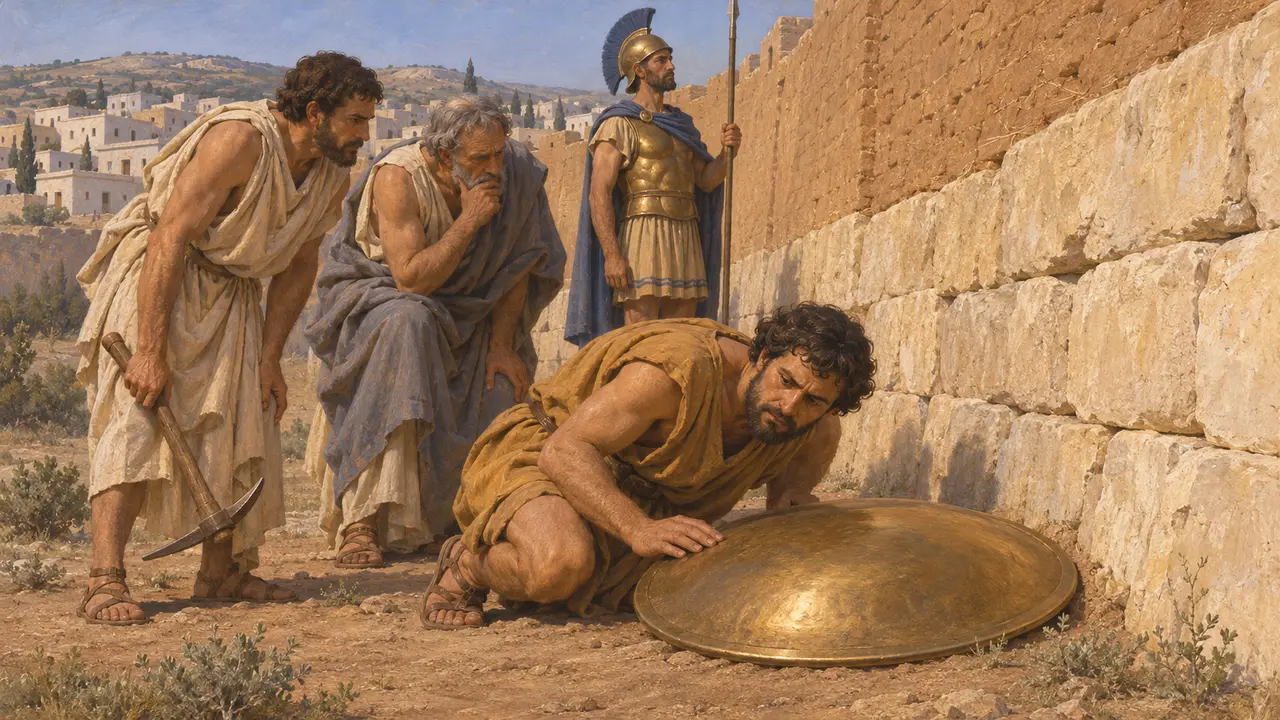
Tunnels found by a ringing shield
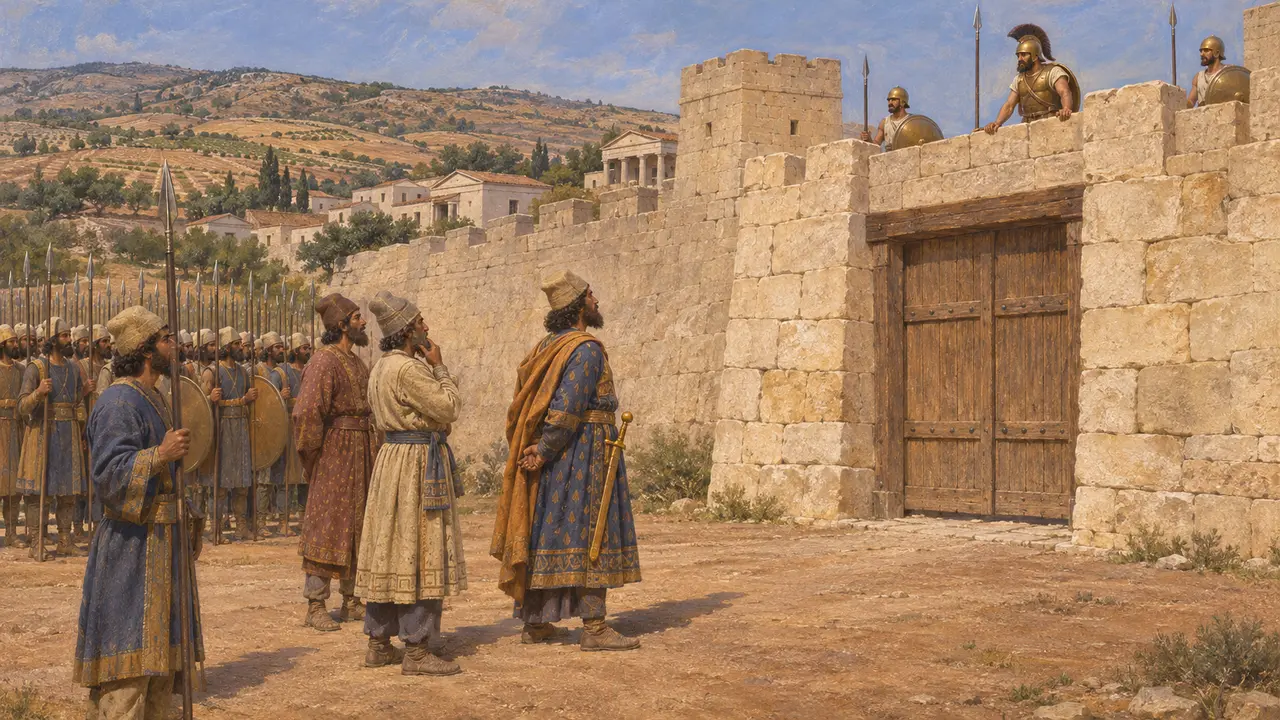
Ancient accountThe Persians demanded the killers of Arcesilaus, and the Barcaeans replied that the whole city shared the blame. Herodotus says the siege lasted nine months, with assaults and tunnels dug towards the walls. A bronze-smith carried a bronze shield around inside the walls and laid it on the ground, and where digging went on beneath, the shield rang. The Barcaeans dug countermines there, killed the diggers and beat off the assaults.
Herodotus 4.200
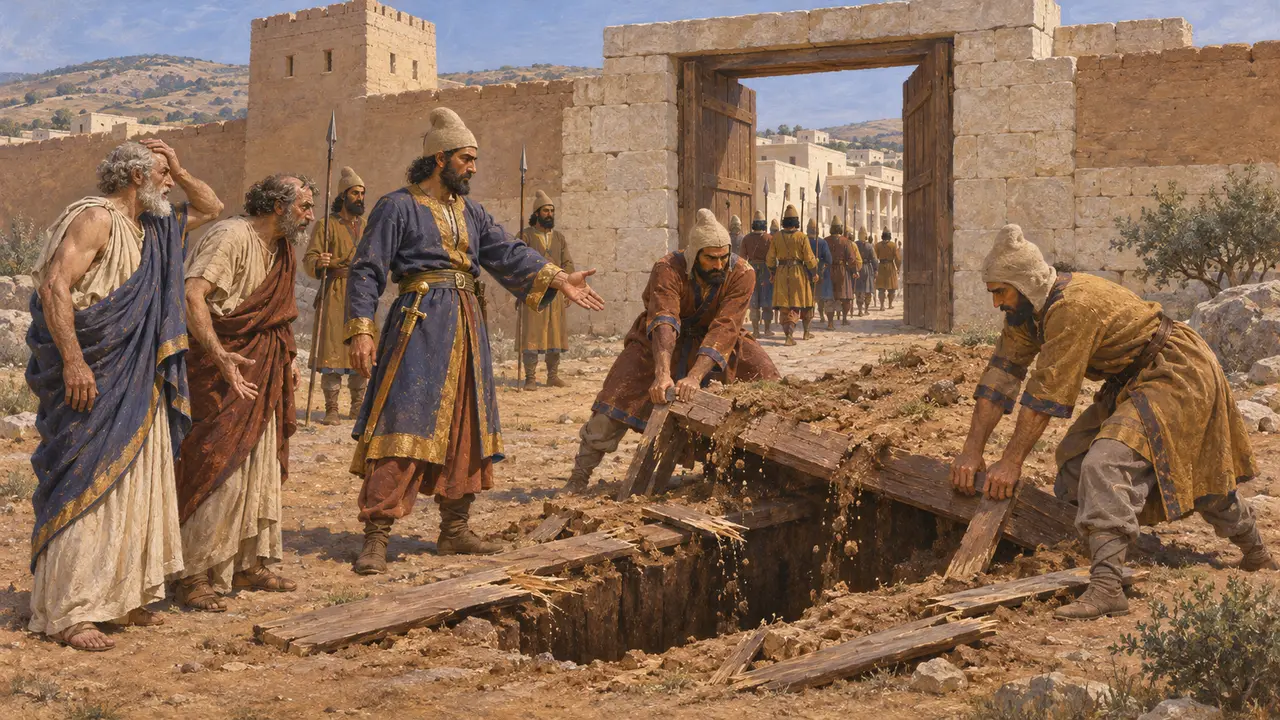
Taken by a false oath
Ancient accountUnable to take the city by force, Amasis had a trench dug by night, covered with planks and a layer of earth. Over this spot he swore to keep a treaty for as long as the ground stayed as it was. The Barcaeans agreed to pay tribute and opened their gates. Herodotus says the Persians then broke the planks, treated the oath as void and took the city, and Pheretime had those most to blame impaled around the walls.
Herodotus 4.201-202
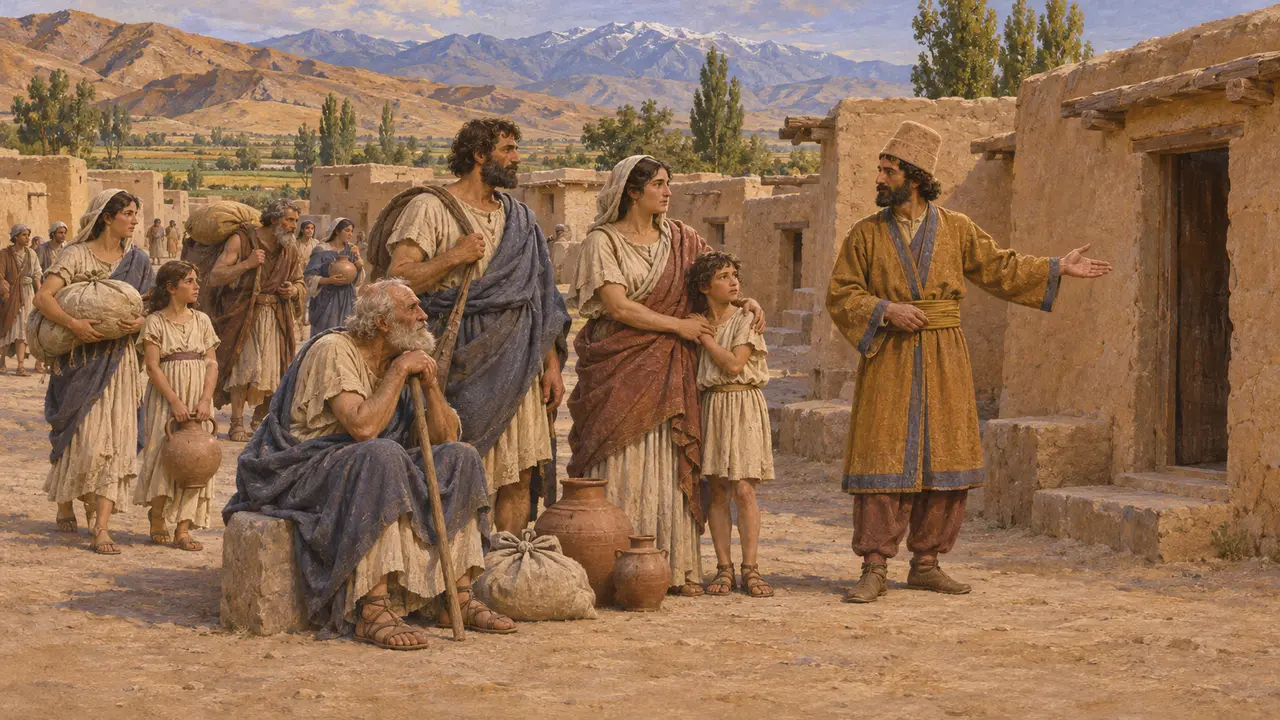
A new Barca in Bactria
Ancient accountHerodotus says the army marched back past Cyrene, debated seizing it, and lost stragglers to Libyan raiders on the road to Egypt. The enslaved Barcaeans were sent to Darius, who gave them a village in Bactria. They named it Barca, and Herodotus says it was still inhabited in his own time. Moving whole communities in this way was a known Persian practice; the captured Eretrians were later settled near Susa.
Herodotus 4.203-204; Herodotus 6.119
Date and purpose
DisputedHerodotus places the expedition at the same time as Darius's Scythian campaign, which suggests about 513, but he names no year and some historians date it a few years earlier or later. Herodotus says the Libyans, Cyrene and Barca had already submitted to Cambyses in 525, so historians debate whether this was conquest or the punishment of an unruly subject city. Putaya, the Persian name for Libya, appears among the King's lands in Darius's tomb inscription.
Herodotus 4.145; Herodotus 3.13; DNa; P. Briant, From Cyrus to Alexander, 2002
Sources
- Herodotus, Histories 4.145-205
- P. Briant, From Cyrus to Alexander, 2002
- Herodotus 3.13 and 3.91
- DNa (Darius's tomb inscription at Naqsh-e Rostam)
- Herodotus 6.119