The Bactrians
People of the upper Oxus around Bactra (Balkh), an eastern province of the King
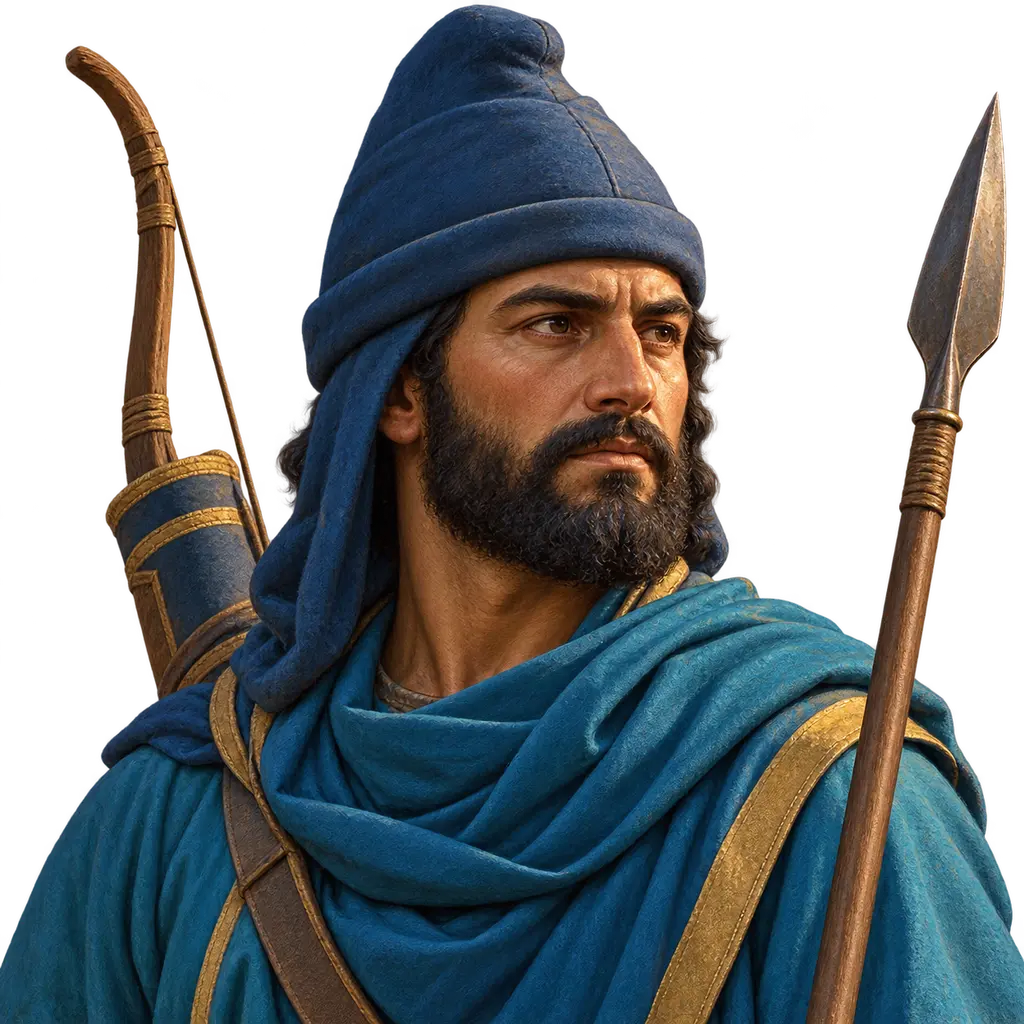
The Bactrians lived in the fertile plains of the upper Oxus, in what is now northern Afghanistan and the lands just north of it. Their country, Bakhtrish in Old Persian, was one of the most important eastern provinces of the Achaemenid kings. It supplied gold, horsemen and foot soldiers, and Bactrian troops fought in Greece in 480 and 479.
In the game: The game fields the Bactrians as spearmen in the King's army. Herodotus says they carried native cane bows as well as short spears, so the game's spear-only label simplifies their equipment.
A province in the King's own words
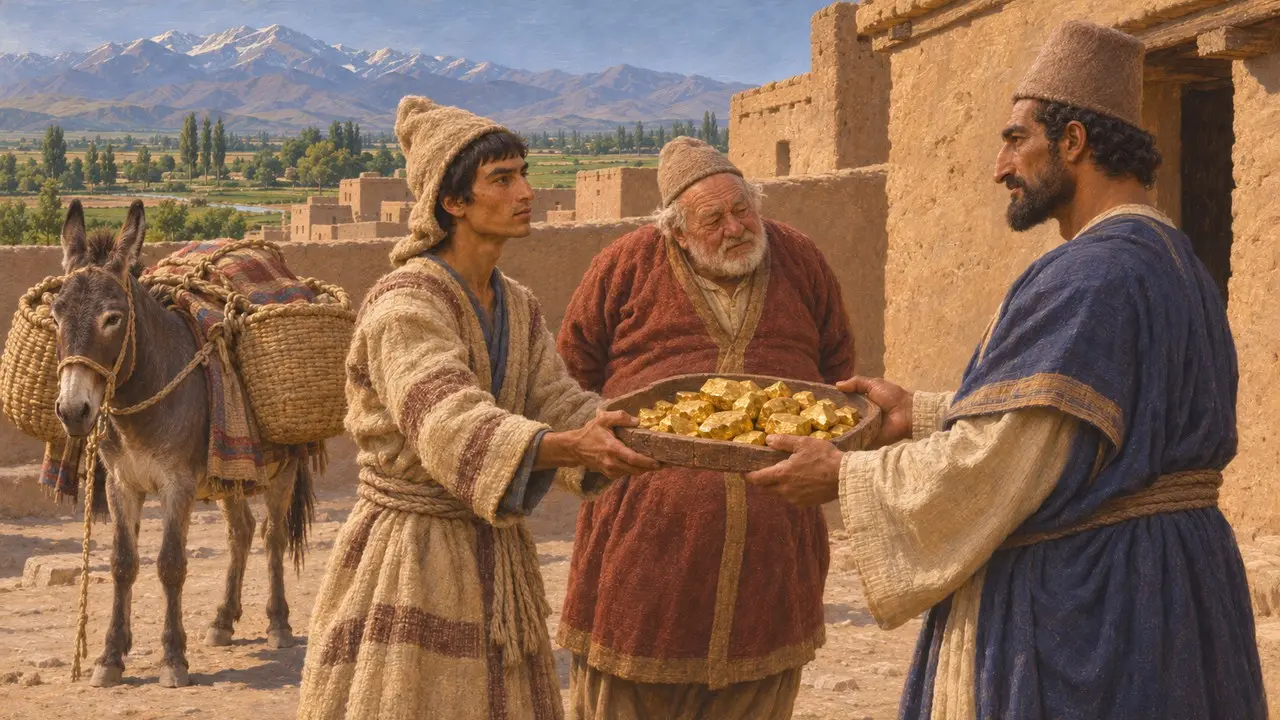
In the recordDarius named Bactria among the lands that obeyed him in his Behistun inscription. When Margiana rose in revolt in 521, the Persian Dadarshi, whom Darius calls his satrap in Bactria, marched against the rebel Frada and defeated him. In his foundation charter for the palace at Susa, Darius says the gold used there was brought from Sardis and from Bactria.
DB §6; DB §38; DSf
Bactrians in Xerxes' army
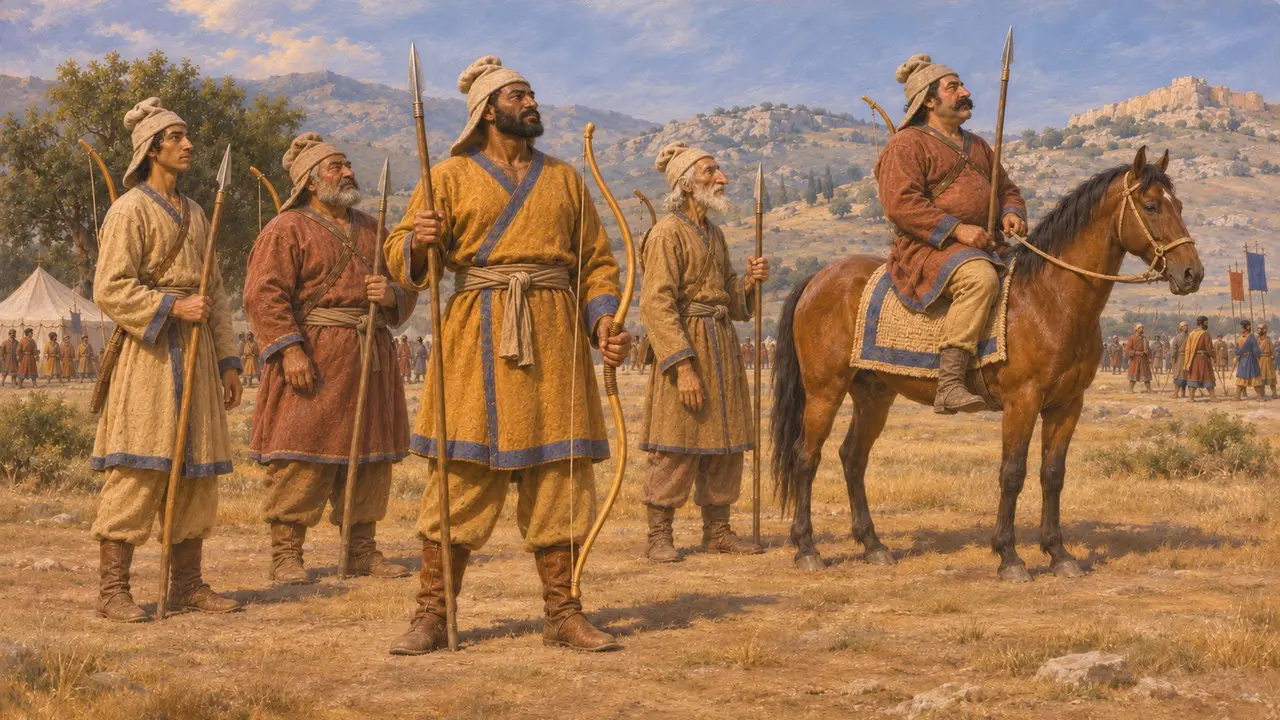
Ancient accountHerodotus describes the Bactrians of 480 as wearing headgear much like the Medes, with native cane bows and short spears, and says their horsemen were armed like their foot. They and the Saka were led by Hystaspes, a son of Darius and Atossa. He adds that Mardonius kept Bactrians among the picked troops left in Greece, and that at Plataea they faced several smaller Peloponnesian contingents.
Herodotus 7.64; Herodotus 7.86; Herodotus 8.113; Herodotus 9.31
Tribute, exile and revolt
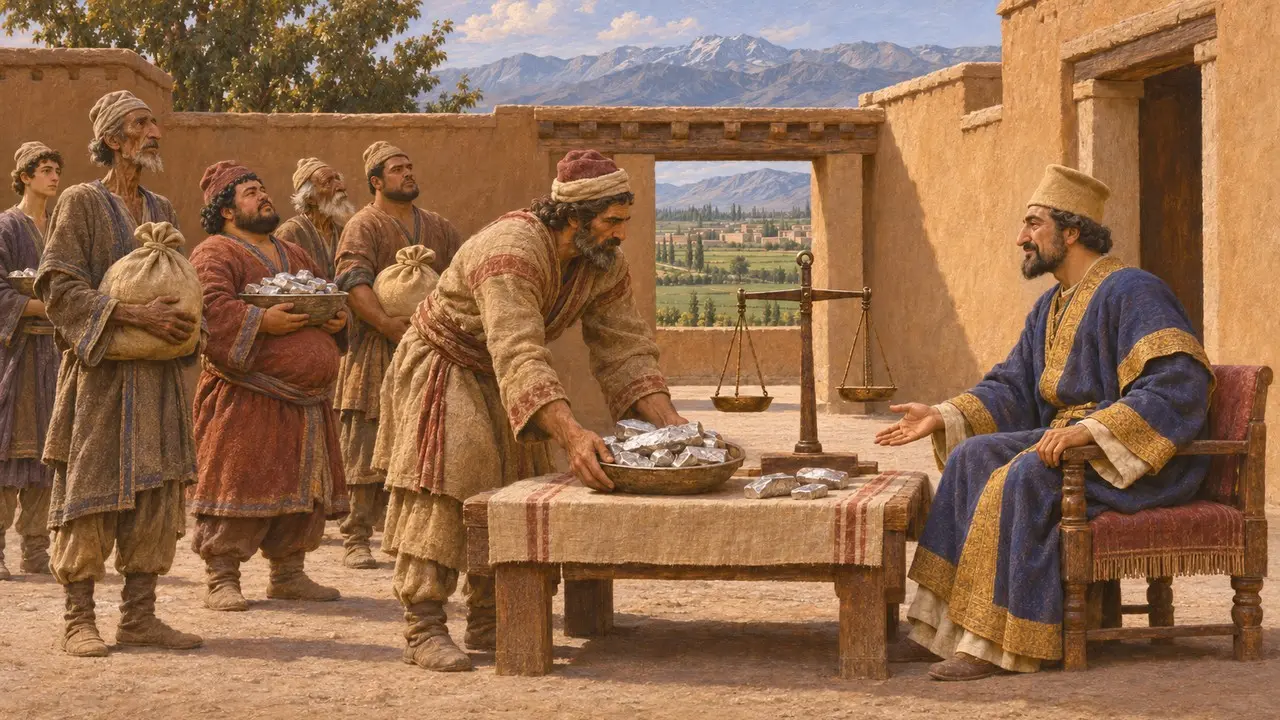
Ancient accountHerodotus lists the Bactrians as the twelfth tribute district, paying 360 talents of silver a year. He says captives from Barca in Libya were resettled in a Bactrian village. He also tells how Masistes, a brother of Xerxes and governor of Bactria, set out for the province to raise a revolt and was killed on the way, which suggests it could serve as a power base for a royal prince.
Herodotus 3.92; Herodotus 4.204; Herodotus 9.113
How Bactria came under Persian rule
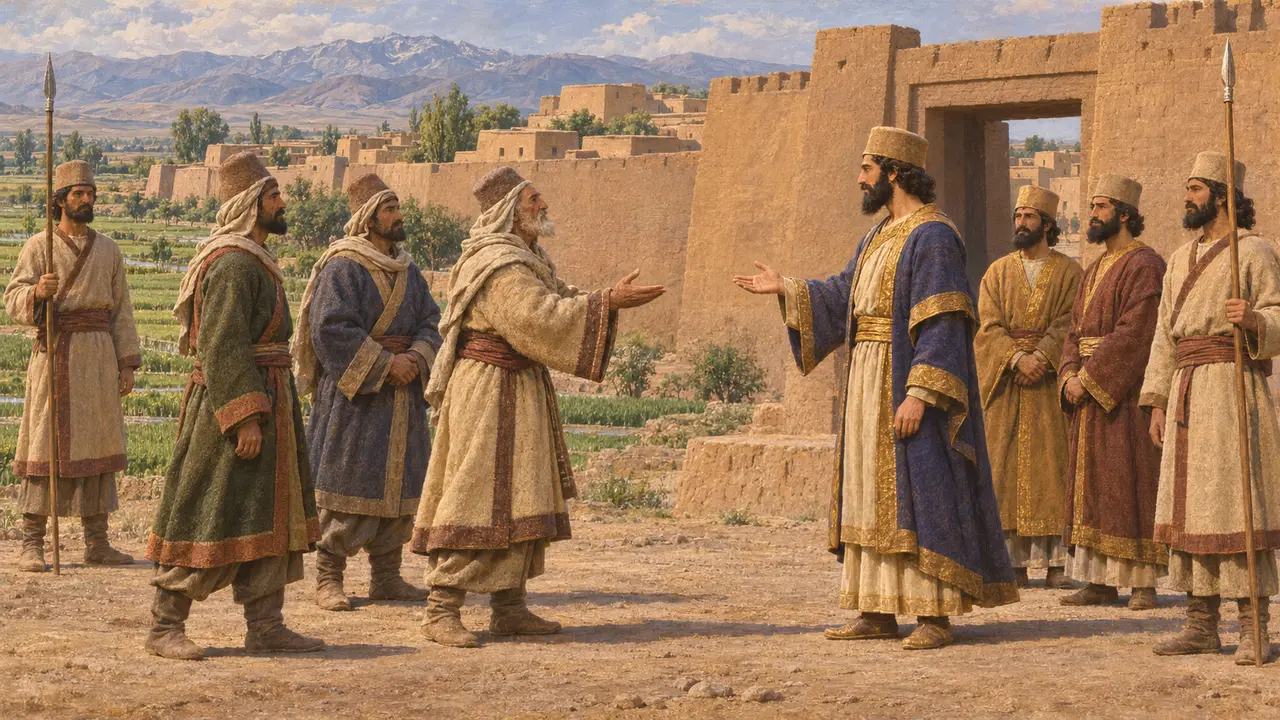
DisputedHerodotus says only that Cyrus planned a campaign against the Bactrians and the Saka. Ctesias, writing later, says the Bactrians fought Cyrus and then submitted, and that Cyrus gave his younger son Bardiya a large eastern command including Bactria. Historians still argue about how Bactria was won, and about whether it had been an organised kingdom before the Persians or a land of local lords.
Herodotus 1.153; Ctesias, Persica (epitome of Photius); P. Briant, From Cyrus to Alexander, 2002
Older kings and later prophets
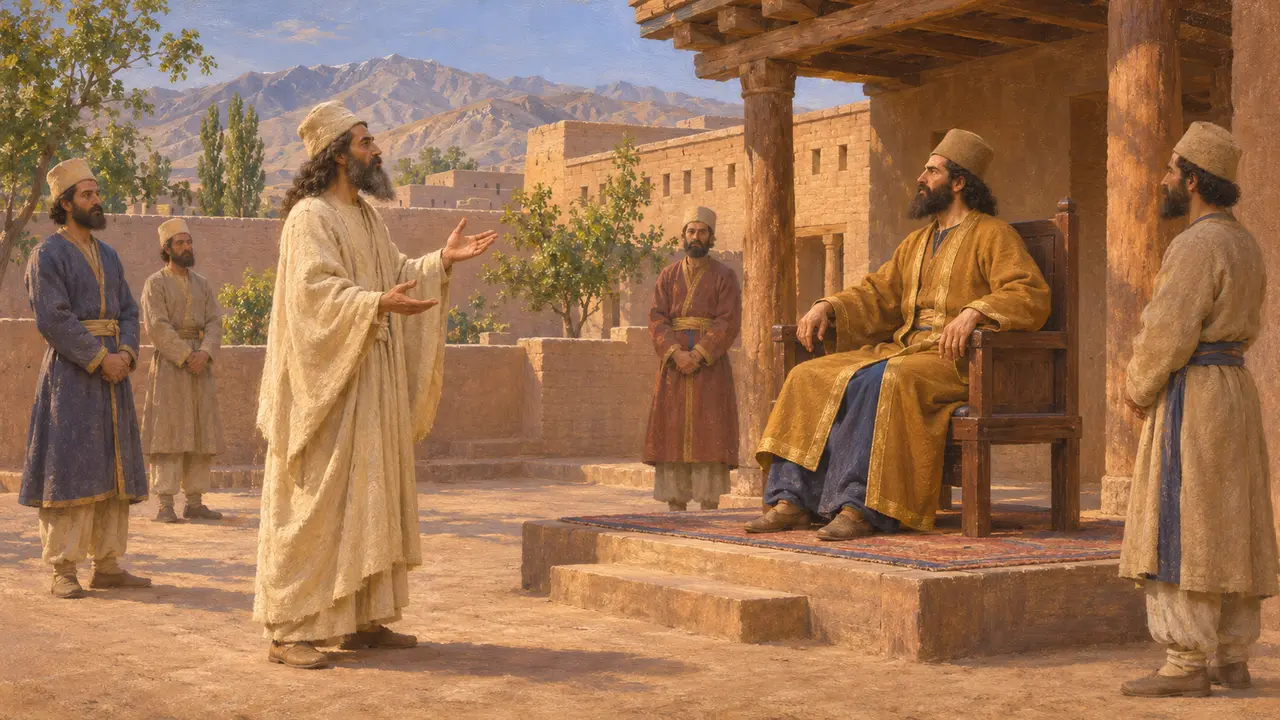
Later legendGreek writers drawing on Ctesias told of an ancient Bactrian king who resisted the Assyrian Ninus until Semiramis took his city, a tale with no support in Assyrian records. Much later Iranian tradition, as in the Shahnameh, placed the court of King Goshtasp and the prophet Zarathustra at Balkh. Neither story can be used as evidence for the Bactria that Darius and Xerxes ruled.
Diodorus, book 2; Ferdowsi, Shahnameh
Sources
- Behistun inscription, DB §6 and §38
- Herodotus, Histories 1.153, 3.92, 4.204, 7.64, 7.86, 8.113, 9.31, 9.113
- Darius, Susa foundation charter, DSf
- P. Briant, From Cyrus to Alexander, 2002
- Ctesias, Persica (epitome of Photius)
- Diodorus, book 2