Encyclopedia › Soldiers and ships
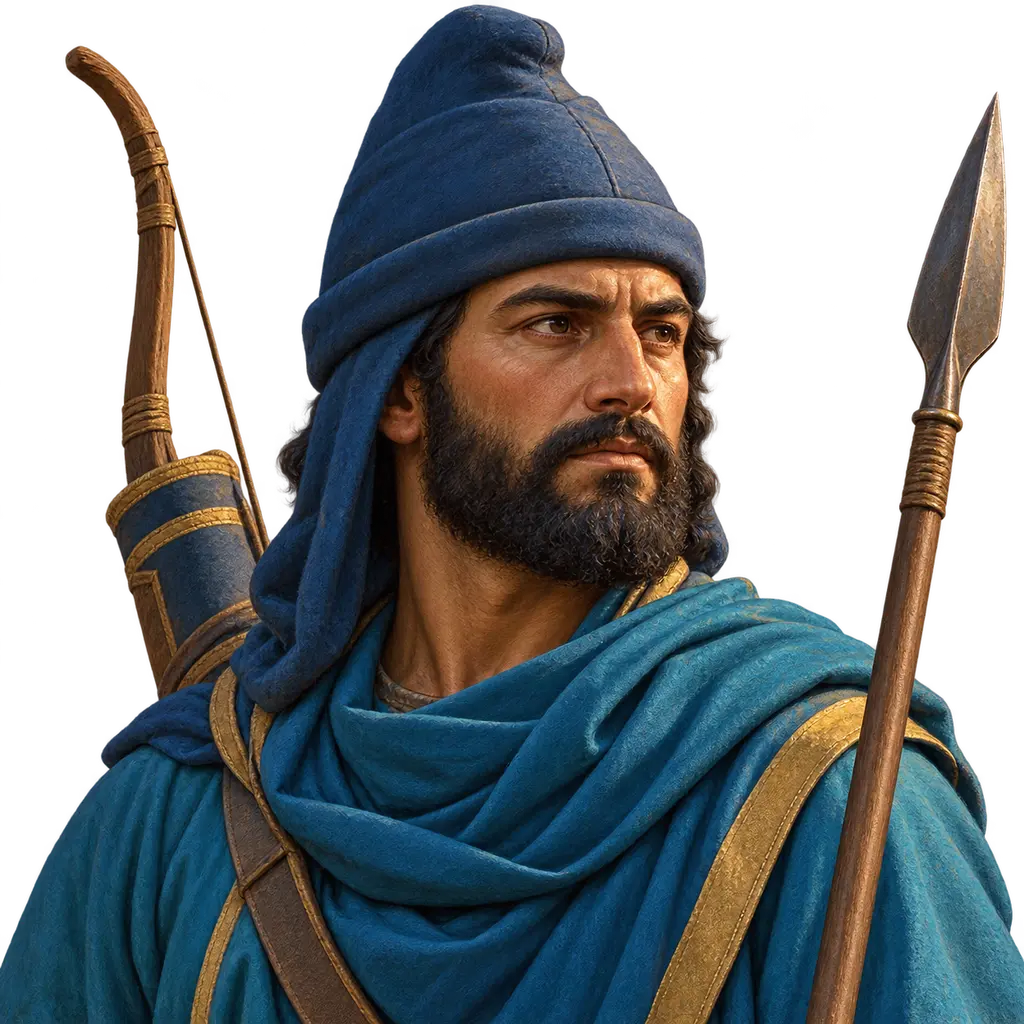
Bactrian Spearman
Infantryman from Bactria in the Persian royal army, about 520-479 BCE
In the game: Level 11: The Finale
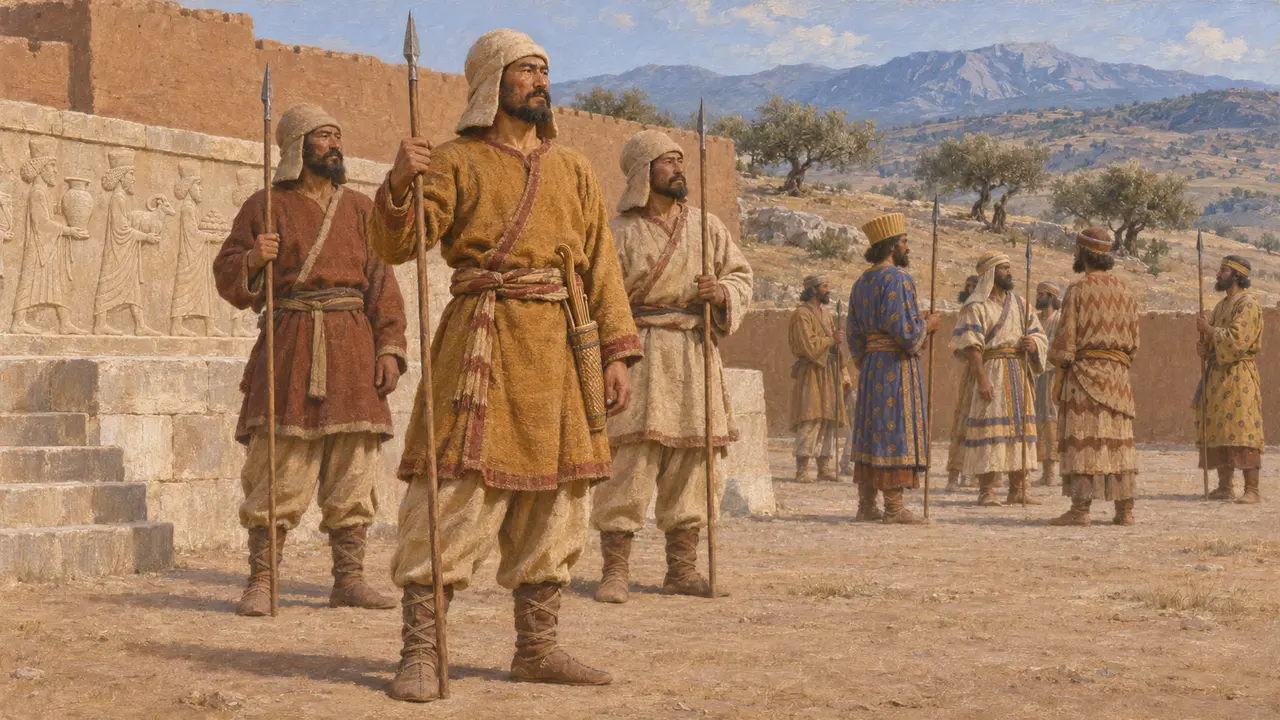
Bactria, the rich land between the Hindu Kush and the Oxus river, was one of the King's great eastern provinces, and its men marched in Xerxes' army against Greece in 480. Herodotus describes them with cane bows and short spears. Bactrians stayed in Greece with Mardonius after Salamis and fought at Plataea in 479.
In the game: The game makes the Bactrian a quick, shieldless light fighter who hunts archers and loses to hoplites. Herodotus gives the cane bow and short spear but says nothing of shields, and the battlefield role is the game's own simplification.
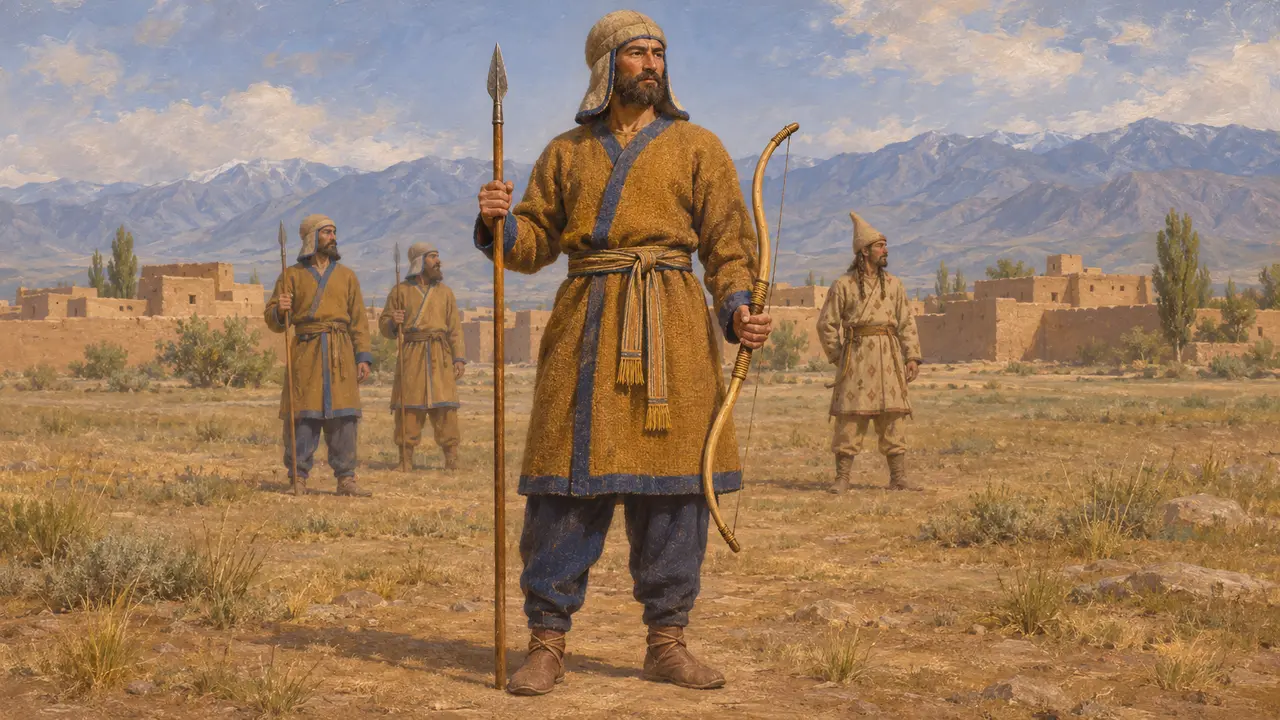
Arms and dress in Herodotus's catalogue
Ancient accountIn his list of Xerxes' forces, Herodotus says the Bactrians wore headgear much like the Median kind. He says they carried cane bows of their own country and short spears. The Bactrians and the Saka served together under one commander, Hystaspes, a son of Darius and Atossa. Herodotus does not mention shields or body armour for them.
Herodotus 7.64
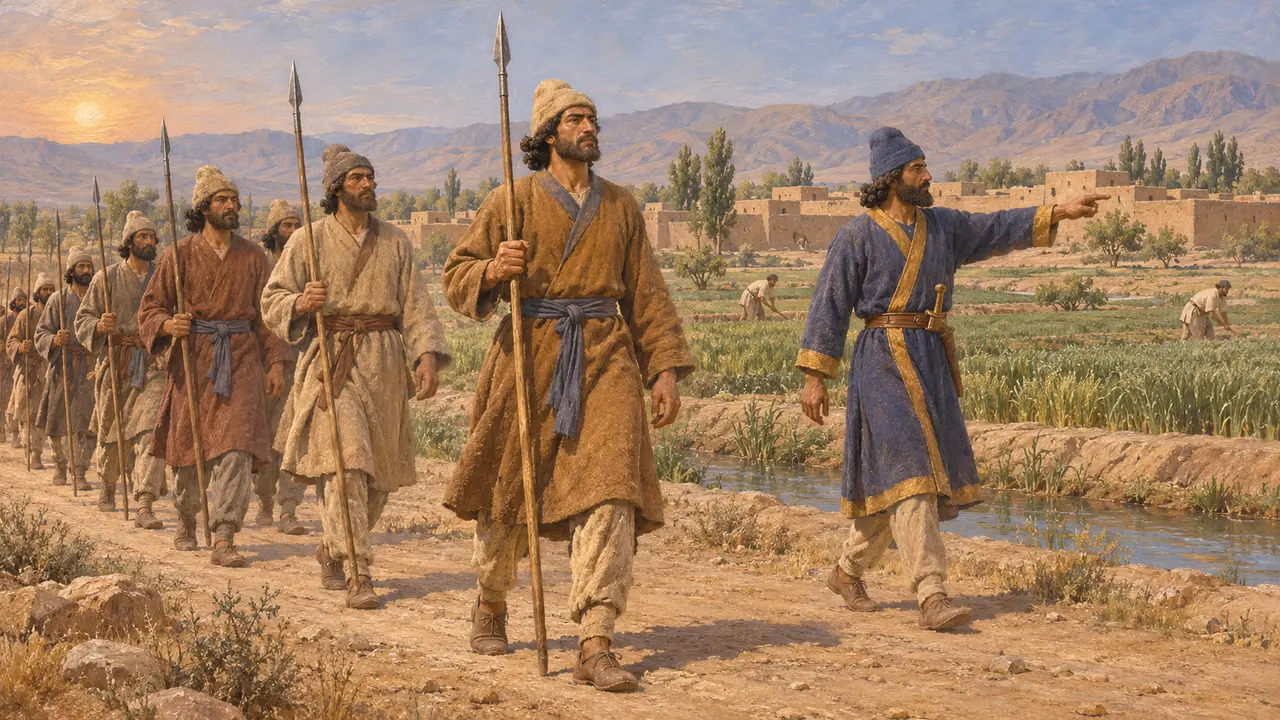
Bactria in the Persian record
In the recordDarius's Behistun inscription names Bactria among the lands that obeyed him. During the revolts of 522-521, Dadarshi, the Persian satrap of Bactria, marched against rebels in neighbouring Margiana and defeated them. In his Susa building charter, Darius says that gold used in the palace came from Sardis and Bactria.
DB §6; DB §38; DSf
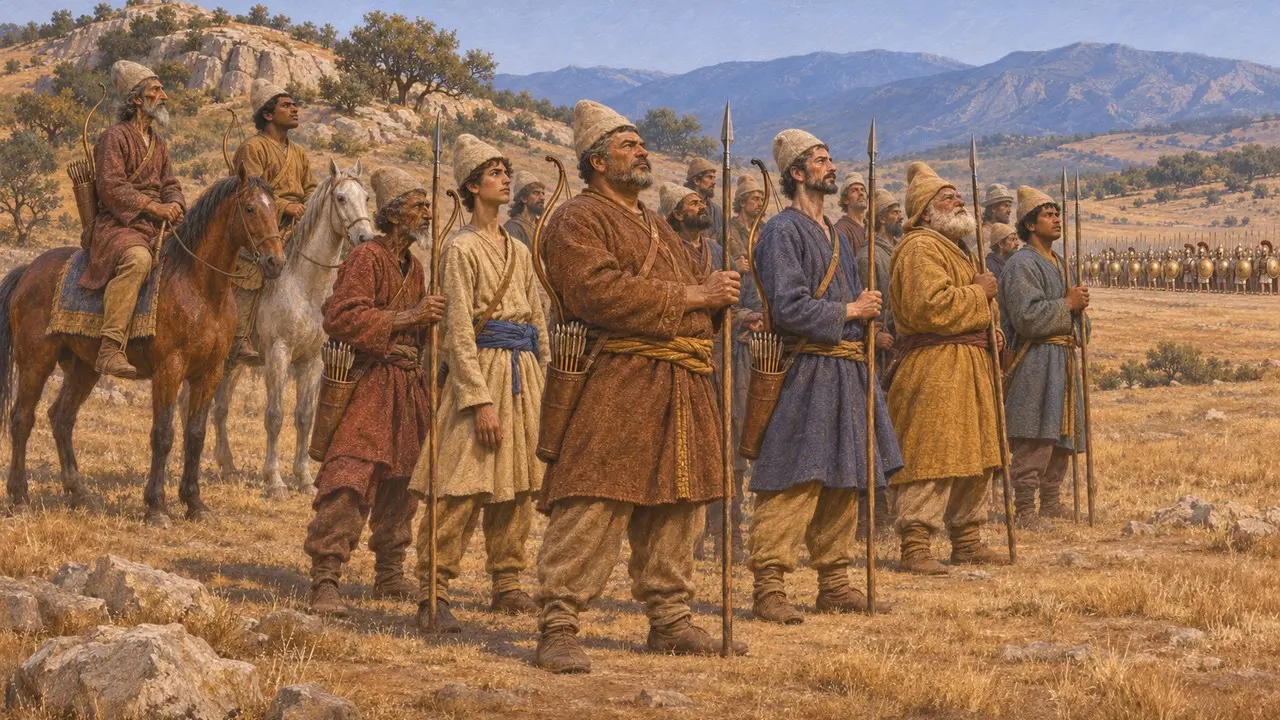
Bactrians in Greece, 480-479
Ancient accountHerodotus says that in Xerxes' army the Bactrians also sent horsemen, equipped in the same way as their foot soldiers. After Salamis, he says, Mardonius chose picked Bactrians to stay in Greece for the next year's campaign, along with Persians, Medes, Saka and Indians. At Plataea he places them next to the Medes, facing troops from several smaller Peloponnesian cities.
Herodotus 7.86; Herodotus 8.113; Herodotus 9.31
How far the catalogue can be trusted
DisputedHistorians argue over whether Herodotus's list of nations reflects real units he had information about or an idealised roll of the empire's peoples. Some scholars compare it to the rows of subject peoples shown on Persian reliefs. His total figures for Xerxes' army are generally thought to be greatly exaggerated. How many Bactrians actually reached Greece is unknown.
O. K. Armayor, Herodotus's Catalogues of the Persian Empire, 1978; P. Briant, From Cyrus to Alexander, 2002
Sources
- Herodotus 7.64
- Herodotus 8.113
- Herodotus 9.31
- DSf
- O. K. Armayor, Herodotus's Catalogues of the Persian Empire, 1978
- P. Briant, From Cyrus to Alexander, 2002