Encyclopedia › Soldiers and ships
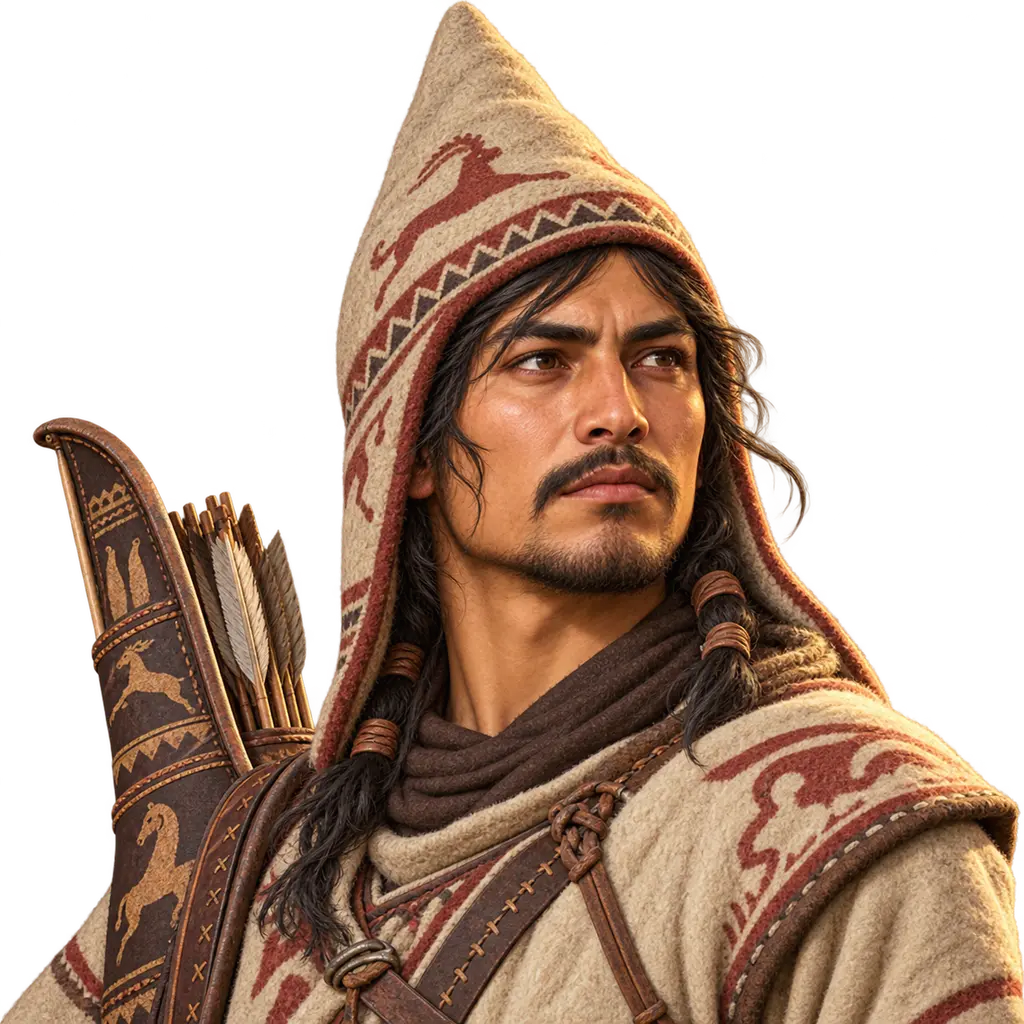
Saka Archer
Bowman of the Saka peoples of Central Asia in the Achaemenid army, about 520-479 BCE
In the game: Level 1: The Founder's Tomb
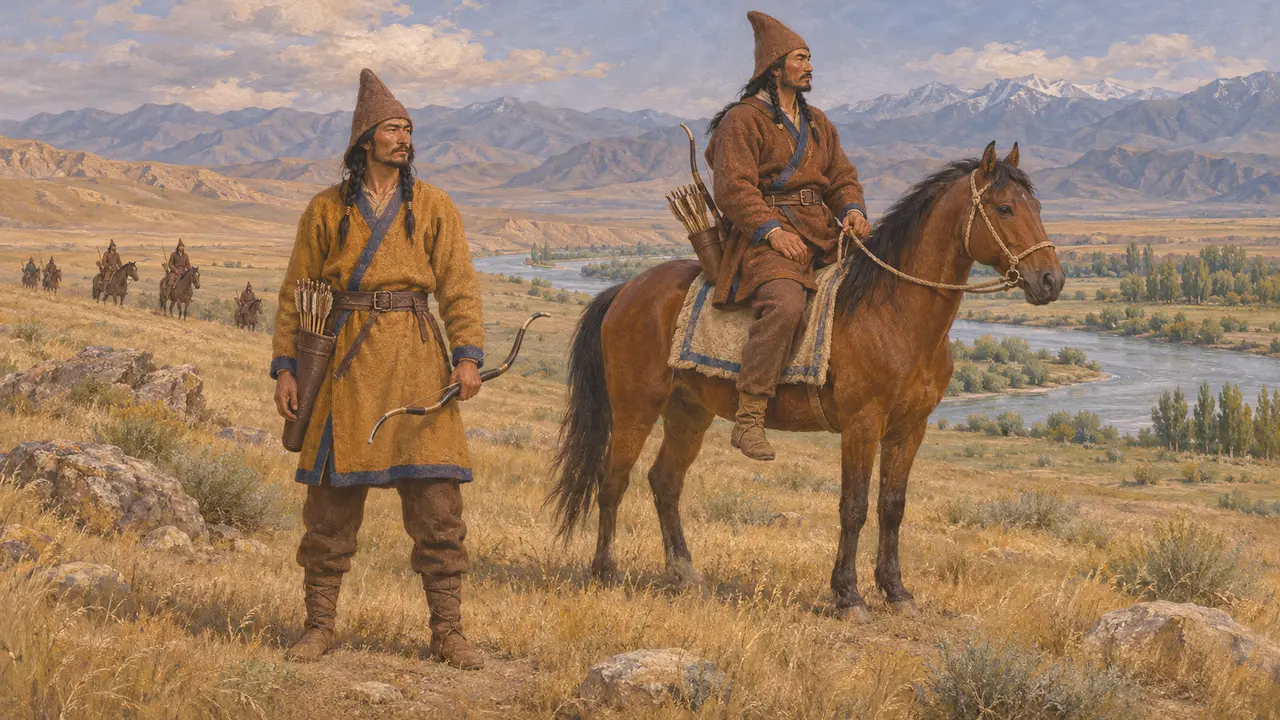
The Saka were Iranian-speaking peoples of the Central Asian steppe and mountains. They were probably first brought under Persian rule by Cyrus, and Darius campaigned against one group of them. Persian inscriptions name them among the King's lands, and Herodotus ranks Saka troops among the best of the royal army at Marathon and Plataea.
In the game: The game fields the Saka Archer behind the spearmen, shooting faster and taking more punishment than a Persian archer at slightly shorter range. No ancient source supports these comparisons, and many Saka fought on horseback.
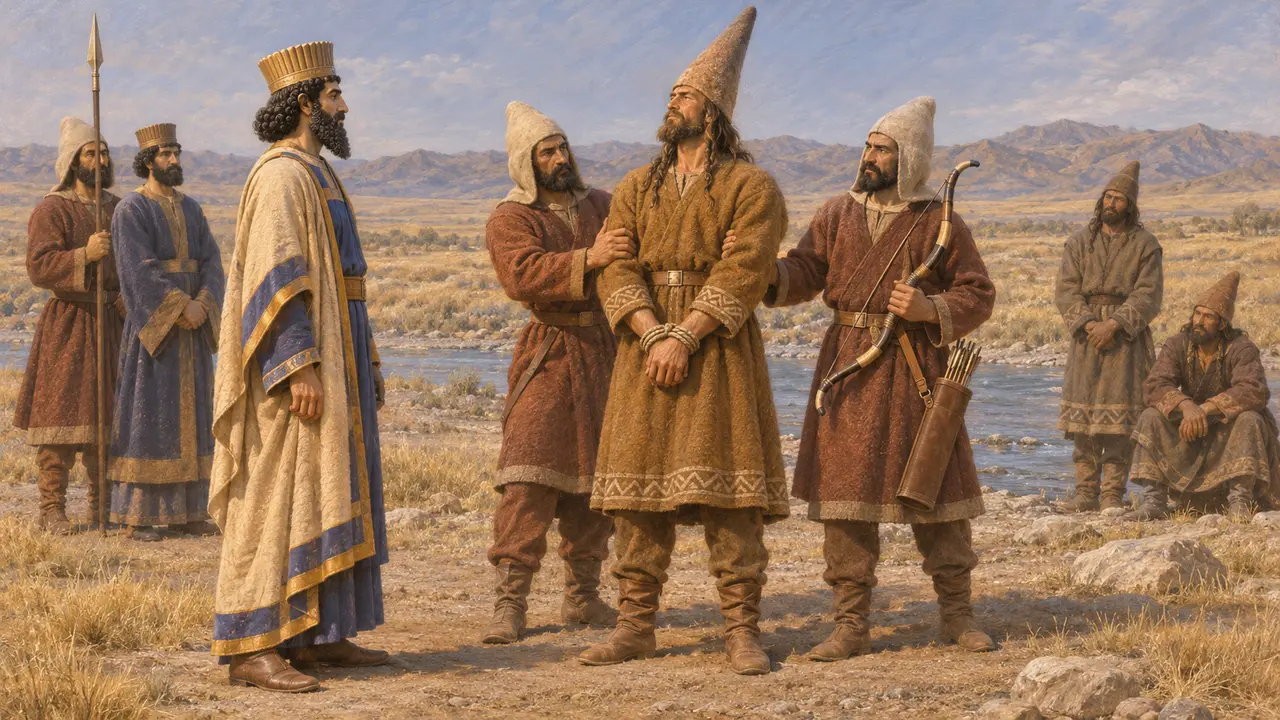
The Saka in the King's inscriptions
In the recordDarius lists the Saka among the lands that obeyed him at the start of his reign. His tomb inscription at Naqsh-e Rostam names separate groups: the hauma-drinking Saka, the pointed-cap Saka and the Saka beyond the sea. The fifth column of the Behistun inscription records a campaign against the pointed-cap Saka, probably about 519, and the capture of their chief Skunkha, whose figure in a tall cap was added to the relief.
DB §6; DB §74; DNa §3
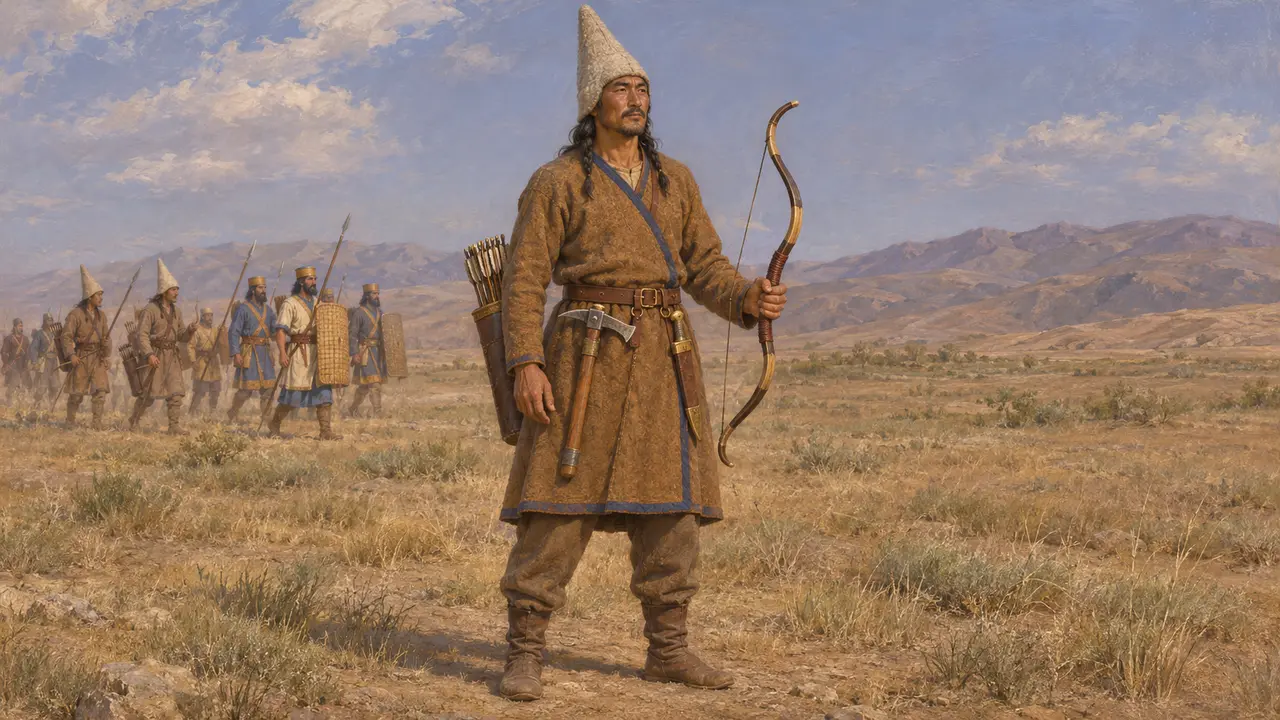
Cap, bow and axe
Ancient accountHerodotus describes the Saka in Xerxes' army of 480 as wearing tall, stiff pointed caps and trousers. He says they carried their own native bows, daggers and the battle-axe called the sagaris. He adds that the Persians called all Scythians Saka, and that the Saka marched with the Bactrians under Hystaspes, a son of Darius and Atossa.
Herodotus 7.64
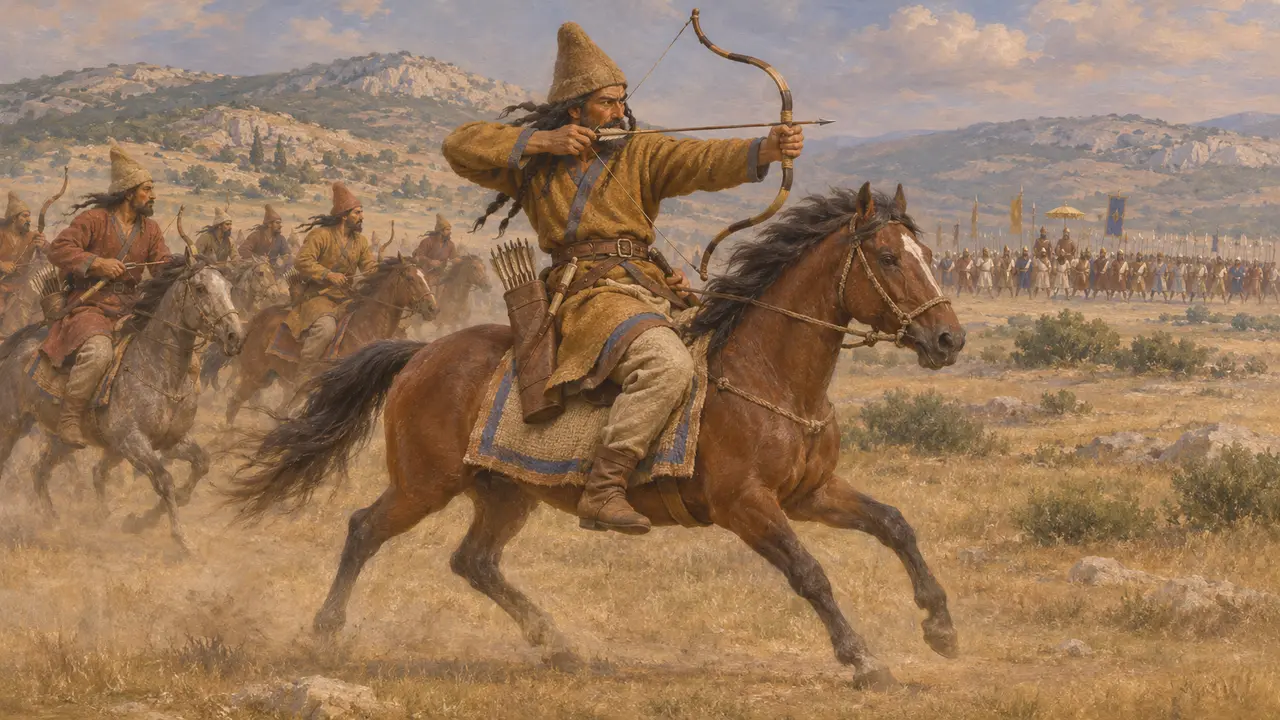
Saka troops in the Greek wars
Ancient accountHerodotus says the Persians and Saka held the centre at Marathon in 490 and broke the Athenian line there before the Greek wings closed in. He reports Saka fighting men serving as marines on the King's ships, and says Mardonius chose Saka among the troops he kept in Greece. At Plataea in 479 he judges the Saka the best horsemen on the King's side.
Herodotus 6.113; 7.184; 8.113; 9.71
Foot or horse, and where they lived
DisputedHerodotus lists the Saka among Xerxes' infantry, yet later writes of Saka horsemen, and steppe peoples are usually thought of as mounted archers. Historians debate how many Saka fought on foot and whether those in Persian service came from home or from settlements elsewhere in the empire. The homelands of each named Saka group, from the Syr Darya to the Pamirs or beyond, are also argued over.
P. Briant, From Cyrus to Alexander, 2002
Saka on the royal monuments
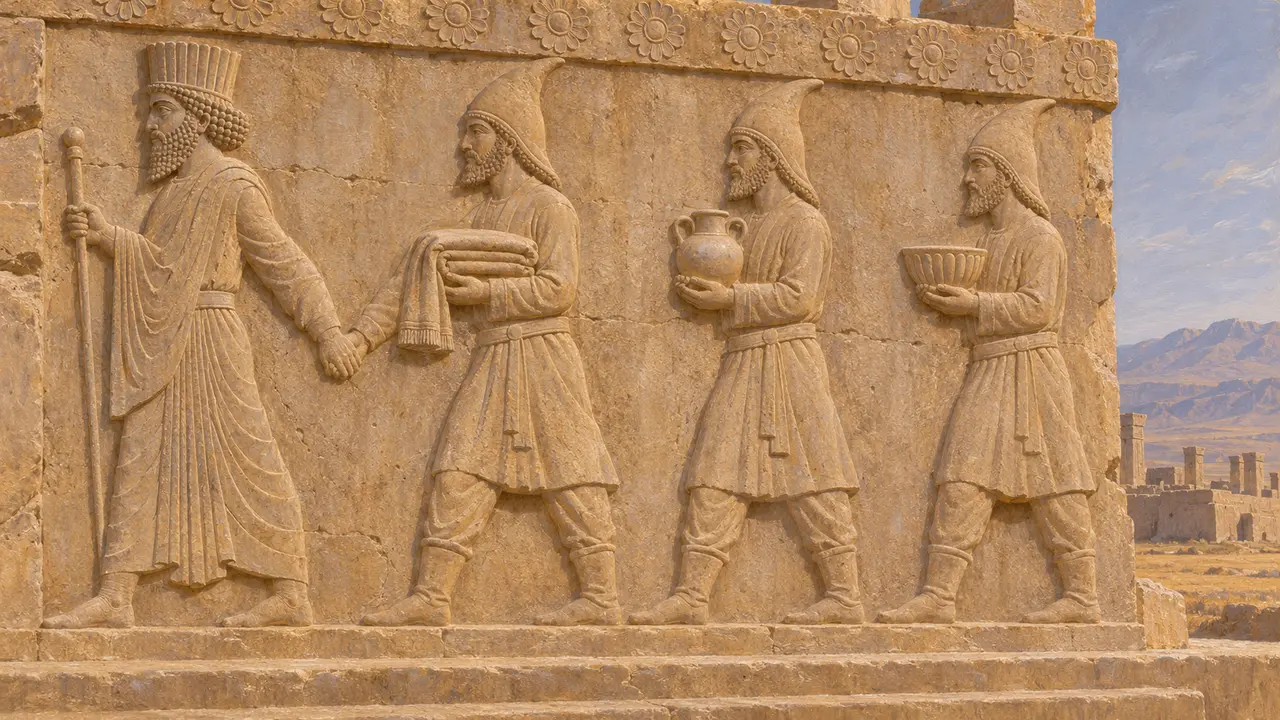
In the recordThe reliefs of the Apadana at Persepolis show a delegation of pointed-cap Saka bringing gifts to the King. On the royal tombs at Naqsh-e Rostam, figures of the subject peoples hold up the King's throne. On Darius's tomb short labels name each bearer, including the three Saka groups, shown in their distinctive dress.
E. F. Schmidt, Persepolis I, 1953; E. F. Schmidt, Persepolis III, 1970; DNe
Sources
- Herodotus, Histories 6.113, 7.64, 7.184, 8.113, 9.71
- Darius, Behistun inscription (DB) §6, §74
- Darius, Naqsh-e Rostam inscriptions (DNa, DNe)
- A. Kuhrt, The Persian Empire: A Corpus of Sources from the Achaemenid Period, 2007
- P. Briant, From Cyrus to Alexander, 2002
- E. F. Schmidt, Persepolis I, 1953, and Persepolis III, 1970