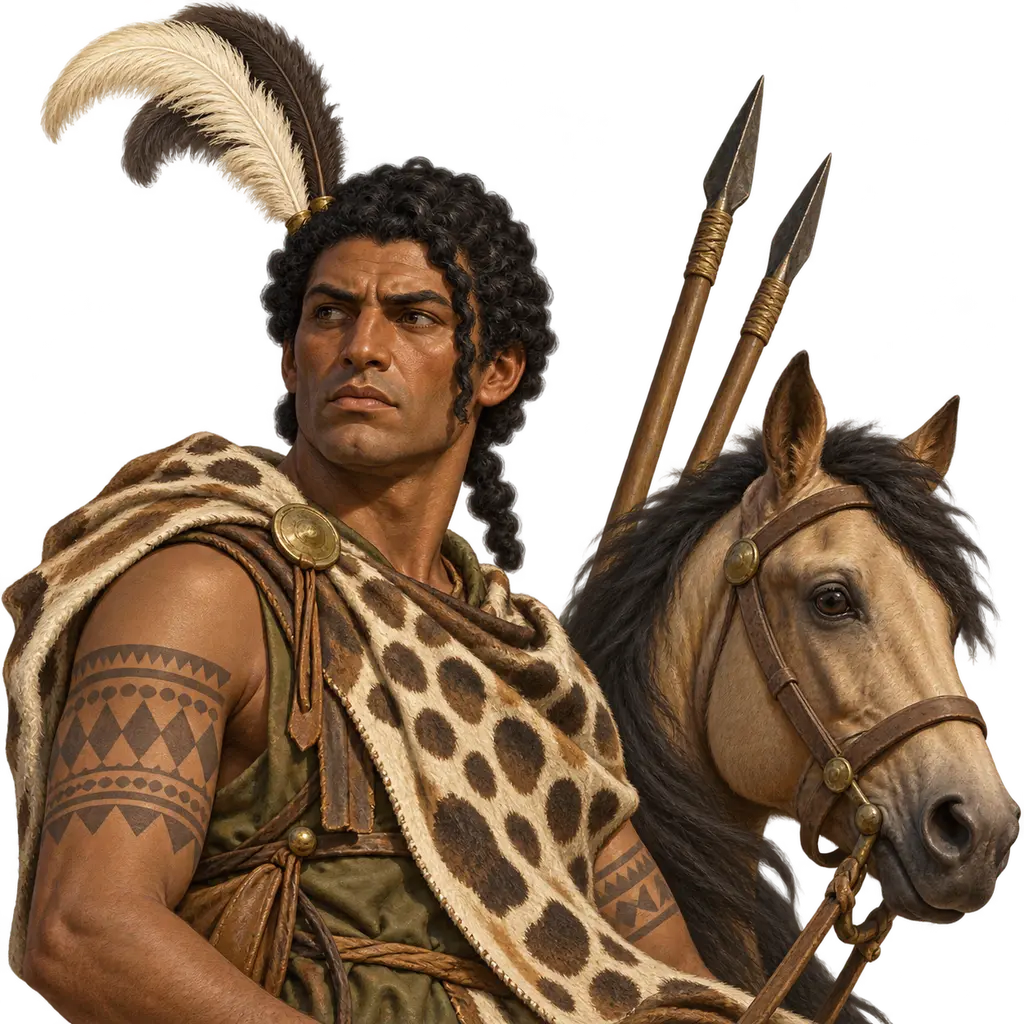
The Libyans
Peoples west of Egypt who submitted to Persia, from 525 BCE
In the game: Level 2: The Spear-bearer
The Greeks used the name Libyans for the native peoples of North Africa west of Egypt. Herodotus describes those between Egypt and Lake Tritonis as herding nomads, with farming peoples further west. After Cambyses took Egypt in 525, the Libyans nearest Egypt submitted without fighting, and the Persian kings afterwards counted Libya, which they called Putaya, among their lands.
In the game: The game puts Libyan riders in Psamtik's army at Memphis. No ancient source records this. Herodotus says the Libyans near Egypt submitted to Cambyses without a fight once Memphis had fallen.
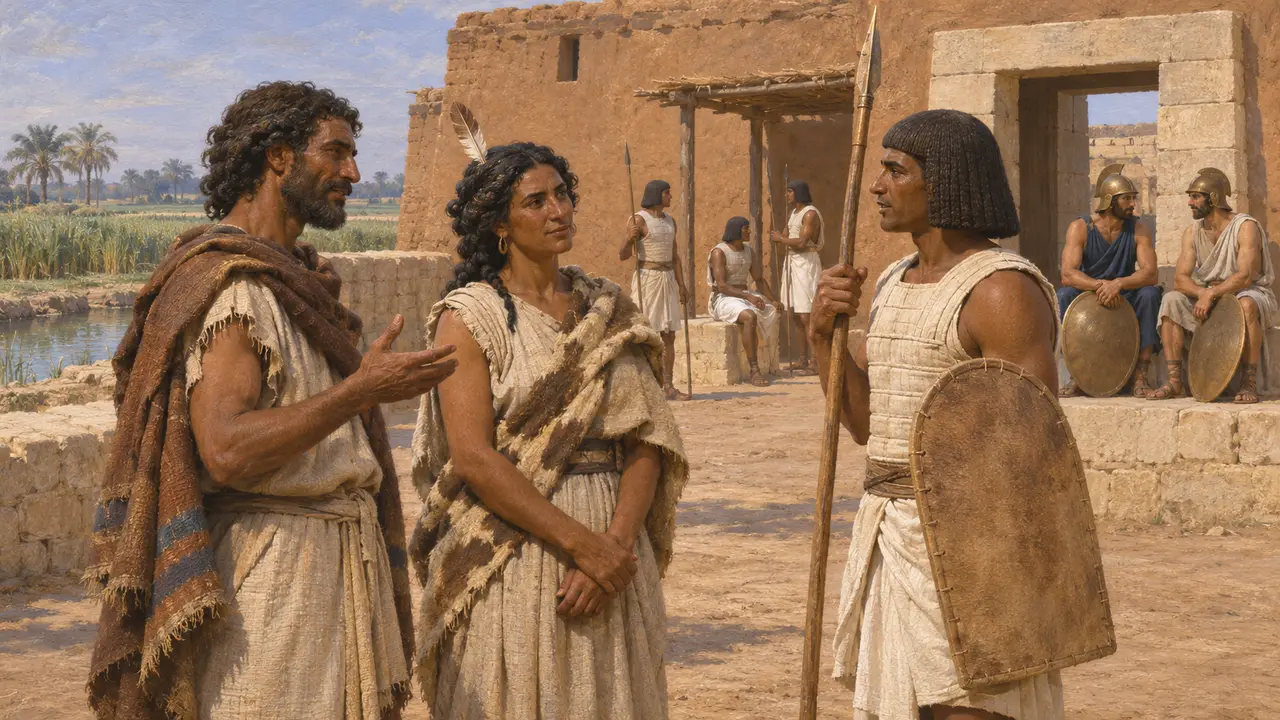
Libyans and the army of Psamtik III
DisputedLibyans had long lived and served in Egypt, and some earlier pharaohs were of Libyan descent. Some historians think that part of the hereditary warrior class Herodotus describes also had Libyan roots. Yet Herodotus's account of the war of 525 names Egyptians with Greek and Carian mercenaries and mentions no Libyan contingent. Whether any Libyans fought for Psamtik III is unknown, and no source mentions Libyan horsemen.
Herodotus 2.164-166; Herodotus 3.11; P. Briant, From Cyrus to Alexander, 2002
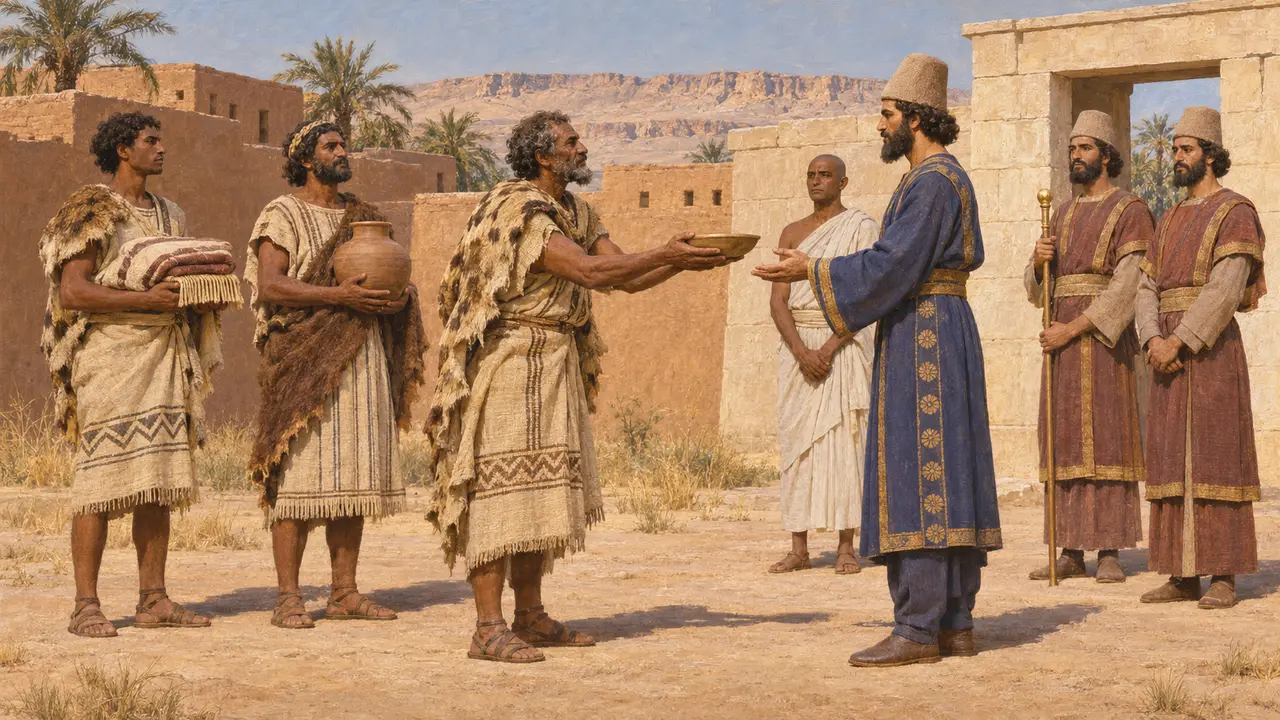
Submission to Cambyses
Ancient accountHerodotus says that after Memphis surrendered in 525, the Libyans bordering Egypt feared the same fate. They gave themselves up without a fight, agreed to pay tribute and sent gifts, and the Greeks of Cyrene and Barca followed. In his list of Darius's tax districts, he places these Libyans in one province with Egypt, Cyrene and Barca, paying 700 talents of silver a year.
Herodotus 3.13; Herodotus 3.91
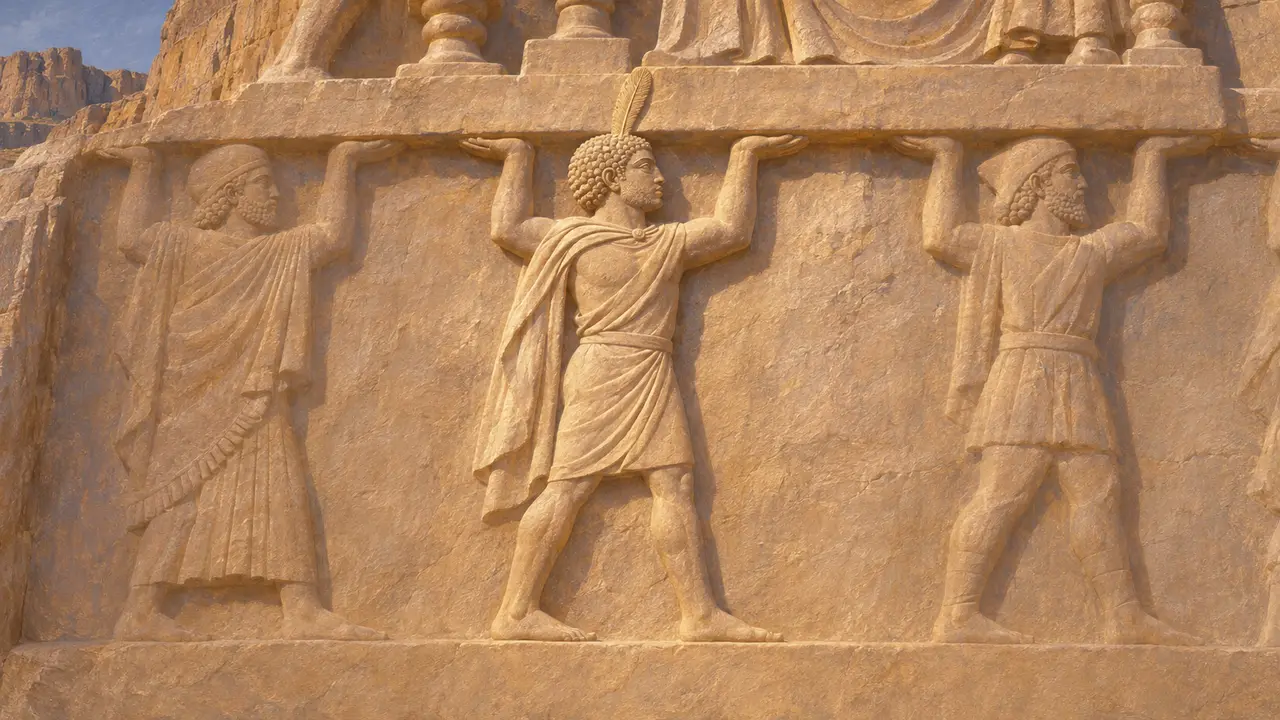
Putaya in the royal inscriptions
In the recordPersian texts call the land Putaya. It is missing from the list of lands in the Behistun inscription but appears in later lists, including Darius's tomb inscription at Naqsh-e Rostam and Xerxes' list of subject lands. On the façade of Darius's tomb, a Libyan figure stands among the peoples shown holding up the King's throne.
DB §6; DNa §3; XPh
The expedition against Barca
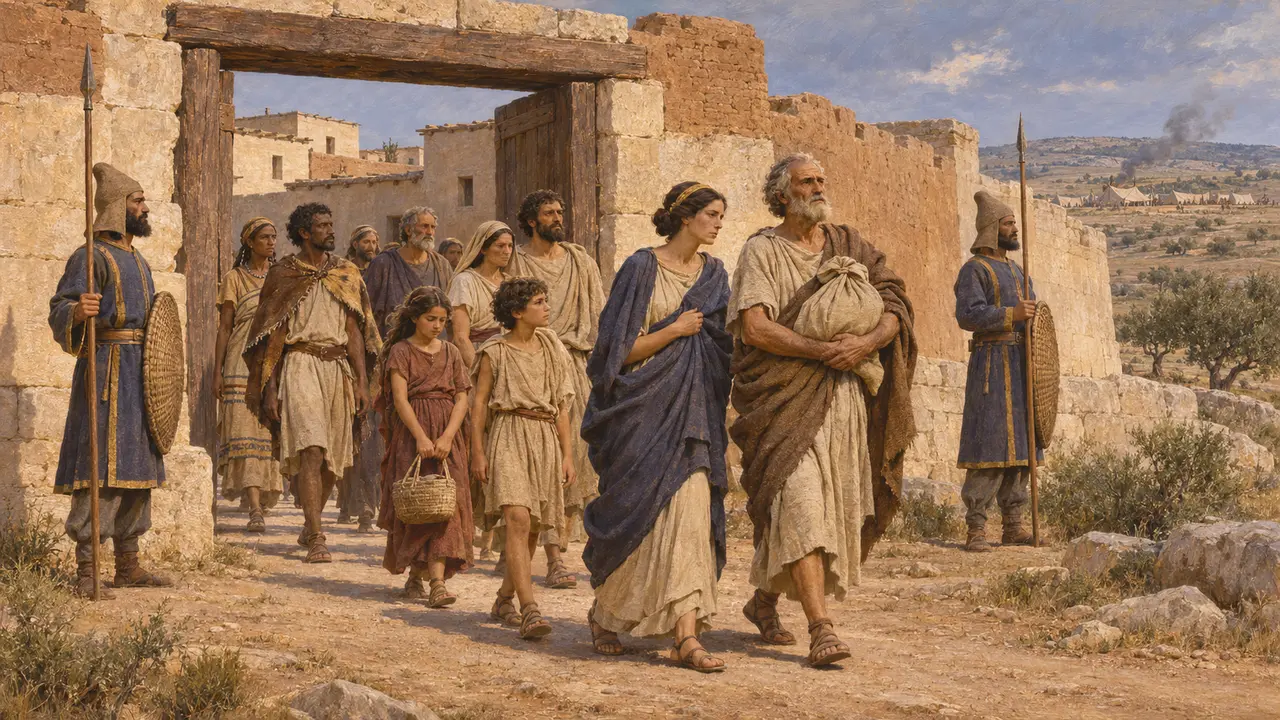
Ancient accountHerodotus tells how Aryandes, the Persian governor of Egypt, sent an army and a fleet west around the time of Darius's Scythian campaign. The stated reason was to punish Barca for killing Arcesilaus III of Cyrene, who had taken refuge there. Herodotus thought the real aim was to subdue the many Libyan peoples still outside the King's rule. Barca fell after a nine-month siege, and many of its people were deported to Bactria.
Herodotus 4.145; Herodotus 4.164-167; Herodotus 4.200-204
Libyans in Xerxes' army
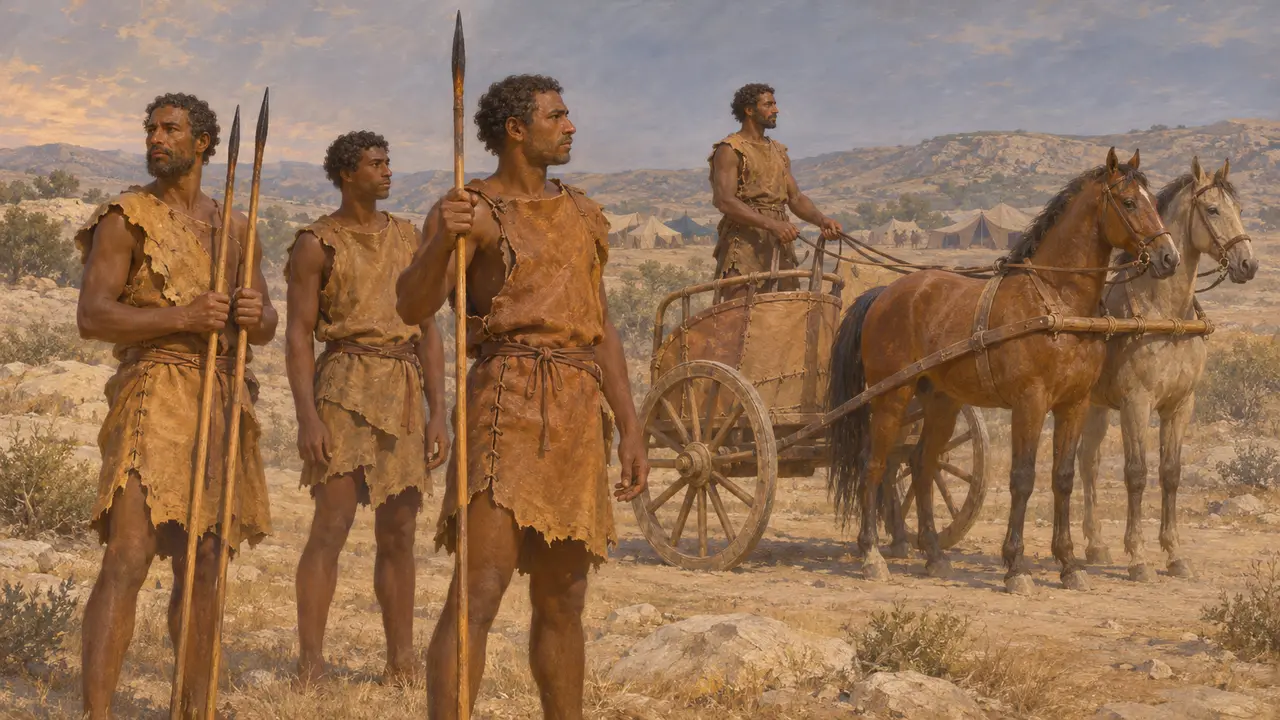
Ancient accountIn his catalogue of the army Xerxes led into Greece in 480, Herodotus describes Libyans dressed in leather and armed with javelins hardened in fire. Their commander was Massages son of Oarizus. He adds that Libyans served among the mounted forces as chariot drivers. His total for the whole army is greatly exaggerated, and he does not place the Libyans in any particular battle.
Herodotus 7.71; Herodotus 7.86
Sources
- Herodotus, Histories, books 2, 3, 4 and 7
- Darius, tomb inscription at Naqsh-e Rostam (DNa)
- Darius, Behistun inscription (DB)
- Xerxes, inscription from Persepolis (XPh)
- P. Briant, From Cyrus to Alexander, 2002
- A. Kuhrt, The Persian Empire: A Corpus of Sources, 2007