Encyclopedia › Soldiers and ships
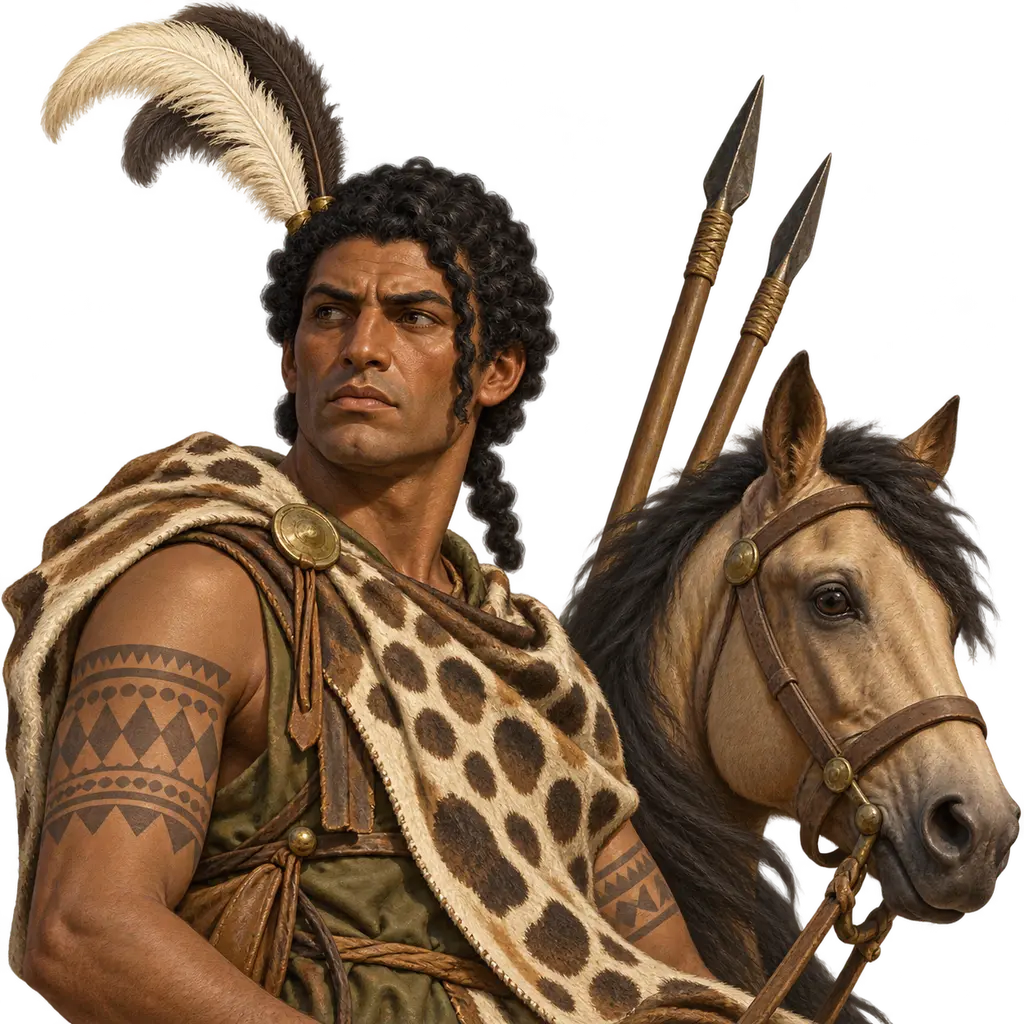
Libyan riders
Horse- and chariot-using peoples west of Egypt, subjects of Persia from 525 BCE
In the game: Level 2: The Spear-bearer
The Libyans were the peoples of the desert and coast west of the Nile valley. When Cambyses took Memphis in 525, Herodotus says the nearby Libyans submitted without a fight and sent gifts. Darius later listed Libya, Putaya in Old Persian, among his lands, and Libyan charioteers marched in Xerxes' army in 480.
In the game: The Memphis level (525-524) includes a Libyan Rider unit. The sources describe Libyans in Persian service as charioteers rather than riders, and Herodotus records no Libyan fighting against Cambyses, so the unit simplifies the history.
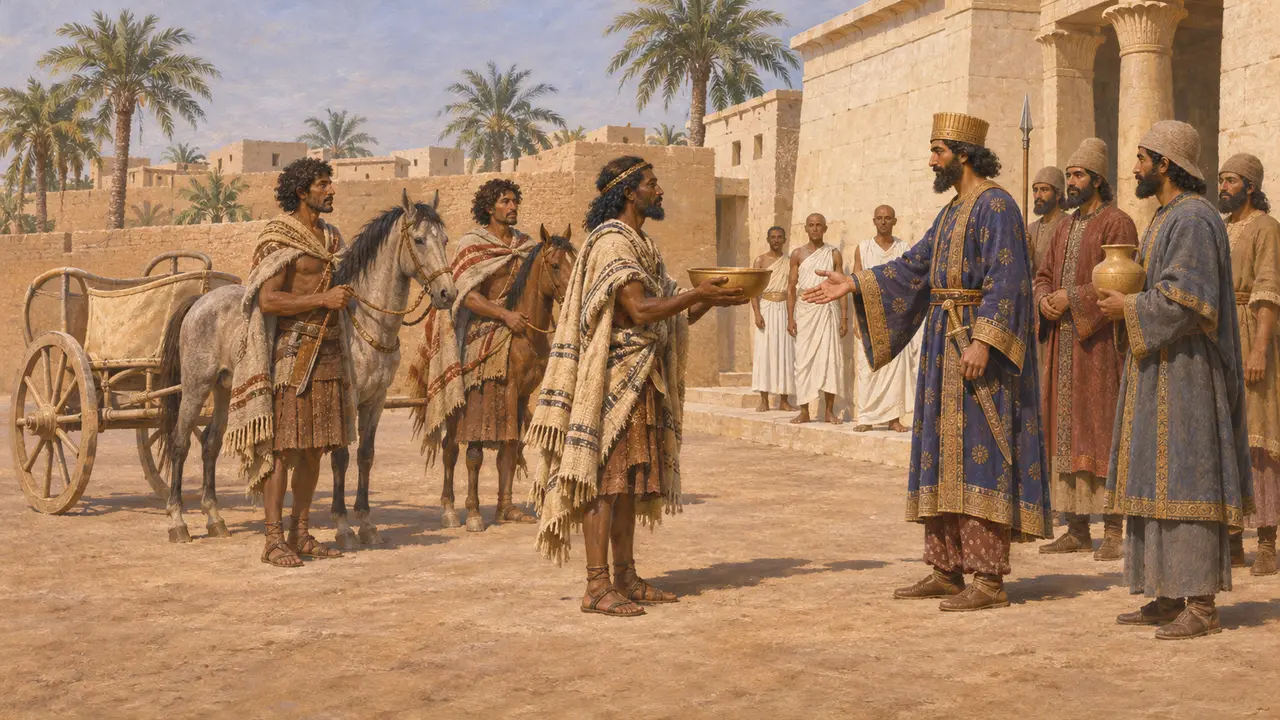
Submission to Cambyses
Ancient accountHerodotus says that after Memphis fell in 525, the Libyans living next to Egypt took fright and surrendered without fighting. They agreed to pay tribute and sent gifts, and the Greek cities of Cyrene and Barca did the same. Cambyses accepted the Libyan gifts kindly but, Herodotus says, scorned the small Cyrenaean offering and scattered it among his troops.
Herodotus 3.13
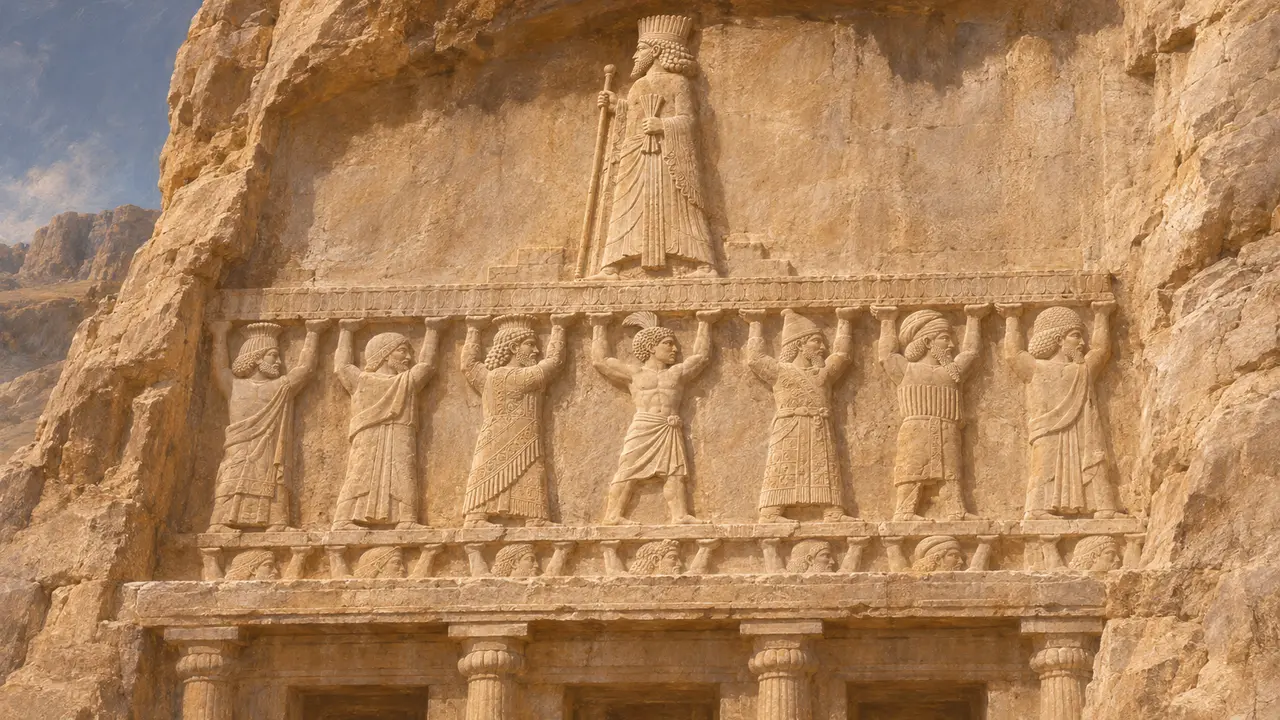
Libya in the King's lists
In the recordDarius's tomb inscription at Naqsh-e Rostam names Putaya, generally taken to be Libya, among the lands he ruled. On the tomb front, labelled figures of the subject peoples hold up the raised platform on which the King stands, and a Libyan is among them. Xerxes repeated Putaya in his own list of lands.
DNa; DNe; XPh
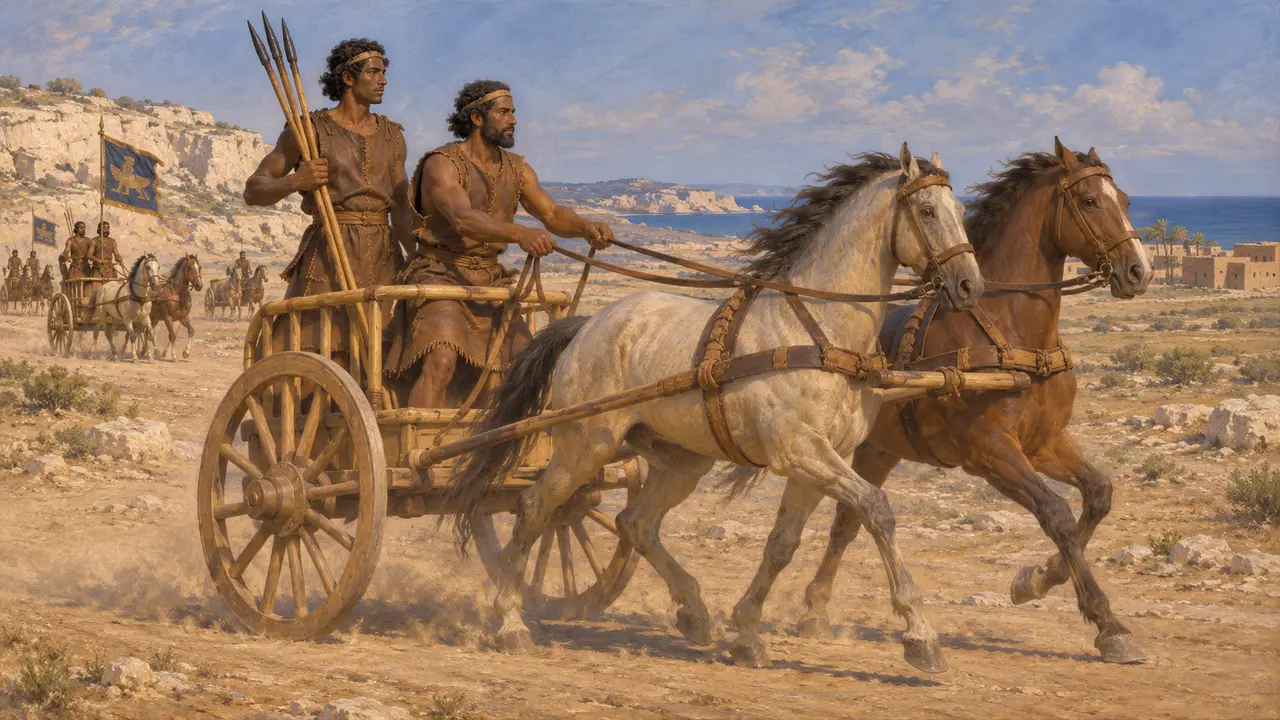
Charioteers in Xerxes' army
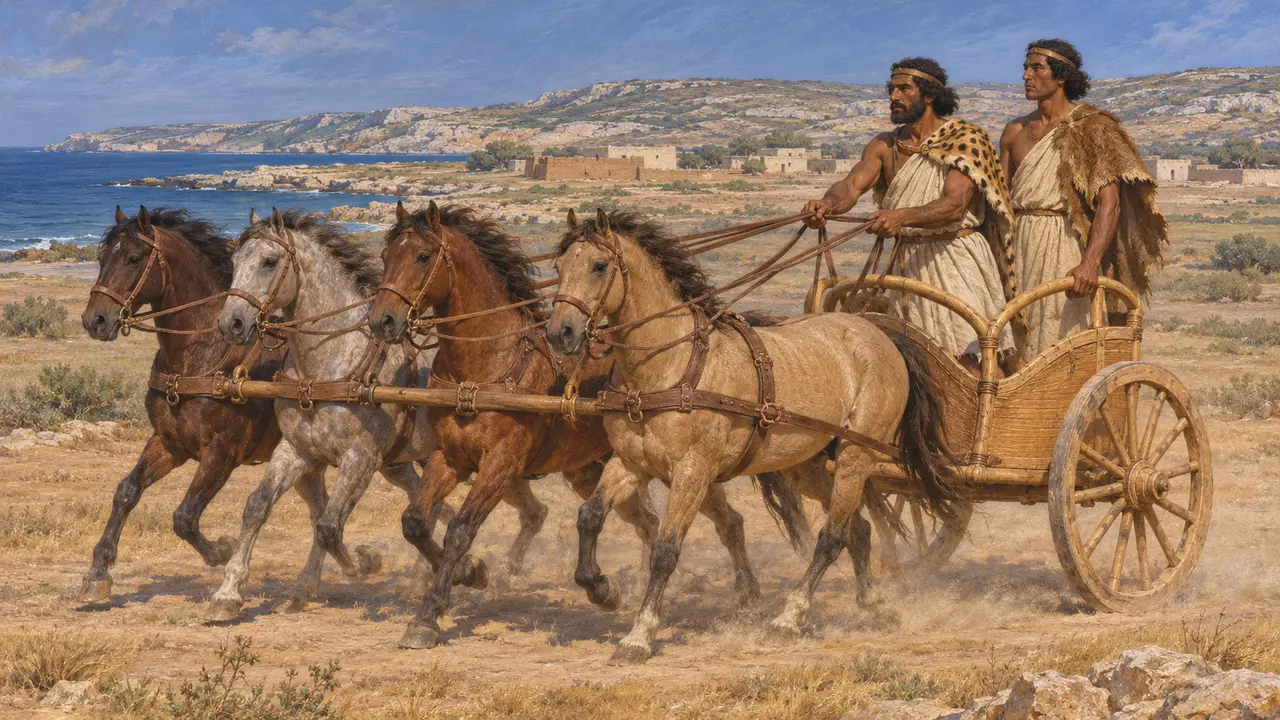
Ancient accountHerodotus describes the Libyans of 480 as dressed in leather and armed with fire-hardened javelins, under a commander named Massages. In his list of mounted troops he says the Libyans all drove chariots. He counts Arab camel riders and Libyan charioteers together at 20,000, a figure historians treat as unreliable like his other army totals.
Herodotus 7.71; Herodotus 7.86; Herodotus 7.184
Riders or charioteers
DisputedGreek writers stress Libyan skill with horses, and Herodotus says the Greeks learned to yoke four horses from the Libyans. Yet his evidence is mostly for chariots, not riders on horseback. The famous Numidian cavalry belongs to a much later age, and historians caution against reading it back into the sixth century.
Herodotus 4.170; Herodotus 4.189; O. Bates, The Eastern Libyans, 1914
How far Persian rule reached
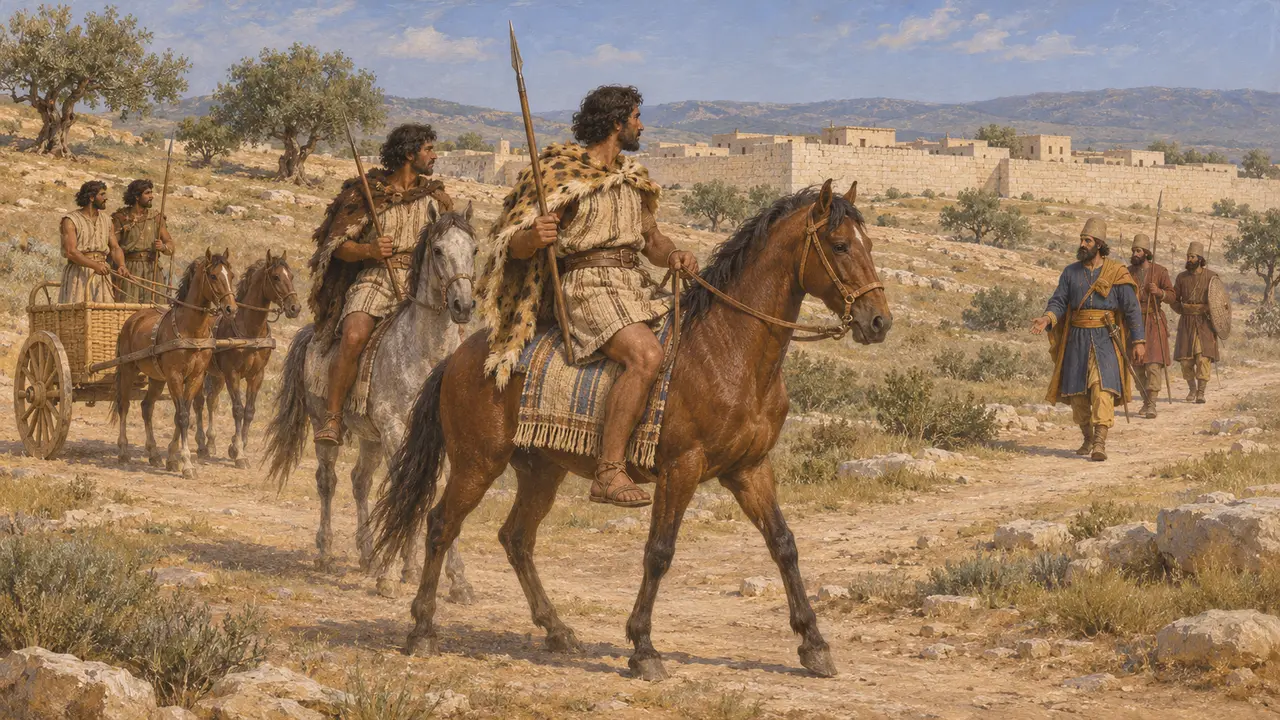
DisputedHerodotus places the Libyans, Cyrene and Barca in the same tribute district as Egypt, and tells how the governor Aryandes sent an army against Barca. Historians debate how firmly Persia held the Libyan tribes and Cyrenaica, and whether tribute there was regular or only occasional gifts.
Herodotus 3.91; Herodotus 4.200-204; P. Briant, From Cyrus to Alexander, 2002
Sources
- Herodotus 3.13
- Herodotus 7.71; 7.86
- DNa
- Herodotus 4.168-204
- P. Briant, From Cyrus to Alexander, 2002
- O. Bates, The Eastern Libyans, 1914