The Mysians
A people of north-west Anatolia under Persian rule, 6th-5th century BCE
In the game: Level 7: Sardis Burns
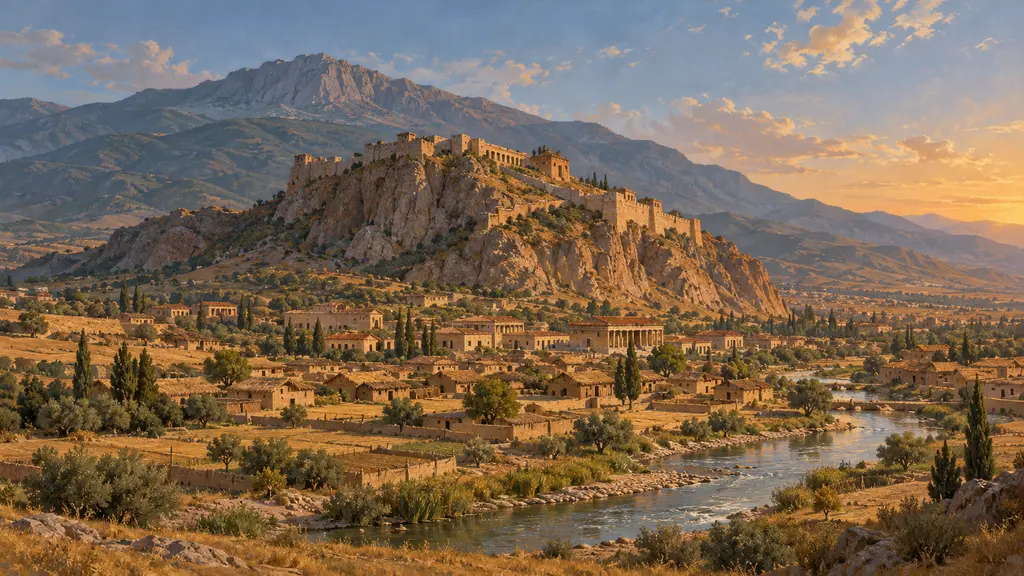
The Mysians lived in north-west Anatolia, around the Mysian Olympus, and became subjects of the Persian king after the conquest of Lydia. Herodotus names them in Xerxes' army in 480, serving beside the Lydians under one commander. Almost everything known about them comes from Greek writers.
In the game: The game names the Mysians only in the Chronicle, the decrees and the field briefings. They have no mechanic of their own beyond what those texts show.
Land and tribute
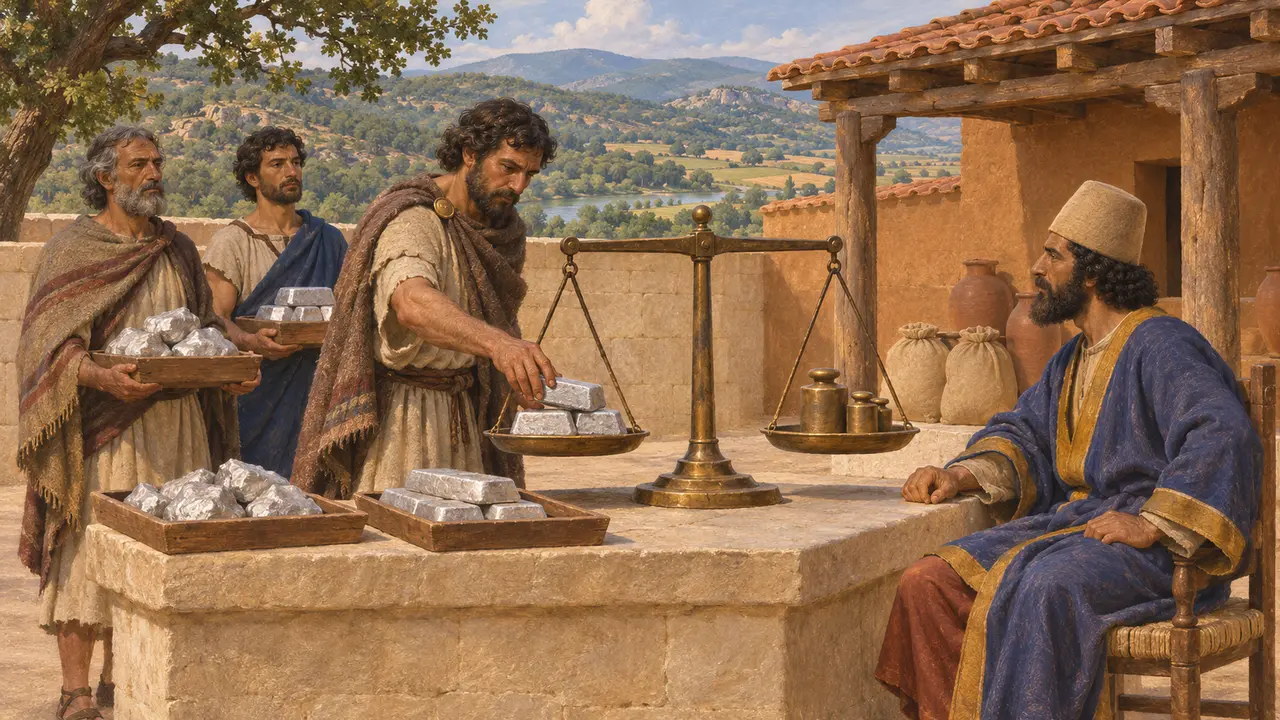
Ancient accountHerodotus places the Mysians in the second tribute district of Darius's empire, together with the Lydians and some smaller Anatolian peoples. He gives the district's yearly payment as 500 talents of silver. The list is Herodotus's own account of the tribute system.
Herodotus 3.90
Kin of the Lydians and Carians
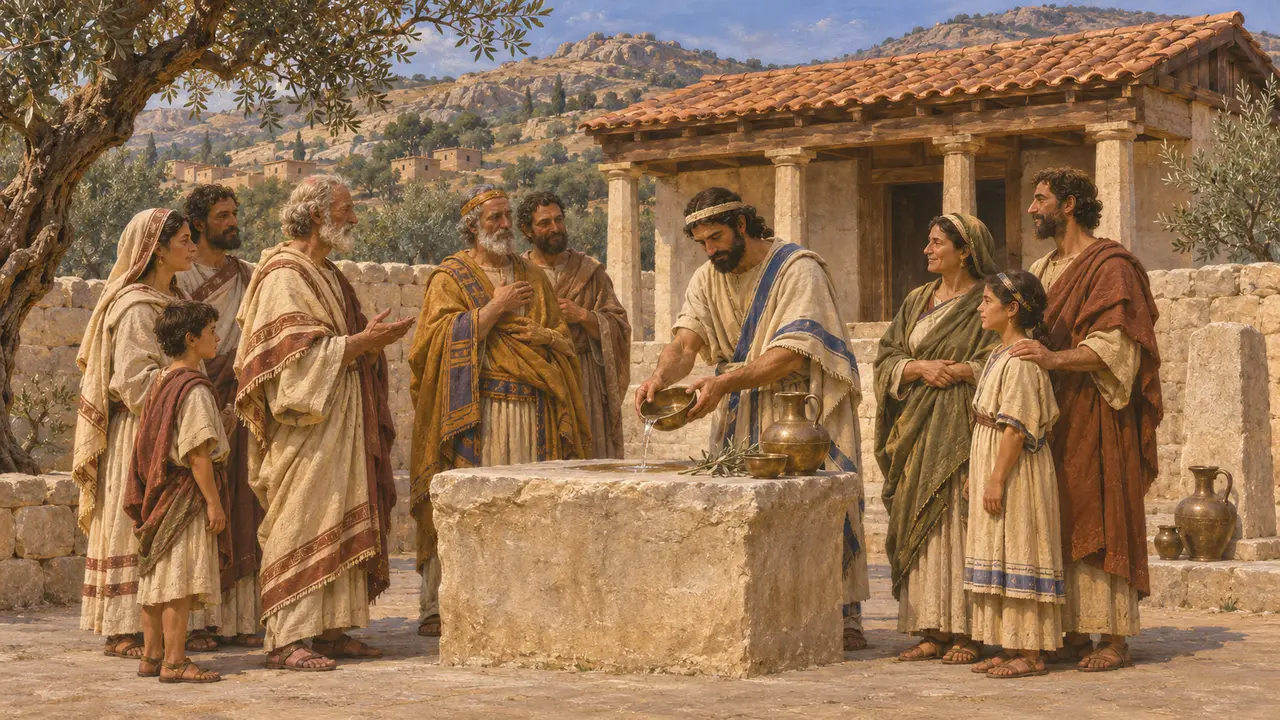
Ancient accountHerodotus says the Mysians and Lydians shared in the sanctuary of Carian Zeus at Mylasa, because they were regarded as kinsmen of the Carians. The claim is a Greek one, and it hints at a common sense of kinship among western Anatolian peoples.
Herodotus 1.171
Arms and command in 480
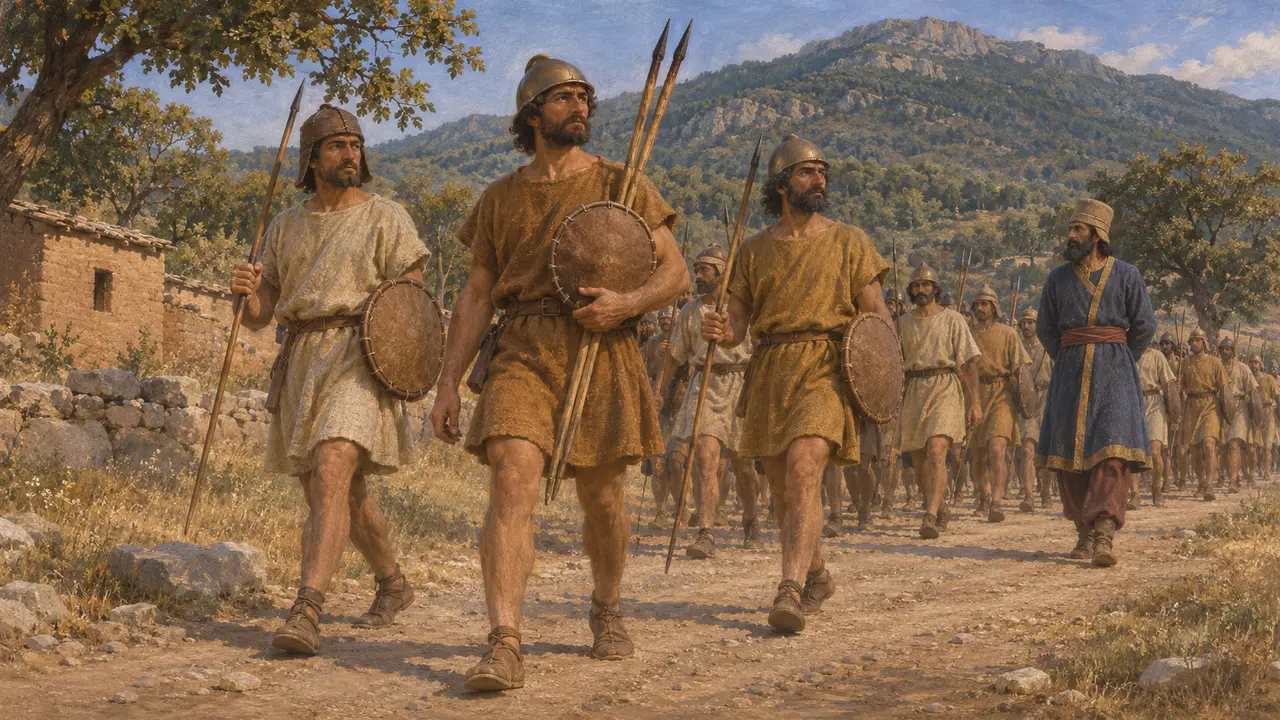
Ancient accountHerodotus describes the Mysians in Xerxes' army with local helmets, small shields and javelins hardened in fire. He calls them Lydian colonists, known as Olympieni from the mountain. The Lydians and Mysians marched under Artaphernes, whom Herodotus calls the son of the Artaphernes who invaded at Marathon with Datis.
Herodotus 7.74
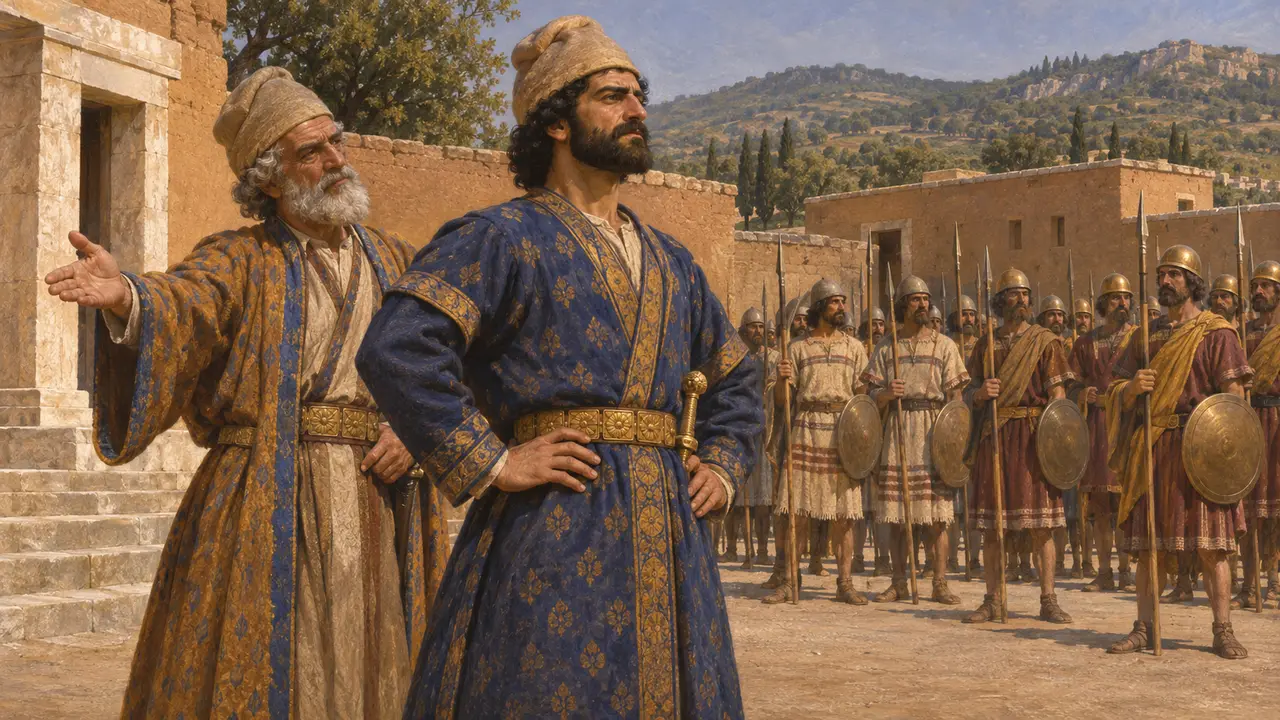
Two men named Artaphernes
Ancient accountHerodotus names Artaphernes as the commander who sailed to Marathon with Datis, and as the satrap of Sardis's family. The commander of the Lydians and Mysians in 480 was a younger man of the same name, the son of that Marathon commander. The two should not be taken as one person.
Herodotus 6.94; Herodotus 7.74
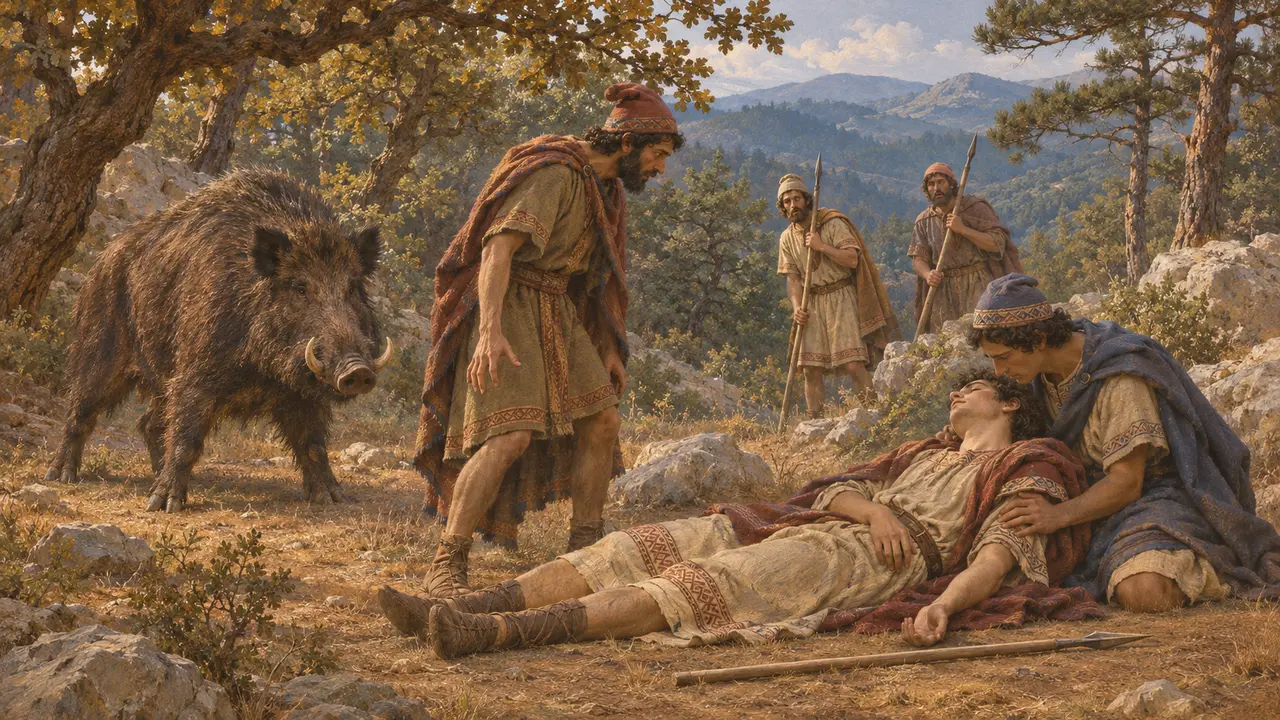
The boar on Mysian Olympus
Later legendHerodotus tells how a huge boar ravaged Mysian Olympus, and how Croesus sent his son Atys to hunt it. Atys was killed by the Phrygian exile Adrastus, whom Croesus had purified and set to guard him, in fulfilment of a dream. The tale is a moral story about fate and is not evidence for Mysian history.
Herodotus 1.36-43
Sources
- Herodotus 7.74
- Herodotus 3.90
- Herodotus 1.171
- Herodotus 6.94
- Herodotus 1.36-43
- P. Briant, From Cyrus to Alexander, 2002