The Carians
People of Caria in southwest Anatolia, under Persian rule from about 540 BCE
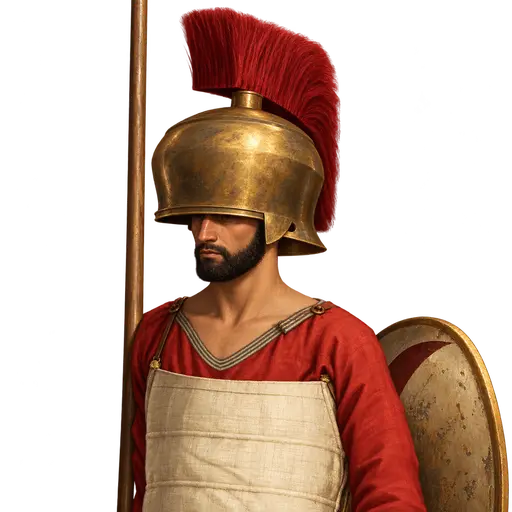
The Carians lived in the hills and along the coast of southwest Anatolia, south of Lydia, and spoke their own Anatolian language. They were known across the eastern Mediterranean as hired soldiers and seafarers. Under Persian rule they worked on the King's buildings, rose in the Ionian Revolt and later sent ships to Xerxes' fleet.
In the game: The game includes Carian mercenaries and Carian ships. Both fit the sources, which show Carians hired by the kings of Egypt and, after the Persian conquest, serving as sailors and soldiers in the King's fleet.
Land, language and writing
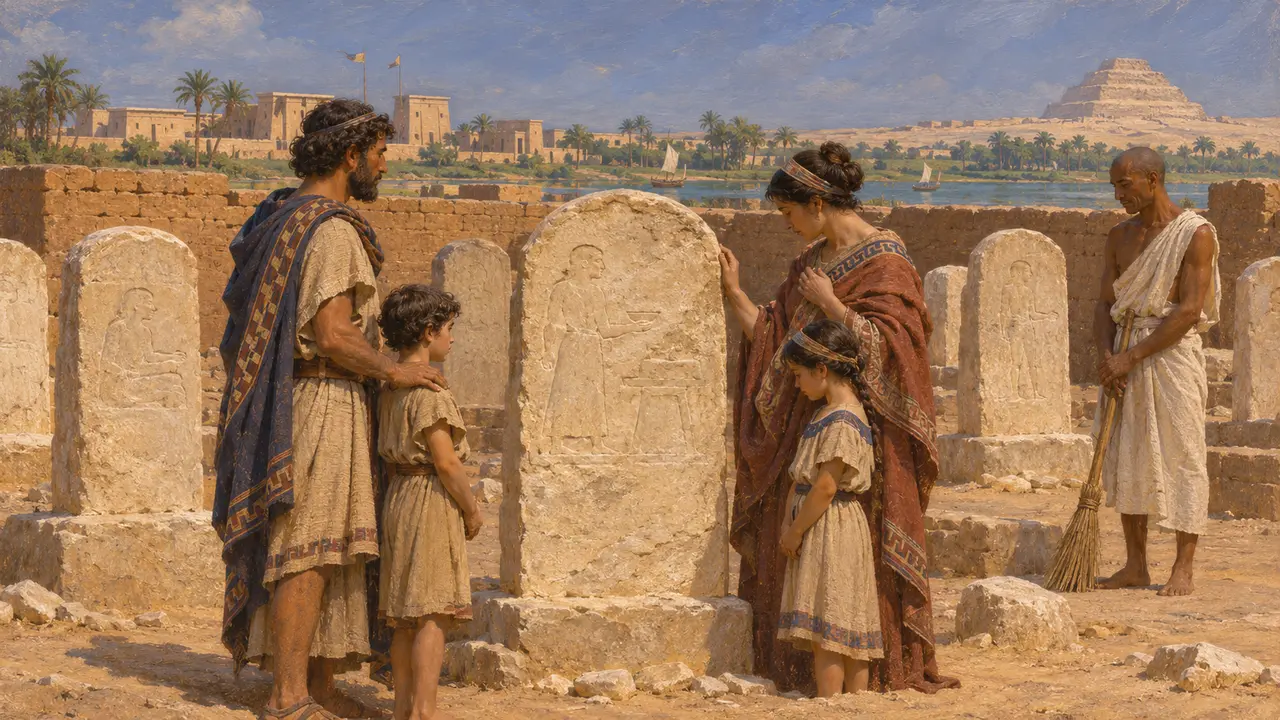
In the recordCaria lay between the Maeander valley and Lycia, with Mylasa inland and Halicarnassus on the coast, where Carians lived alongside Greek settlers. Carian belonged to the Anatolian language family and was written in its own alphabet. Many surviving Carian texts come from Egypt, including grave stelae from Saqqara near Memphis. Bilingual inscriptions helped scholars make real progress in reading the script from the 1980s onwards.
I.-J. Adiego, The Carian Language, 2007
Soldiers of the pharaohs
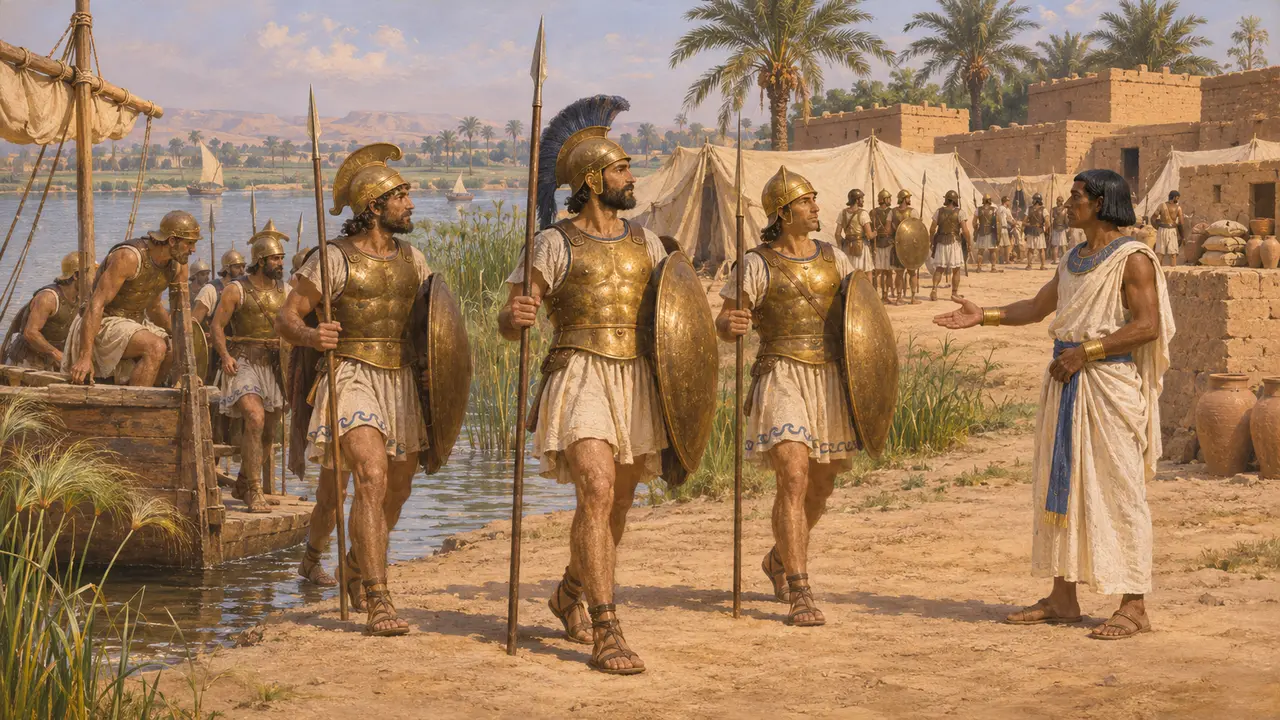
Ancient accountHerodotus says that Psamtik I won his throne with the help of Ionian and Carian men in bronze armour who came from the sea, and that he then settled them in camps on the Nile. Later, Amasis moved them to Memphis. In 525 Carian and Greek mercenaries fought for Psamtik III at Pelusium. Herodotus tells how they killed the sons of Phanes, who had gone over to Cambyses, before the battle.
Herodotus 2.152; Herodotus 2.154; Herodotus 3.11
Workers and settlers in the empire
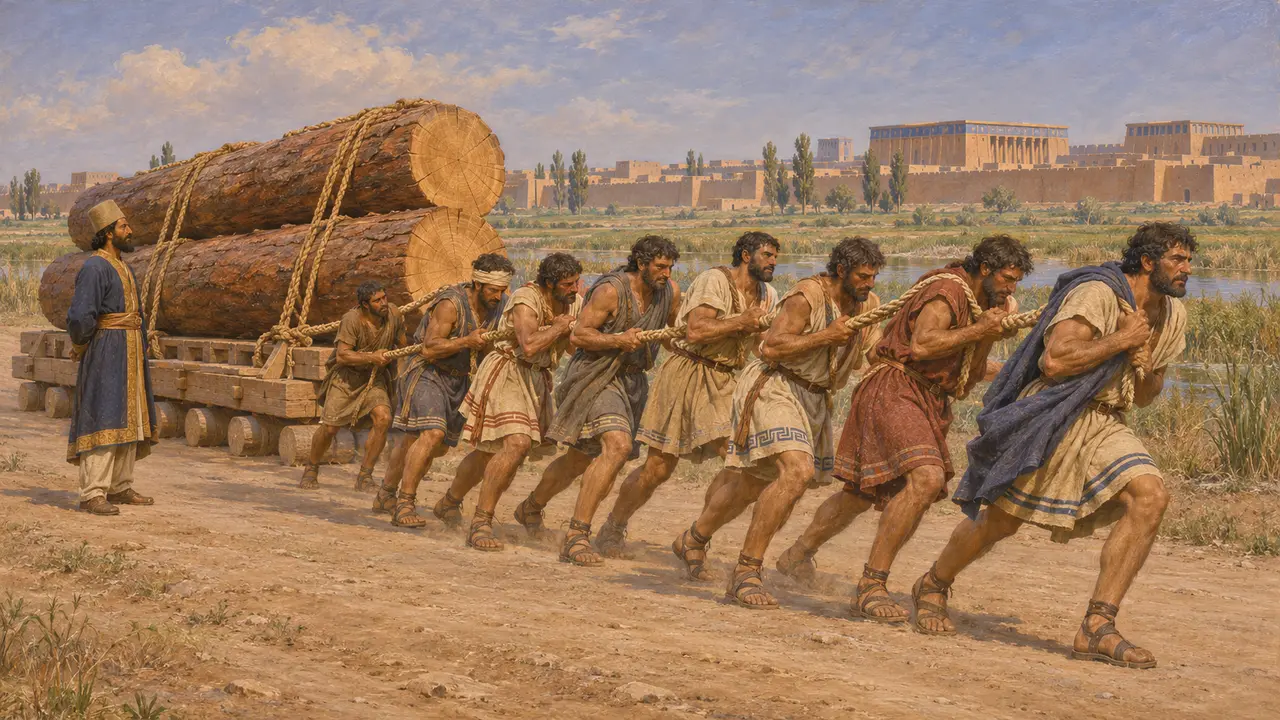
In the recordDarius's foundation charter from Susa records that Carians and Ionians carried the cedar timber from Babylon to Susa for his palace. Babylonian documents show a community of Carians living at Borsippa in the Persian period, probably settled there by the crown. These records show Carians as working subjects at the heart of the empire, as well as soldiers on its edges.
DSf; C. Waerzeggers, The Carians of Borsippa, 2006
Conquest, revolt and the fleet
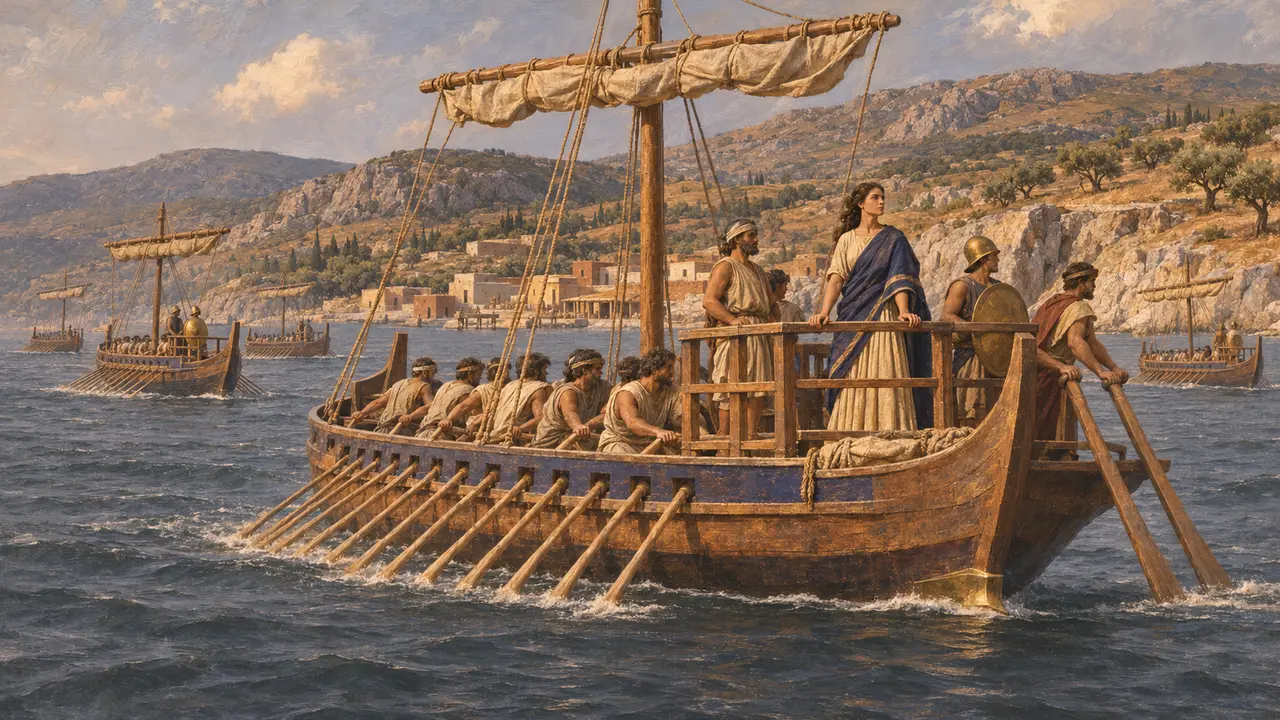
Ancient accountHerodotus says Harpagus conquered Caria for Cyrus with little resistance, except at Pedasa. In the Ionian Revolt the Carians lost two battles, at the Marsyas river and at Labraunda, then ambushed a Persian army near Pedasa and killed its generals. After the fall of Miletus in 494 they were brought back under Persian rule. In 480, Herodotus says, the Carians sent 70 ships to Xerxes, and Artemisia of Halicarnassus commanded five more.
Herodotus 1.174-175; Herodotus 5.117-121; Herodotus 6.25; Herodotus 7.93; Herodotus 7.99
Islanders of King Minos
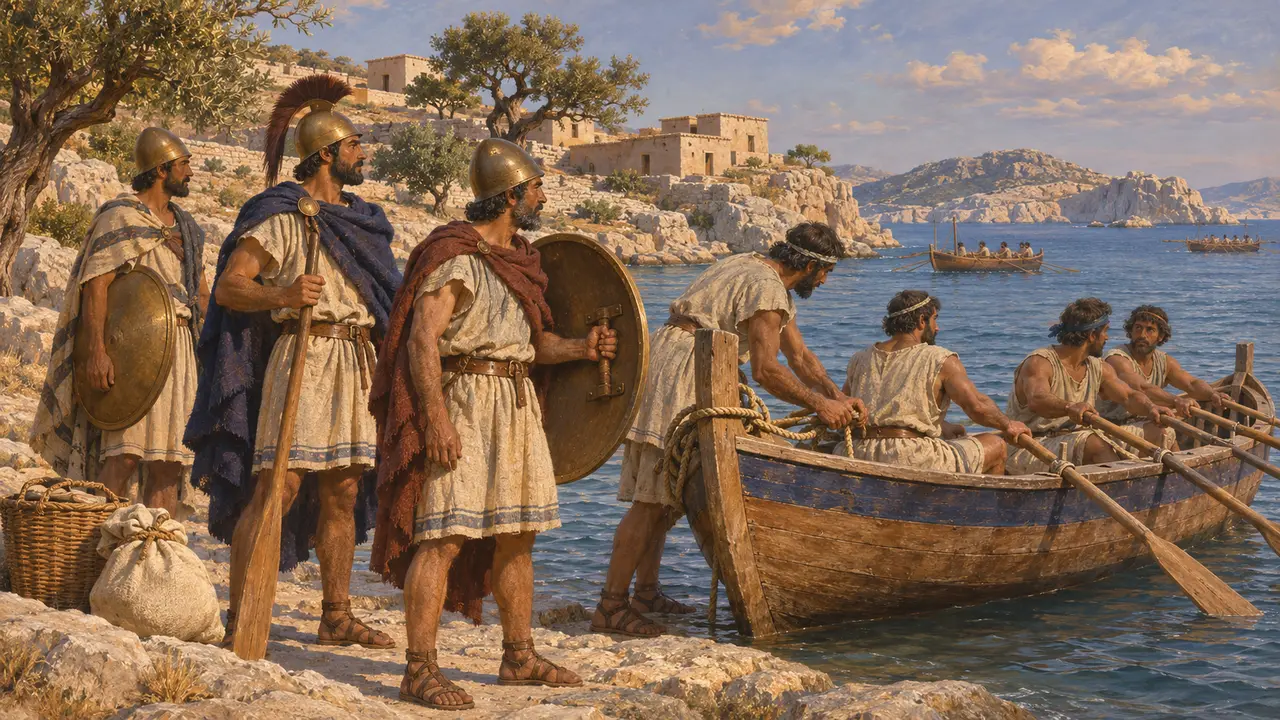
Later legendGreek writers told stories about the Carians' distant past. Herodotus reports a Cretan story that the Carians had once been islanders serving King Minos, and adds that the Carians themselves claimed to have always lived on the mainland. He also credits them with inventing helmet crests and shield handles. Thucydides says Minos drove Carian pirates from the islands, and that many old graves opened on Delos were judged Carian from the arms buried in them.
Herodotus 1.171; Thucydides 1.4; Thucydides 1.8
Sources
- Herodotus, Histories, books 1, 2, 3, 5, 6 and 7
- DSf (Darius's foundation charter from Susa)
- Thucydides 1.4 and 1.8
- I.-J. Adiego, The Carian Language, 2007
- C. Waerzeggers, The Carians of Borsippa, Iraq 68, 2006
- P. Briant, From Cyrus to Alexander, 2002