Artemisia of Halicarnassus
Ruler of Halicarnassus and commander in Xerxes' fleet, 480 BCE
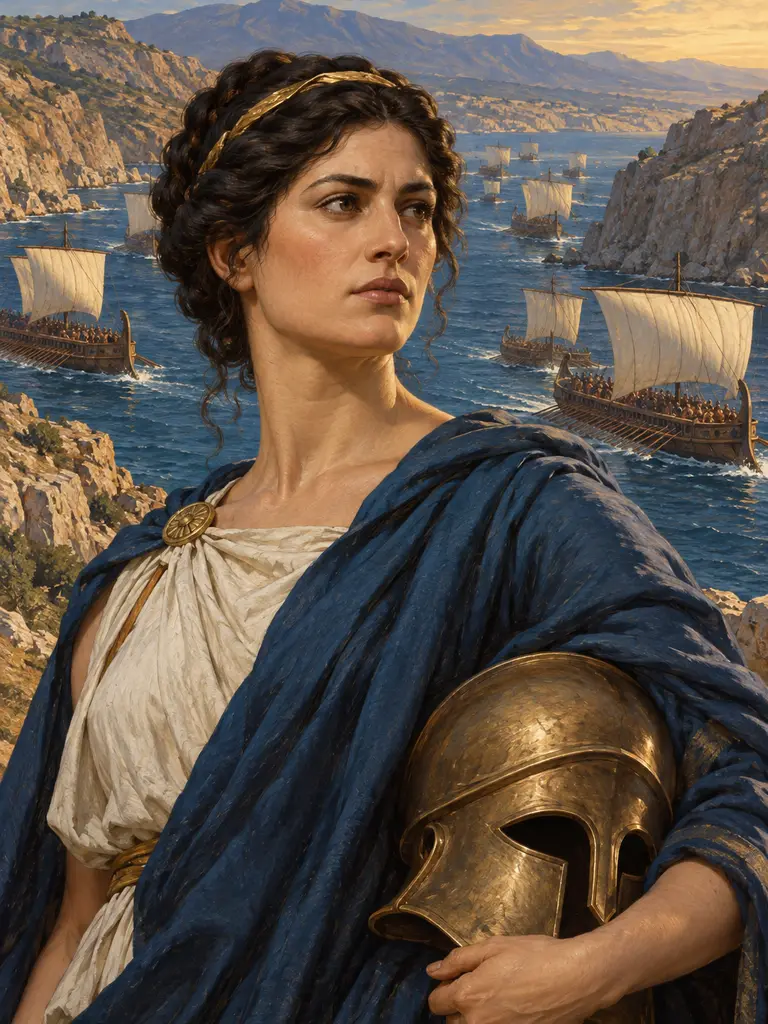
Artemisia ruled the Greek and Carian city of Halicarnassus under Persian overlordship and led its ships in Xerxes' invasion of Greece in 480. Almost everything known about her comes from Herodotus, a native of her own city, who made her the shrewdest adviser in the King's war council and the hero of a strange escape at Salamis.
In the game: The game's chronicle note presents Artemisia as Herodotus does: leader of five ships in 480, the best adviser in Xerxes' council, and the captain who rammed a ship of her own side at Salamis. No Persian record confirms these stories.
A ruler of Halicarnassus
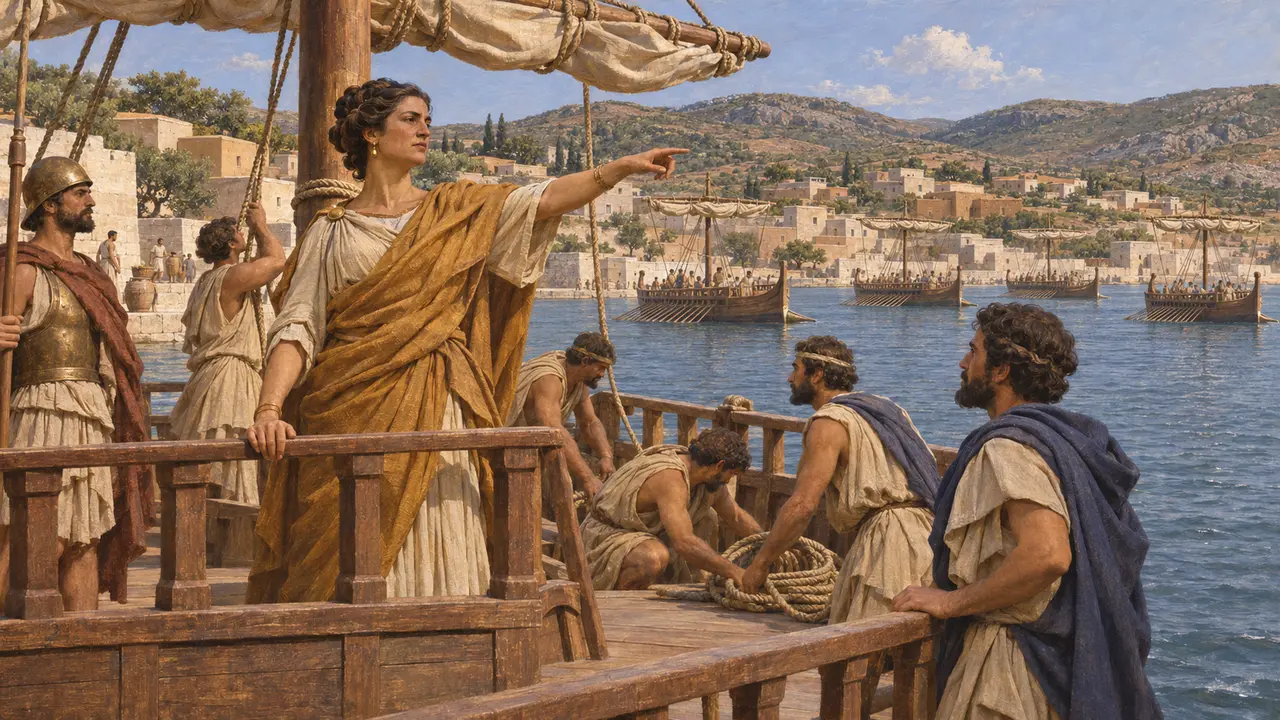
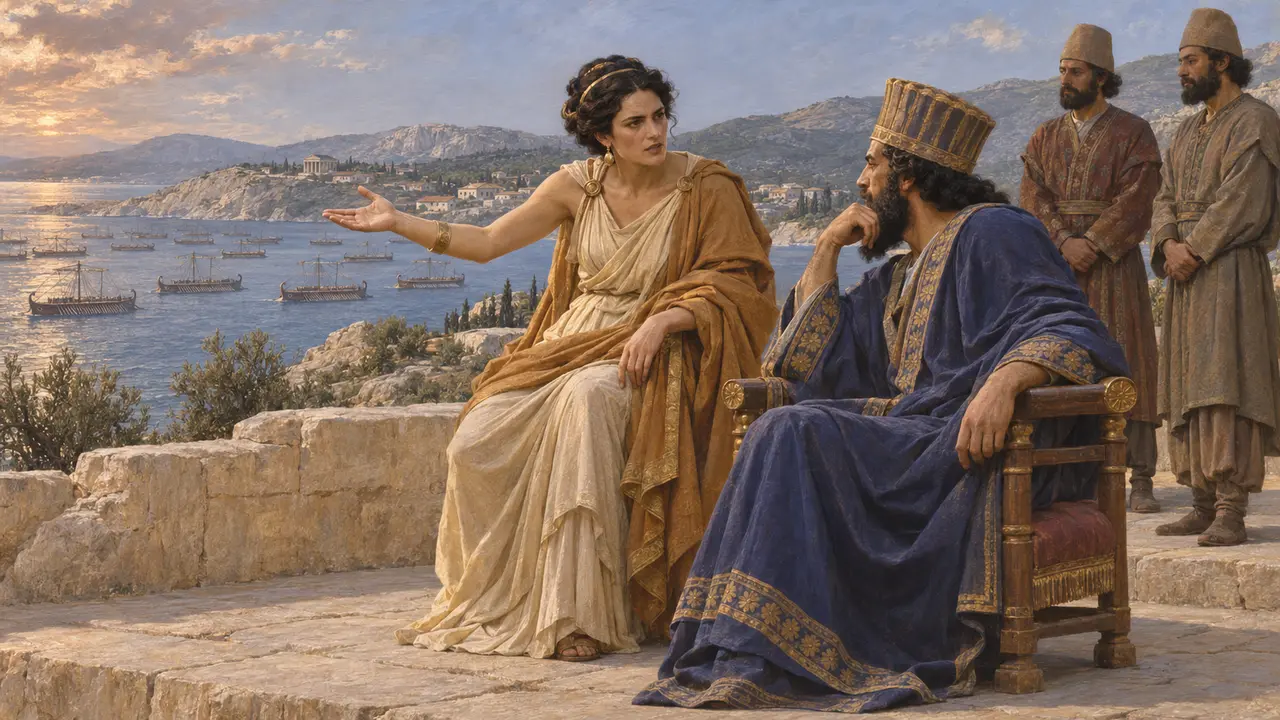
Ancient accountHerodotus says Artemisia was the daughter of Lygdamis, Halicarnassian on her father's side and Cretan on her mother's. She took power when her husband died and, though she had a grown son, sailed with Xerxes of her own will. She led five ships from Halicarnassus, Cos, Nisyros and Calydna, which he ranks as the best in the fleet after those of Sidon. Halicarnassus was a Dorian Greek city with a large Carian population, long subject to Persia.
Herodotus 7.99
Advice before and after Salamis
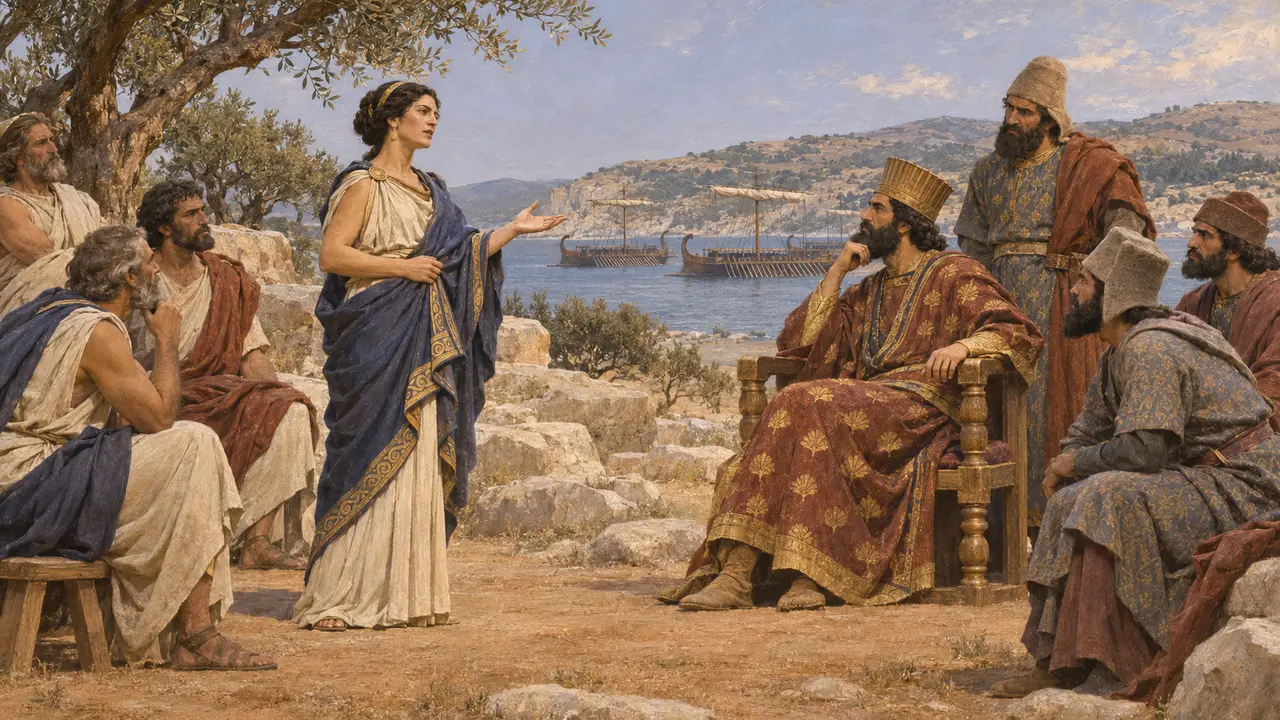
Ancient accountBefore Salamis, Herodotus says, Mardonius polled the commanders at Phalerum on a sea battle. Artemisia alone advised against it: the Greeks were stronger at sea, could not hold out long on Salamis, and would scatter if the army marched on the Peloponnese. Xerxes praised her but followed the majority. After the defeat she urged him to go home and leave Mardonius in Greece, and he sent his sons to Ephesus in her care.
Herodotus 8.68-69, 8.101-103
The ramming at Salamis
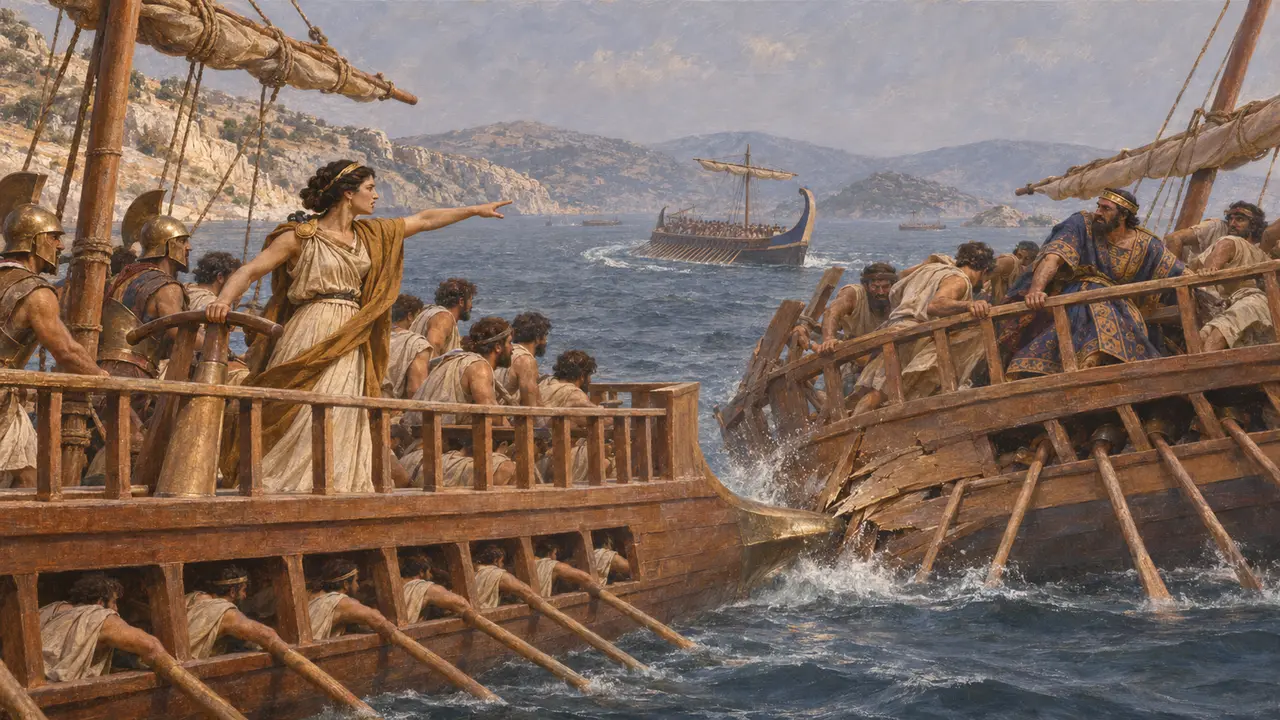
Ancient accountHerodotus tells that, chased by an Athenian ship during the battle, Artemisia rammed and sank a ship of her own side, from Calynda, with its king Damasithymus aboard. The pursuer took her for a Greek or a deserter and turned away. Xerxes, watching from the shore, thought she had sunk an enemy and said his men had become women and his women men. He adds that the Athenians offered ten thousand drachmas for her capture.
Herodotus 8.87-88, 8.93
How far to trust Herodotus
DisputedHerodotus came from Halicarnassus. The Suda, a Byzantine lexicon, says her grandson Lygdamis was the tyrant who drove him into exile, so he may have known her family's own tradition. Some historians read her as a literary type, the wise adviser whose counsel the King ignores, like Croesus or Artabanus. Herodotus himself could not say whether the ramming was deliberate, and no Persian document names her.
Herodotus 8.87; Suda, s.v. Herodotos; R. Munson, Artemisia in Herodotus, 1988
Later stories
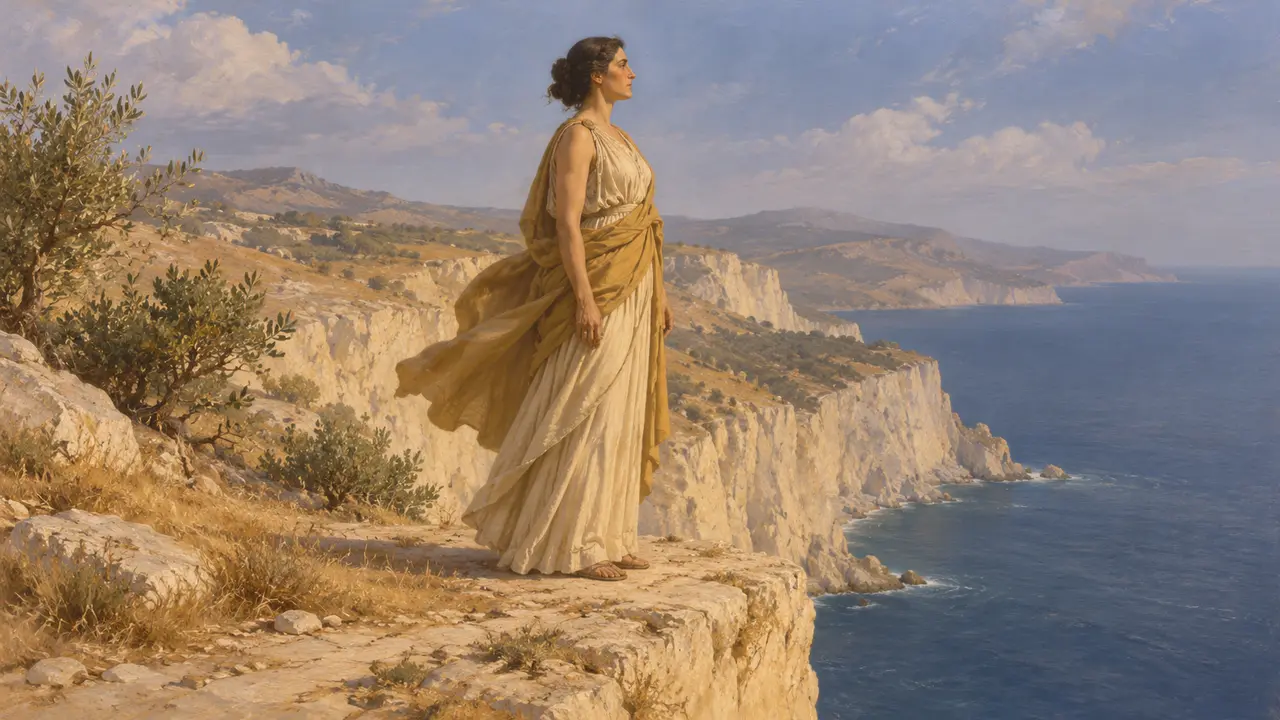
Later legendPolyaenus, writing in the 2nd century CE, collected tricks credited to her, such as switching flags to fool pursuers, and Pausanias reports her statue among the Persian figures on the Persian Stoa at Sparta. A romance by Ptolemy Hephaestion, known from Photius, claimed she loved a man of Abydos and leapt to her death from the cliff at Leucas. She is not the same as Artemisia II, wife of Mausolus, who ruled Halicarnassus more than a century later.
Polyaenus, Stratagems 8.53; Pausanias 3.11.3; Photius, Bibliotheca 190
Sources
- Herodotus 7.99, 8.68-69, 8.87-88, 8.93, 8.101-103
- R. Munson, Artemisia in Herodotus, 1988
- P. Briant, From Cyrus to Alexander, 2002
- Polyaenus, Stratagems 8.53
- Pausanias 3.11.3
- Photius, Bibliotheca 190