Halicarnassus
Greek and Carian coastal city in south-west Anatolia under Persian rule, 6th-5th century BCE
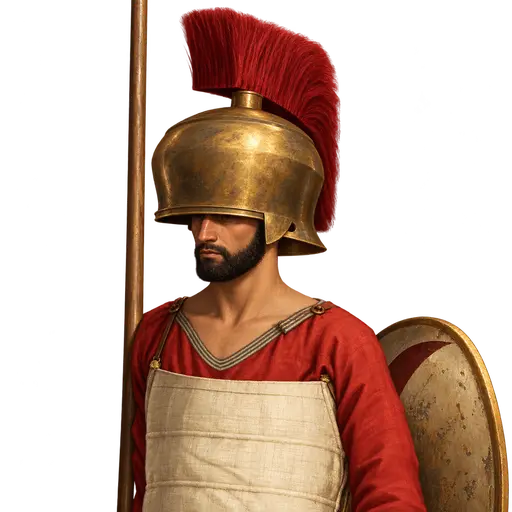
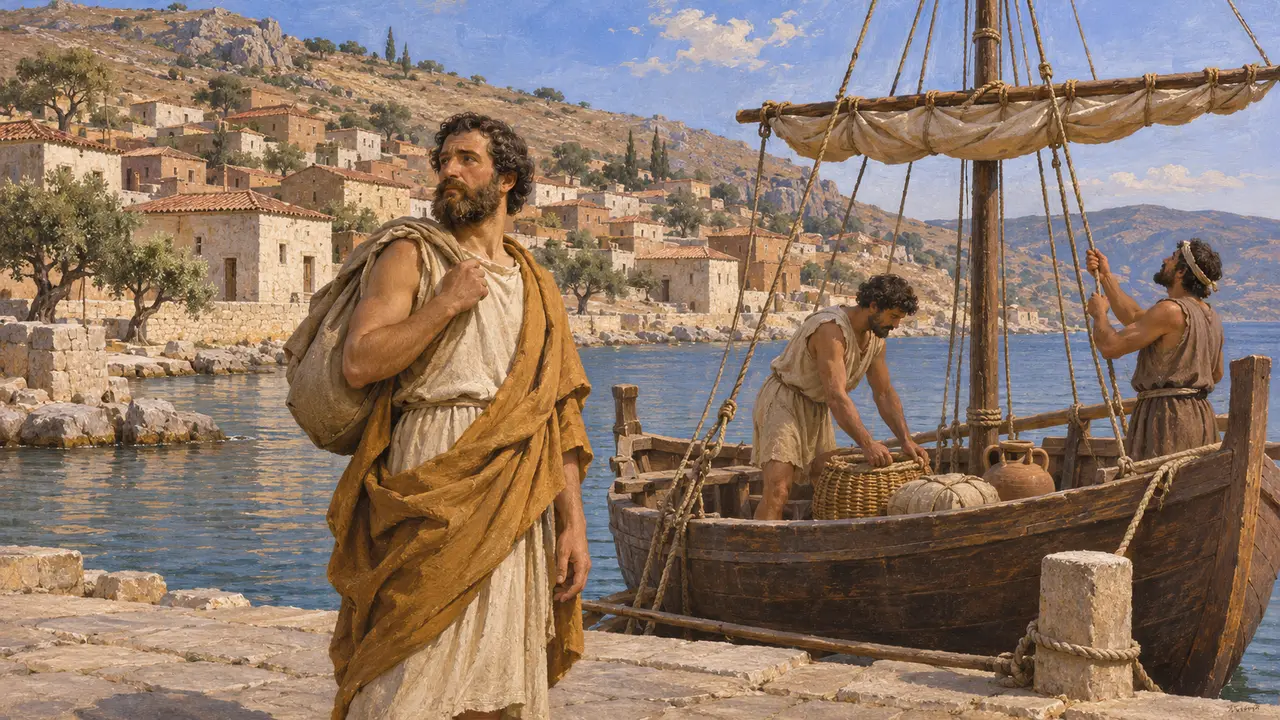
Halicarnassus was a port on the Carian coast. Herodotus, who was born there, calls it a Dorian Greek city, and it lay within the Persian empire after the conquest of the Anatolian coast in Cyrus's time. It is known as the home of Phanes and Artemisia, who appear in the wars with Greece, and as the birthplace of Herodotus.
In the game: The game mentions Halicarnassus only in the Chronicle and in event articles, as the home of Phanes in the Egypt entries and of Artemisia in the Salamis entries. It has no level, building or mechanic of its own.
A Dorian city on Carian ground
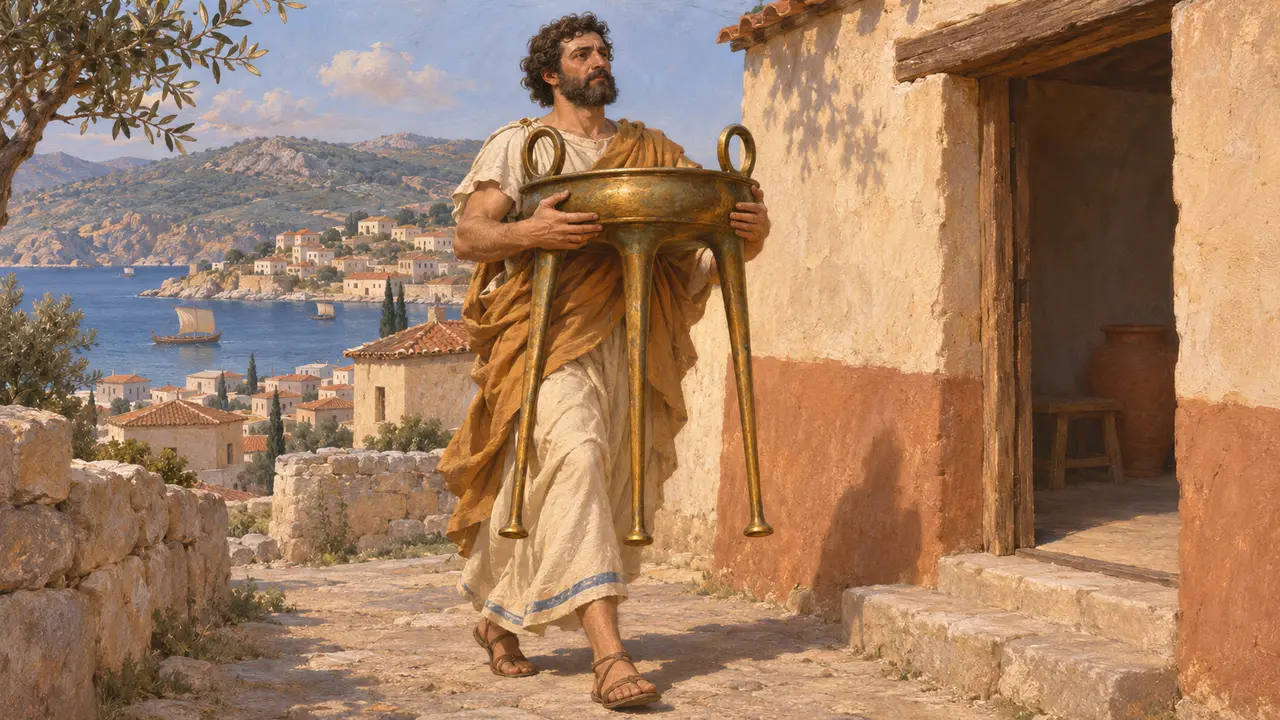
Ancient accountHerodotus counts Halicarnassus among the Dorian cities of the south-west coast, though it lay in Caria. He says it was shut out of the shared sanctuary at Triopium after a citizen, Agasicles, took home a prize tripod that should have been dedicated there.
Herodotus 1.144
Under Persian rule
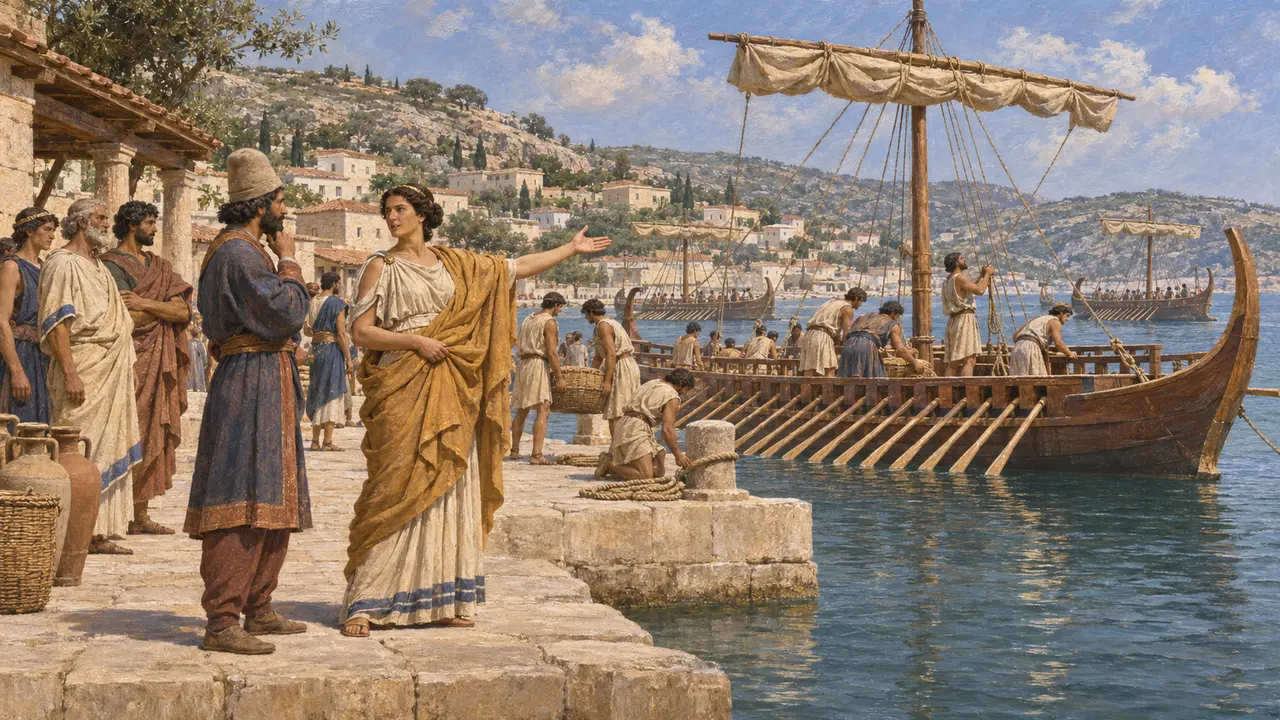
Ancient accountHerodotus tells of Harpagus's conquest of the Ionians, Carians and Lycians in Cyrus's reign. The conquest placed the coast under Persian authority. By Xerxes' invasion Halicarnassus is a ruled city that sends ships to the King's fleet under its own ruler, Artemisia.
Herodotus 1.171-176
Artemisia
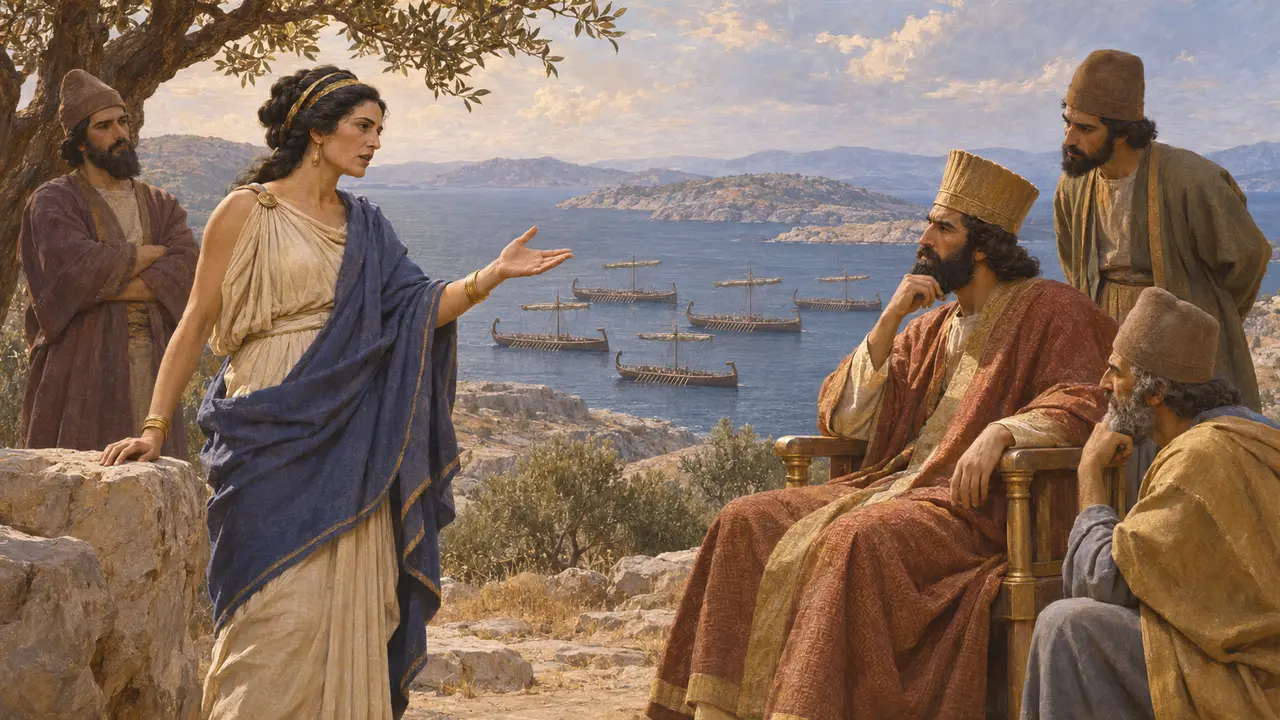
Ancient accountHerodotus names Artemisia as ruler of Halicarnassus, Cos, Nisyros and Calydna, and says she brought five ships to Xerxes' fleet. He reports that she advised against a sea fight at Salamis and that Xerxes valued her judgement. He is the only full source, so the speeches cannot be checked.
Herodotus 7.99; 8.68-69
Phanes
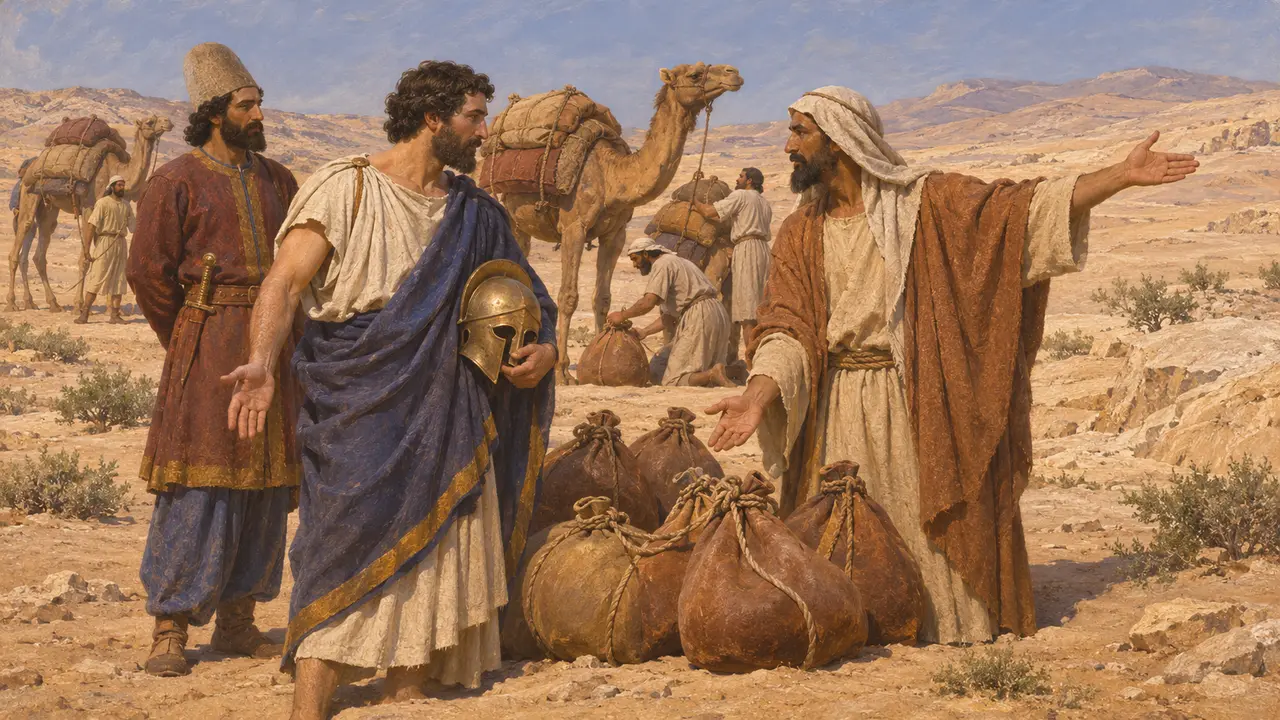
Ancient accountHerodotus says Phanes of Halicarnassus served Amasis of Egypt as a mercenary leader and deserted to Cambyses before the invasion. He reports that Phanes arranged the crossing of the desert with an Arab ruler. Herodotus adds that the Greek and Carian mercenaries left behind killed Phanes' sons.
Herodotus 3.4-11
Herodotus's own city
DisputedLater tradition says Herodotus left Halicarnassus after trouble with its tyrant Lygdamis and lived in Samos. This comes from late writers such as the Suda, not from the Histories. Historians accept that he came from the city but argue over how far the later biography can be trusted.
Suda, entry Herodotus
Sources
- Herodotus 1.144
- Herodotus 1.171-176
- Herodotus 7.99
- Herodotus 8.68-69
- Herodotus 3.4-11
- P. Briant, From Cyrus to Alexander, 2002