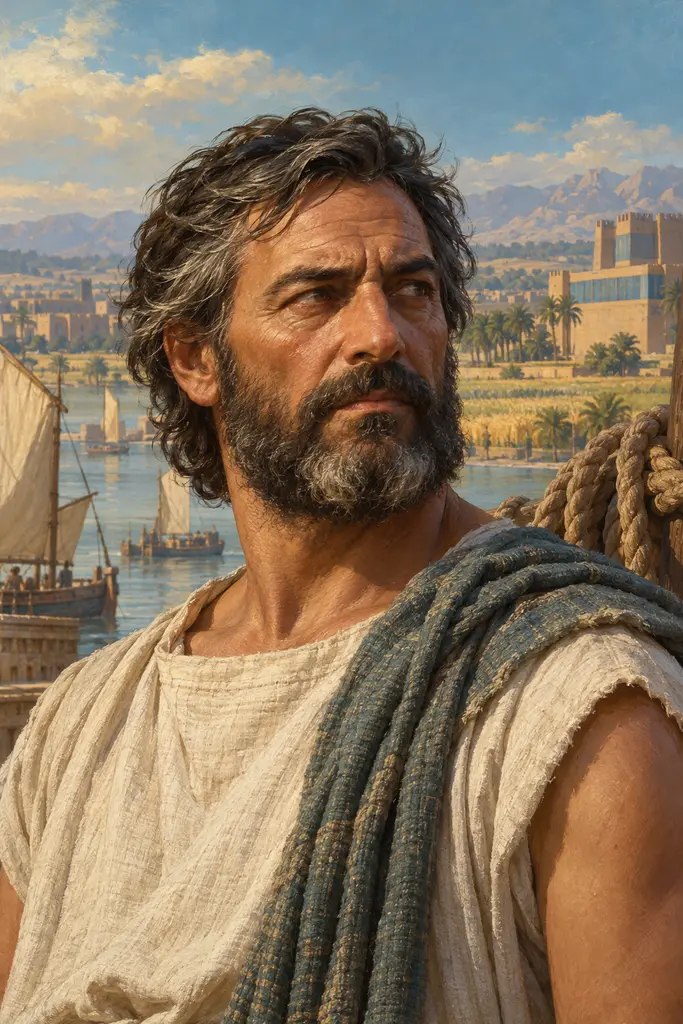
Scylax of Caryanda
Carian sea captain sent by Darius down the Indus, late 6th century BCE
In the game: Level 5: The Charter
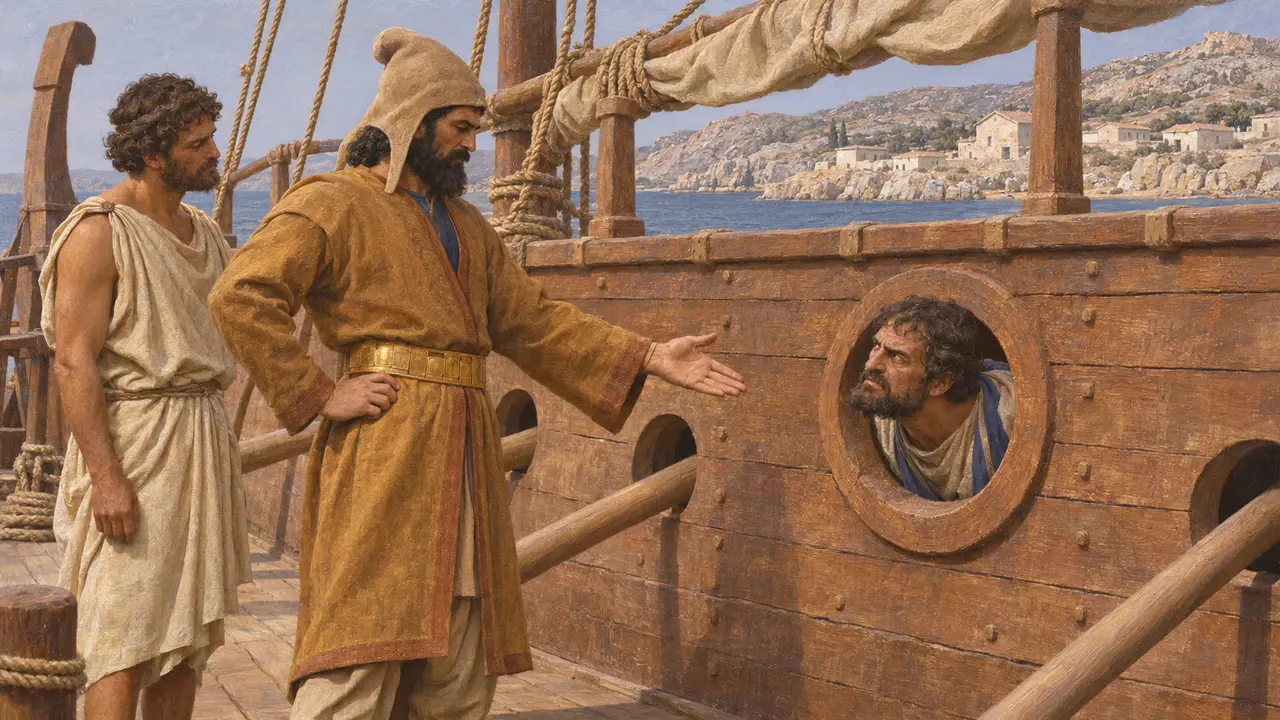
Scylax was a Carian from the small coastal town of Caryanda in south-west Asia Minor. Herodotus says Darius sent him to sail down the Indus to the sea and then west to Egypt, and that the King conquered the Indians after the voyage. He is one of the first named explorers in Greek writing, and his voyage, if it happened as told, linked the empire's eastern and western edges by sea.
In the game: The game mentions Scylax only in a chronicle note that follows Herodotus 4.44. It calls him a Greek explorer, but he was a Carian from Caryanda who probably wrote in Greek; the voyage's date and route are uncertain.
The voyage as Herodotus tells it
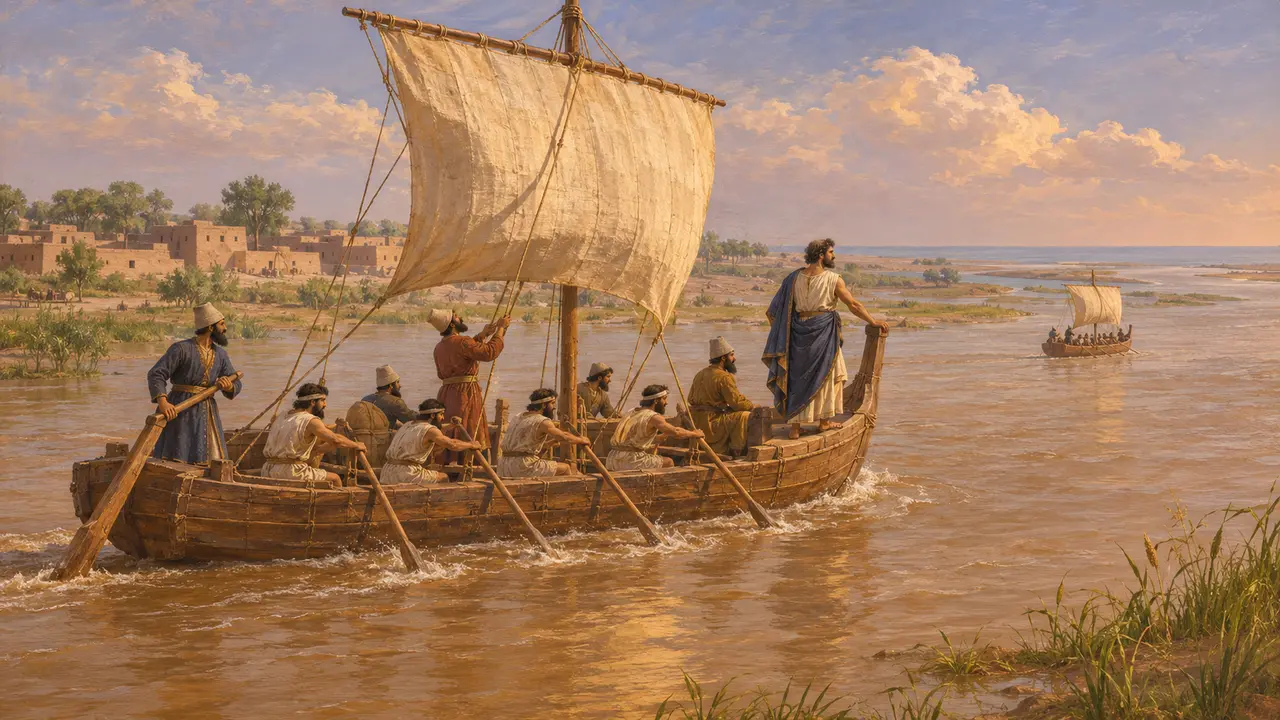
Ancient accountHerodotus says Darius wanted to learn where the Indus met the sea, so he sent ships manned by men he trusted, among them Scylax. They set out from Caspatyrus in the Pactyic country, followed the river down to the sea, then sailed west and reached the head of the Red Sea in the thirtieth month. Herodotus adds that Darius then subdued the Indians and made use of this sea.
Herodotus 4.44

India in the King's own lists
In the recordThe list of lands at Behistun, made about 520, names Gandara but not Hindush, the Indus country. Hindush appears in later lists of Darius, such as the one on his tomb at Naqsh-e Rostam. Persepolis Fortification tablets record travel rations for parties moving between Persia and Hindush. None of these texts mentions Scylax or a voyage.
DB §6; DNa; Persepolis Fortification tablets
Questions about the voyage
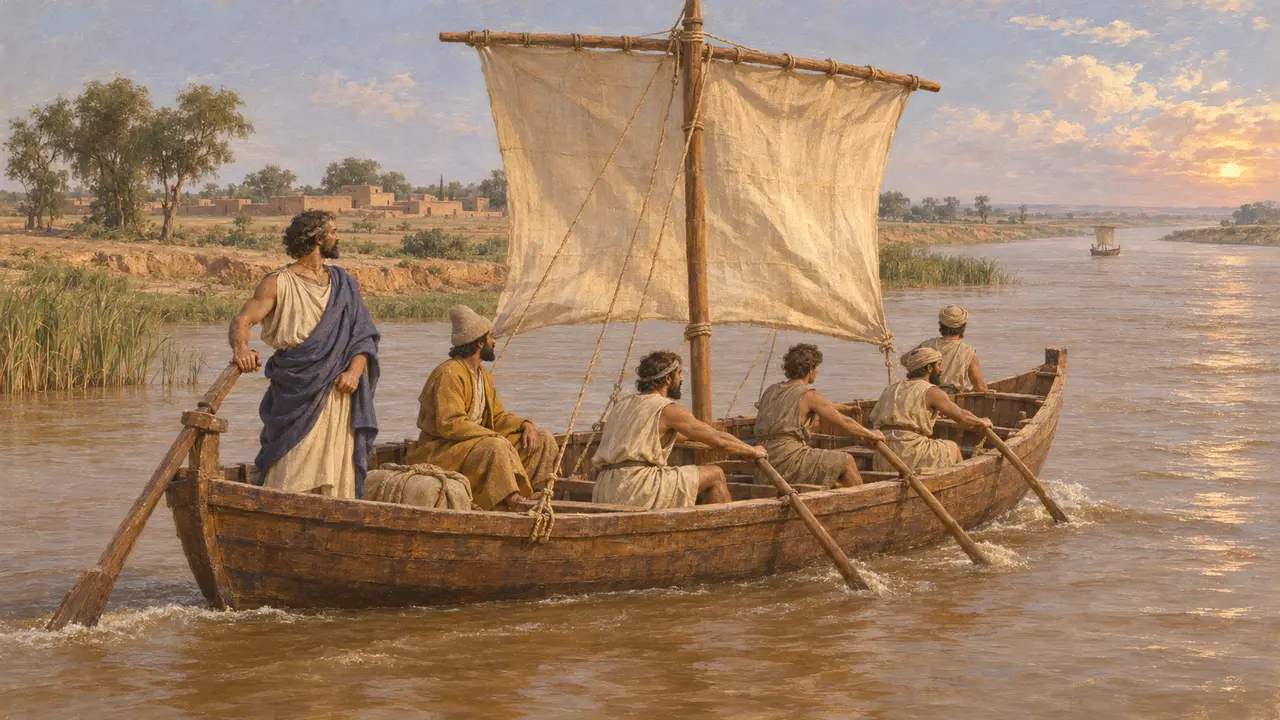
DisputedHistorians argue over the date, usually placed between about 519 and 510, and over whether the conquest of Hindush came before or after it. Herodotus has the ships sail east down the Indus, though the river flows south-west, which suggests muddled geography. Some doubt the full voyage round Arabia; others note that Darius's canal from the Nile to the Red Sea fits an interest in this sea route.
P. Briant, From Cyrus to Alexander, 2002
Scylax the writer
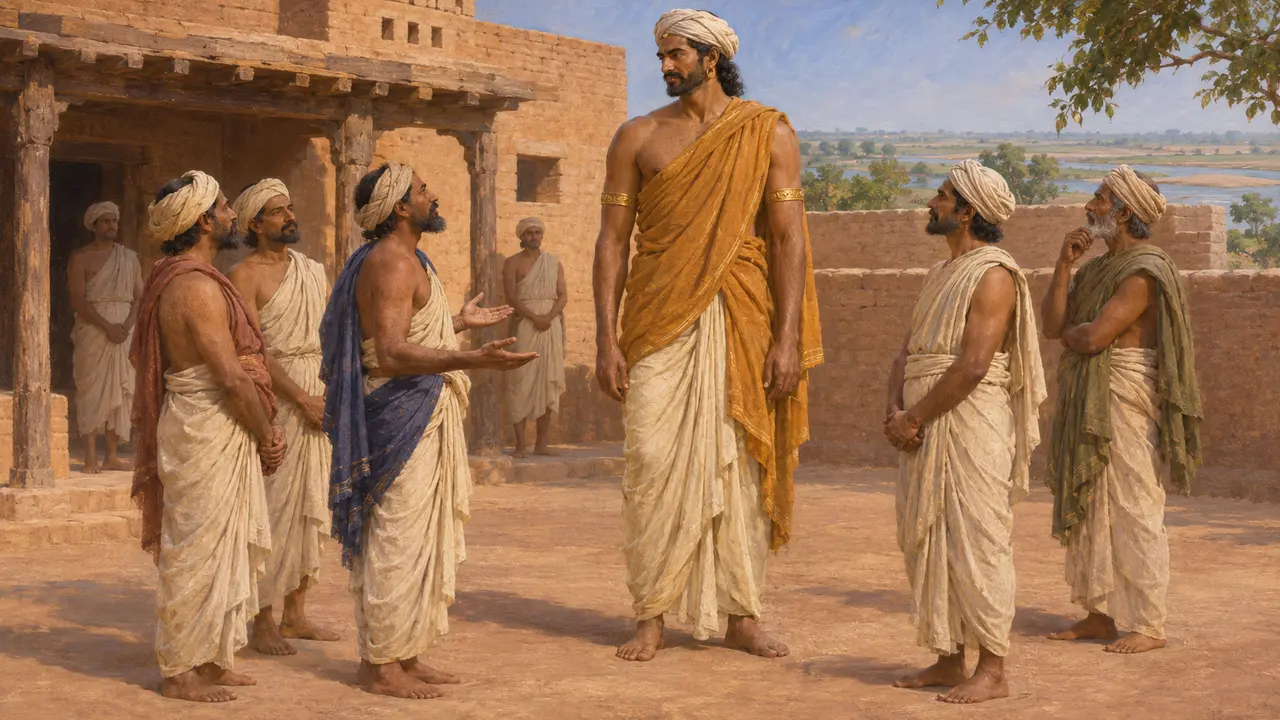
DisputedLater Greek authors treated Scylax as a writer on India. Aristotle cites him for the claim that Indian kings stood far above their subjects. A surviving description of Mediterranean coasts carries his name, but scholars date it to the 4th century, long after him, so it is now called Pseudo-Scylax. How much of his own report later writers truly read is unknown.
Aristotle, Politics 7.14; G. Shipley, Pseudo-Skylax's Periplous, 2011
Sources
- Herodotus 4.44
- DB §6; DNa
- P. Briant, From Cyrus to Alexander, 2002
- K. Karttunen, India in Early Greek Literature, 1989
- G. Shipley, Pseudo-Skylax's Periplous, 2011
- Aristotle, Politics 7.14; Persepolis Fortification tablets