Encyclopedia › Soldiers and ships
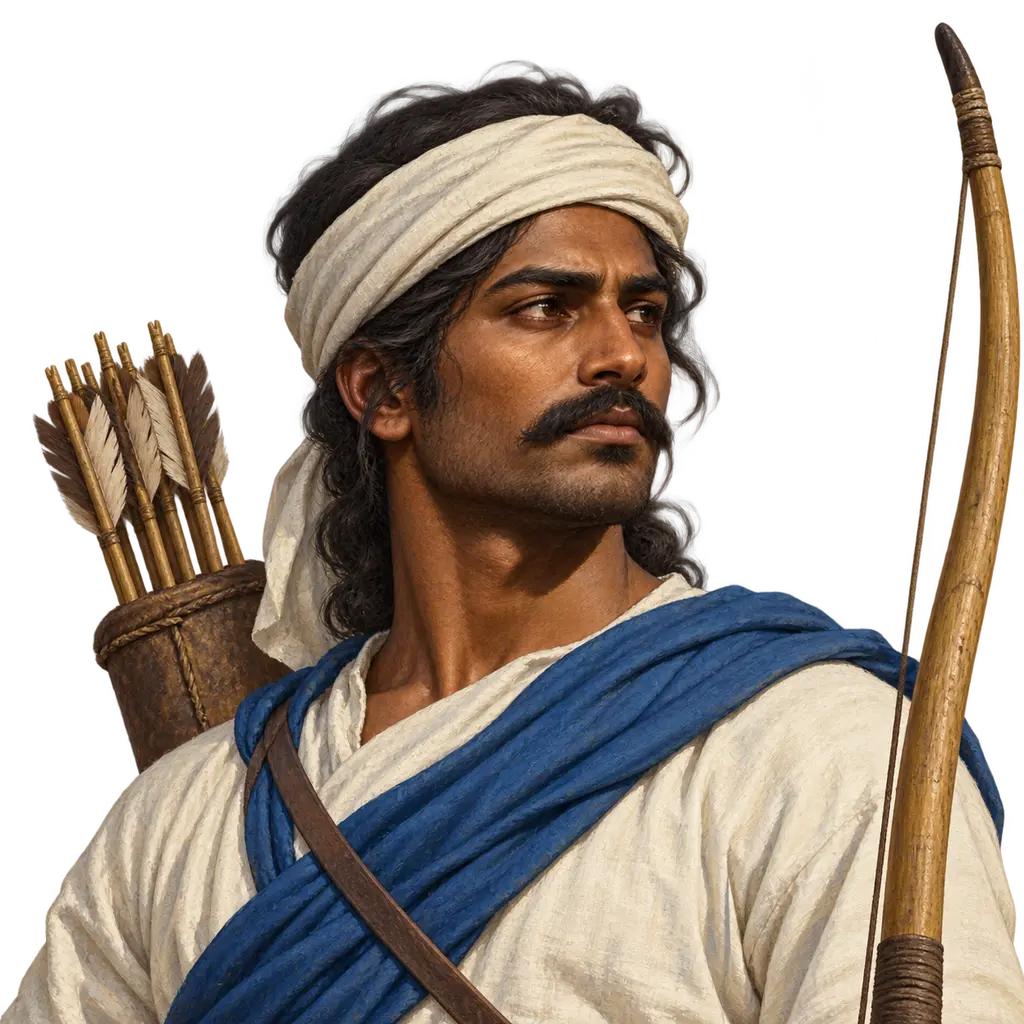
Indian Archer
Bowman from the Achaemenid province of Hindush in the Indus valley, about 515-479 BCE
In the game: Level 11: The Finale
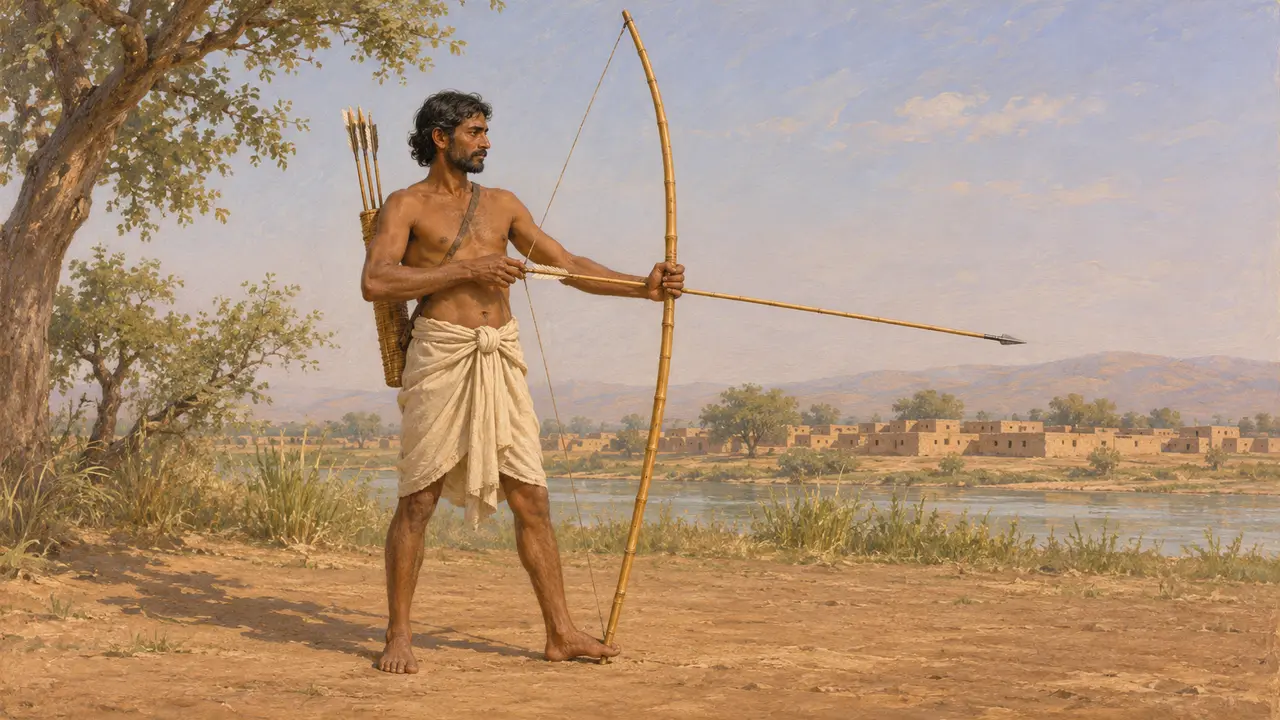
Indian archers came from Hindush, the Indus valley province that Darius probably added to the empire some years after 520. Herodotus describes them marching with Xerxes in cotton clothes, carrying cane bows and iron-tipped cane arrows, and says Mardonius kept them for the final campaign in Greece in 479. They show how far the King could draw soldiers, from the Indus to Boeotia.
In the game: The game takes the cotton, cane bow and iron-tipped cane arrows from Herodotus. Its long reach, slow rate of fire and frailty are game choices: no ancient source measures the range or speed of Indian archery.
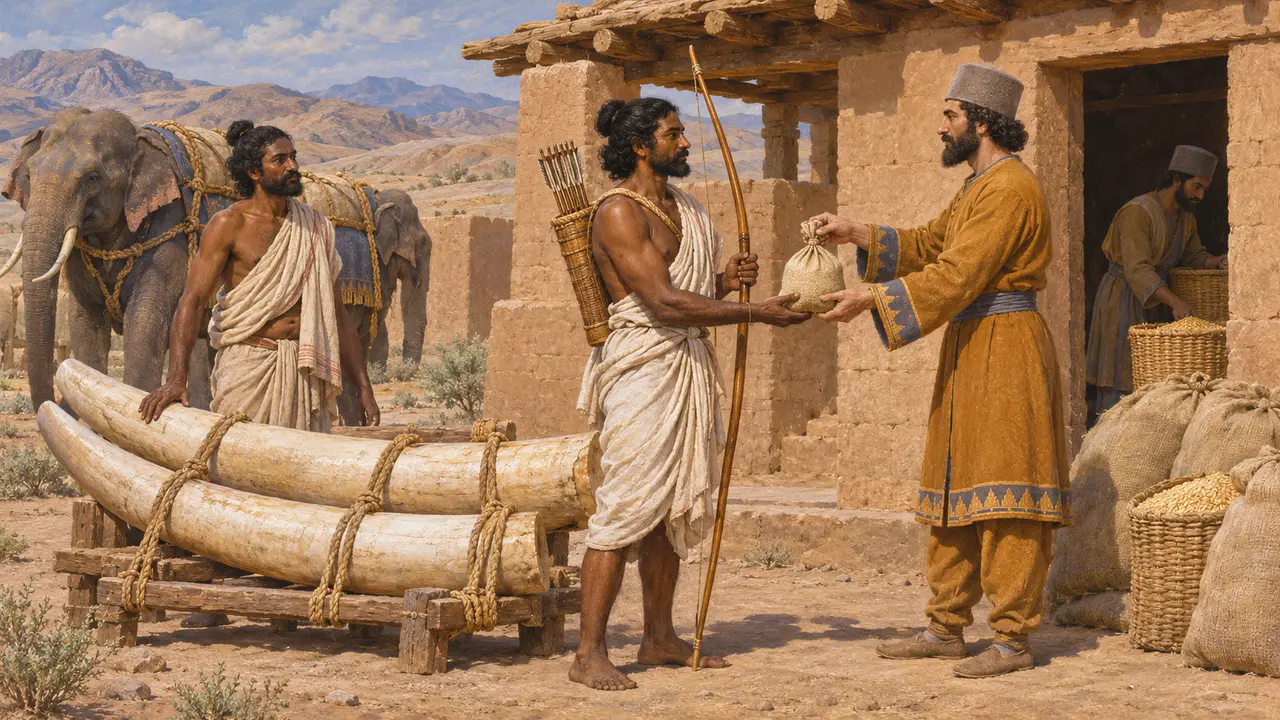
Hindush in the King's lists
In the recordHindush does not appear in the list of lands in the Behistun inscription, so it was probably conquered after about 519. It is named in later lists of Darius, including his tomb inscription at Naqsh-e Rostam, where an Indian figure helps carry the King's throne. Darius's Susa charter says ivory was brought from India among other lands, and the Persepolis Fortification tablets record travellers going to and from Hindush on rations.
DB §6; DNa; DSf; Persepolis Fortification tablets
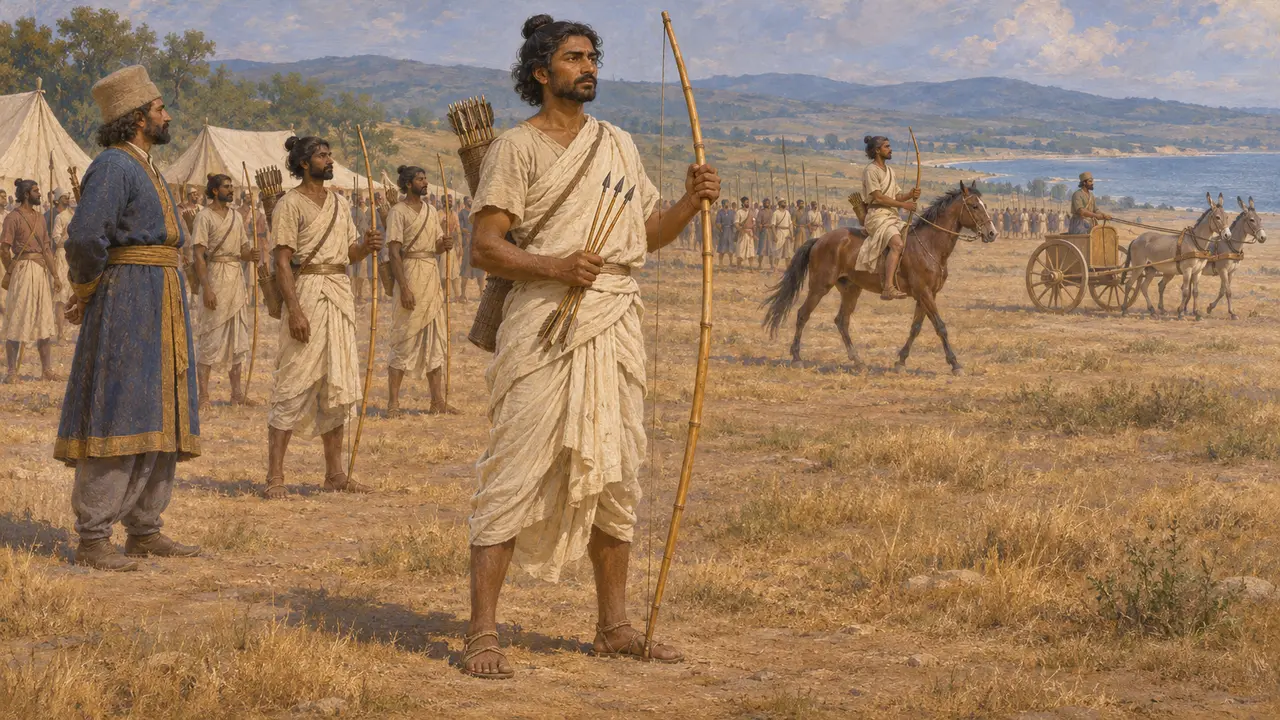
Herodotus's muster at Doriscus
Ancient accountHerodotus lists the Indians among Xerxes' infantry in 480, dressed in garments made of tree-wool, meaning cotton, with cane bows and cane arrows tipped with iron. He names their commander as Pharnazathres son of Artabates. He adds that Indian horsemen came armed the same way, with riding horses and chariots drawn by horses and wild asses. His total for the whole army, over 1.7 million foot, is regarded by historians as greatly exaggerated.
Herodotus 7.60; Herodotus 7.65; Herodotus 7.86
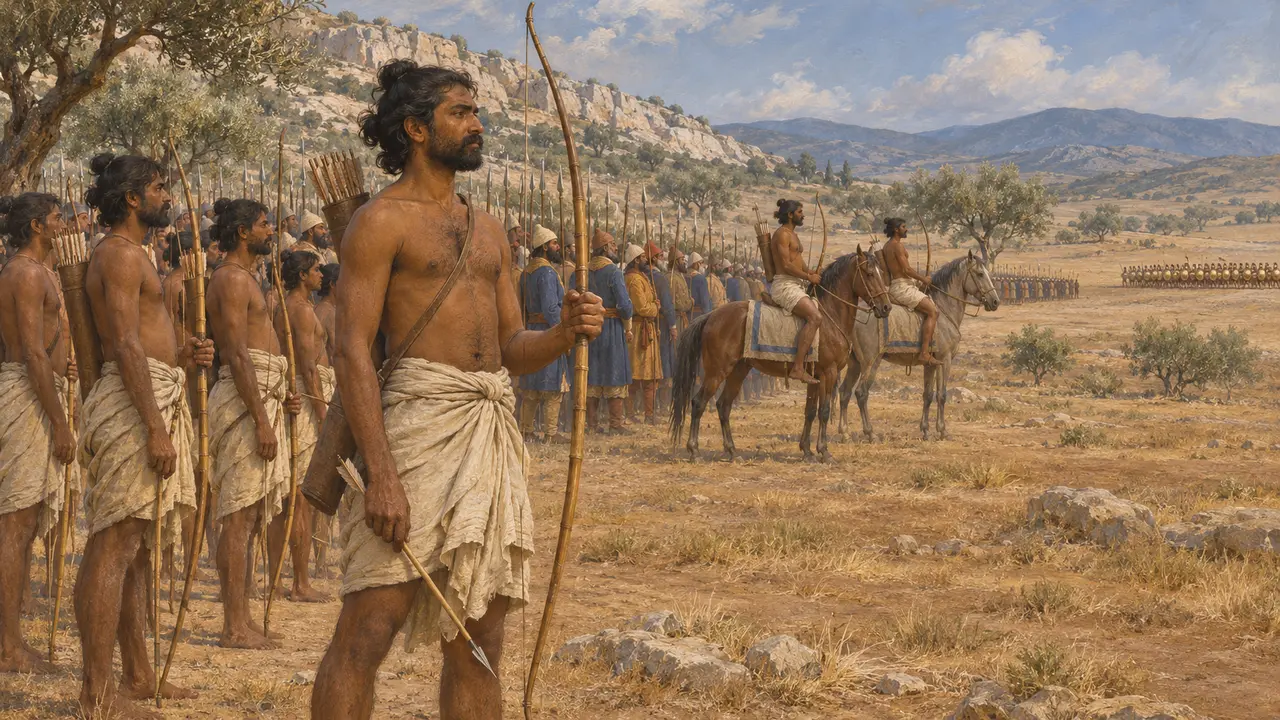
Kept for the last campaign
Ancient accountAfter Salamis, Herodotus says, Mardonius chose the troops he wanted to stay with him in Greece, and the Indians were among them, foot and horse, alongside Persians, Medes, Saka and Bactrians. At Plataea in 479 he places them in the battle line facing part of the Greek army. He records no particular deeds of theirs in the fighting.
Herodotus 8.113; Herodotus 9.31
How long was the Indian bow
DisputedArrian, drawing on writers who went east with Alexander, describes Indian foot archers with a bow as tall as the man, braced on the ground, and very long arrows. Historians debate whether this fourth-century picture fits the Indus troops of Xerxes' day, and whether Herodotus's cane means reed or bamboo. Neither source gives any range, so claims that Indian bows outshot Persian ones rest on inference.
Arrian, Indica 16; Herodotus 7.65
Gold from the ants
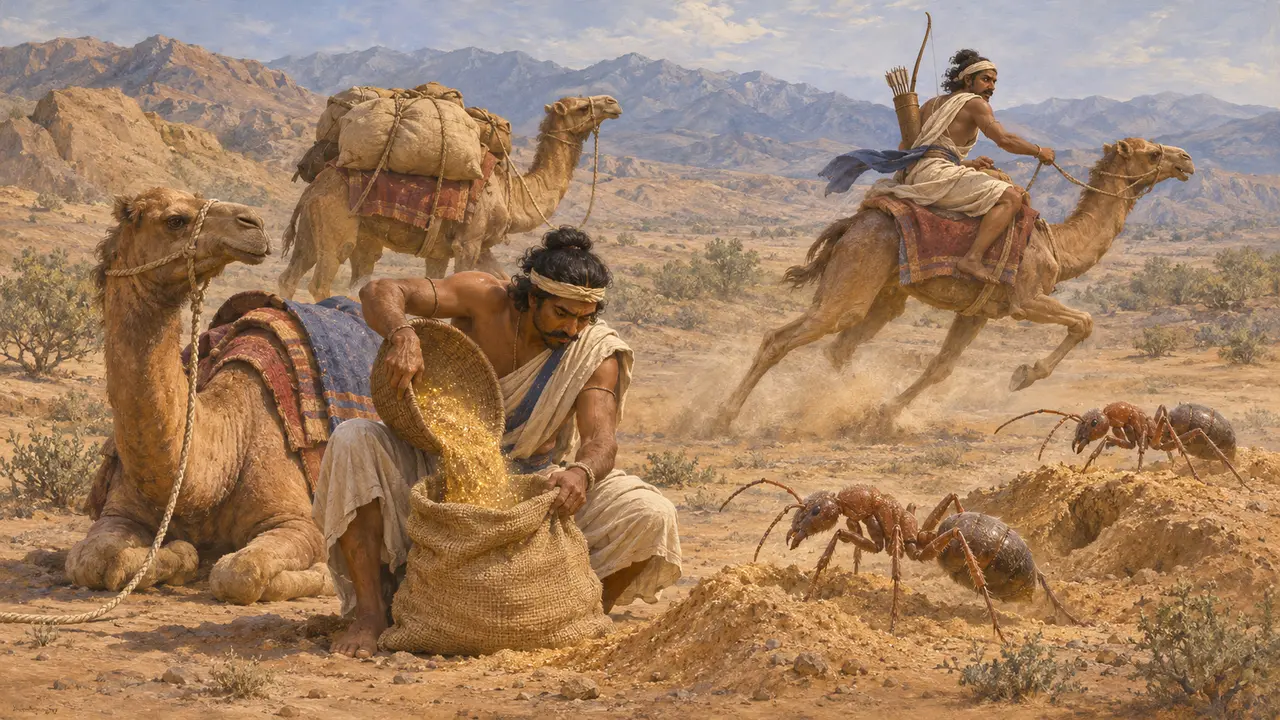
Later legendTo explain the 360 talents of gold dust he says the Indians paid each year, Herodotus tells a tale of desert ants smaller than dogs but larger than foxes, which threw up gold-bearing sand as they dug. Indians, he says, raced in on fast camels to steal the sand before the ants could catch them. The story belongs to traveller's lore, though the gold tribute itself may reflect real river gold from the north-west.
Herodotus 3.94; Herodotus 3.102-105
Sources
- Herodotus 7.65
- Herodotus 8.113; 9.31
- Herodotus 3.94; 3.102-105
- DNa; DSf
- Arrian, Indica 16
- P. Briant, From Cyrus to Alexander, 2002