Encyclopedia › Wildlife and weather

The fox
The red fox in Anatolia, Thrace and Greece, 6th to 5th century BCE
In the game: Level 3: The Lie, Level 6: The Bridge of Boats, Level 7: Sardis Burns, Level 8: The Bay of Marathon, Level 9: The Canal, Level 10: The Hot Gates, Level 11: The Finale
The red fox lived across much of the lands the Persian armies crossed, from Lydia and Thrace to Greece. It left little trace in Persian royal texts. Greek writers mention it in fable and, most usefully, in the fox-skin caps worn by Thracian soldiers.
In the game: The game draws foxes as scenery on the Athos, Bagastana, Ister, Marathon, Plataea, Sardis and Thermopylae levels. No rule reads them.
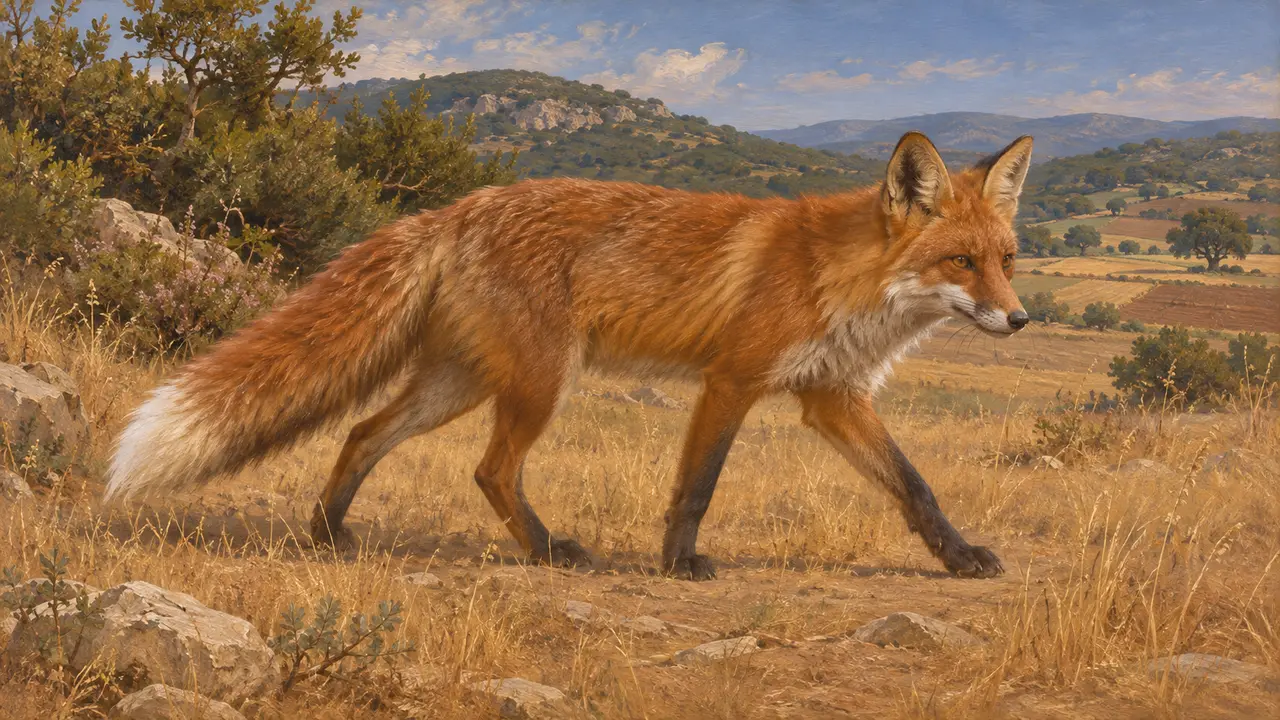
A common animal of open country
DisputedNo source from the period describes the fox's range. The red fox is widespread across Europe and western Asia today and lives in woodland, scrub, farmland and steppe. Modern zoologists assume a similar spread in the 5th century, but this is inference from the living animal, not from an ancient count.
No ancient source gives the range; inference from modern zoology
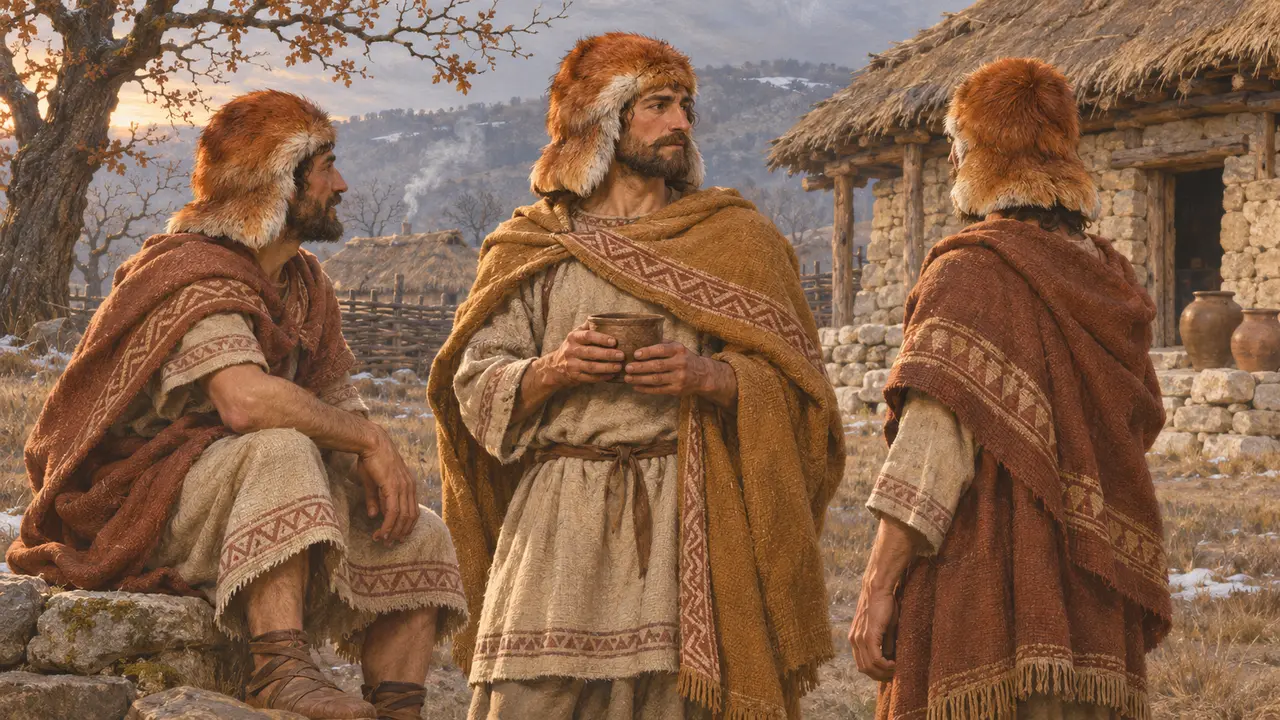
Fox-skin caps of the Thracians
Ancient accountHerodotus describes the Thracians of Asia in Xerxes' army as wearing fox-skin caps. Xenophon, writing some decades later, says Thracians wore fox-skin caps that covered the ears against the cold. Both show that fox pelts were an ordinary material for clothing in Thrace.
Herodotus 7.75; Xenophon, Anabasis 7.4.4
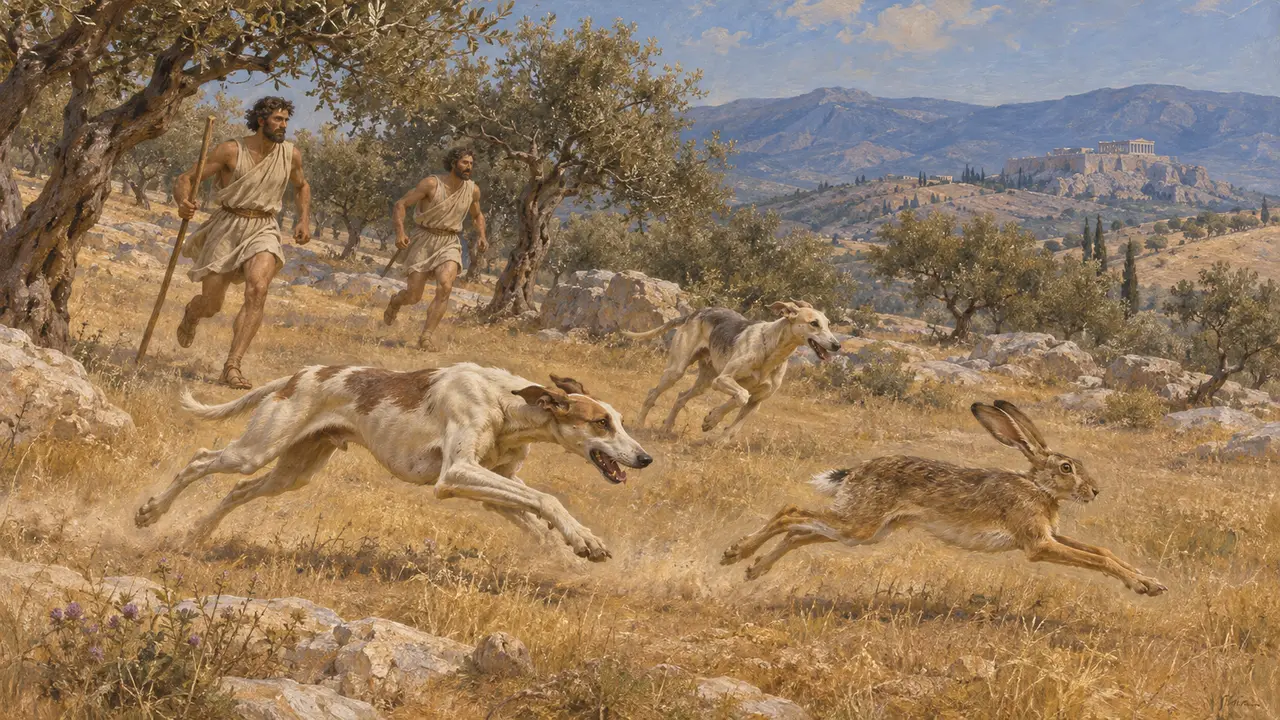
The fox in Greek hunting writing
Ancient accountXenophon's treatise on hunting, written in the 4th century, shows Greek hunting practice a little after the Persian wars, with the hare as its main quarry. It does not show that the Persian court hunted foxes, and the royal hunting parks of the period are usually linked with larger game.
Xenophon, Cynegeticus
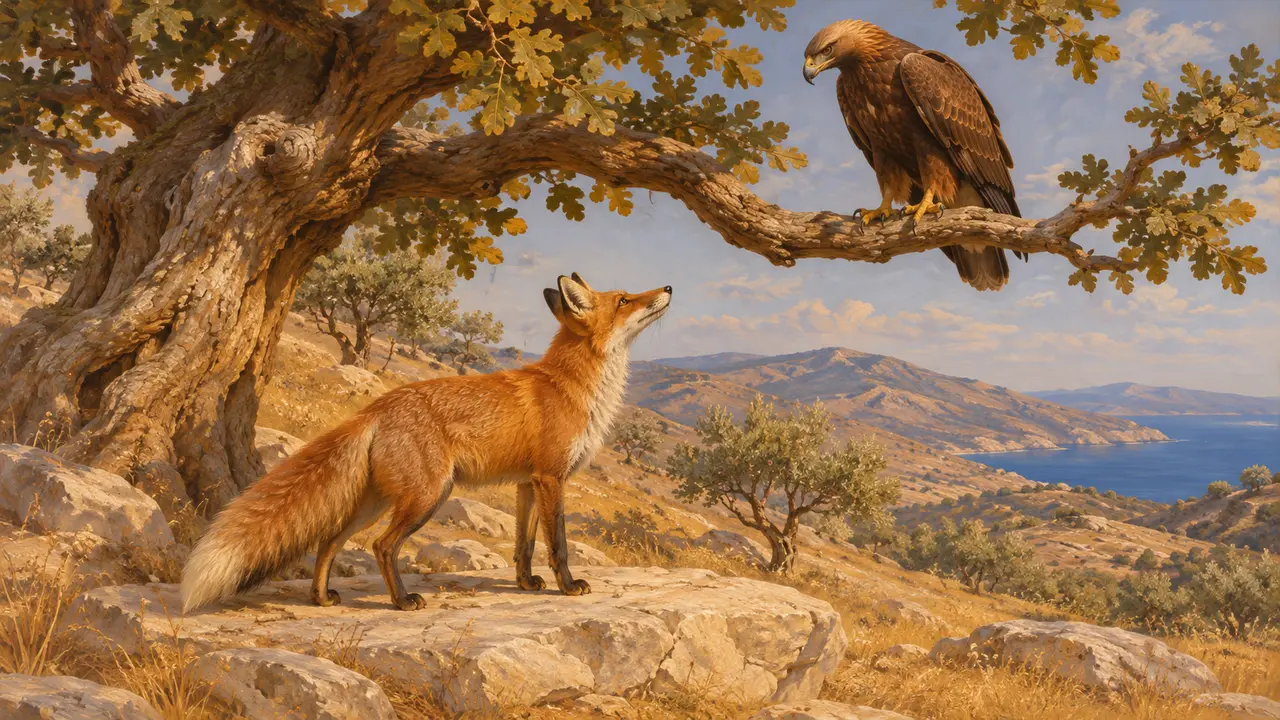
The fox in fable
Later legendThe fox became the cunning character of Greek fable. The poet Archilochus, in the 7th century, already used fox and eagle tales. Herodotus names Aesop as a fable writer who had been a slave on Samos. The fables gathered under Aesop's name were written down much later, so they show Greek storytelling and not the animal's real habits.
Archilochus, fragments; Herodotus 2.134
Sources
- Herodotus 7.75
- Xenophon, Anabasis 7.4.4
- Xenophon, Cynegeticus
- Herodotus 2.134
- Archilochus, fragments