Encyclopedia › Wildlife and weather

The golden jackal
A scavenging canid of open ground in Persis, Elam and Egypt, 6th-5th centuries BCE
In the game: Level 1: The Founder's Tomb, Level 2: The Spear-bearer, Level 4: The Terrace, Level 5: The Charter
The golden jackal (Canis aureus) lives across the Near East and north-east Africa, and it probably did so in the Achaemenid period. It is a small scavenger and hunter on the edges of settlements and fields. In Egypt, canine gods such as Anubis and Wepwawet gave the animal a religious meaning that Persian officials there found already in place.
In the game: The game draws the jackal as scenery on the Pasargadae, Memphis, Parsa and Susa levels, on land the town has not taken. No rule reads it, and the Anubis link belongs to Egypt only.
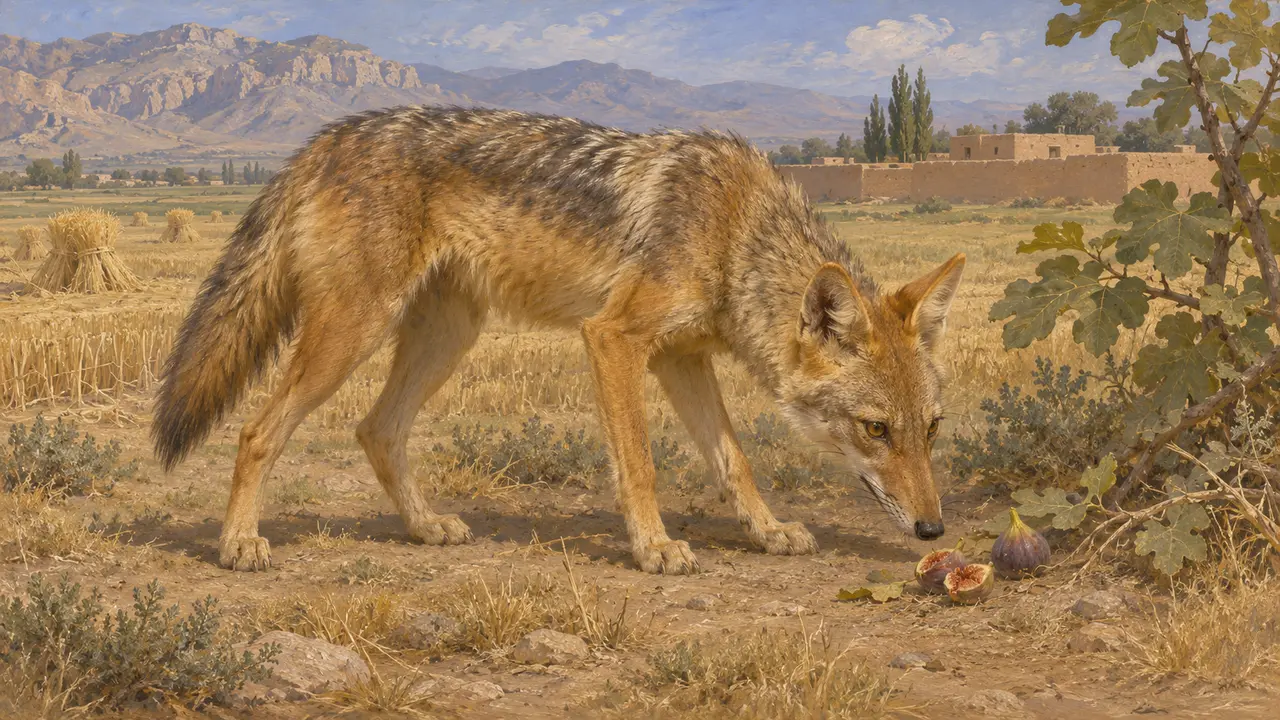
An animal of open ground
DisputedJackals are adaptable animals that live on plains, scrub and the margins of farmland, and they eat carrion, small prey and fruit. Their presence in Persis, Elam and Egypt in the sixth and fifth centuries is an inference from the modern range, since no source from the period describes it. The game's placement is therefore plausible rather than documented.
Modern range of Canis aureus; no ancient source cited
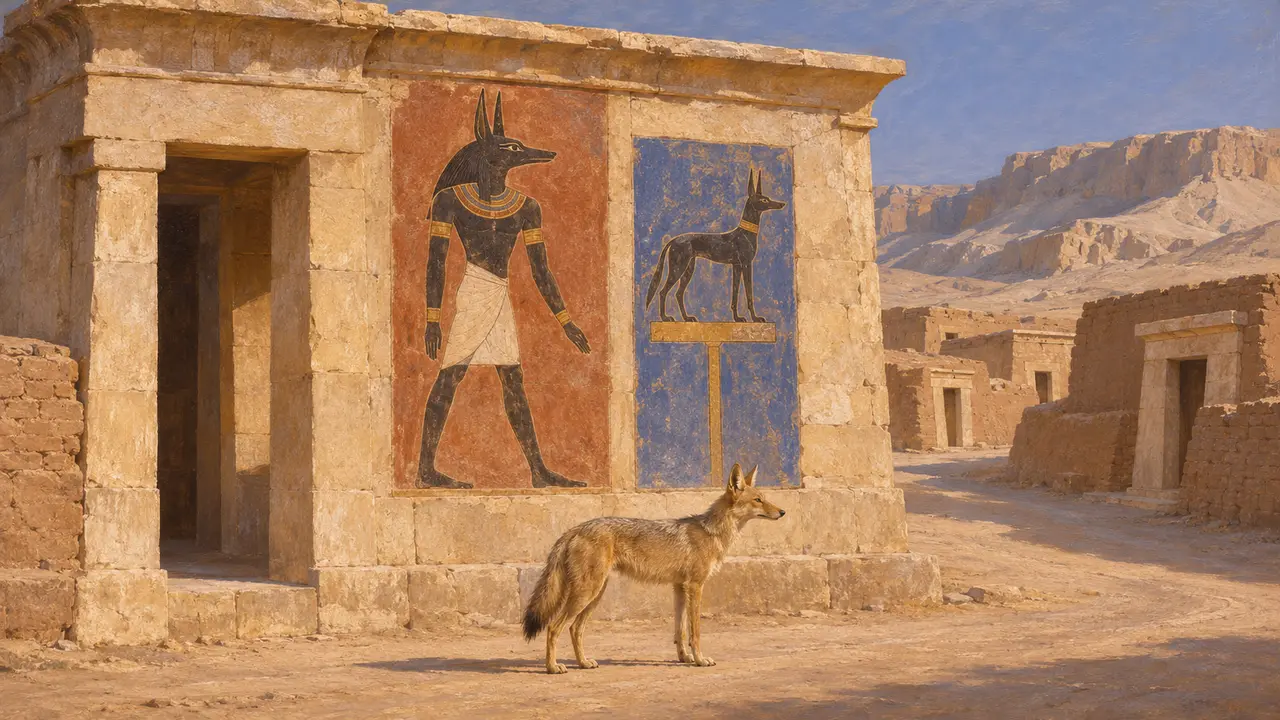
Jackal gods of Egypt
In the recordEgyptian religion linked jackal and dog forms with the dead and with the roads of the necropolis. Anubis was a god of embalming and the cemetery, and Wepwawet, the opener of the ways, was also shown as a canine. Both appear in Egyptian tomb art and temple reliefs, which were made throughout the pharaonic period.
Egyptian tomb art and temple reliefs
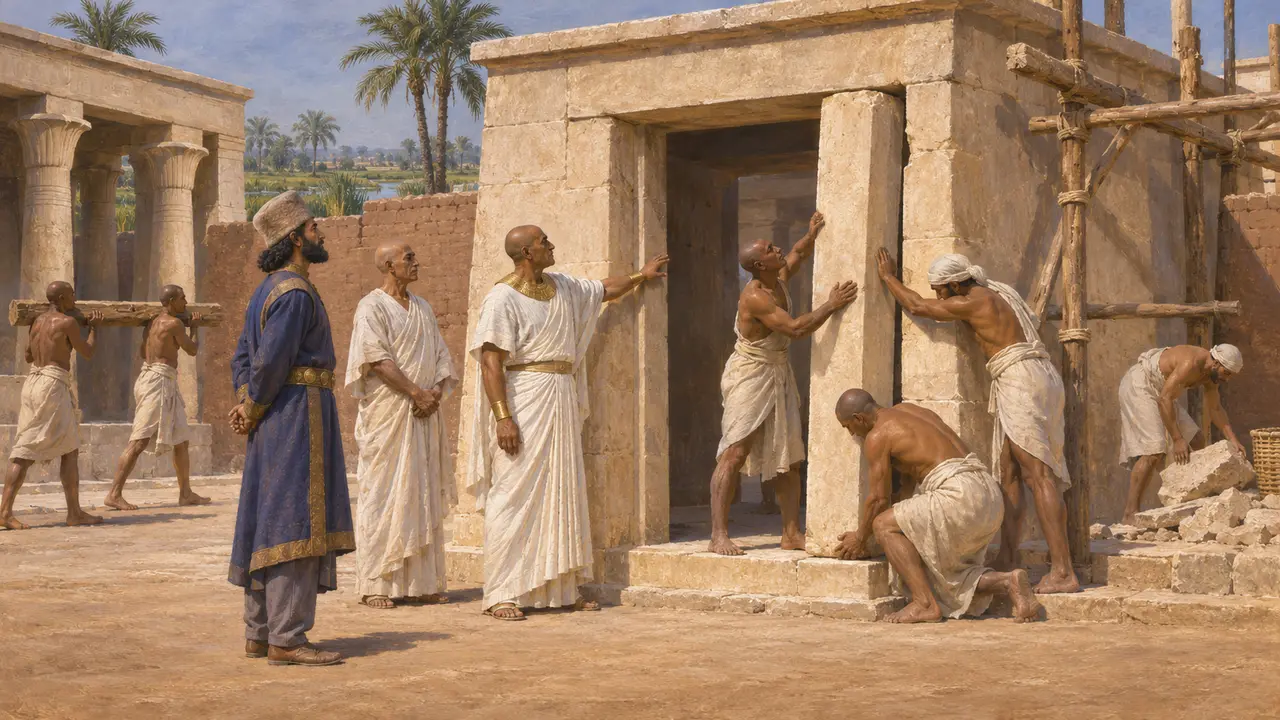
Persian rule in Egypt
In the recordThe statue of Udjahorresnet records an Egyptian official who served Cambyses and Darius. It says he cleansed the temple of Neith at Sais, and that Darius ordered the House of Life there restored. Persian kings therefore worked through existing Egyptian temples and officials.
Statue of Udjahorresnet
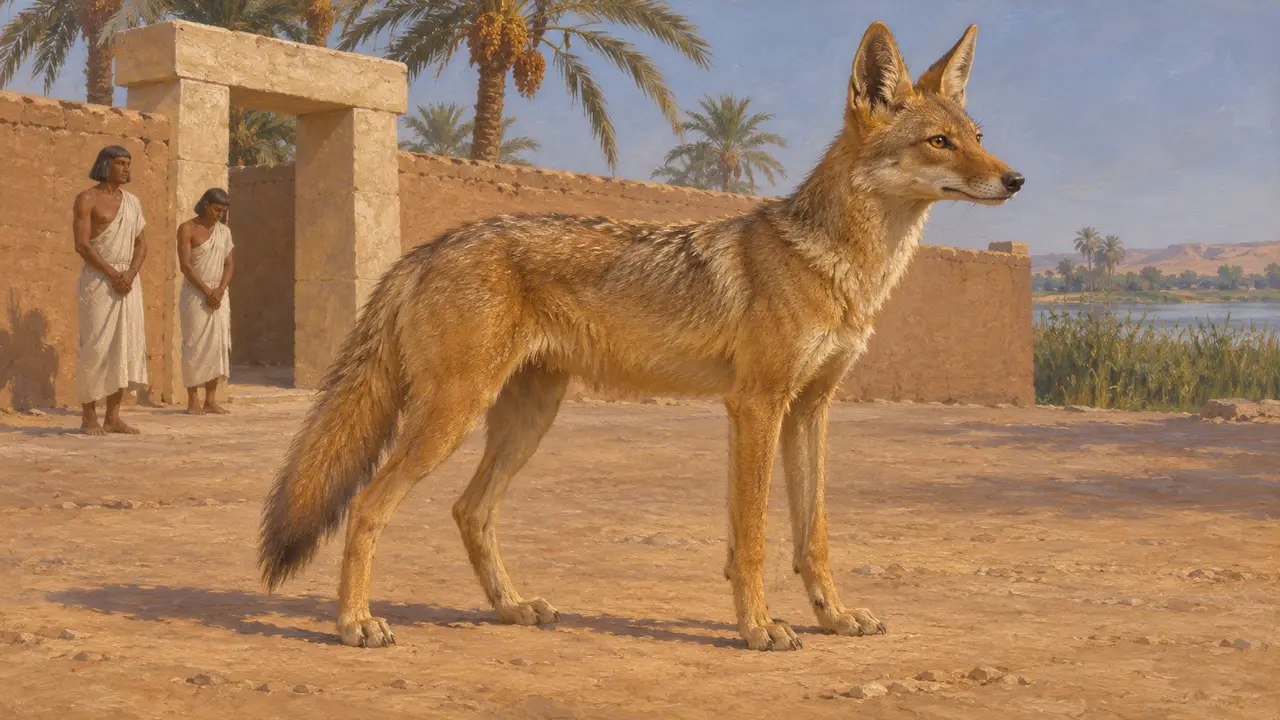
What Herodotus says of Egyptian animals
Ancient accountHerodotus describes Egyptian respect for sacred animals at length and says that killing some of them was punished. His account is a Greek visitor's view and should be read as such. He gives no clear passage on the jackal in Persia.
Herodotus 2
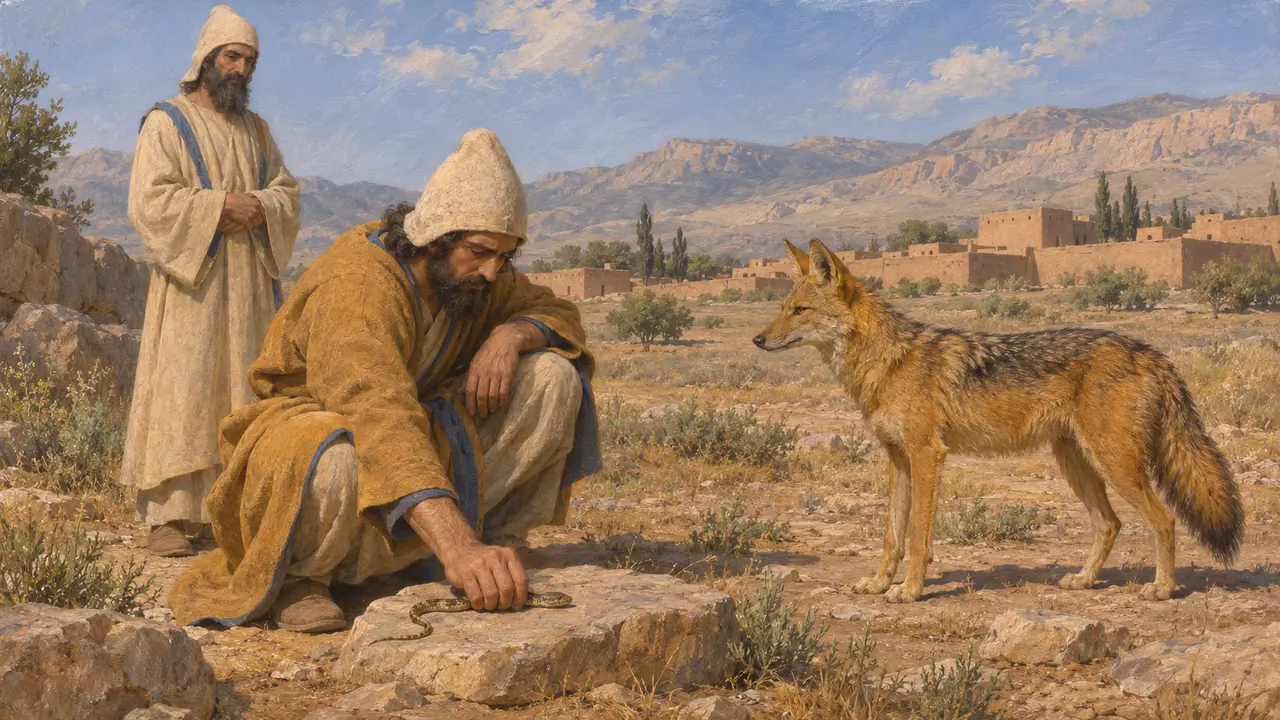
Persian attitudes to animals
DisputedHerodotus says the magi killed ants, snakes and other creatures with their own hands and thought it a merit. Historians debate how far this reflects Achaemenid religious practice. The sources do not allow a firm statement about how Persians treated jackals.
Herodotus 1.140
Sources
- Herodotus 2
- Herodotus 1.140
- Statue of Udjahorresnet
- P. Briant, From Cyrus to Alexander, 2002