Burial Ground
Graves and burial customs of the Persians and their subjects, about 550-479 BCE
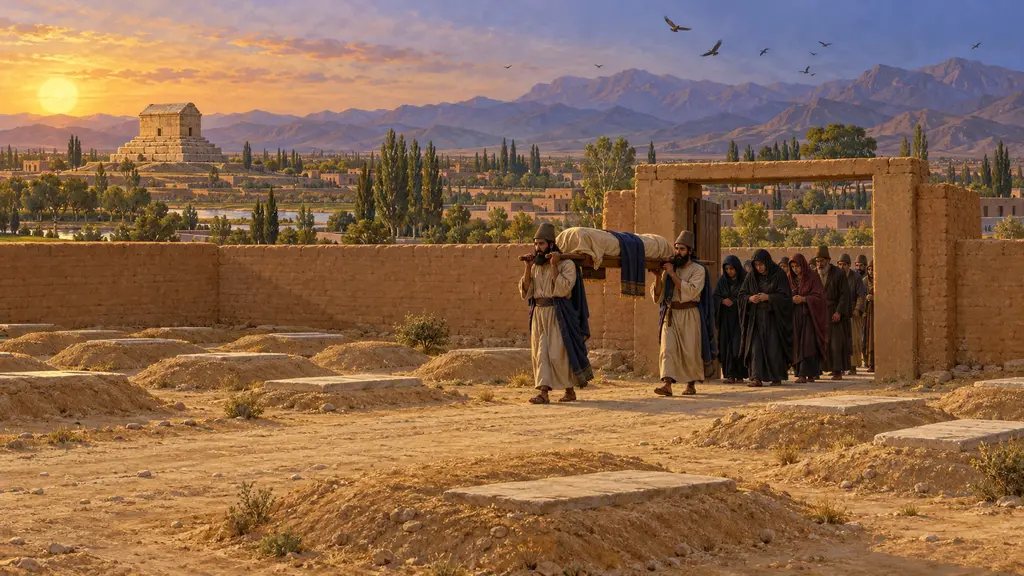
Most people in the Persian empire buried their dead in the earth, in pits, jars or coffins, often with a few personal goods. Herodotus says the Persians coated the body in wax before burial, while the magi first left their dead to be torn by birds or dogs. Burial customs show both how Persians thought about death and how varied the King's many peoples remained.
In the game: Bearers carry the city's dead to the Burial Ground, and unburied dead sicken nearby houses. The wax and the magi follow Herodotus, though he names dogs as well as birds. The sickness rule is a game simplification.
Wax, earth and exposure in Herodotus
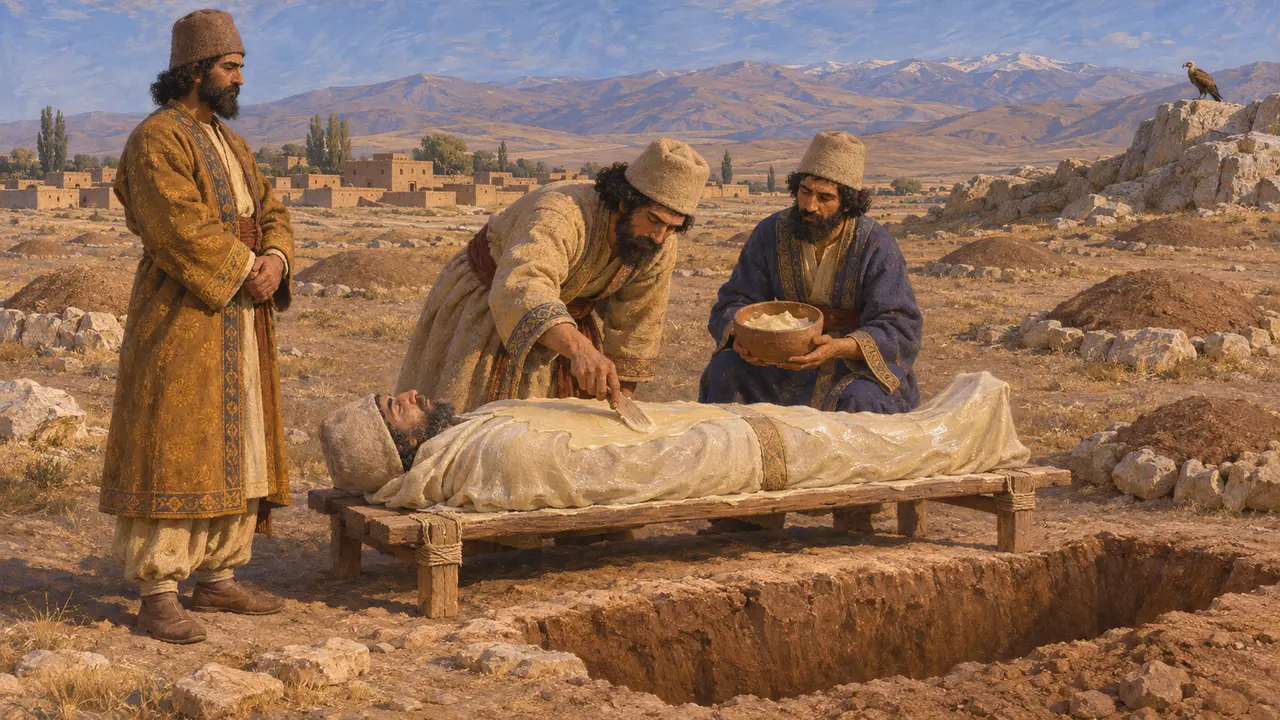
Ancient accountHerodotus says the Persians covered a corpse in wax and then buried it. He adds that it was said, as a half-secret matter, that a Persian body was not buried until a bird or dog had torn it, and he was certain that the magi did this. Elsewhere he says the Persians did not burn their dead, because they held fire to be a god, and it was not right to give a god a corpse.
Herodotus 1.140; Herodotus 3.16
Graves found by excavators
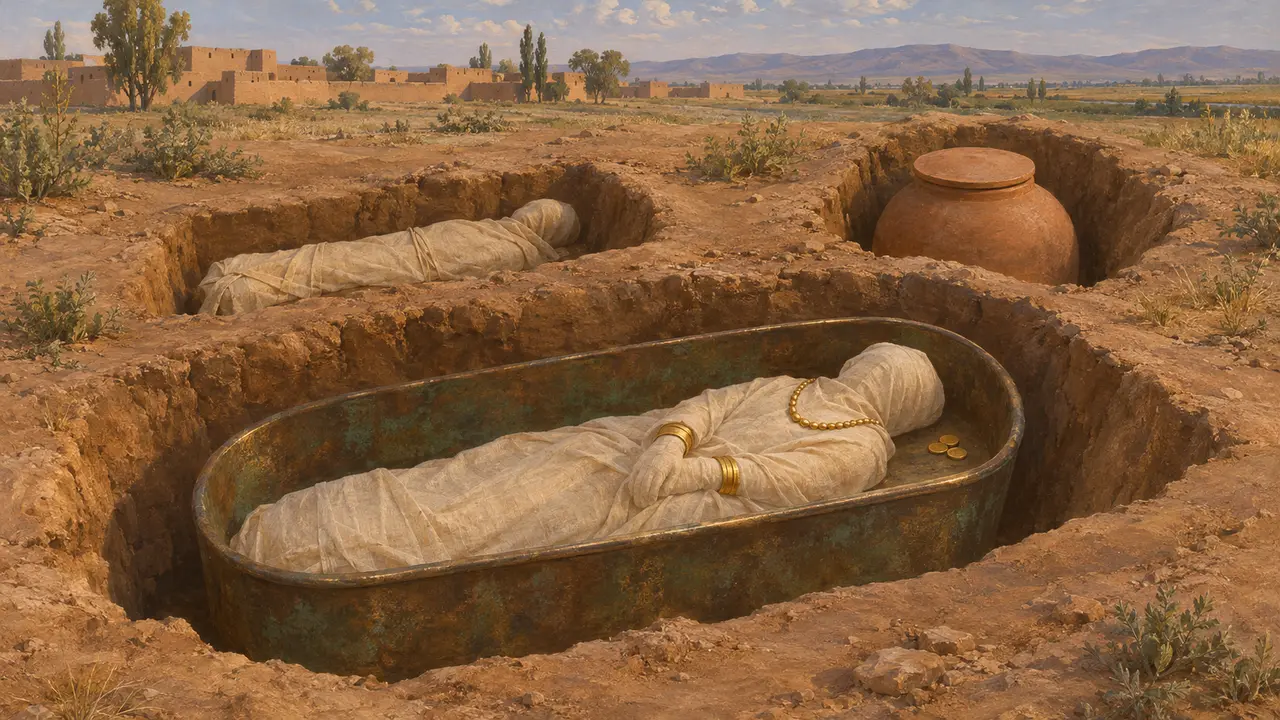
In the recordExcavations in Elam, Mesopotamia and Persis have found ordinary burials of the Achaemenid period in the ground, some in simple pits and others in pottery jars or coffins. At Susa in 1901, J. de Morgan's mission found a late Achaemenid burial in a bronze tub-shaped coffin with gold jewellery and coins. Such finds show that burial in the earth was common, though rich and plain graves differed greatly.
J. de Morgan, Mémoires de la Délégation en Perse, 1905; P. Briant, From Cyrus to Alexander, 2002
Offerings at royal tombs
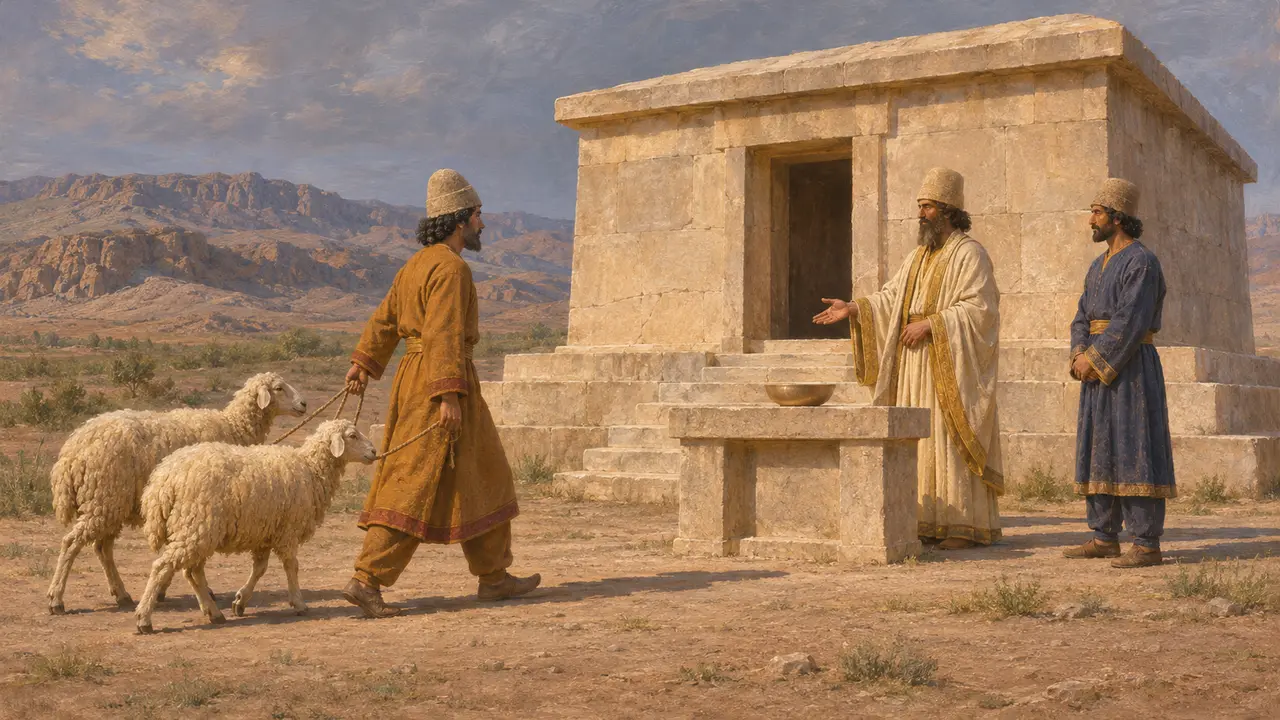
In the recordElamite tablets from the Persepolis Fortification archive record sheep issued for offerings at the šumar of members of the royal house, among them Cambyses and Darius's father Hystaspes. The word probably meant a tomb or memorial building. The tablets show that the King's administration paid for regular rites for the royal dead.
W. Henkelman, An Elamite memorial: the šumar of Cambyses and Hystaspes, 2003; W. Henkelman, The Other Gods Who Are, 2008
Burial or exposure
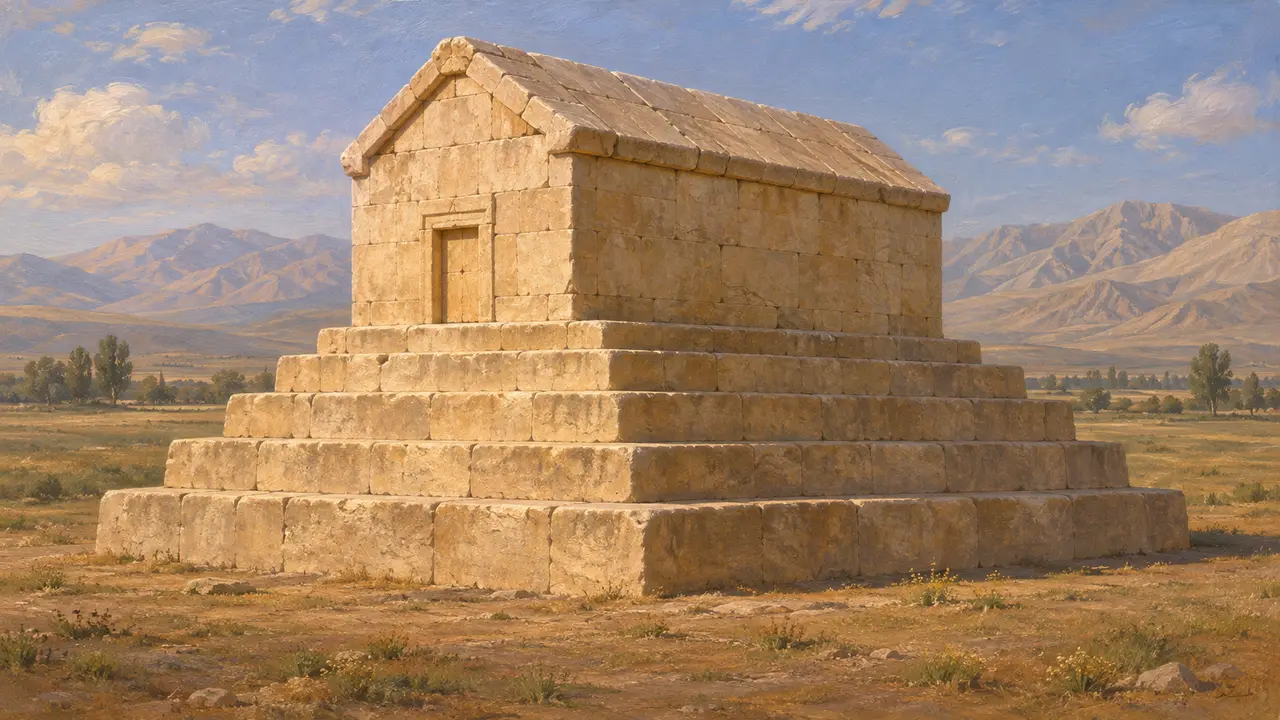
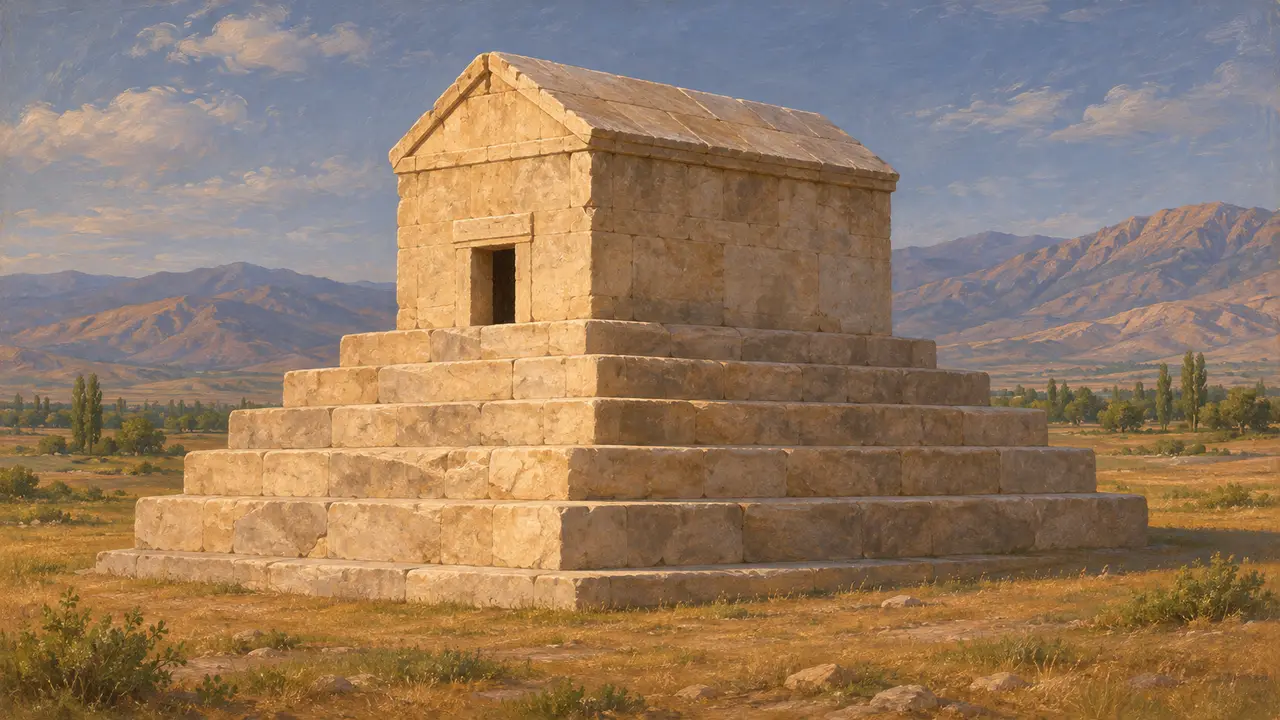
DisputedHistorians still argue how widely the exposure Herodotus describes was practised in Achaemenid times. The kings were laid in closed tombs: Cyrus in a stone house at Pasargadae, Darius and three successors in rock tombs at Naqsh-e Rostam. That suggests royal bodies were not left in the open. The towers for exposing the dead known from later Zoroastrian practice belong to much later centuries and should not be read back into this period.
P. Briant, From Cyrus to Alexander, 2002; D. Stronach, Pasargadae, 1978
The words on Cyrus's tomb
Later legendArrian, drawing on Aristobulus, who was with Alexander, says the tomb of Cyrus bore an epitaph asking the passer-by not to grudge the founder of the empire his monument. Plutarch's version, written centuries later, has Cyrus ask not to be grudged the little earth that covered his body. No such text survives on the monument, and the versions were told as moral tales about the passing of power.
Arrian, Anabasis 6.29; Plutarch, Alexander 69
Sources
- Herodotus 1.140
- W. Henkelman, The Other Gods Who Are, 2008
- P. Briant, From Cyrus to Alexander, 2002
- W. Henkelman, An Elamite memorial: the šumar of Cambyses and Hystaspes, 2003
- D. Stronach, Pasargadae, 1978
- Arrian, Anabasis 6.29