The magi
Priests and ritual experts of the Medes and Persians, about 550-479 BCE
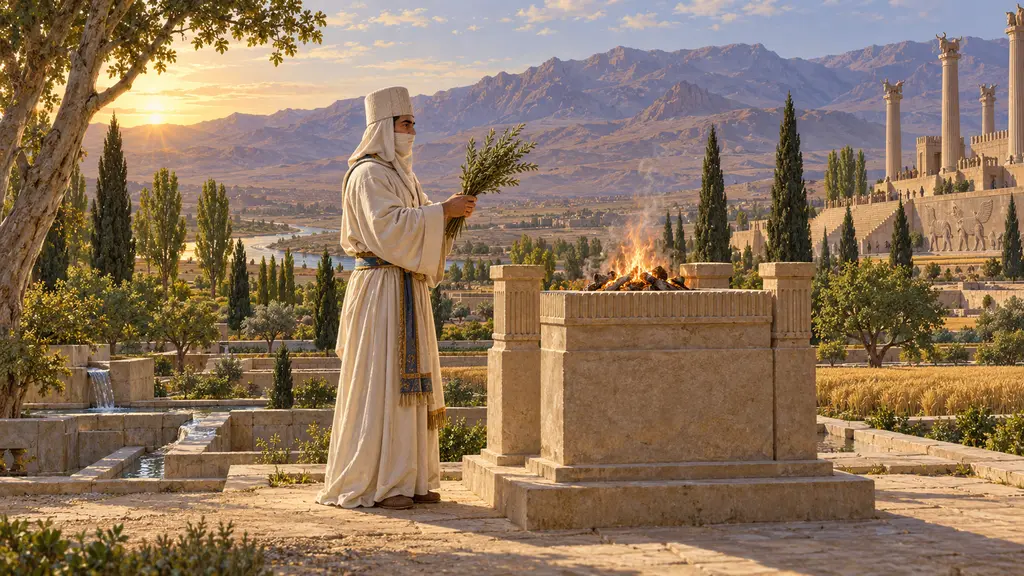
The magi were the ritual specialists of the Achaemenid world, known from Greek writers and from the empire's own records. They made sacrifices, read dreams and drew rations from the royal administration. Darius named one magus, Gaumata, as the usurper he overthrew in 522, which puts the magi at the centre of the most argued-over episode of the period.
In the game: The game shows the magi through the Lodge of the Magi and through Gaumata the magus in the Bagastana story. No building called a lodge of the magi is known; it is a game simplification, and Gaumata's true identity is still debated.
A Median tribe and a priestly calling
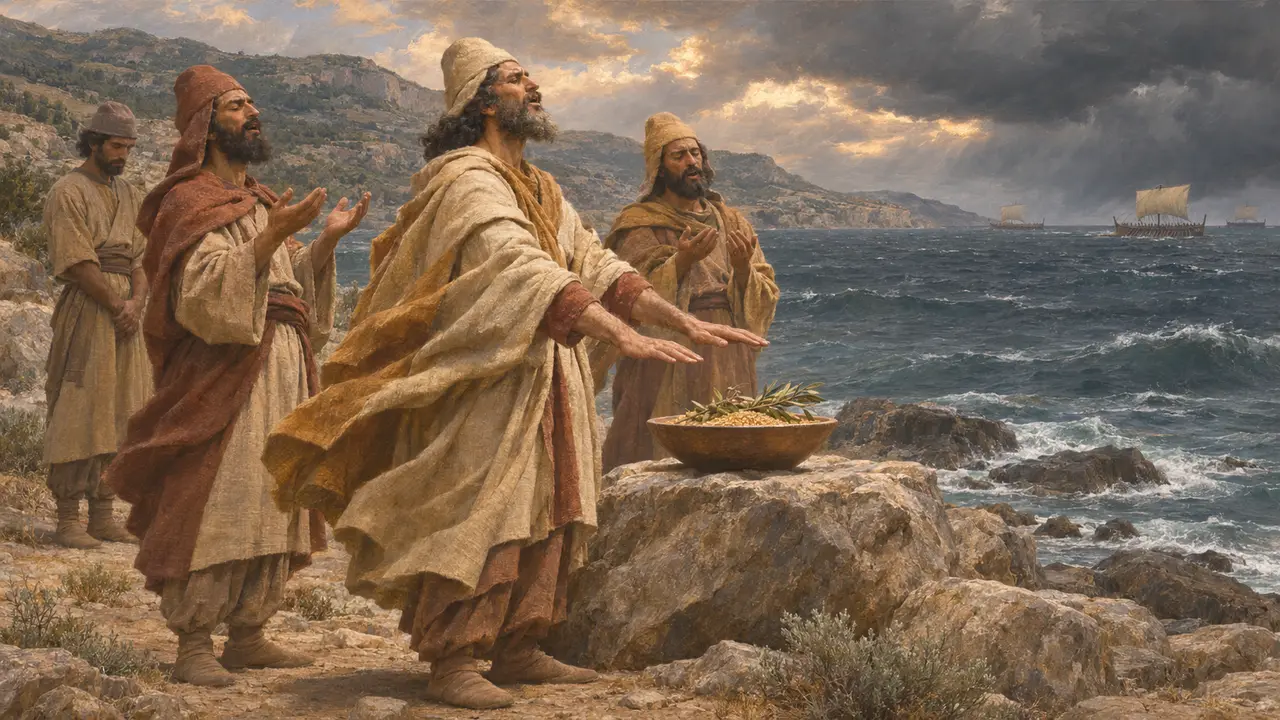
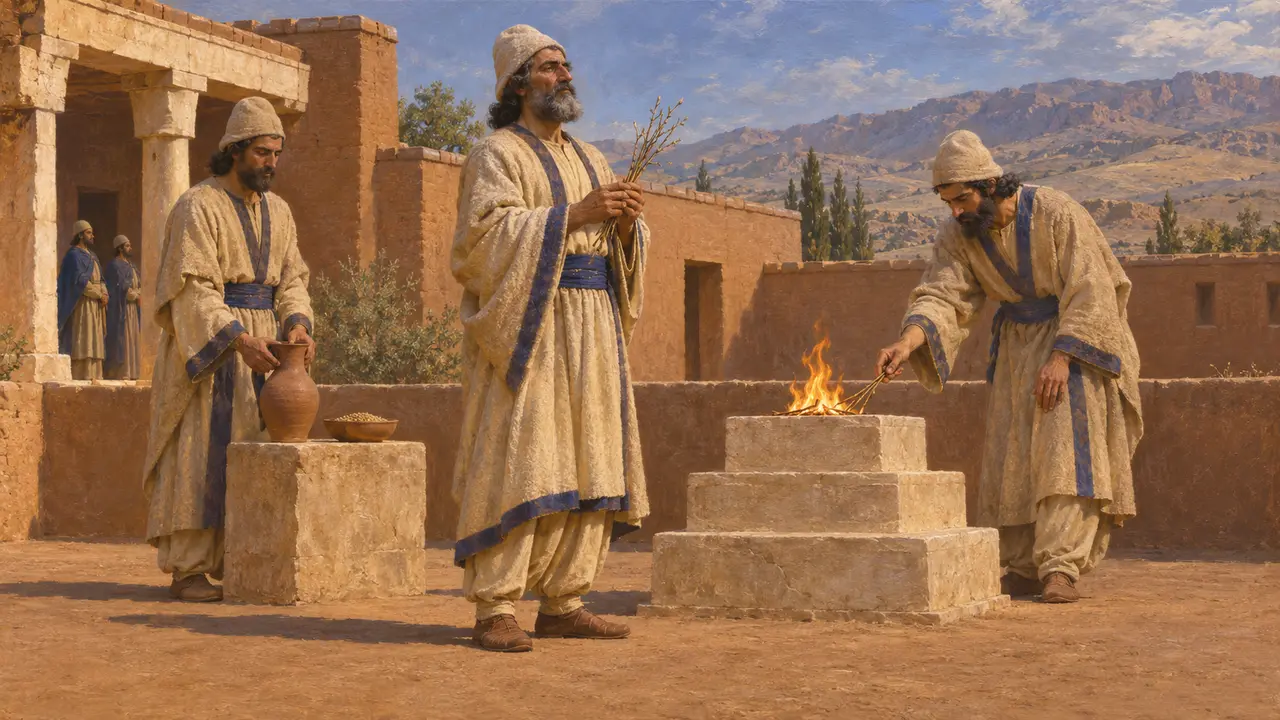
Ancient accountHerodotus counts the Magi among the six tribes of the Medes. He says no Persian could sacrifice without a magus standing by to chant a song of the birth of the gods. He also says they left the dead to be torn by birds or dogs, and that in Xerxes' campaign of 480 magi made offerings and chants to calm a storm off Magnesia. He adds drily that the wind may simply have dropped of its own accord.
Herodotus 1.101; 1.132; 1.140; 7.191
Magi in the Persepolis tablets
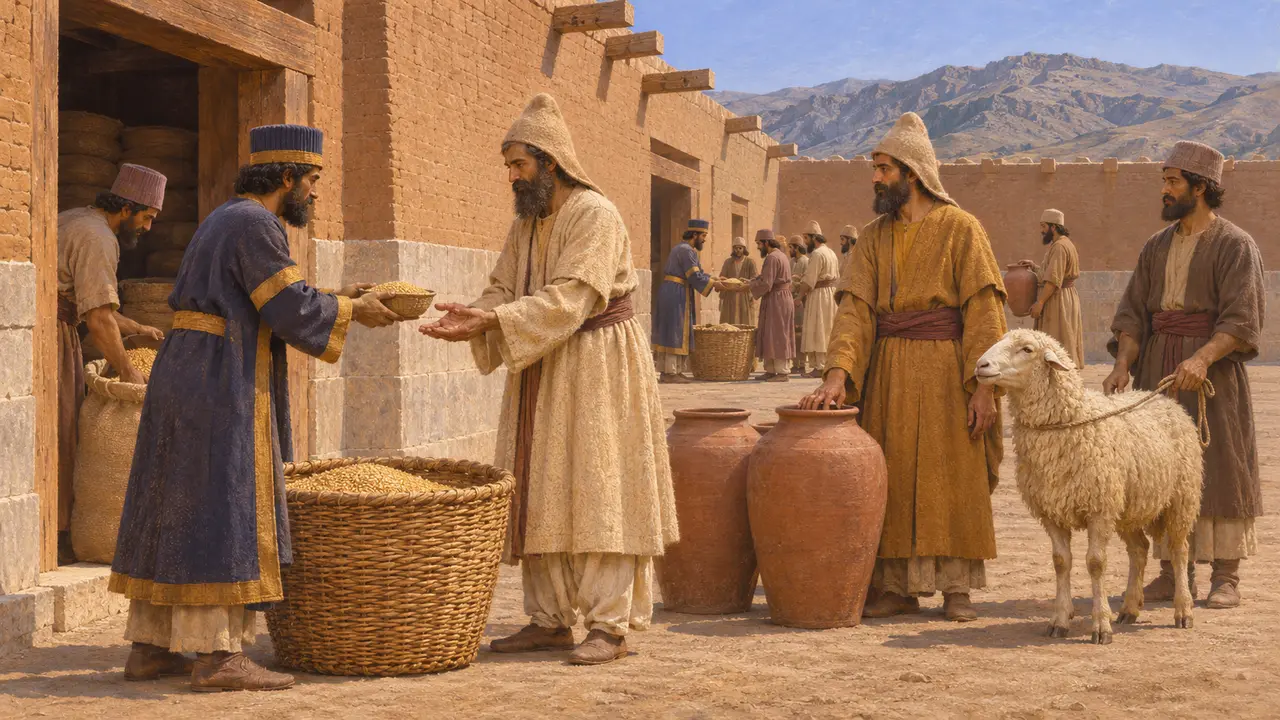
In the recordThe Elamite tablets of the Persepolis Fortification archive, from about 509 to 493, name men called makuš. They received barley, wine and animals for offerings, among them the lan, a regular sacrifice supported by the state. They worked in the same system as priests of Elamite gods, so the King's administration funded several cults side by side. Some magi appear in tasks that are not plainly religious.
Persepolis Fortification tablets; W. Henkelman, The Other Gods Who Are, 2008
Gaumata the magus at Behistun
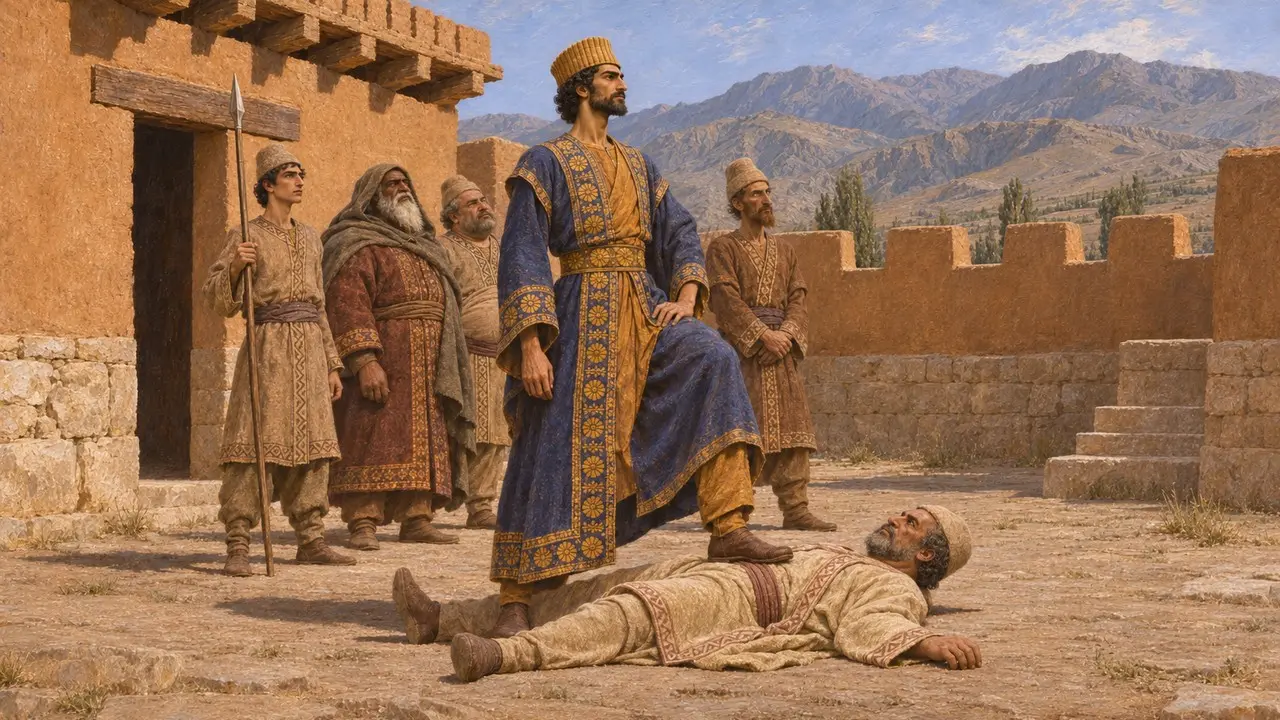
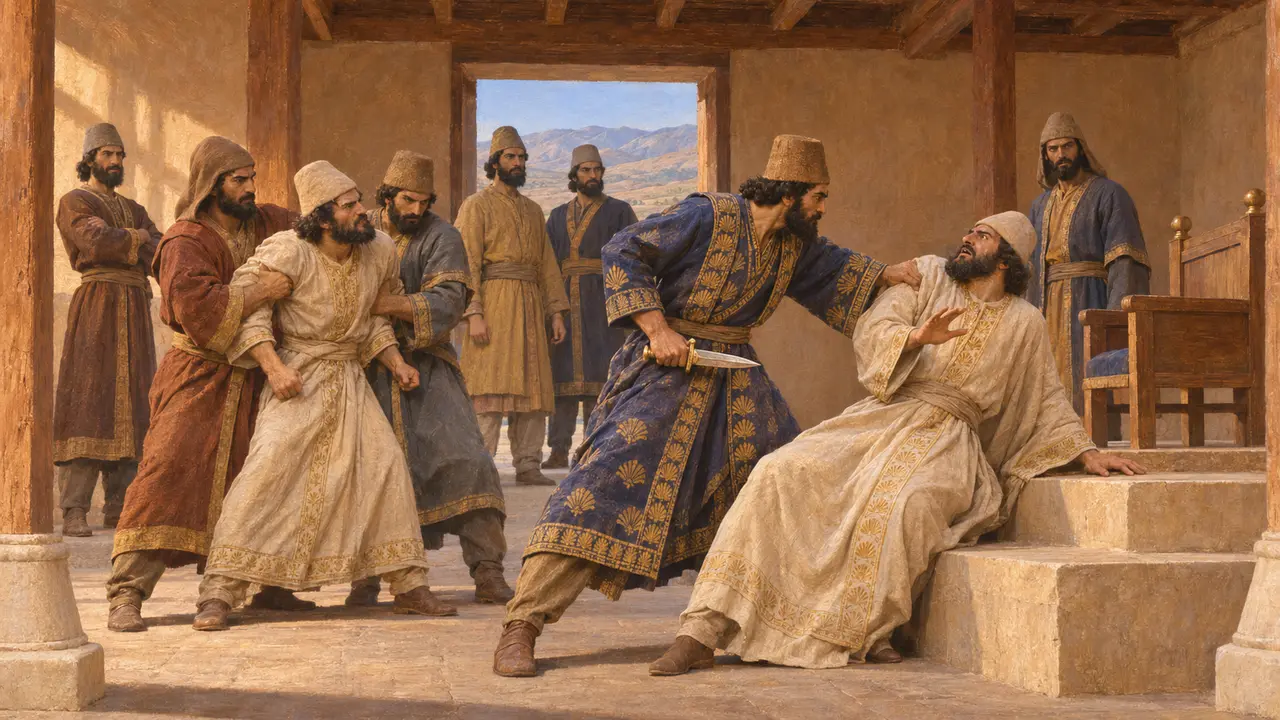
In the recordDarius's inscription at Behistun says that in 522 a magus named Gaumata rose at Paishiyauvada, claimed to be Bardiya, son of Cyrus, and seized the kingship. Darius says he and a few men killed him at the fortress of Sikayauvati in Nisaya, in Media. He also says he restored the cult places that Gaumata had destroyed. The relief above the text shows Gaumata lying beneath Darius's foot.
DB §11-14
The question of the false Bardiya
DisputedHerodotus tells a fuller story of two Magian brothers who ruled after Cambyses until seven nobles, Darius among them, killed them. He says the Persians later kept a feast called the Magophonia, the killing of the magi. His version broadly agrees with Darius's, but many historians suspect the impostor story was Darius's justification for killing the real Bardiya and taking a throne not his by descent. Others accept the Behistun account as broadly true.
Herodotus 3.61-79; P. Briant, From Cyrus to Alexander, 2002
The magi and Zoroaster
DisputedLater tradition made the magi the priests of Zoroaster's religion. The Achaemenid inscriptions honour Auramazda but never name Zoroaster, and Herodotus does not mention him. Some scholars hold that the Persian court was already Zoroastrian. Others see the magi of this period as keepers of a wider Iranian ritual, and the tablets show them serving more than one cult.
M. Boyce, A History of Zoroastrianism II, 1982; A. de Jong, Traditions of the Magi, 1997
Sources
- DB §11-14
- Herodotus 1.101; 1.132; 1.140; 3.61-79; 7.191
- W. Henkelman, The Other Gods Who Are, 2008
- P. Briant, From Cyrus to Alexander, 2002
- A. de Jong, Traditions of the Magi, 1997
- M. Boyce, A History of Zoroastrianism II, 1982