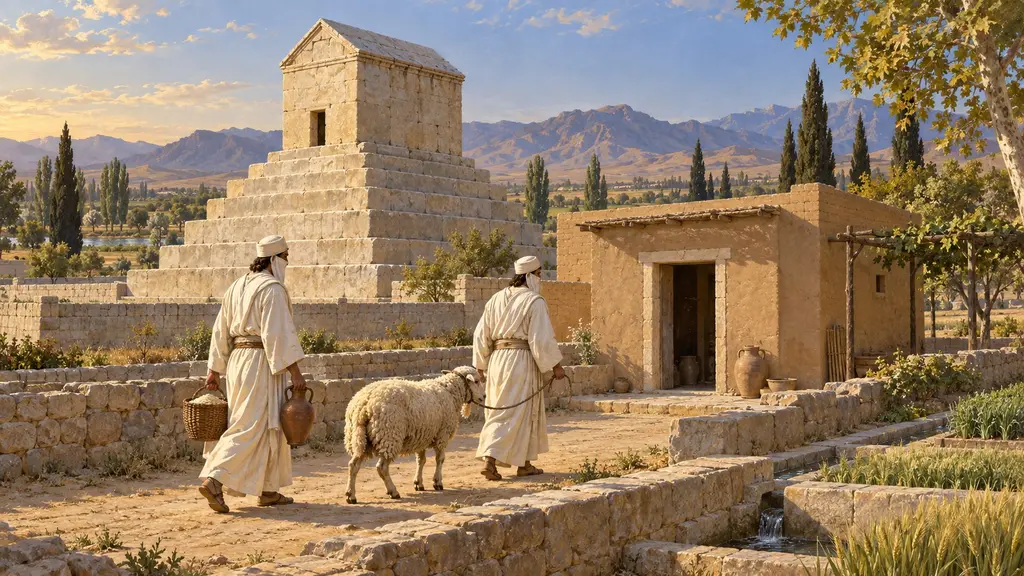
Lodge of the Magi
Guardians' house beside the Tomb of Cyrus, Pasargadae, from about 530 BCE
In the game: Level 1: The Founder's Tomb
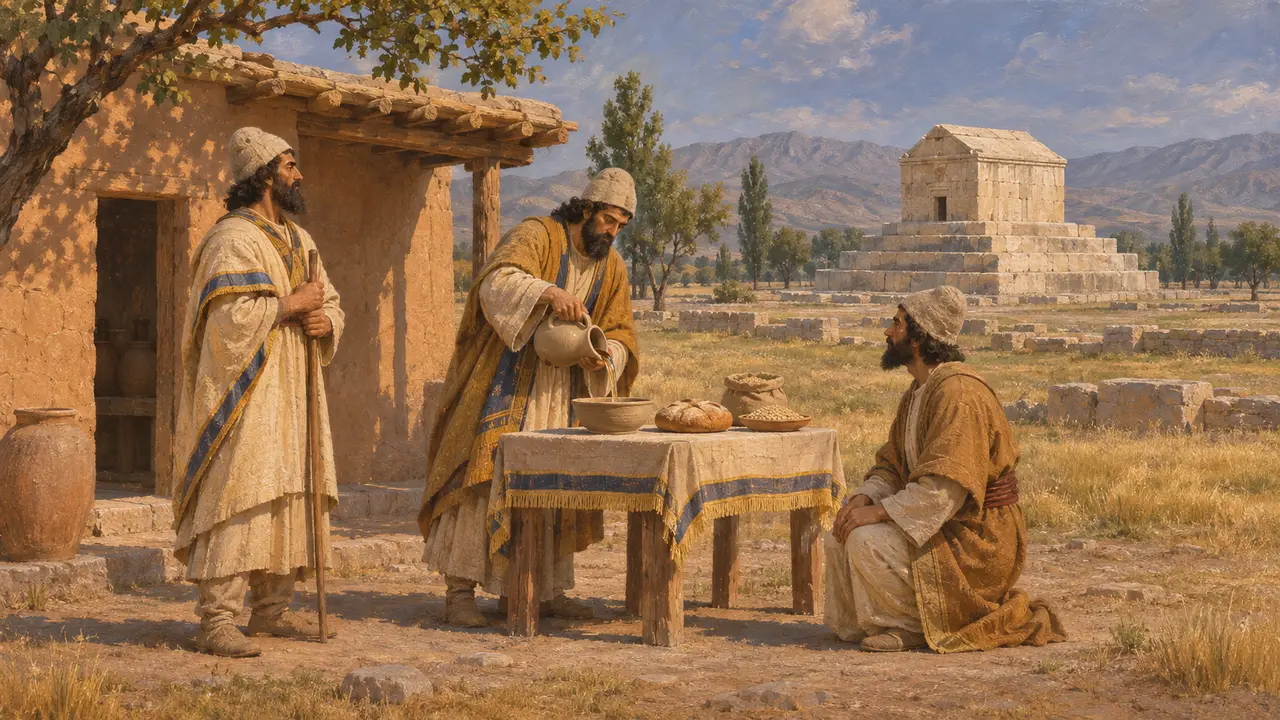
Inside the enclosure of Cyrus's tomb at Pasargadae stood a small house for the magi who guarded it. Arrian, drawing on Alexander's officer Aristobulus, says these men held the post from father to son from the reign of Cambyses onward, fed by the King with rations and animals for sacrifice to the dead founder. The lodge shows how the Persian court kept up the cult of its royal dead.
In the game: The game follows Arrian's daily sheep, flour and wine and monthly horse, though in 530 Cambyses' arrangement would be brand new and no son had yet inherited it. The magus blessing nearby houses is a game invention, not a recorded duty.
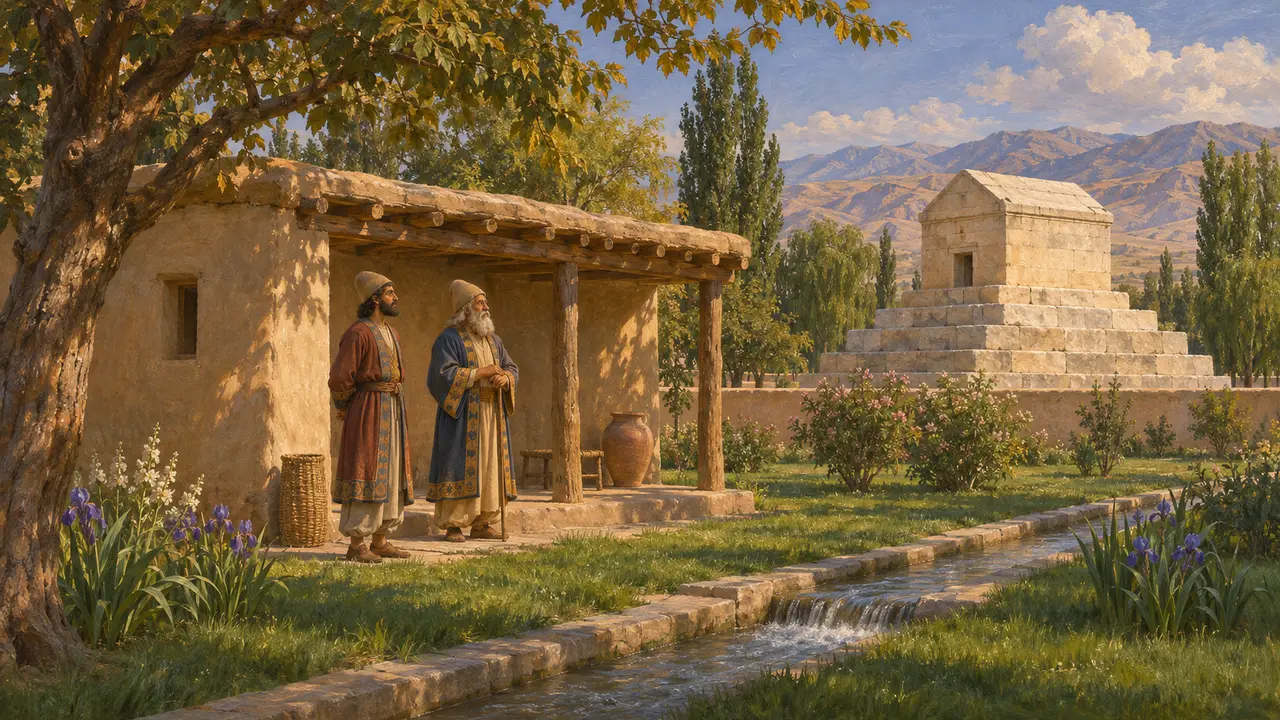
What Aristobulus saw
Ancient accountArrian, drawing on Aristobulus, who served Alexander, describes the tomb standing in a royal park with trees, water and deep grass. Within the enclosure was a small house built for the magi who guarded the tomb. He says the charge had passed from father to son since the time of Cambyses. Strabo gives a similar description of the tomb, also citing Aristobulus.
Arrian, Anabasis 6.29; Strabo, Geography 15.3.7
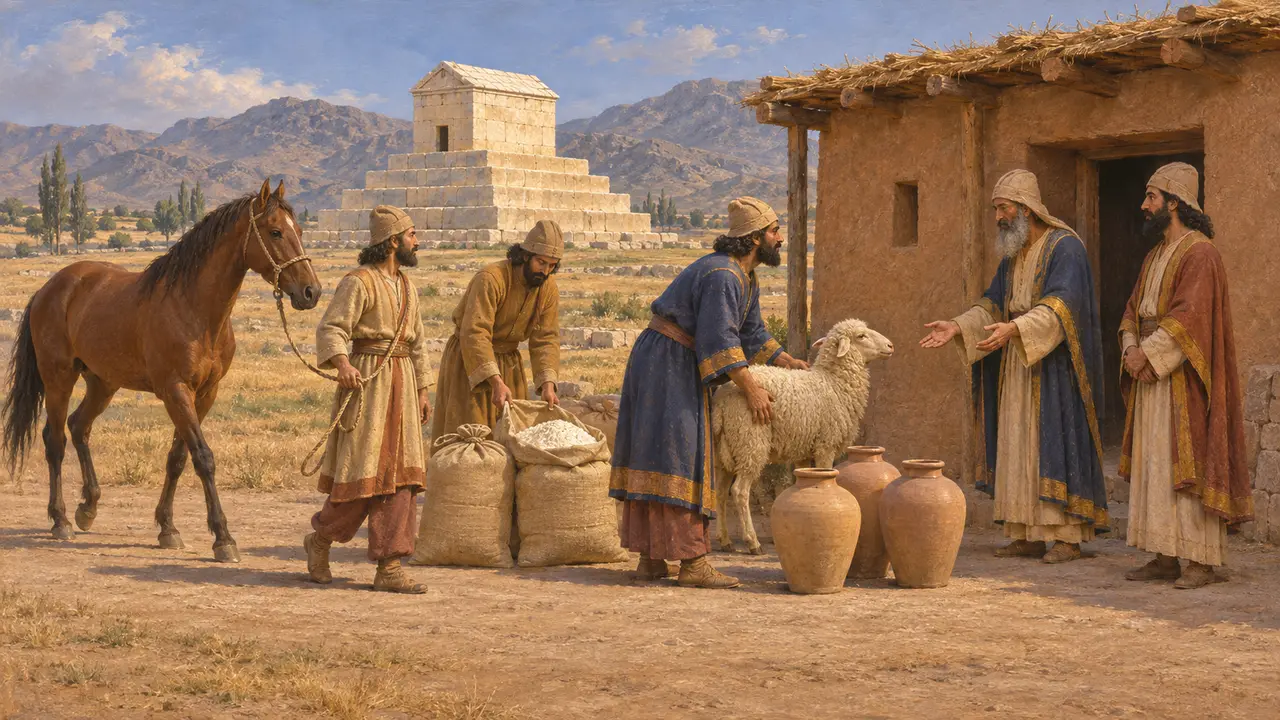
The King's provisions
Ancient accountAccording to Arrian, the King gave the guardians a sheep each day, a fixed amount of wheat flour and wine, and a horse each month to sacrifice to Cyrus. No Persian text names these amounts. Herodotus separately says magi sacrificed white horses at the Strymon in 480, so horse offerings led by magi appear in more than one Greek source.
Arrian, Anabasis 6.29; Herodotus 7.113
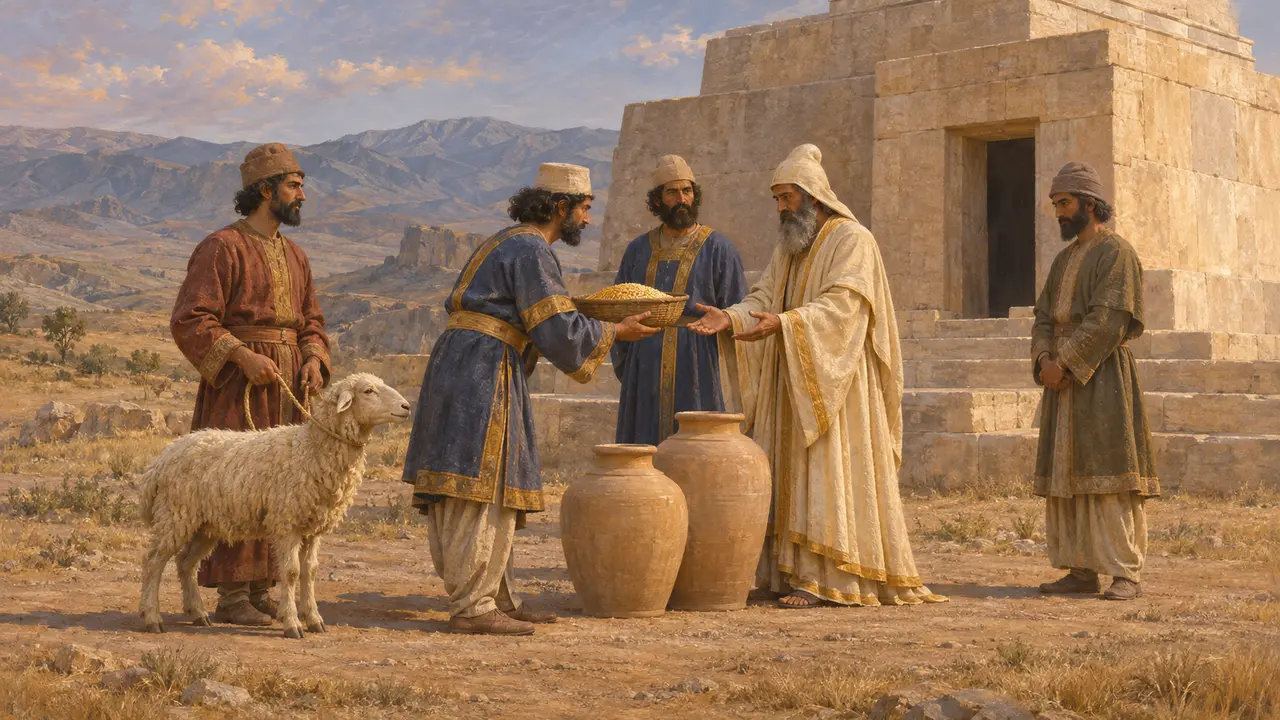
Offerings for the royal dead in the tablets
In the recordThe Persepolis Fortification tablets, from about 509 to 493, record grain, wine and animals issued for offerings at the tombs, in Elamite šumar, of royal figures such as Cambyses and Hystaspes. They also name magi, makuš, receiving supplies for sacrifices. They do not mention the guardians of Cyrus's tomb, and excavation at Pasargadae has not identified any building as the magi's house.
W. Henkelman, The Other Gods Who Are, 2008; Persepolis Fortification tablets; D. Stronach, Pasargadae, 1978
Who the magi were
DisputedHerodotus calls the magi a tribe of the Medes, and Darius's Behistun inscription calls the usurper Gaumata a magus. The tablets show magi in Persis as paid ritual specialists who also made offerings to gods outside any strictly Zoroastrian scheme. Historians still argue over how far Achaemenid religion was Zoroastrian, so the beliefs of the tomb's guardians remain uncertain.
Herodotus 1.101; DB §11; W. Henkelman, The Other Gods Who Are, 2008; P. Briant, From Cyrus to Alexander, 2002
Alexander and the guardians
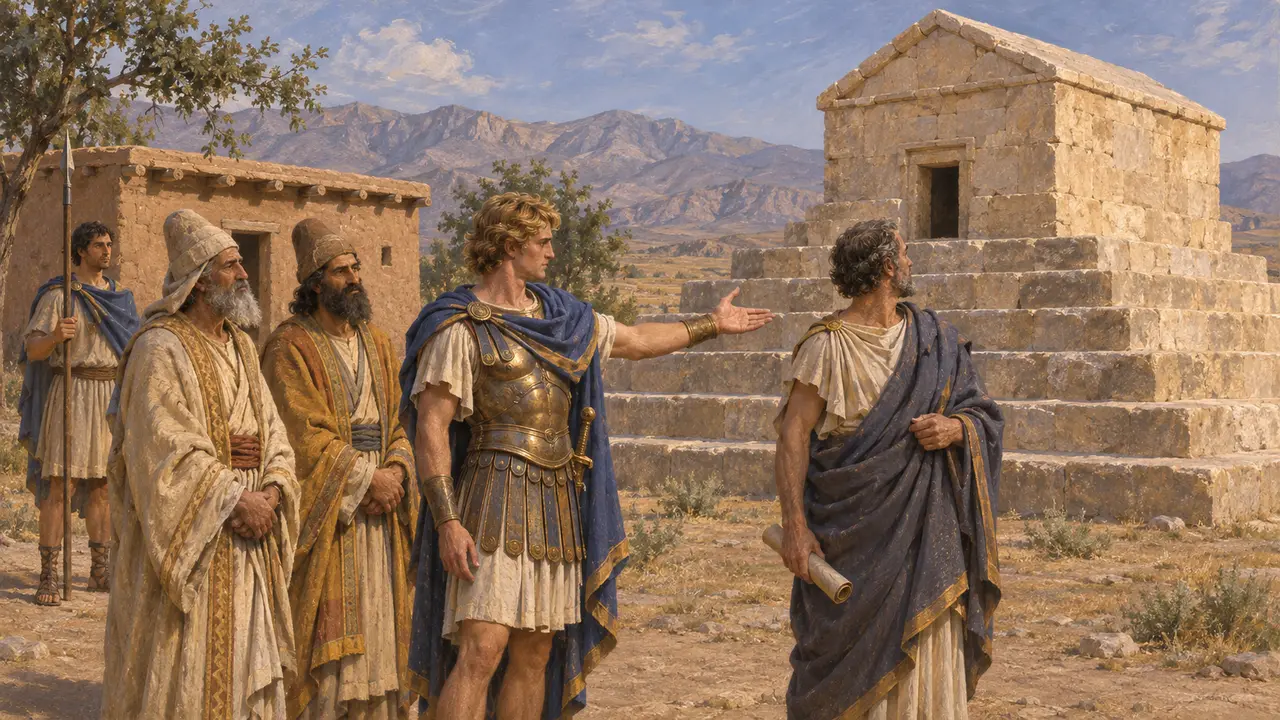
Ancient accountArrian says Alexander found the tomb robbed on his return from India in 324. He had the magi arrested and tortured to make them name the thieves, but they revealed nothing and he released them. He then ordered Aristobulus to restore the burial.
Arrian, Anabasis 6.29
Sources
- Arrian, Anabasis 6.29
- Strabo, Geography 15.3.7
- W. Henkelman, The Other Gods Who Are, 2008
- D. Stronach, Pasargadae, 1978
- P. Briant, From Cyrus to Alexander, 2002
- Herodotus 1.101; 7.113