Encyclopedia › Wildlife and weather

The wolf
Grey wolf of the woods and steppe in Greece, Thrace and Media, 6th to 5th century BCE
In the game: Level 3: The Lie, Level 6: The Bridge of Boats, Level 9: The Canal, Level 10: The Hot Gates, Level 11: The Finale
The wolf lived in many of the lands of the Persian wars, from Media to Thrace and Boeotia. Surviving sources of the period say little about it, and what the Greek writers tell is mostly hearsay, hunting practice or tales. Little is known from the time about how people dealt with it.
In the game: Wolves are drawn as scenery on the Bagastana, Ister, Athos, Thermopylae and Plataea levels, on land the town has not taken. No rule reads them.
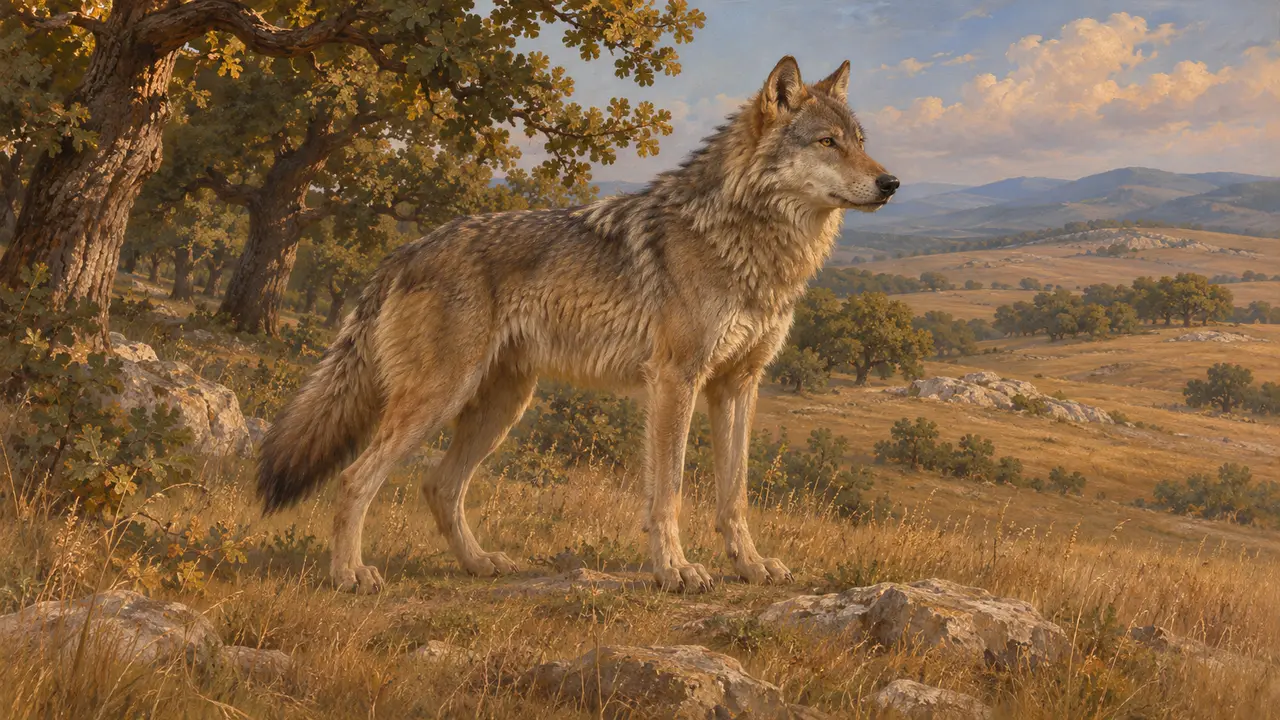
Where wolves lived
Ancient accountNo source of the time counts wolves or maps their range. Their presence in Media, Thrace, Malis and Boeotia is an inference from the animal's wide habitat, not a documented fact for 480. The game's choice of levels is a reasonable guess rather than a record.
Herodotus
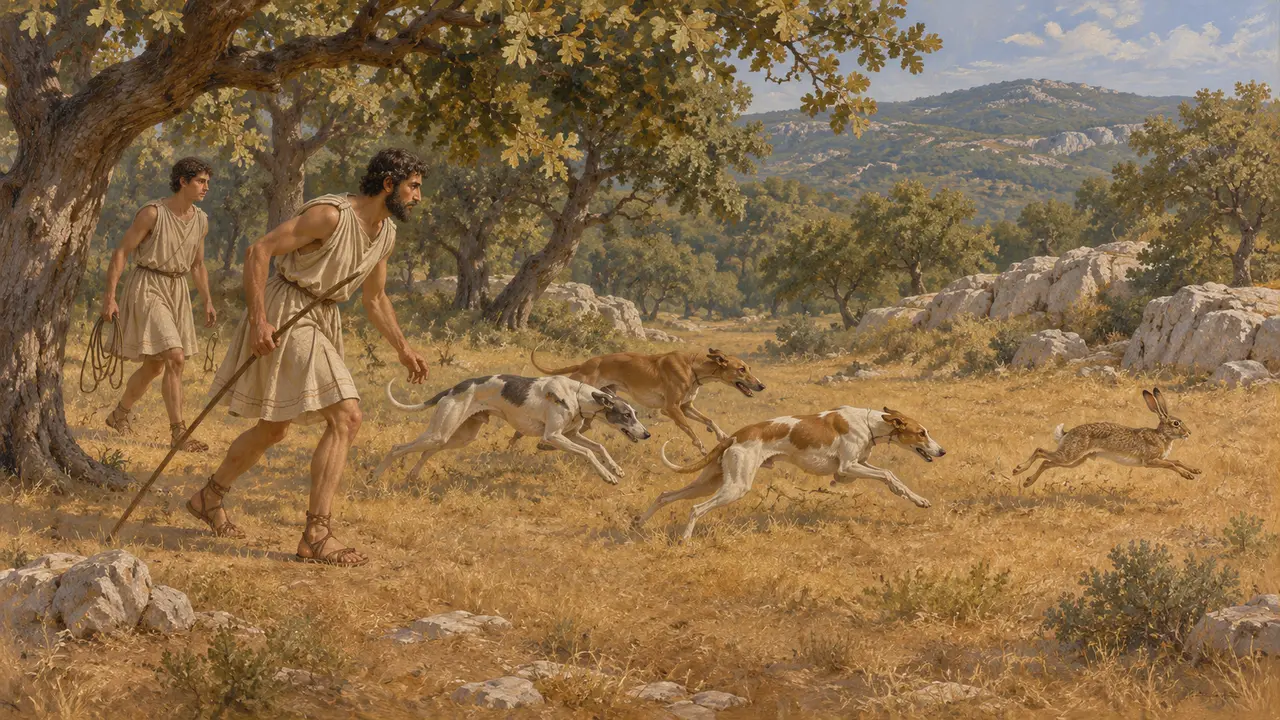
Wolves in Greek hunting
Ancient accountXenophon, writing in the fourth century, wrote a treatise on hunting with hounds. It deals mainly with hare, deer and boar, and the wolf is not its main quarry. It is a later Greek work, not evidence from the Persian wars.
Xenophon, Cynegeticus
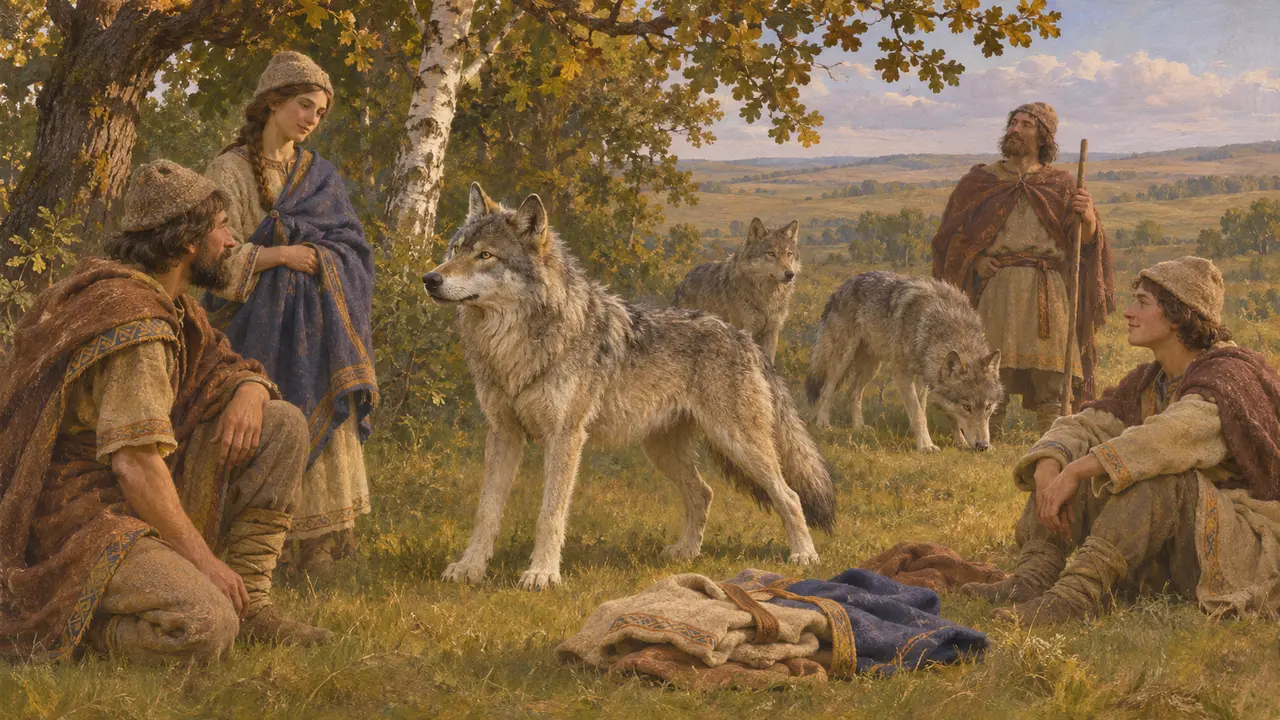
The Neuri and the werewolf tale
Later legendHerodotus reports that the Neuri, a people north of the Scythians, were said to turn into wolves for a few days each year and then return to human form. He says the Scythians and the Greeks settled in Scythia told him this, and that he did not believe it, though they swore to it. It is a travellers' tale about a distant people, not evidence about wolves.
Herodotus 4.105
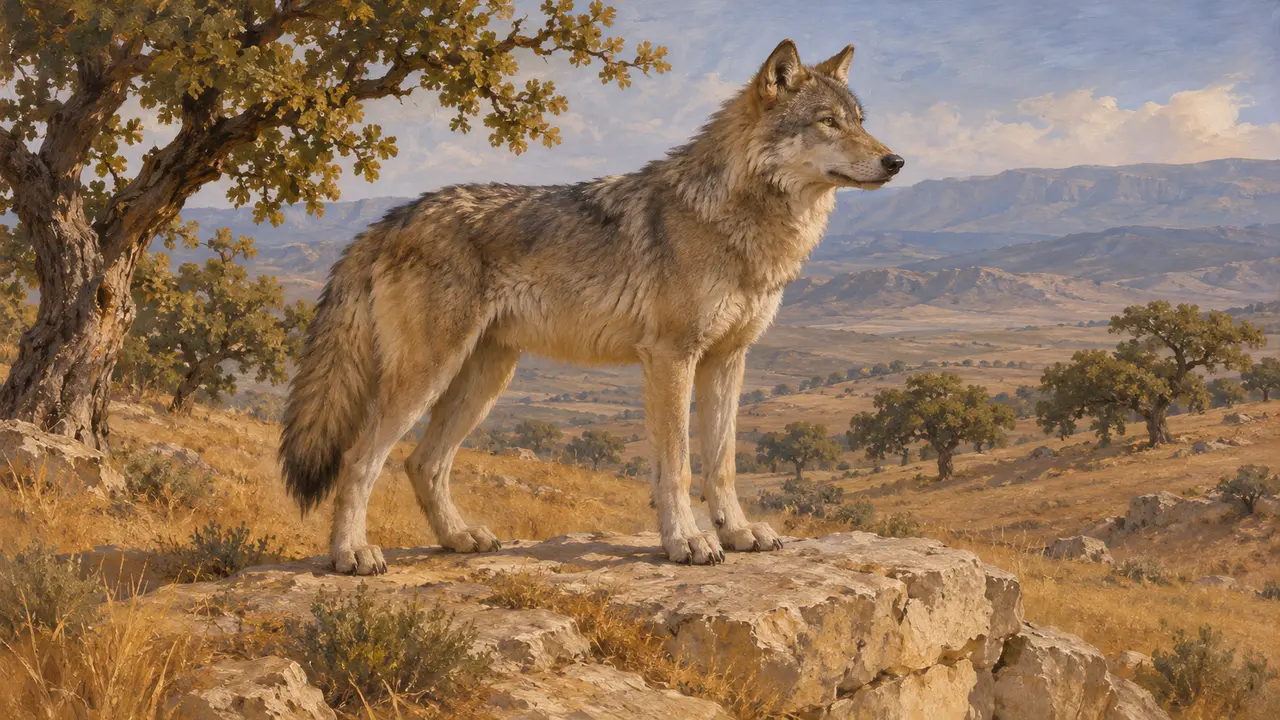
The wolf in Persian life
Ancient accountThe Persian royal reliefs and inscriptions that survive are dominated by lions, bulls and composite beasts, and no wolf plays a notable part in them. Whether Persians hunted wolves in the royal parks, or gave them any religious meaning, is not shown by sources of this period. Claims tying the wolf to Persian belief usually rest on much later texts and should be treated with caution.
P. Briant, From Cyrus to Alexander, 2002
Sources
- Herodotus 4.105
- Xenophon, Cynegeticus
- P. Briant, From Cyrus to Alexander, 2002