The Eretrians
Citizens of Eretria on Euboea, captured and resettled near Susa in 490 BCE
In the game: Level 7: Sardis Burns, Level 8: The Bay of Marathon
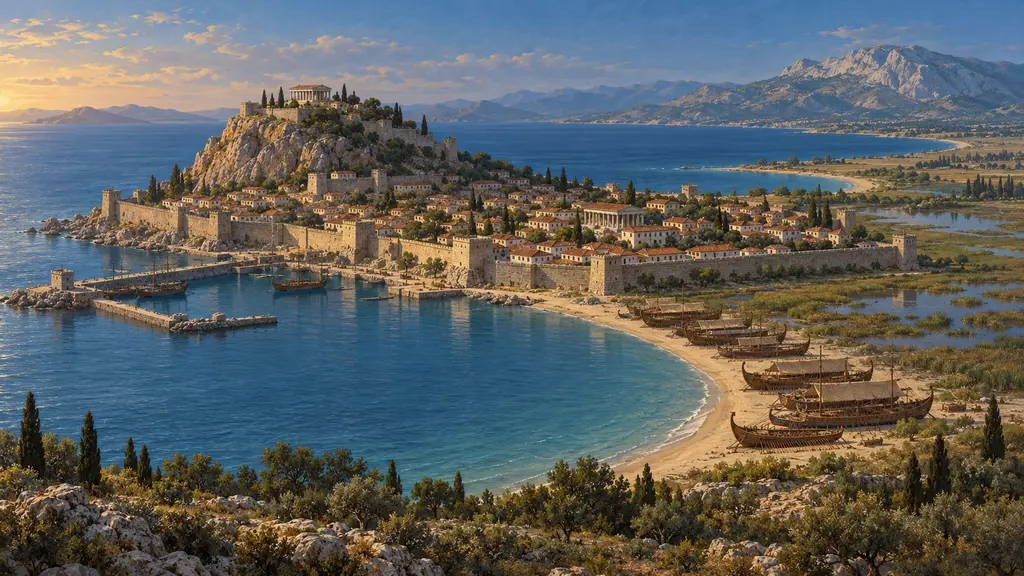
The Eretrians were the citizens of Eretria, a Greek city on the island of Euboea. Their five ships helped the Ionian rebels burn Sardis in 498. In 490 a Persian expedition under Datis and Artaphernes took the city and burned its temples. Many of its people were carried to the lowlands around Susa, where Darius settled them on royal land.
In the game: The game shows Eretria falling in 490 before Marathon and its people settled at Arderikka in Elam. Herodotus puts Ardericca in Cissia near Susa, the old Elamite lowland, though the site has never been found.
A city of Euboea
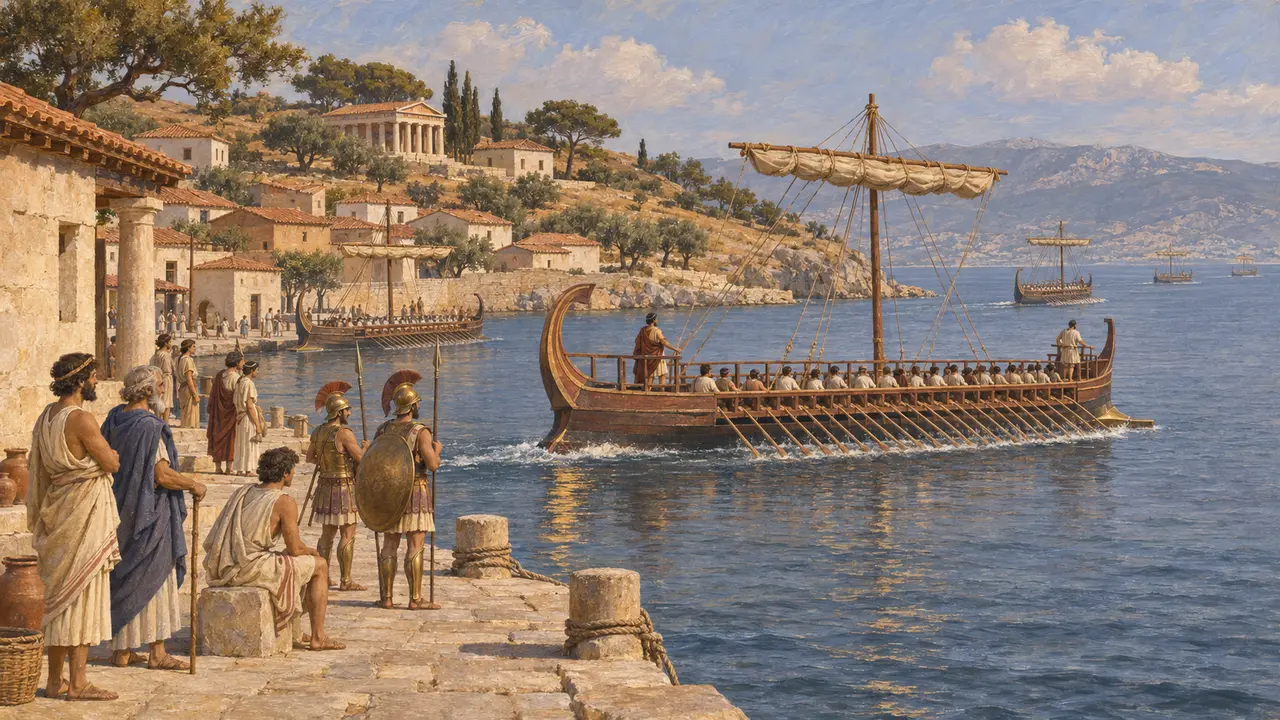
Ancient accountEretria stood on the south-west coast of Euboea, facing Boeotia and Attica across a narrow gulf. Thucydides recalls an old war between Eretria and its neighbour Chalcis in which much of Greece took sides. Herodotus says the Eretrians sent five triremes to the Ionian revolt to repay Miletus for help in that war. They sailed with twenty Athenian ships to Ephesus and marched up to Sardis, which was burned in 498.
Herodotus 5.99-102; Thucydides 1.15
The siege of 490
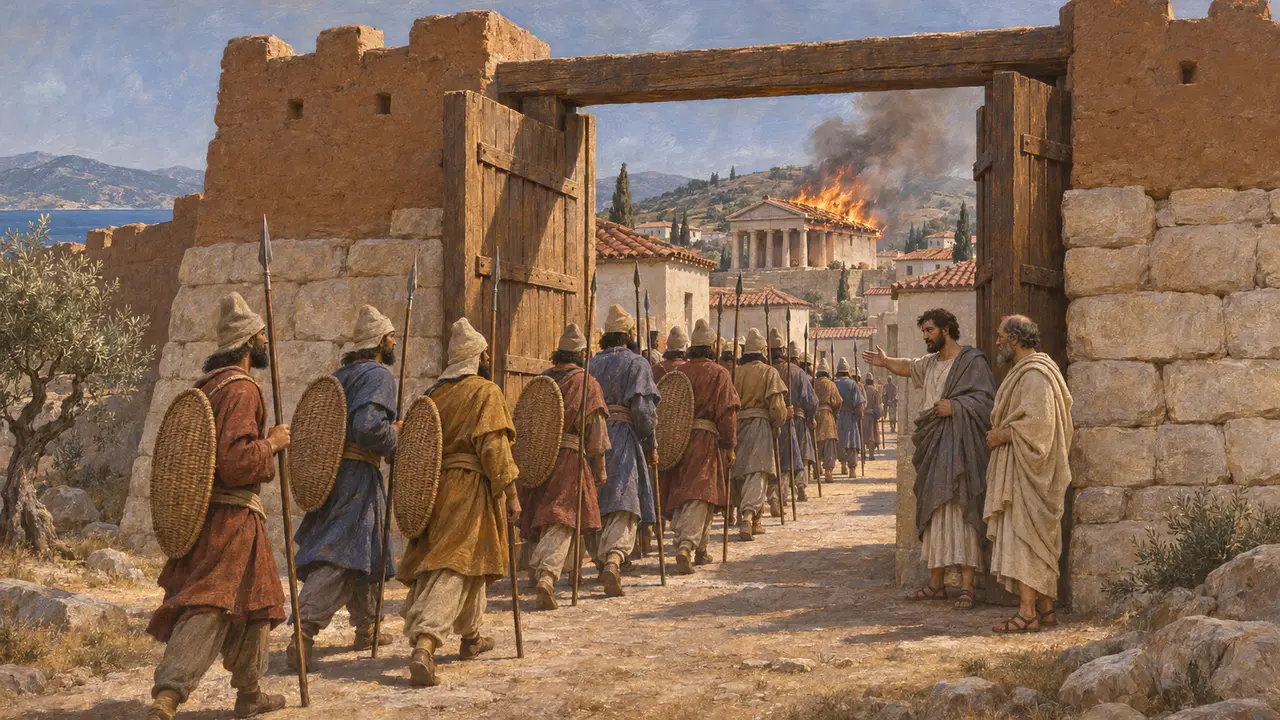
Ancient accountHerodotus tells that the fleet of Datis and Artaphernes crossed the Aegean and landed in Eretrian territory. This Artaphernes was the son of the satrap of Sardis. The Eretrians chose to defend their walls rather than flee to the hills, and for six days both sides lost many men. On the seventh day two leading citizens, Euphorbus and Philagrus, let the Persians in, and the temples were burned in revenge for those of Sardis.
Herodotus 6.100-101
Traces of the burning
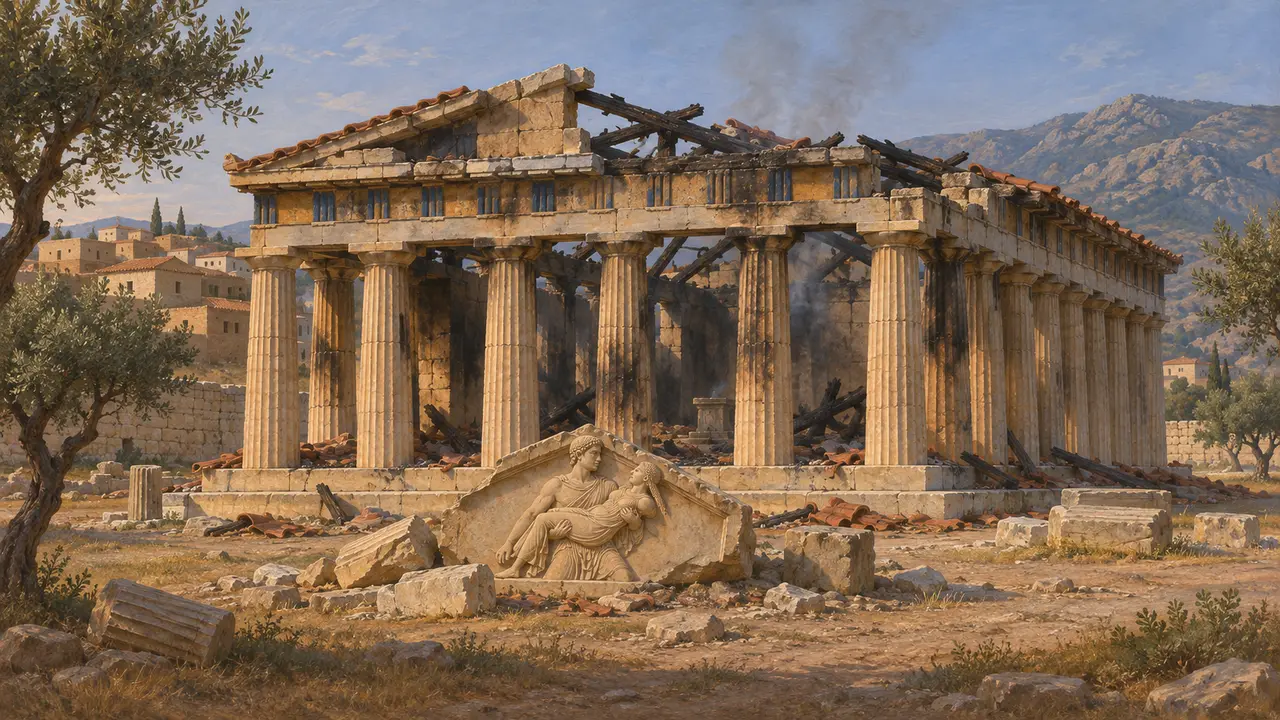
In the recordExcavations at Eretria, begun by Greek archaeologists and continued since 1964 by the Swiss School of Archaeology in Greece, have uncovered the sanctuary of Apollo Daphnephoros. Its late archaic stone temple was built not long before 490 and shows signs of destruction, which excavators connect with the Persian sack. Sculptures from its pediment survive, including a group of Theseus carrying off the Amazon Antiope.
Greek and Swiss excavation reports on the sanctuary of Apollo Daphnephoros, Eretria
Settled at Ardericca
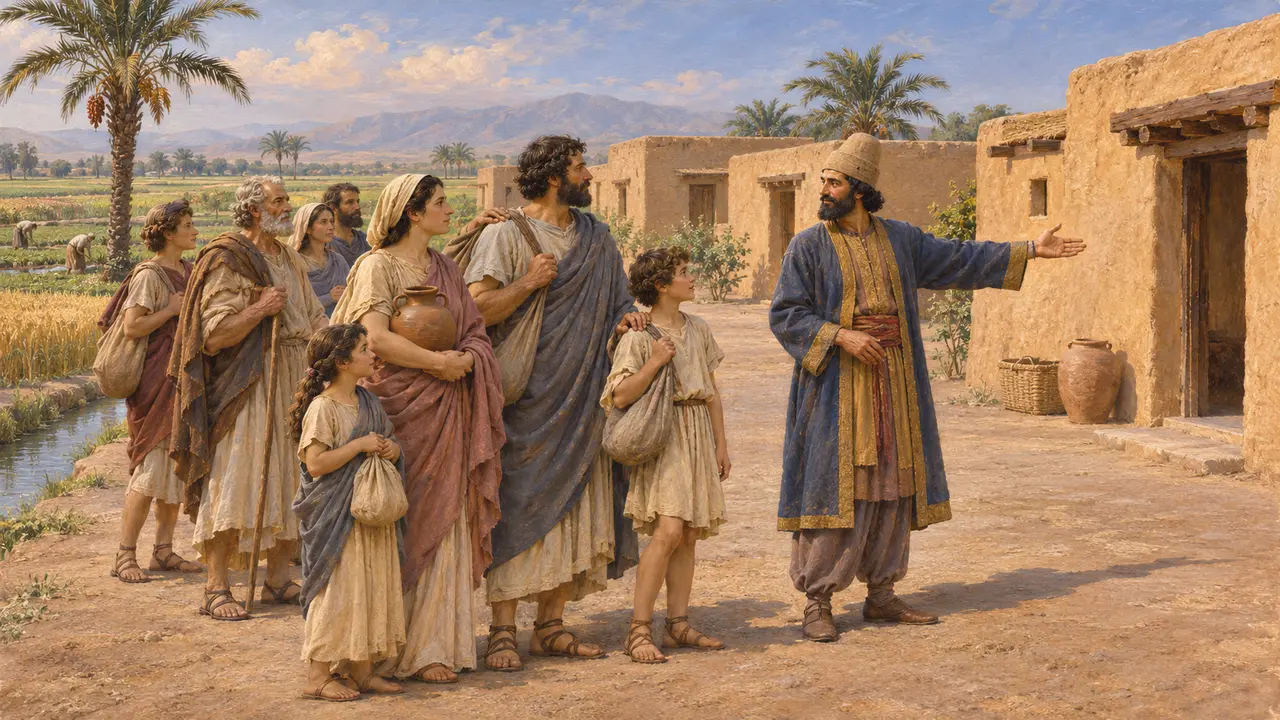
Ancient accountHerodotus says the captives were left on the islet of Aegilia during the Marathon campaign and later taken to Susa. Darius, once angry with them, did them no harm and settled them on a royal estate at Ardericca in Cissia. It lay 210 stades, about 40 kilometres, from Susa and 40 stades from a well yielding bitumen, salt and oil. They still spoke Greek there in Herodotus's day, and no Persian document names them.
Herodotus 6.107; 6.115; 6.119
A visit in a late romance
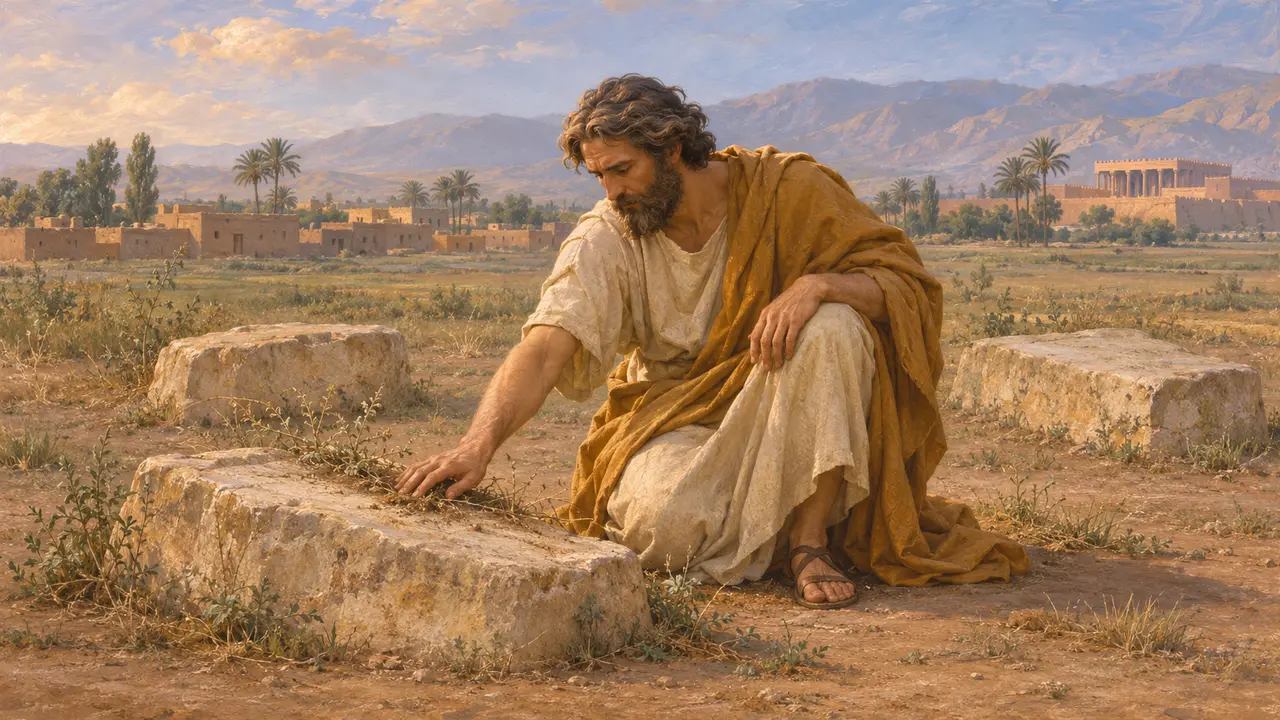
Later legendPhilostratus, writing in the third century CE, says that the wandering sage Apollonius of Tyana visited the Eretrians in Cissia centuries after their deportation. In his story Apollonius found their graves inscribed in Greek and tended them. The tale belongs to a work full of marvels and cannot be checked, and Ardericca itself has never been located.
Philostratus, Life of Apollonius of Tyana 1.23-24
Sources
- Herodotus 6.100-101, 6.107, 6.115, 6.119
- Herodotus 5.99-102
- Thucydides 1.15
- Philostratus, Life of Apollonius of Tyana 1.23-24
- P. Briant, From Cyrus to Alexander, 2002