Melanthius
Athenian commander of the twenty ships sent to the Ionian Revolt, about 498 BCE
In the game: Level 7: Sardis Burns
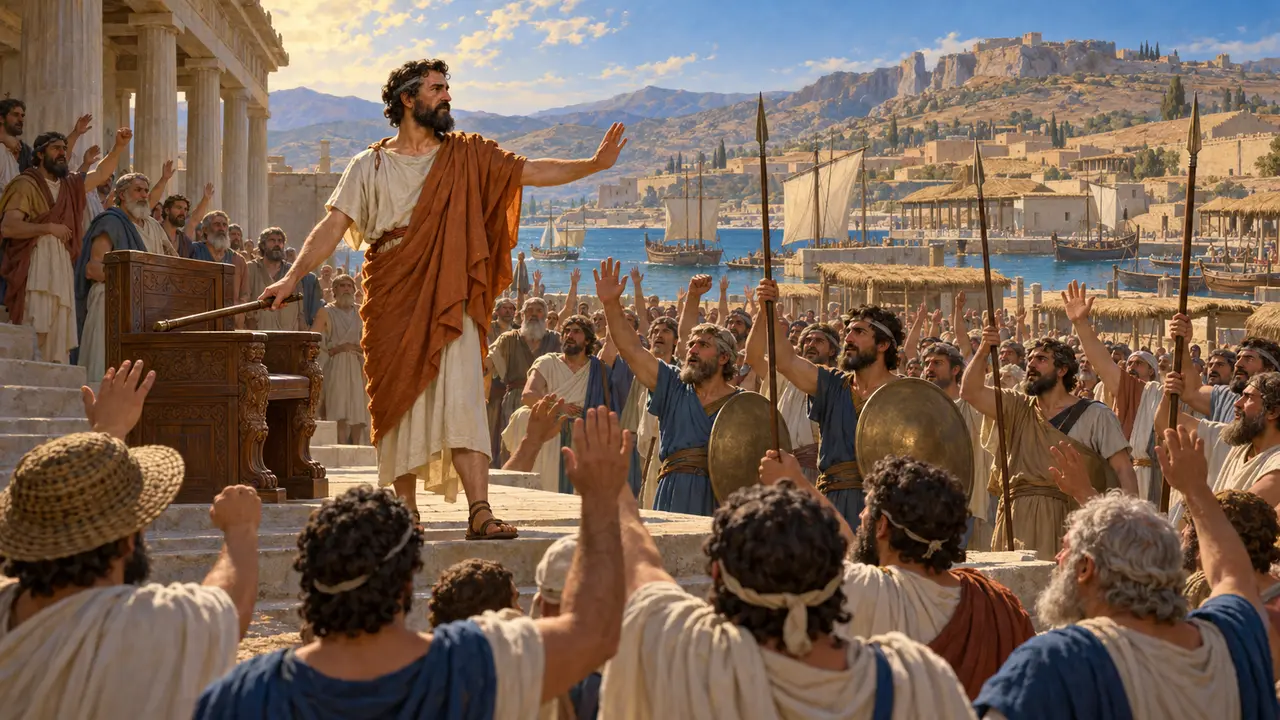
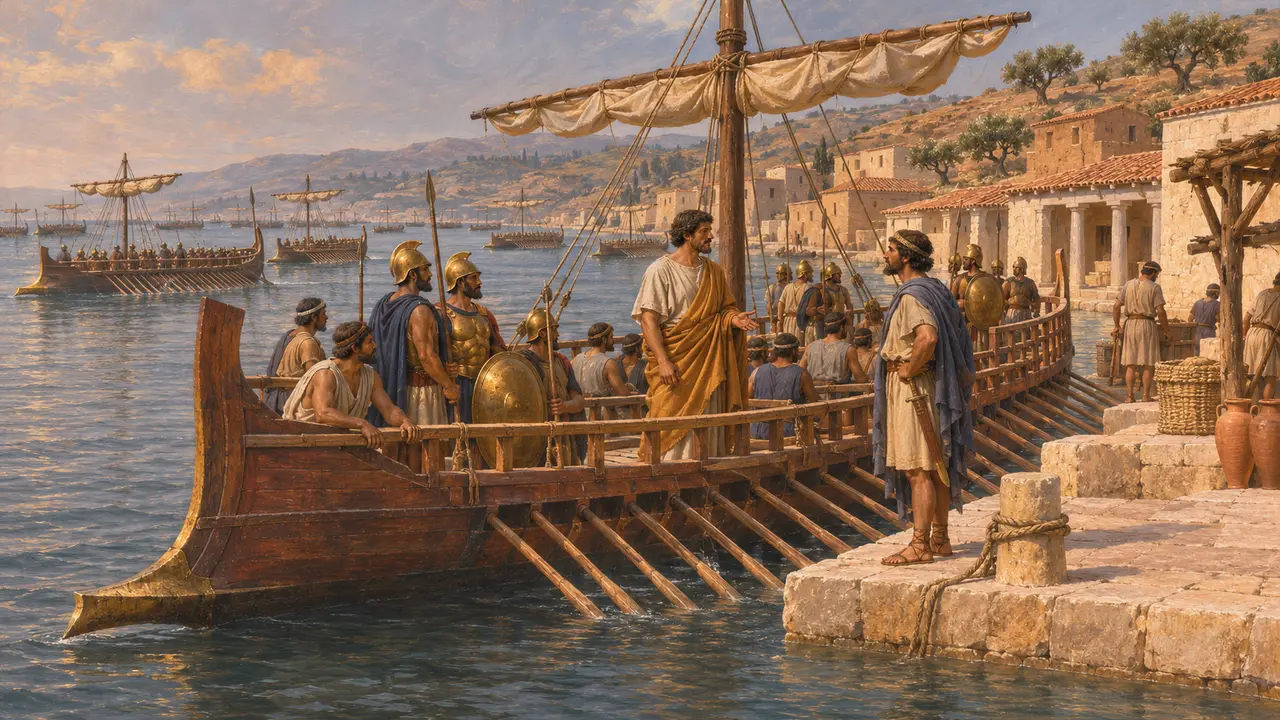
Melanthius was the Athenian who, according to Herodotus, commanded twenty ships sent to help the Ionian Greeks against the King in about 498. The ships joined the march on Sardis, which ended with the city burning. Herodotus calls the ships the beginning of evils for Greeks and non-Greeks alike.
In the game: The game names Melanthius only in the Chronicle and in the Ionian Revolt article, as commander of the Athenian ships. He has no figure, unit or mechanic of his own.
The Athenian vote for ships
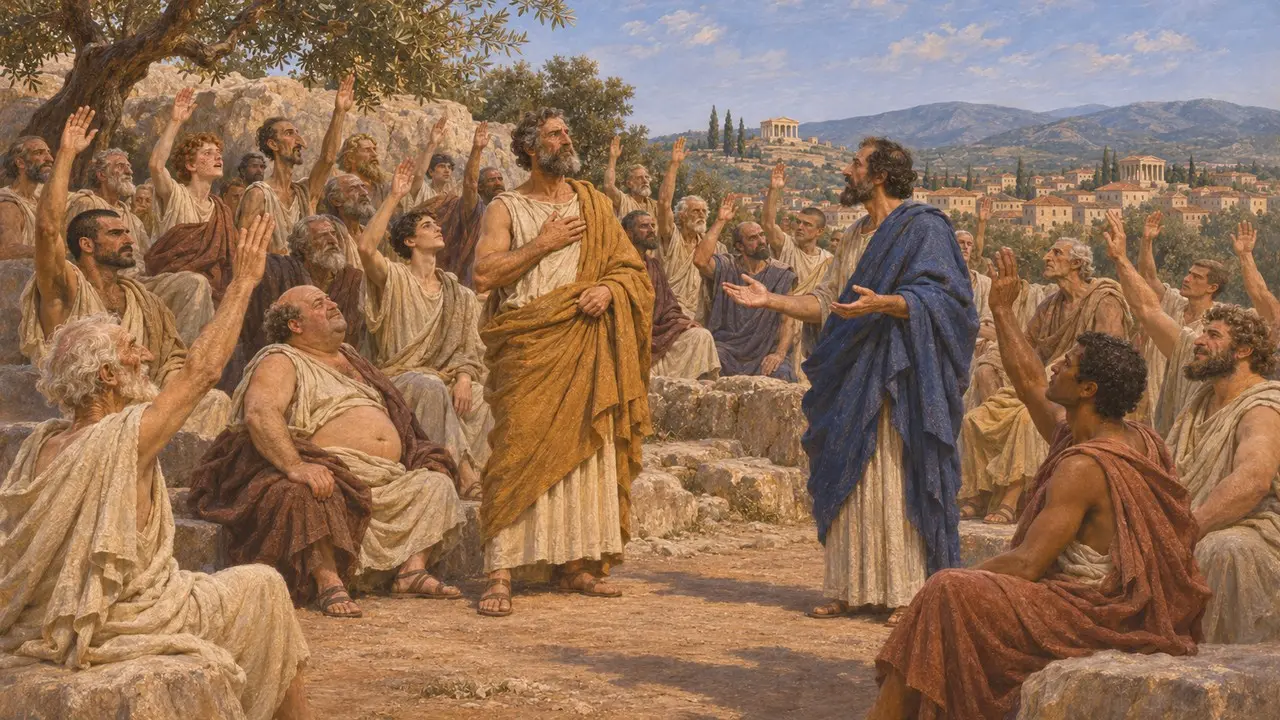
Ancient accountHerodotus says that Aristagoras of Miletus, after failing to win Sparta, came to Athens and persuaded the assembly to send help. The Athenians voted for twenty ships and put Melanthius in command. Herodotus describes him as a respected citizen.
Herodotus 5.97
What Herodotus says about the ships
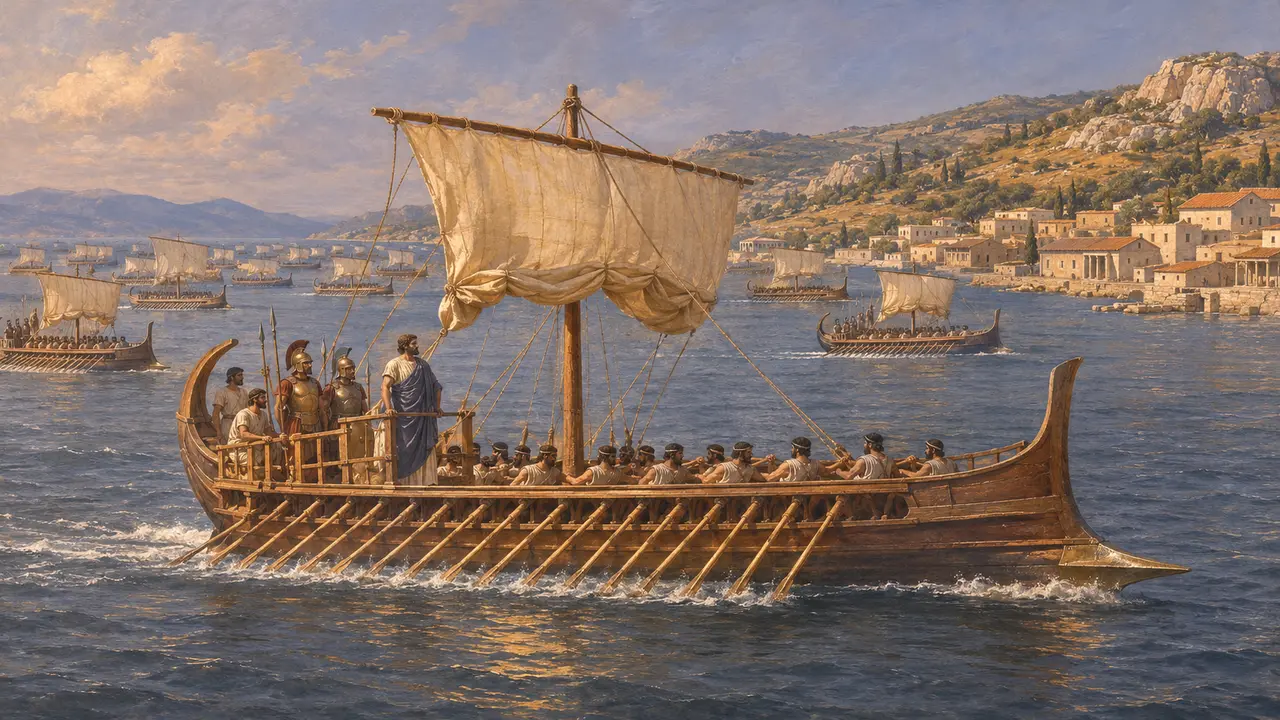
Ancient accountHerodotus judges the twenty ships to have been the beginning of evils for Greeks and non-Greeks. Eretria sent five more ships, which Herodotus ties to earlier help given to Eretria by Miletus. Herodotus also reports that Athens had earlier sent earth and water to Artaphernes under pressure, so the aid was a sharp change of course.
Herodotus 5.97, 5.99, 5.73
Sardis and the withdrawal
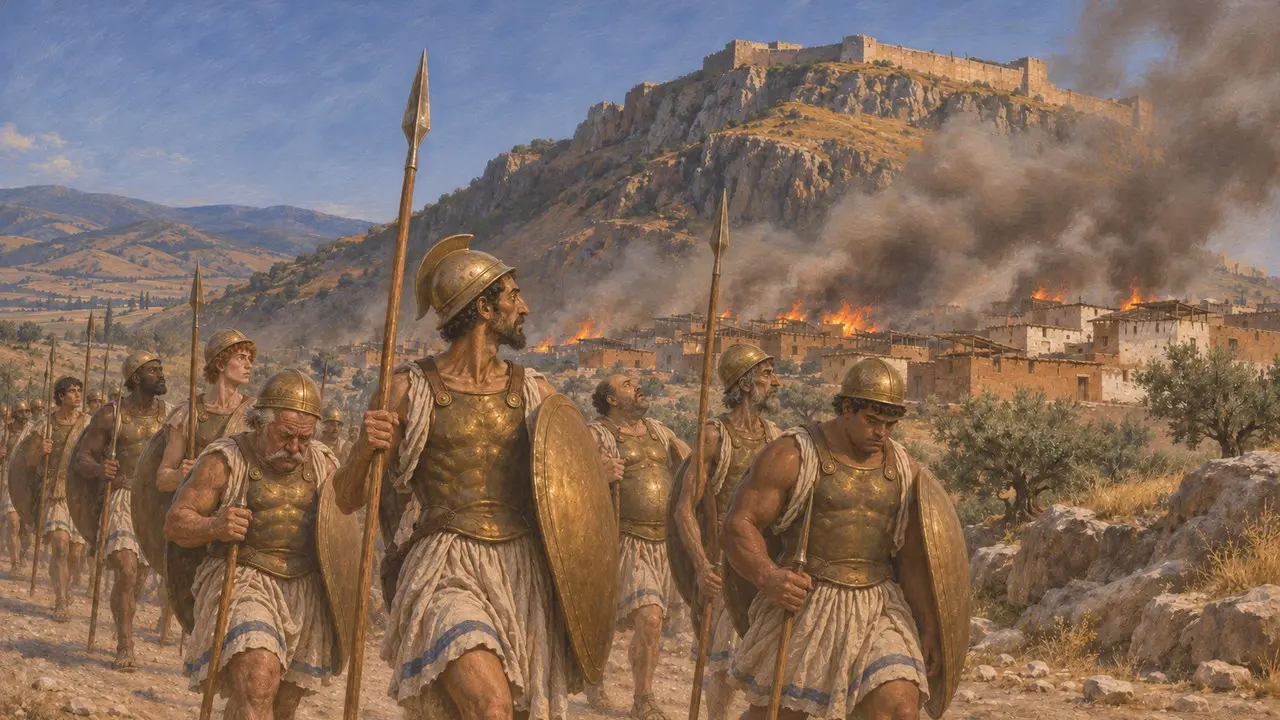
Ancient accountHerodotus says the ships landed near Ephesus and the allies marched inland with Ionian guides and took Sardis, apart from the citadel. A fire started there and spread through the lower city. He names the Eretrian Eualcidas among the dead after the Persian counterattack, and he does not mention Melanthius again. The Athenians went home after the defeat near Ephesus and refused further aid, despite Aristagoras's appeals.
Herodotus 5.100-103
How much is known of the man
DisputedHerodotus is the main surviving source for the commander's name, which appears once in his account. No Persian document known to us mentions him or the Athenian contingent. The name and the ship count therefore rest on Herodotus's report alone, and historians differ over how much weight Athenian aid carried beside the Ionian and Eretrian forces.
P. Briant, From Cyrus to Alexander, 2002
Sources
- Herodotus 5.97
- Herodotus 5.99-103
- Herodotus 5.73
- P. Briant, From Cyrus to Alexander, 2002