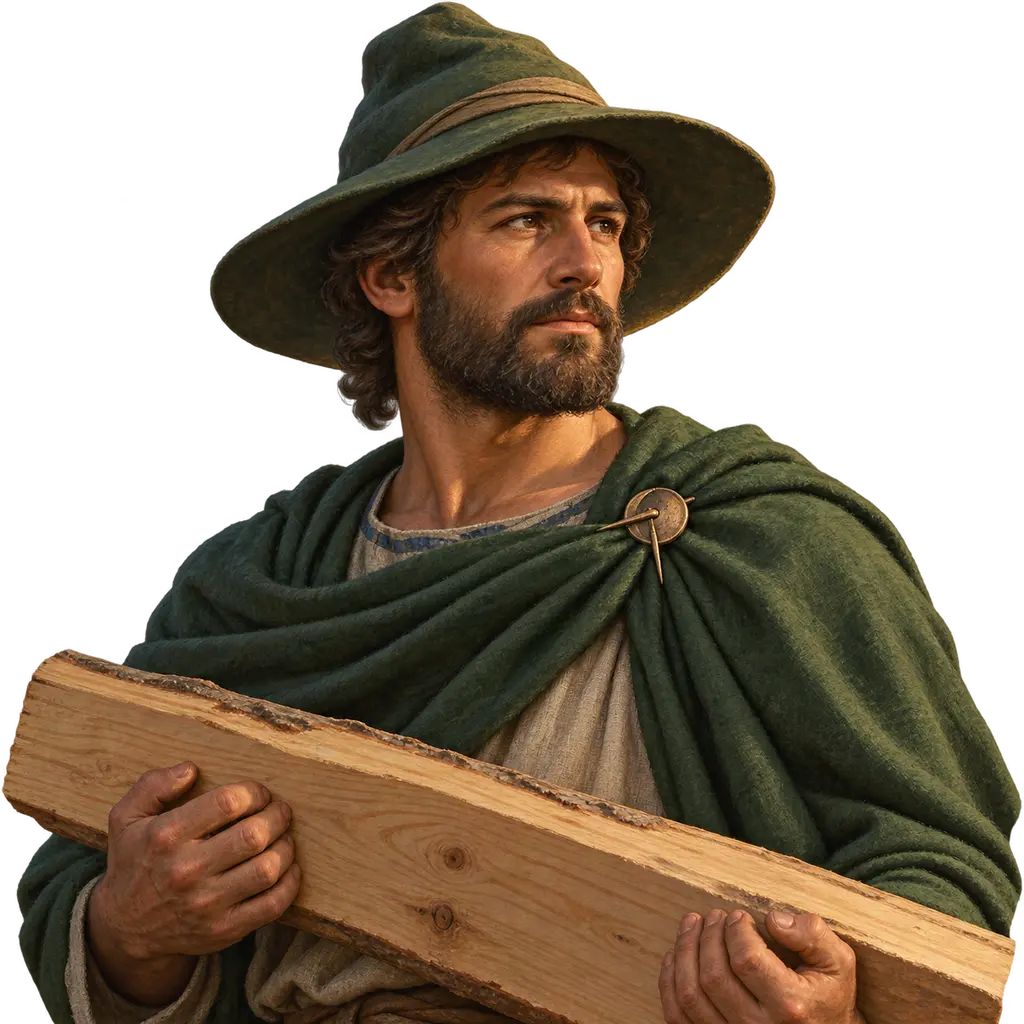
The Macedonians
Kingdom on the Thermaic Gulf, subject to Persia, about 510-479 BCE
In the game: Level 9: The Canal, Level 10: The Hot Gates, Level 11: The Finale
The Macedonians lived north of Thessaly around the Thermaic Gulf, ruled by kings who claimed descent from Argos and kept their seat at Aegae. From about 510 their kings gave earth and water to Persia, and Macedonia became the King's foothold in Europe, a source of timber and a road for armies. Its king Alexander I served Xerxes in 480-479 while, as Herodotus tells it, quietly helping the Greeks.
In the game: The game treats the Macedonians as a trade partner and brings Alexander I into the story. In history Macedonia was a subject kingdom of the King from about 510, firmly so after 492, owing troops and obedience, not an equal trading state.
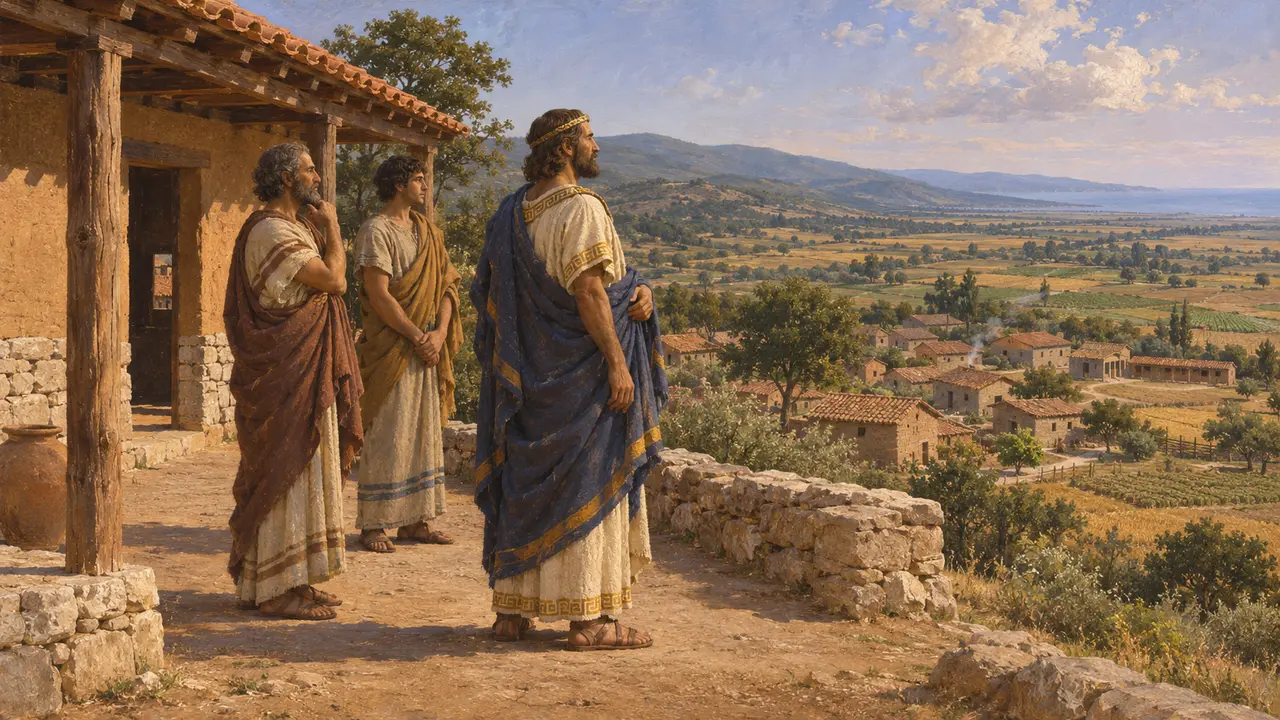
A kingdom on the Thermaic Gulf
Ancient accountThucydides says the Macedonian kings were Temenids from Argos, who won the coastal lands of Pieria and Bottiaea by driving out the peoples living there. Herodotus tells a story of the same Argive descent. Their old royal seat was Aegae, which most scholars place at modern Vergina. Herodotus notes a silver mine near Lake Prasias that later brought Alexander a talent a day.
Thucydides 2.99; Herodotus 5.17; Herodotus 8.137-139
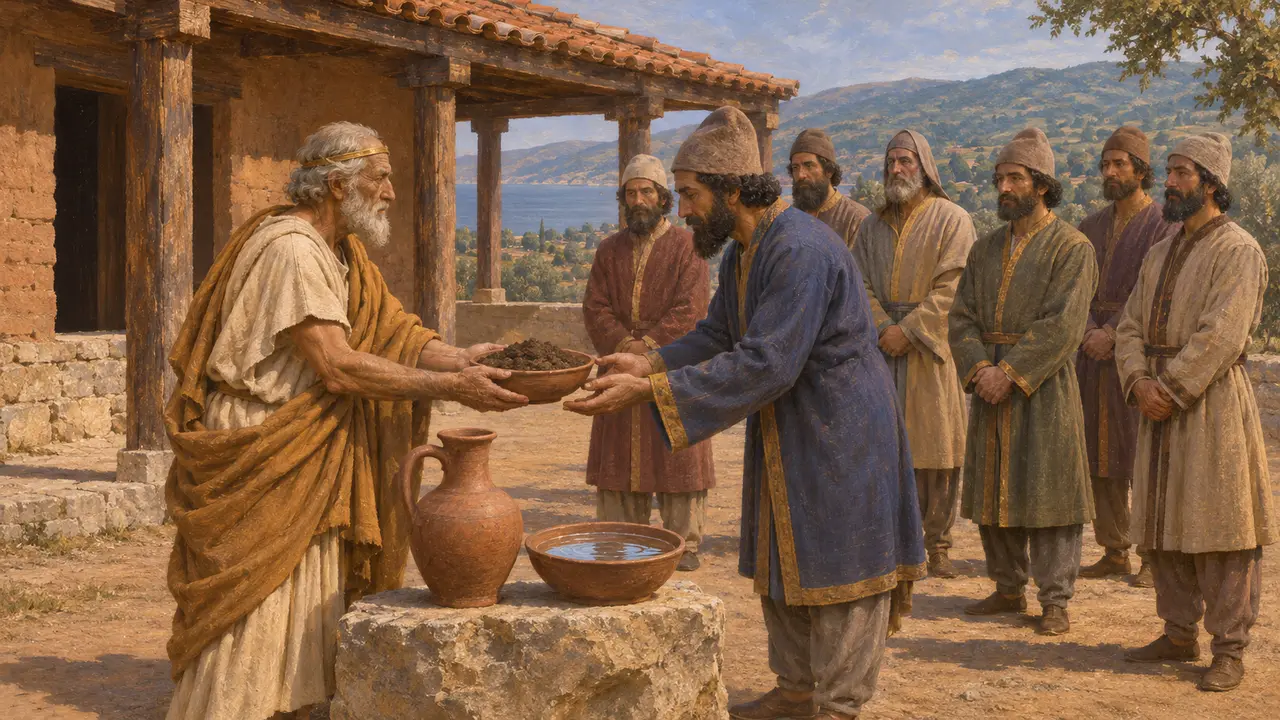
Earth and water for the King
Ancient accountHerodotus says that after Darius's Scythian campaign the general Megabazus sent seven Persians to King Amyntas I to demand earth and water, and Amyntas gave them. Amyntas's daughter Gygaea married the Persian noble Bubares, and their son later held the town of Alabanda in Asia. After the Ionian revolt, Herodotus says, Mardonius's expedition of 492 brought the Macedonians firmly under Persian rule.
Herodotus 5.17-18; Herodotus 5.21; Herodotus 6.44; Herodotus 8.136
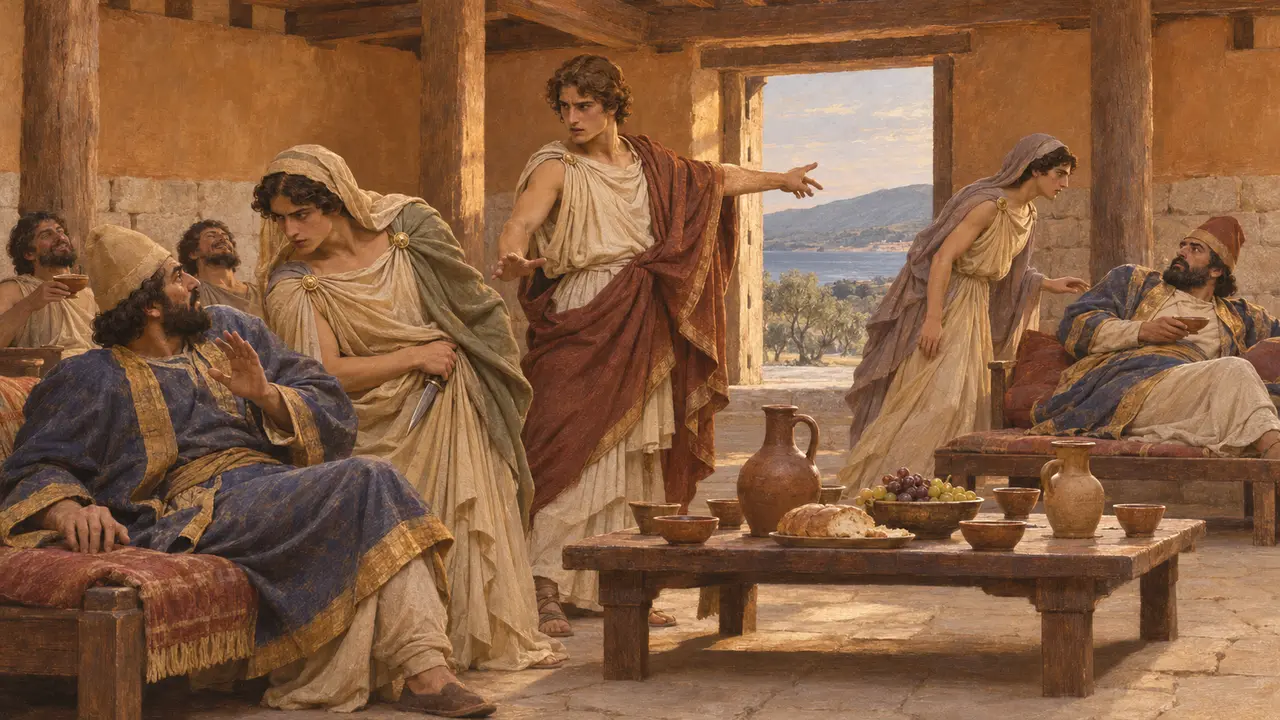
The envoys at the feast
Later legendHerodotus also tells that the Persian envoys, drunk at Amyntas's feast, asked for the company of the royal women. The young Alexander sent the women out, dressed beardless youths in their clothes with daggers, and had the Persians killed. When Bubares came looking for the missing men, Alexander ended the search with rich gifts and his sister's hand. Many historians read this as a tale spread later to excuse the kings' service to Persia.
Herodotus 5.18-21
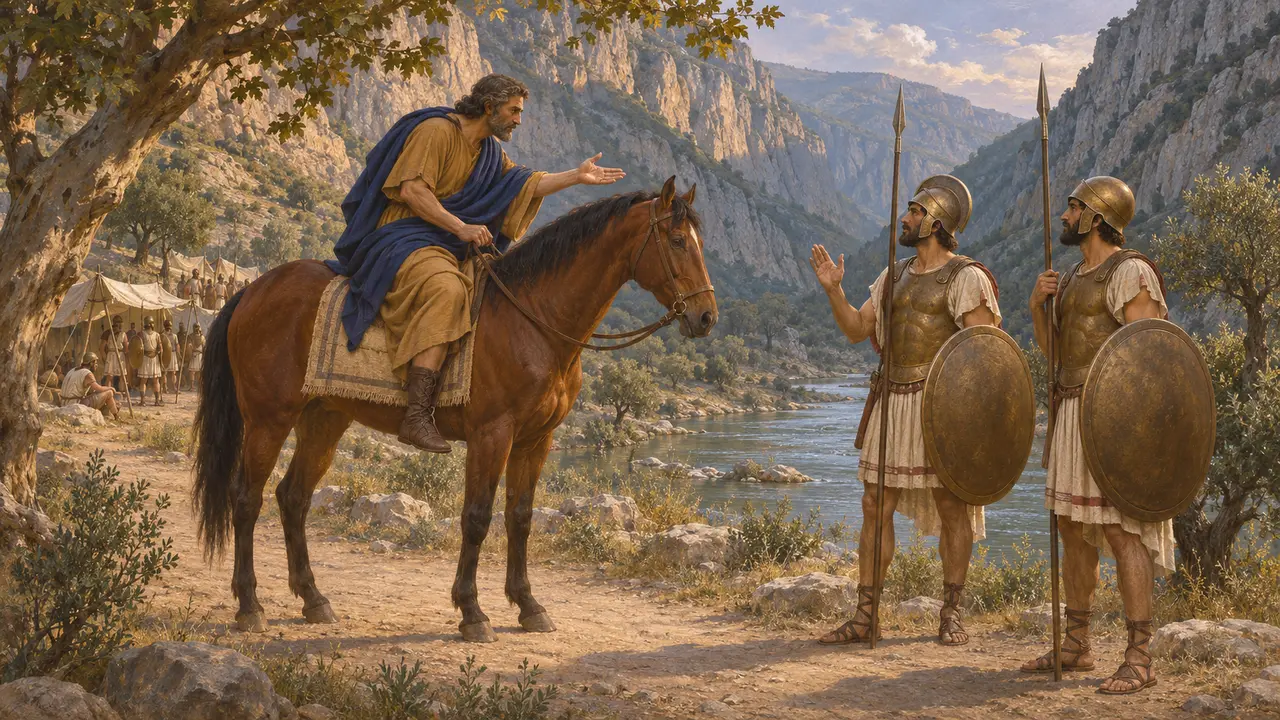
Alexander between Xerxes and the Greeks
Ancient accountHerodotus says Alexander advised the Greek force at Tempe in 480 to withdraw before Xerxes' army arrived, and that Macedonians marched in Xerxes' host. In the winter or early spring of 479 Mardonius sent Alexander to Athens to offer an alliance, which the Athenians refused. Before Plataea, Herodotus says, Alexander rode to the Athenian lines at night to warn them of the coming Persian attack.
Herodotus 7.173; Herodotus 7.185; Herodotus 8.136-144; Herodotus 9.44-45
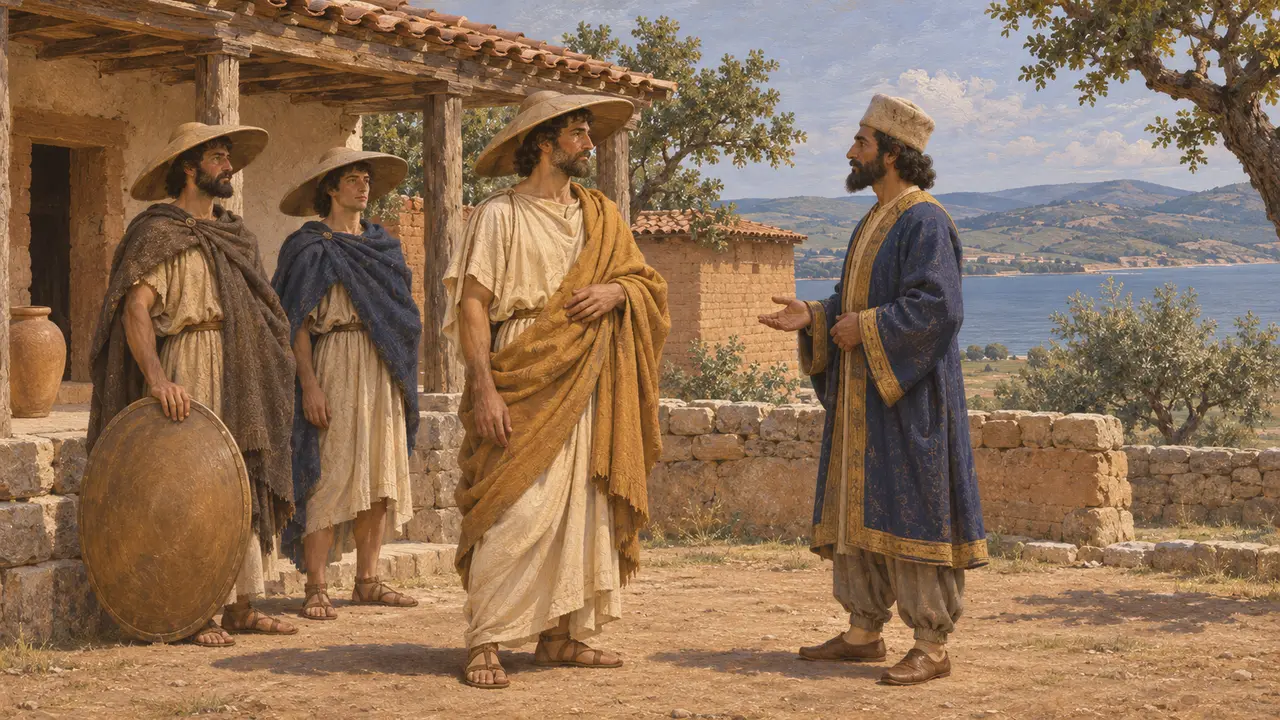
Loyal vassal or secret friend
DisputedDarius's tomb inscription lists among his lands the Yauna takabara, Ionians wearing a hat like a shield; many scholars think these are the Macedonians, others Greeks of Thrace. Herodotus seems to draw on Macedonian court stories that present Alexander as a friend of the Greeks, though his kingdom plainly served Persia. Herodotus also says Alexander was accepted at Olympia as a Greek, a claim some Greeks disputed.
DNa; Herodotus 5.22; E. Borza, In the Shadow of Olympus, 1990
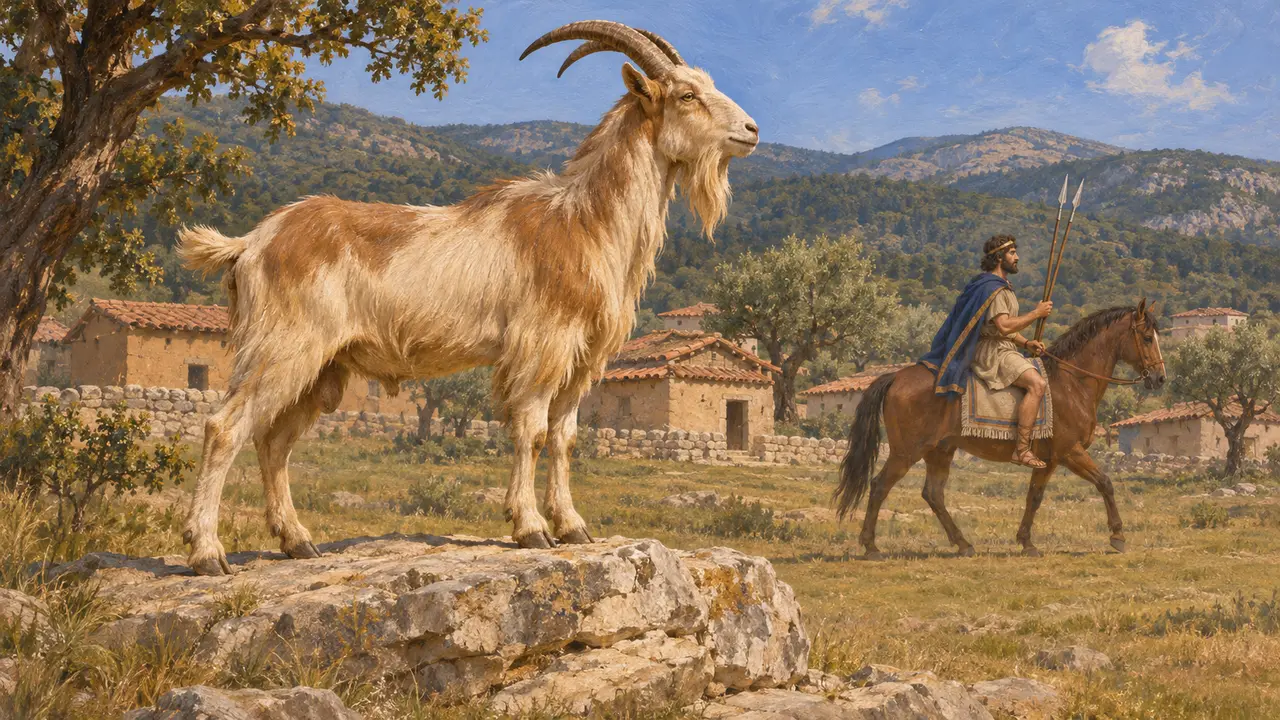
The emblem beside its name
In the recordMacedon's emblem in the game is the goat of Aegae, the old royal seat whose name Greeks linked with goats. Alexander I's coins also show a horseman with two spears. The kings who gave earth and water to Darius had no flag; these are emblems after their coins and their city.
Herodotus 5.17-22, 8.137-139; D. Raymond, Macedonian Regal Coinage to 413 B.C., 1953
Sources
- Herodotus, Histories, books 5-9
- Thucydides 2.99
- DNa
- N. G. L. Hammond and G. T. Griffith, A History of Macedonia II, 1979
- E. Borza, In the Shadow of Olympus, 1990
- P. Briant, From Cyrus to Alexander, 2002