Bubares
Persian noble, son of Megabazus, overseer of the Athos canal, about 483-480 BCE
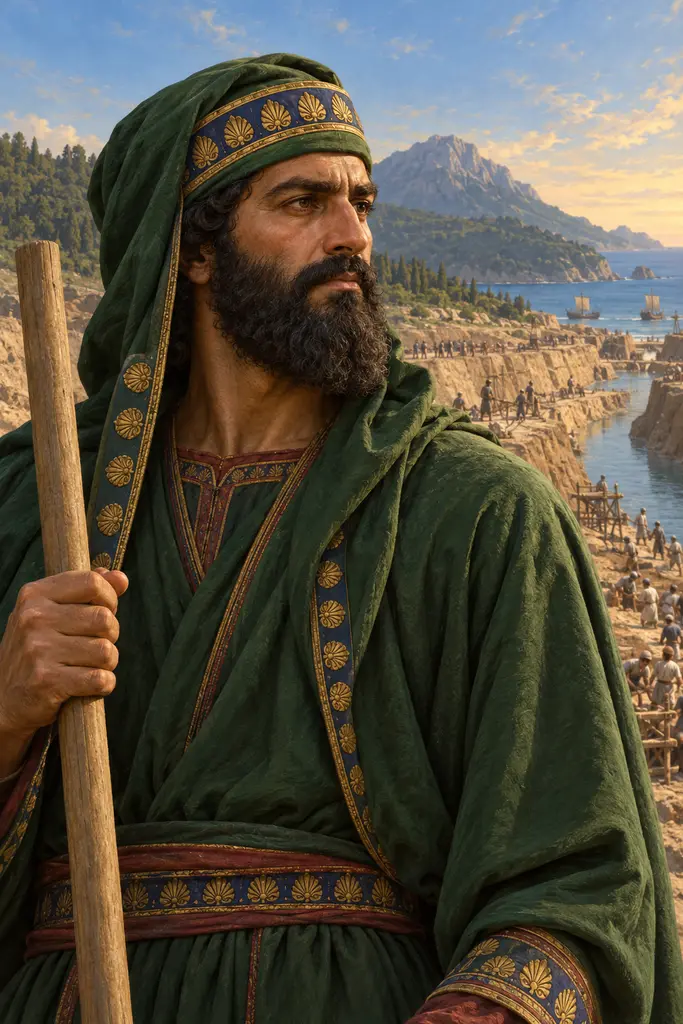
Bubares was a Persian noble of the late sixth and early fifth centuries, known almost entirely from Herodotus. He married into the royal house of Macedon and, with Artachaees, directed the digging of Xerxes' canal through the Athos peninsula. That made him one of the officials who prepared the invasion of Greece in 480.
In the game: The Athos level's chronicle names Bubares, son of Megabazus, as overseer of the canal together with Artachaees, following Herodotus 7.22. The game says nothing further about his career.
Son of Megabazus
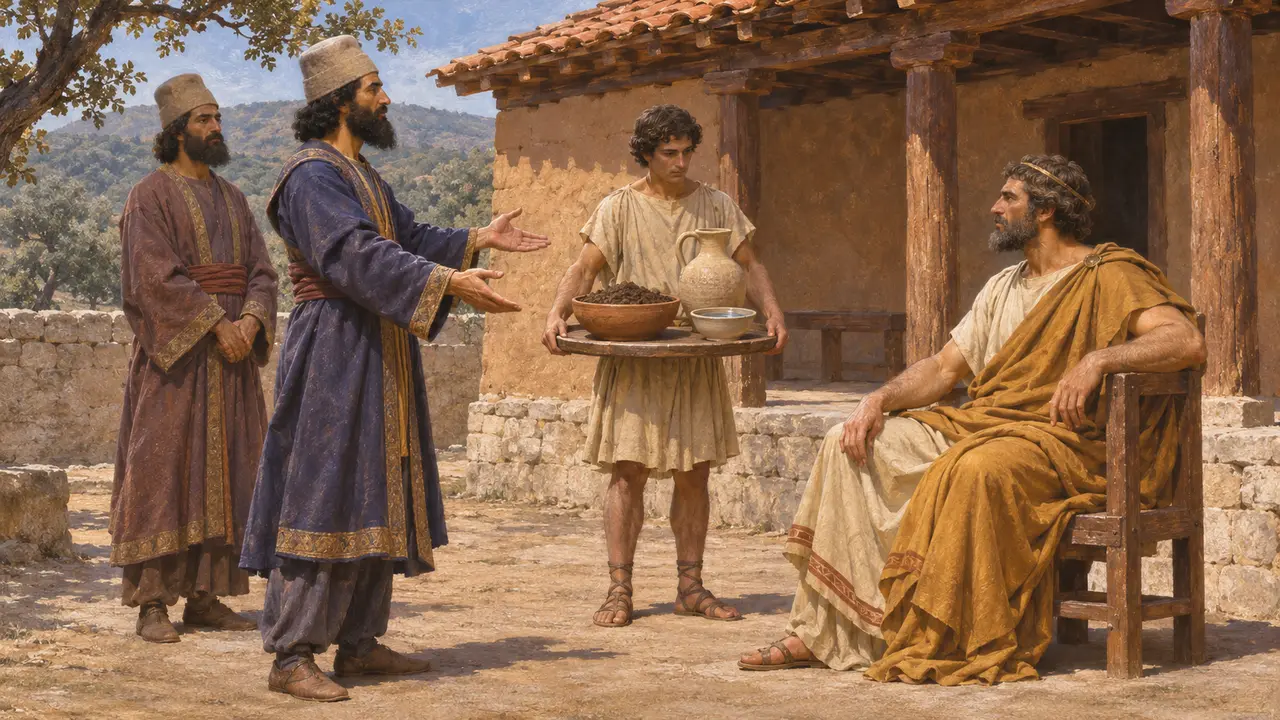
Ancient accountHerodotus says Bubares was the son of Megabazus, the general Darius left in Thrace after the Scythian campaign of about 513. Megabazus subdued Perinthus and the Thracians of the coast. He then sent envoys to Amyntas, king of Macedon, to demand earth and water, the tokens of submission to the King.
Herodotus 5.1-2, 5.17
The missing envoys and a Macedonian marriage
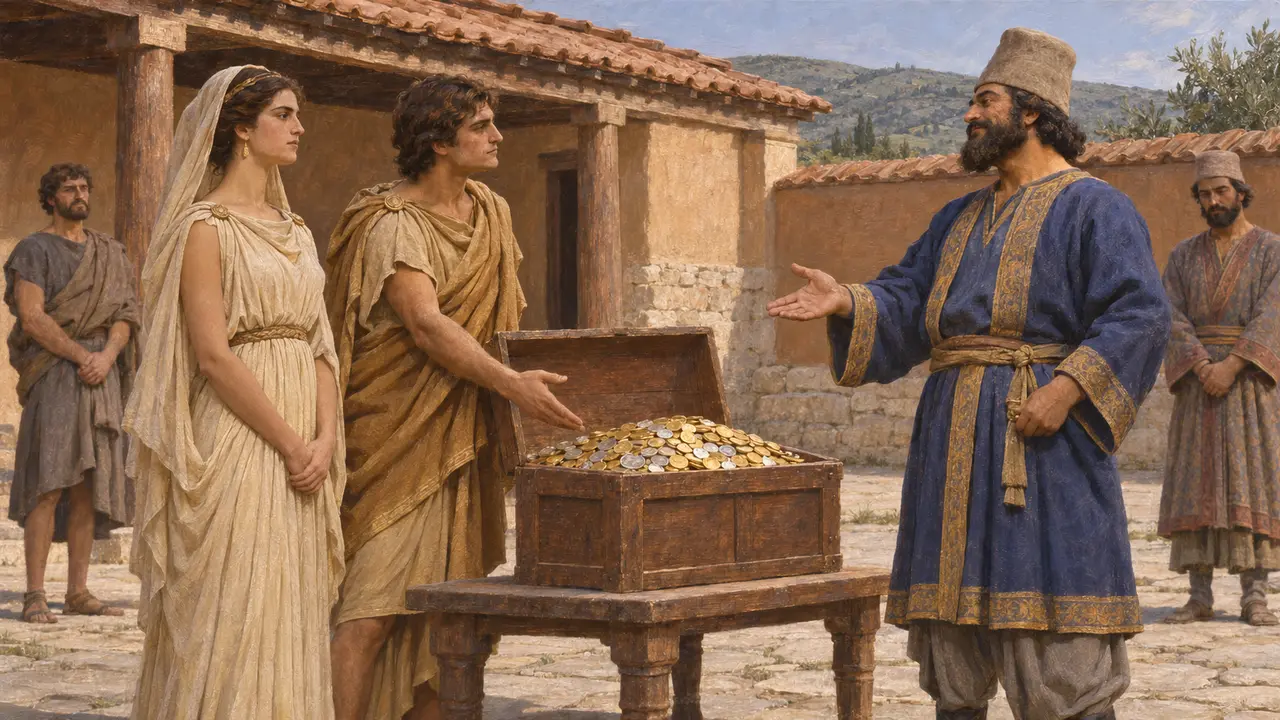
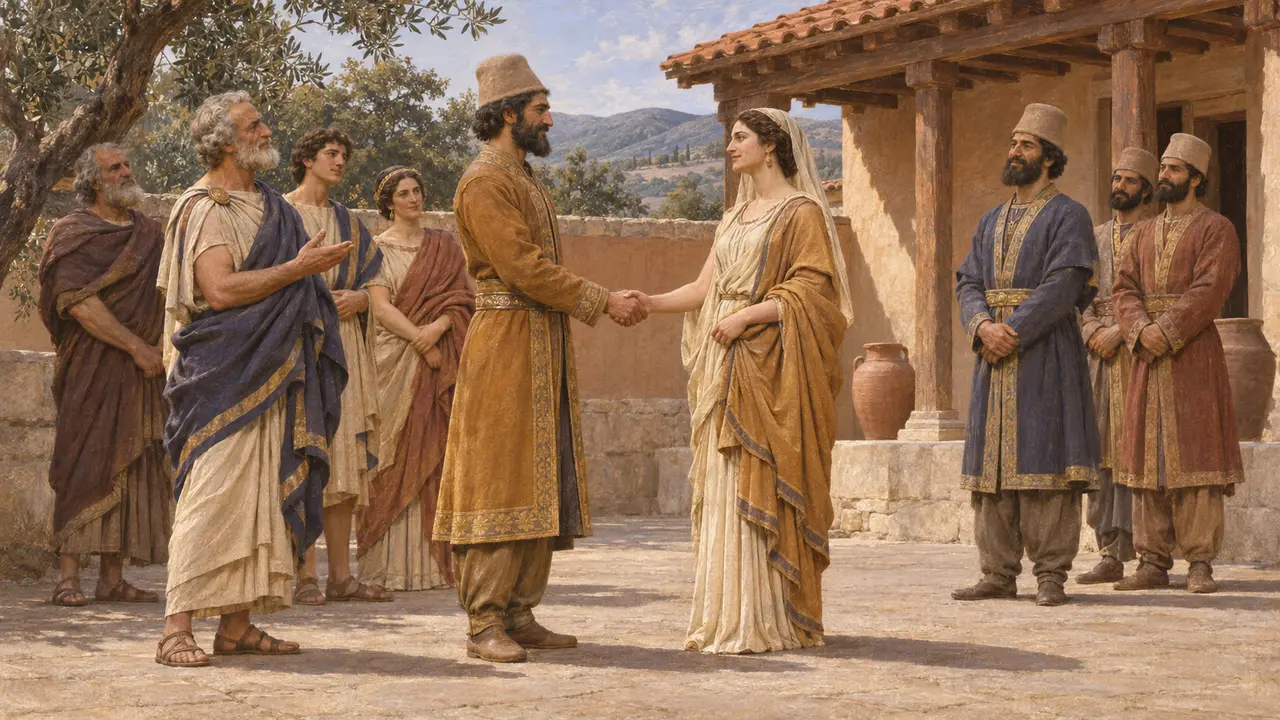
Ancient accountHerodotus tells how the Persian envoys behaved insolently at a feast and were killed on the orders of the young Alexander, son of Amyntas. When the Persians sent a search party, Bubares commanded it. Alexander silenced him with a large gift of money and his sister Gygaea in marriage, and the inquiry was dropped.
Herodotus 5.18-21
A story told for Macedon
DisputedMany historians doubt the murder of the envoys. Alexander later presented himself to the Greeks as their secret friend, and the tale suits that claim. The marriage of Bubares and Gygaea is more widely accepted. It fits a known Persian practice of binding subject rulers to Persian noble families, and Macedon did become a subject kingdom.
E. Badian, Herodotus on Alexander I of Macedon, 1994; P. Briant, From Cyrus to Alexander, 2002
Overseer at Athos
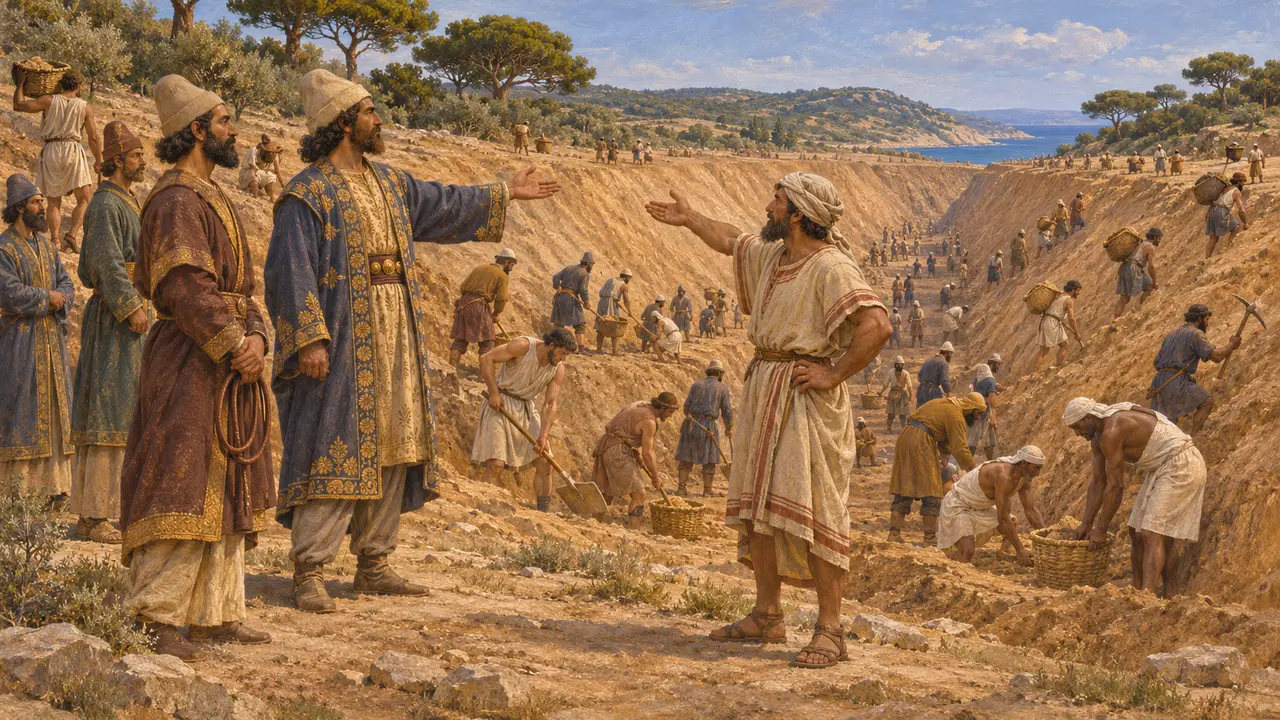
Ancient accountHerodotus names Bubares and Artachaees, son of Artaeus, as the Persians in charge of cutting the canal across the Athos isthmus. He says the preparations went on for about three years and that men from many peoples dug under the lash. He adds that the Phoenicians showed the most skill, cutting the trench wider at the top so its sides would not fall in.
Herodotus 7.22-23
What survives
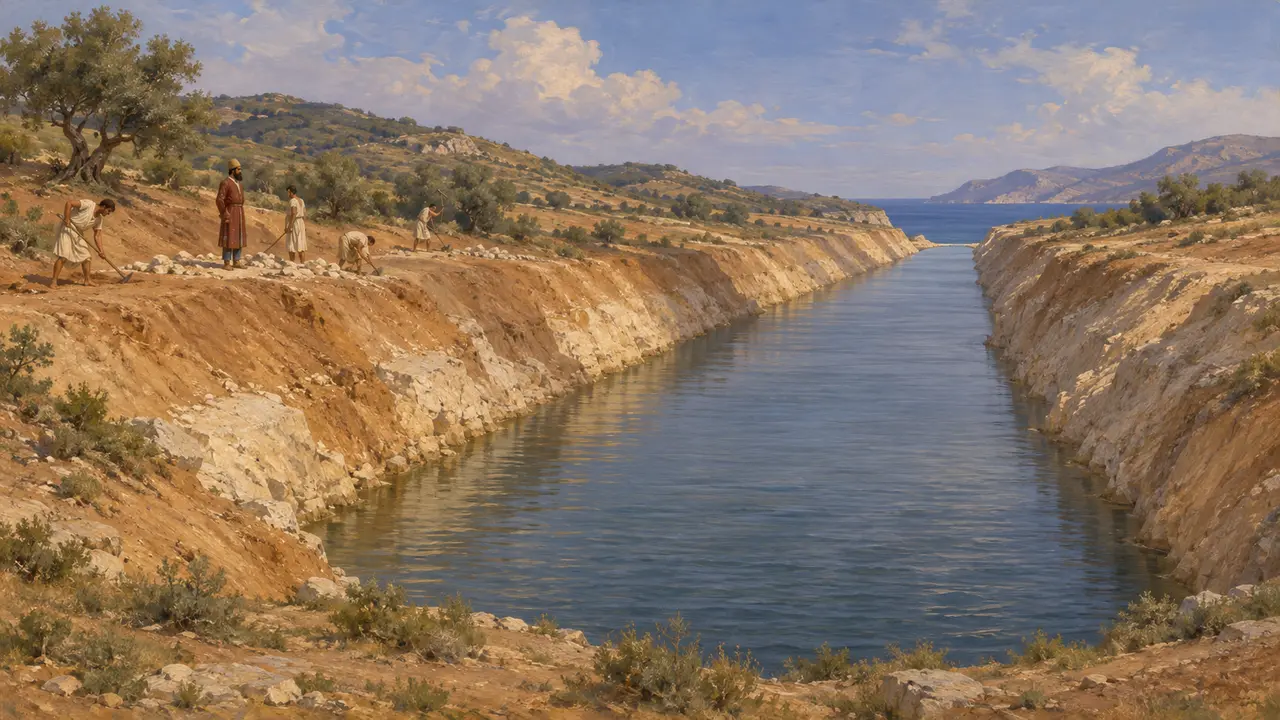
In the recordNo monument or document from the period is securely known to name Bubares, so his career rests on Herodotus. The canal itself is real. Surveys and cores taken across the isthmus in the 1990s traced a filled-in channel along the line Herodotus describes.
B. S. J. Isserlin and others, The canal of Xerxes on the Mount Athos peninsula, Annual of the British School at Athens 89, 1994
His son Amyntas
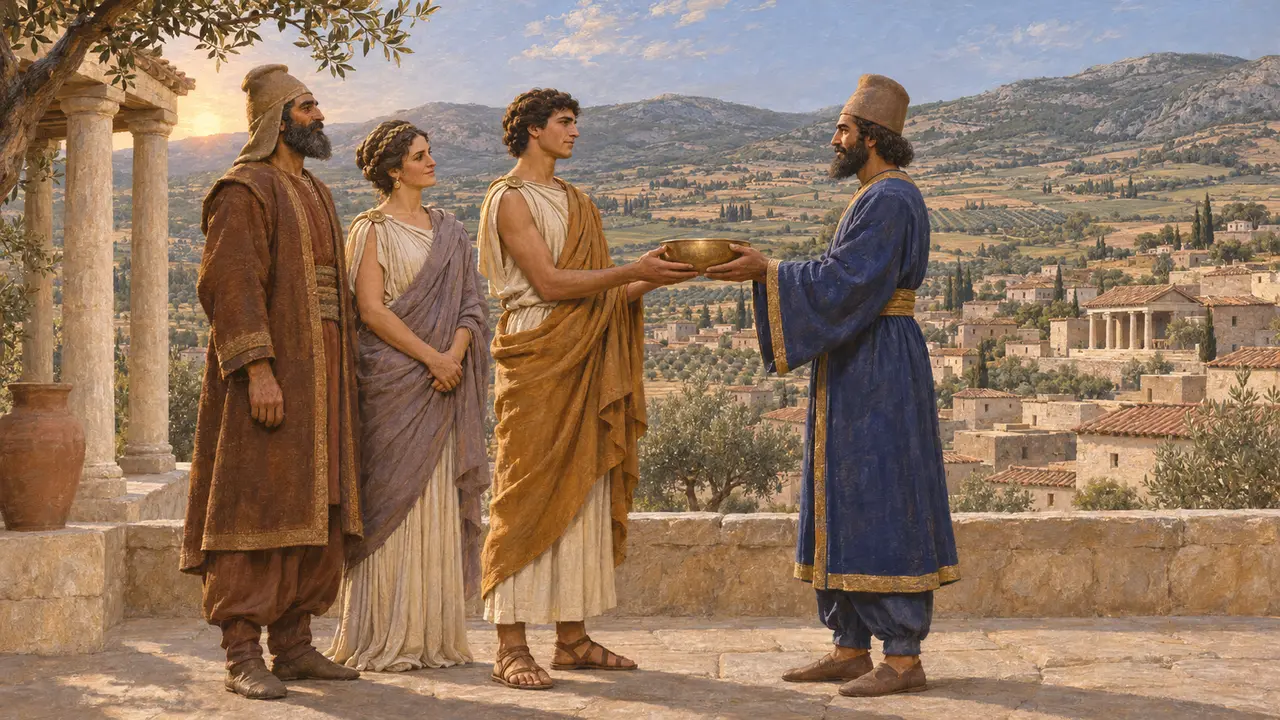
Ancient accountBubares and Gygaea had a son, Amyntas, named after his Macedonian grandfather. Herodotus says the King gave him Alabanda in Phrygia to hold, though the known city of that name lay in Caria. This family tie was one reason, he explains, that Mardonius sent Alexander of Macedon as his envoy to Athens in 479.
Herodotus 8.136
Sources
- Herodotus 7.22-23
- Herodotus 5.1-2, 5.17-21
- Herodotus 8.136
- E. Badian, Herodotus on Alexander I of Macedon: a study in some subtle silences, in S. Hornblower (ed.), Greek Historiography, 1994
- P. Briant, From Cyrus to Alexander, 2002
- B. S. J. Isserlin and others, The canal of Xerxes on the Mount Athos peninsula, Annual of the British School at Athens 89, 1994