The Thessalians
Horse-rearing people of the northern Greek plain who sided with Xerxes, 480-479 BCE
In the game: Level 10: The Hot Gates, Level 11: The Finale
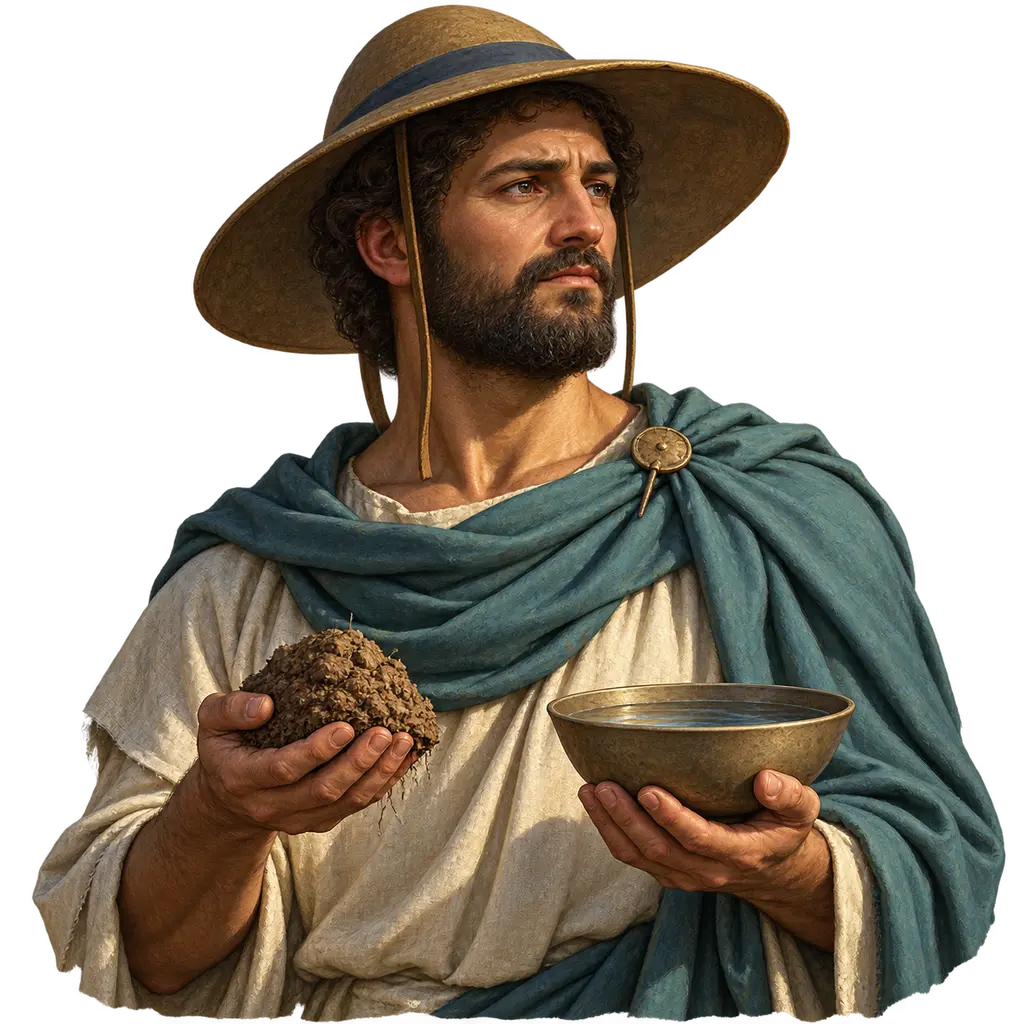
The Thessalians held the broad plain of northern Greece, a land of large estates and the best horses in the Greek world, led by noble clans such as the Aleuadae of Larissa. In 480 Thessaly went over to Xerxes. Its submission opened the road south for the Persian army, and Thessalian horsemen later fought for Mardonius at Plataea.
In the game: The game lists the Thessalians as a trade partner, which is a game device. Its note that they joined the King in 480 is broadly right, though the Aleuadae had invited Xerxes earlier and most of Thessaly yielded only after Tempe.
Horse country and its great families
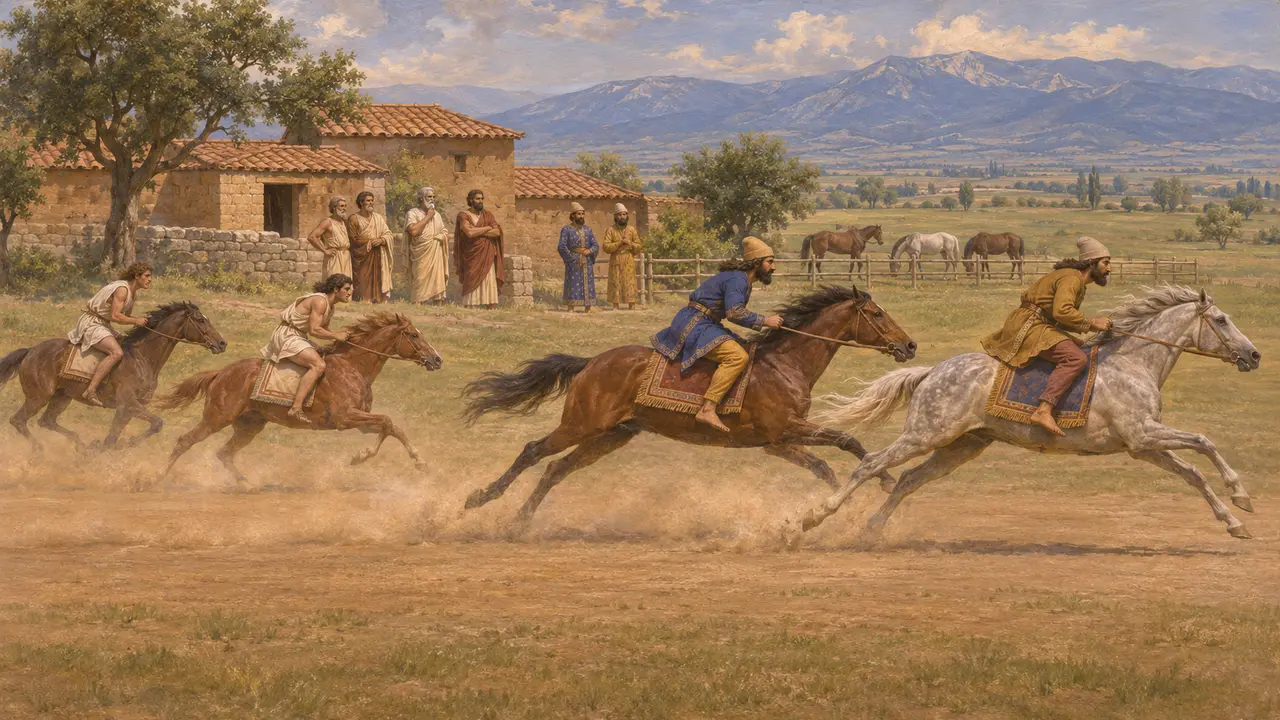
Ancient accountHerodotus calls the Aleuadae of Larissa kings of Thessaly, and he says they sent envoys urging Xerxes to invade Greece. Power in the plain probably lay with a few landowning clans more than with any citizen assembly. Herodotus also tells how Xerxes, camped in Thessaly, raced his own horses against Thessalian mares, having heard they were the best in Greece, and the Greek horses were left far behind.
Herodotus 7.6; Herodotus 7.196
Allies of the tyrants of Athens
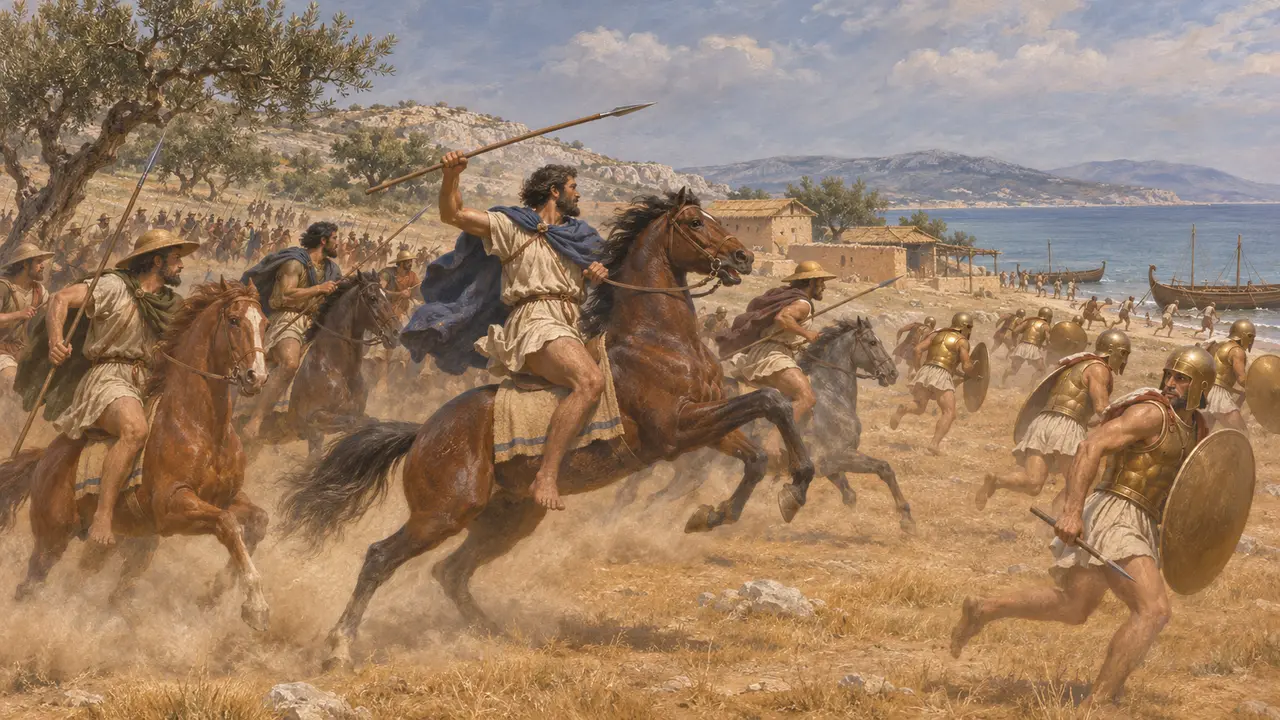
Ancient accountThessaly had ties to the Pisistratid tyrants of Athens. Herodotus says that when Sparta first moved against Hippias, about 511, the Thessalians sent a thousand horsemen under Cineas, who routed the Spartan landing force near Phaleron. A second Spartan army under Cleomenes then drove the Thessalian riders off. Some years after Hippias was expelled, the Thessalians offered him Iolcus as a refuge, but he declined it.
Herodotus 5.63-64; Herodotus 5.94
The pass at Tempe and the change of side
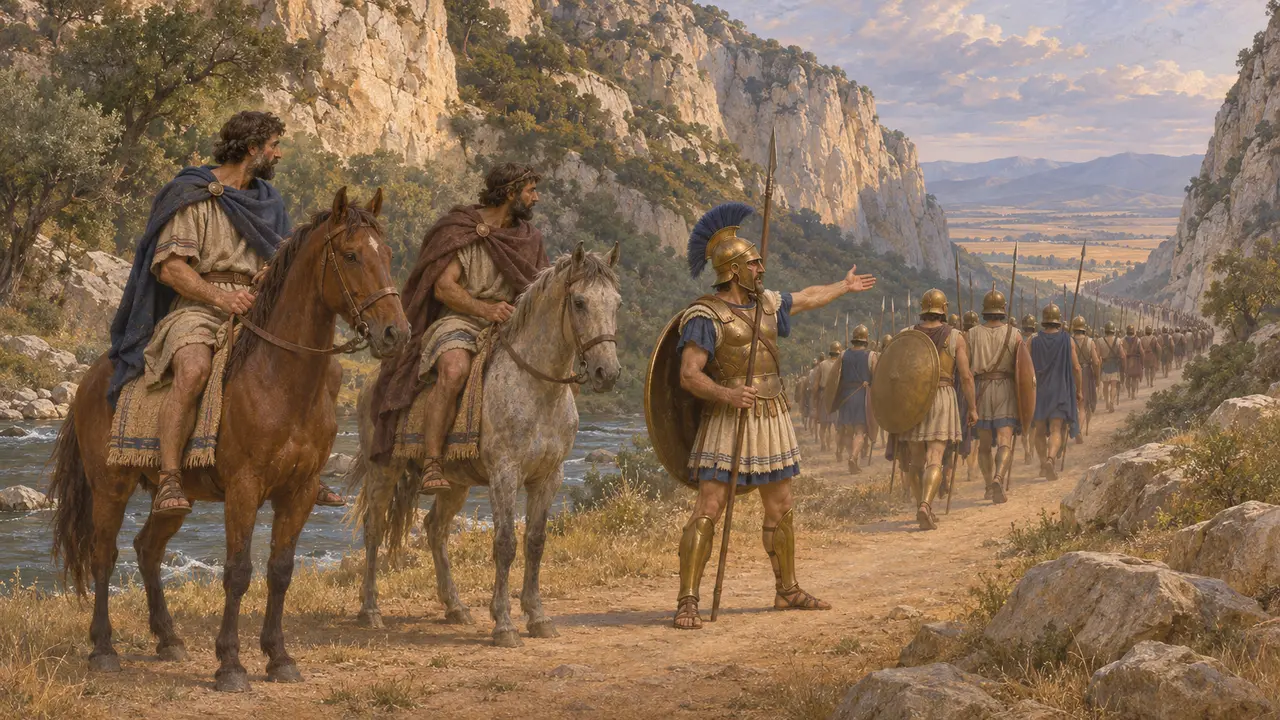
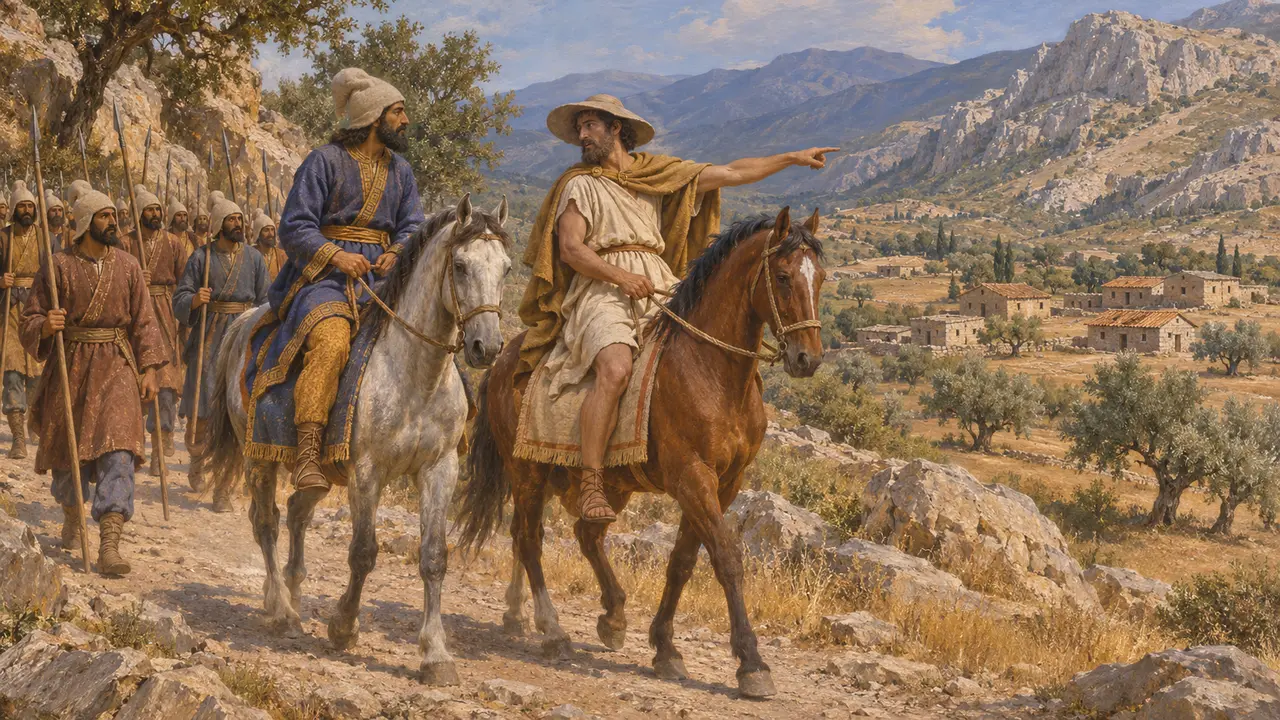
Ancient accountIn 480 the Thessalians asked the Greek allies to defend the vale of Tempe, and about ten thousand hoplites under the Spartan Euaenetus and the Athenian Themistocles marched north. Herodotus says they soon withdrew, warned by Alexander of Macedon about the size of the Persian host and learning of another route into Thessaly. Left alone, the Thessalians submitted and served the King with energy.
Herodotus 7.172-174
A faction's choice or a people's
DisputedHerodotus says the Aleuadae acted on their own and that most Thessalians joined Persia only when the Greeks abandoned them. Historians debate whether this reflects real divisions or a later Thessalian excuse. Thessaly's long feud with the Phocians also shaped events: Herodotus says Thessalians guided the Persians into Phocis and had first demanded fifty talents to spare it.
Herodotus 7.172; Herodotus 8.27-31; J. F. Lazenby, The Defence of Greece 490-479 BC, 1993
Riders for Mardonius
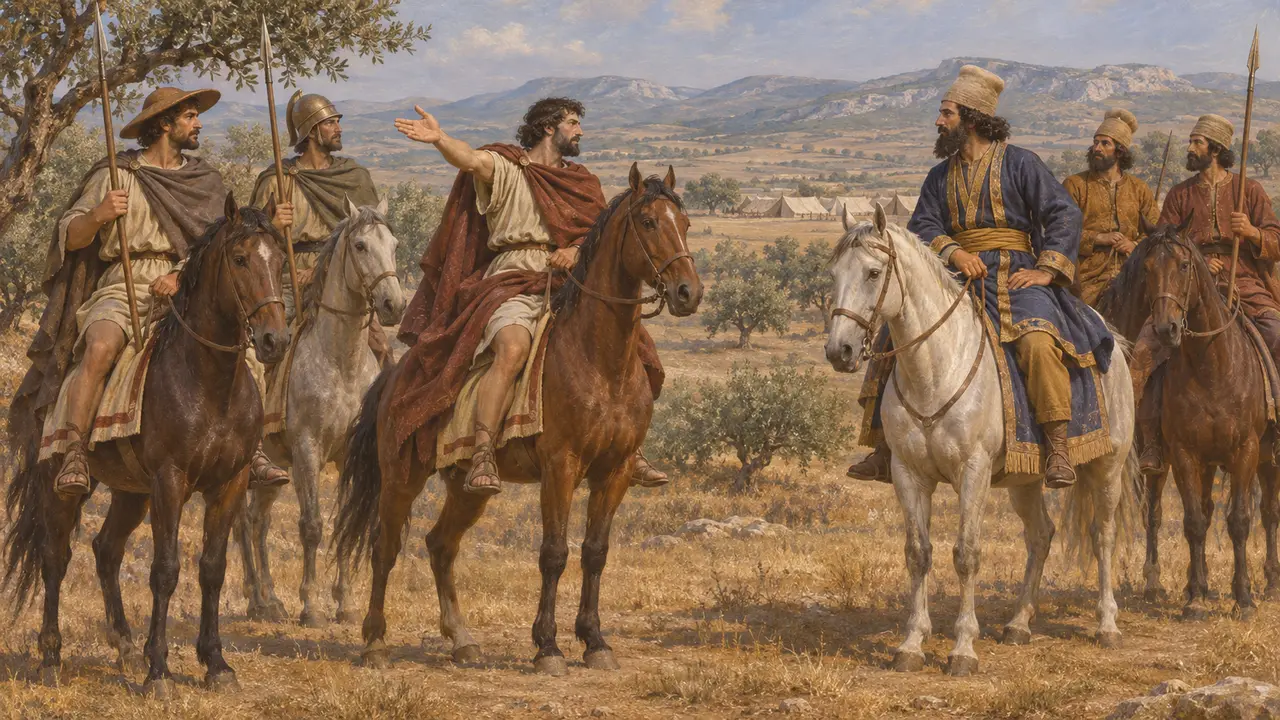
Ancient accountHerodotus says the Aleuadae kept urging Mardonius on in 479, and he names Thorax of Larissa and his brothers among Mardonius's companions at Plataea. Thessalians appear in his list of Greeks drawn up on the Persian side. Afterwards the Spartan king Leotychides led an expedition into Thessaly, which Herodotus says failed when he was caught taking a bribe.
Herodotus 9.1; Herodotus 9.31; Herodotus 9.58; Herodotus 6.72
The emblem beside its name
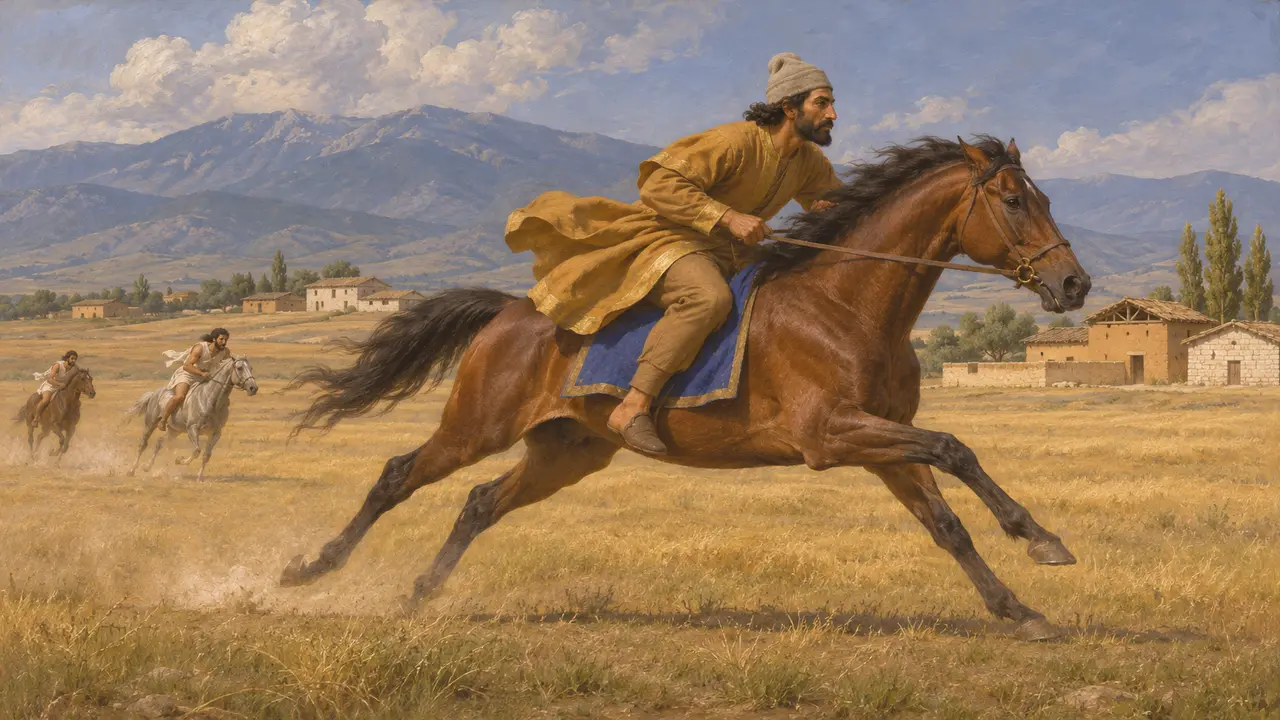
In the recordThessaly's emblem in the game is a horse, from Thessalian coins of about 480-460. The plain was famous for horses: Herodotus says Xerxes, having heard that Thessalian horses were the best in Greece, raced his own against them there, and the Thessalian horses were left far behind.
Head, Historia Numorum, Thessaly; Herodotus 7.196
Sources
- Herodotus, Histories, books 5, 7, 8 and 9
- J. F. Lazenby, The Defence of Greece 490-479 BC, 1993
- P. Briant, From Cyrus to Alexander, 2002
- M. Sordi, La lega tessala fino ad Alessandro Magno, 1958