Encyclopedia › Battles and events
Mardonius's capture of Athens
Second Persian occupation and burning of Athens, summer 479 BCE
In the game: Level 11: The Finale
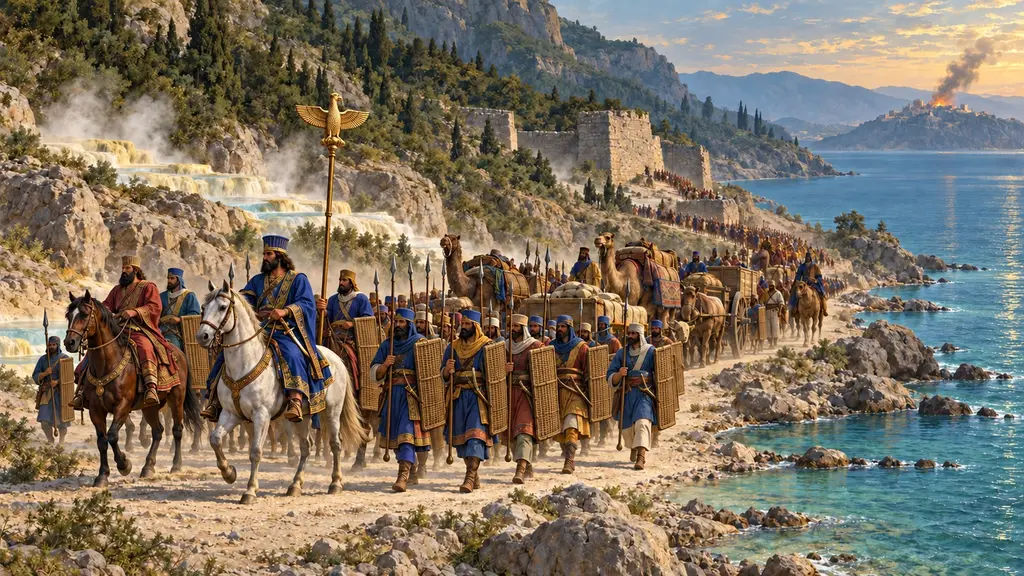
In the summer of 479 Mardonius, left in Greece by Xerxes, marched into Attica and took an empty Athens for the second time. When he learned that a Spartan army was on the march, he burned what was still standing and withdrew to Boeotia, where the battle of Plataea was fought soon after.
In the game: The Chronicle shows this as an event of 479: Mardonius retakes Athens ten months after Xerxes, burns it when the Spartans march and falls back to Boeotia for his horse. This matches Herodotus 9.3 and 9.13.
Mardonius returns to Attica
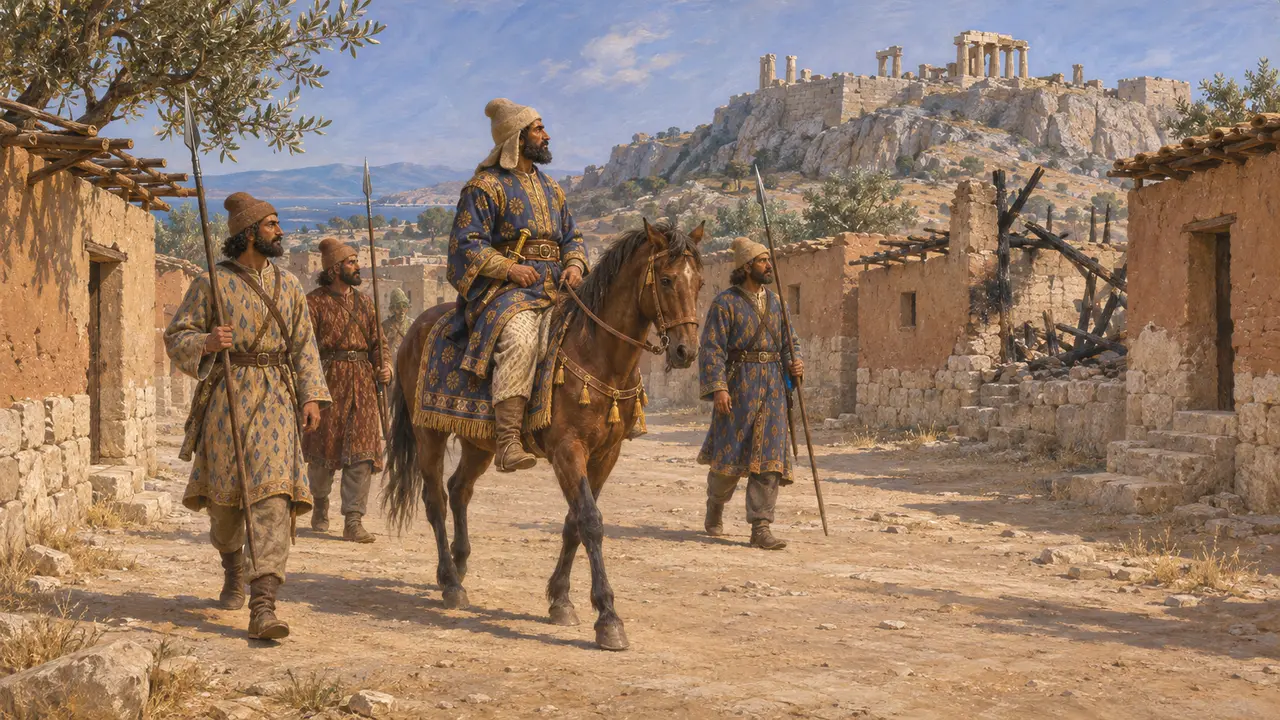
Ancient accountHerodotus says Mardonius wintered in Thessaly and marched south in spring. The Thebans urged him to stay in Boeotia and win the Greeks over with bribes. He wanted Athens again, partly so that he could send news of its capture to Xerxes at Sardis by beacon fires across the islands. He found the city empty, ten months after the King had taken it, because the Athenians had again moved to Salamis and their ships.
Herodotus 9.1-9.3
The offer sent to Salamis
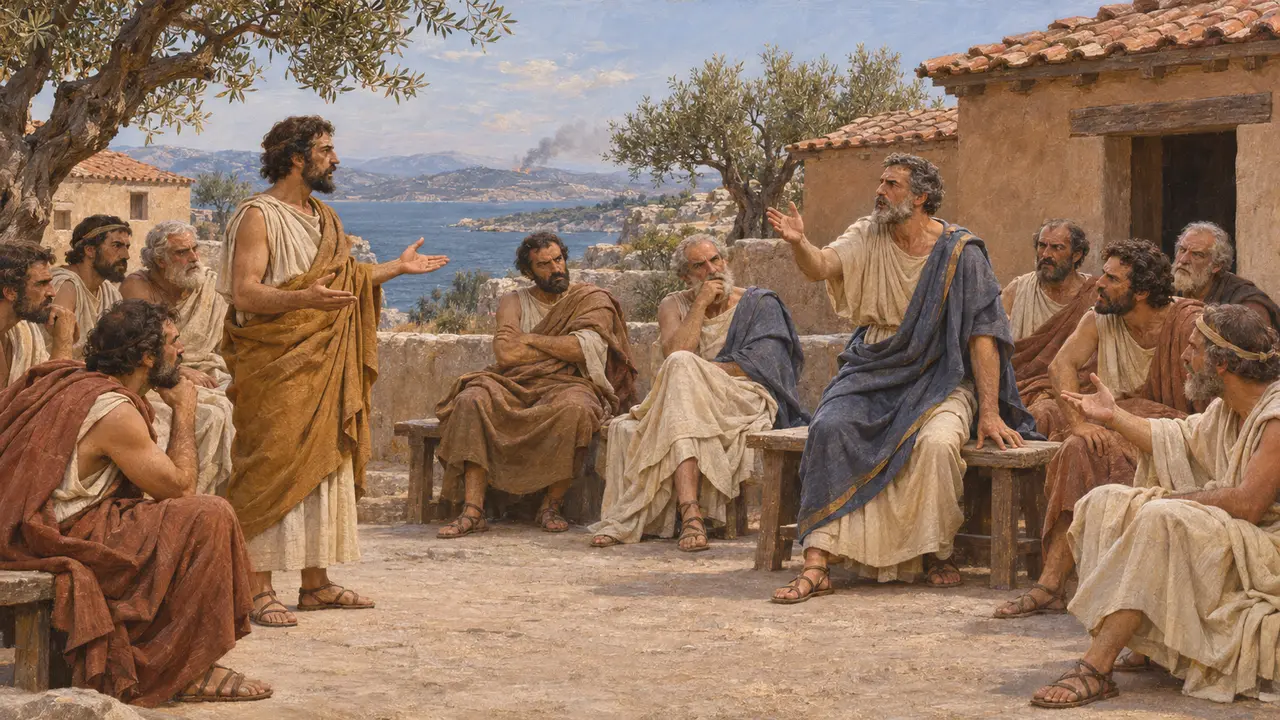
Ancient accountHerodotus says Mardonius sent a Hellespontine Greek, Murychides, to Salamis to repeat the terms that Alexander of Macedon had already carried to Athens. A councillor named Lycidas proposed putting the offer to the people, and the Athenians stoned him to death. Athenian women then stoned his wife and children. The Athenians sent envoys to Sparta to complain that its army had not come.
Herodotus 9.4-9.11
Burning and withdrawal
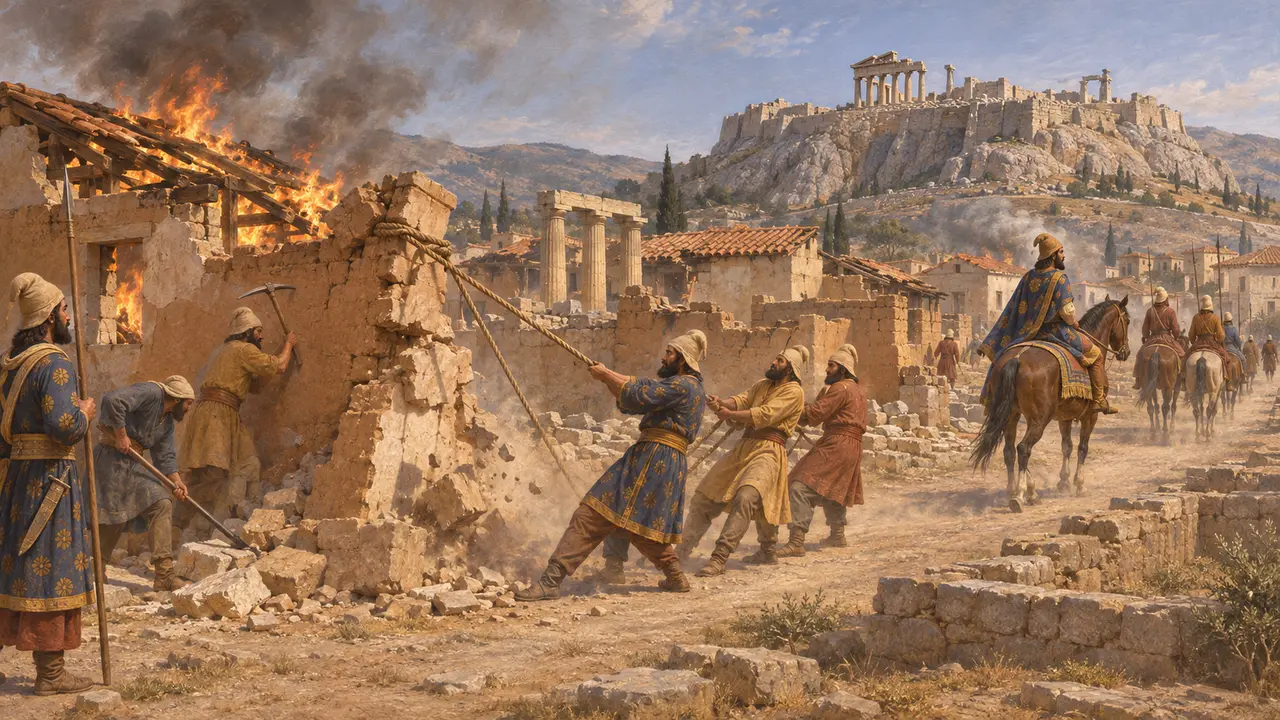
Ancient accountHerodotus says the Spartans, after delay over the Hyacinthia festival, sent out Pausanias with a large force, and the Argives warned Mardonius. He burned Athens and pulled down what remained of walls, houses and temples, judging Attica bad ground for cavalry. His horsemen overran the Megarid, and he then withdrew by way of Decelea to a fortified camp on the Asopus.
Herodotus 9.7-9.15
What the Athenians came back to
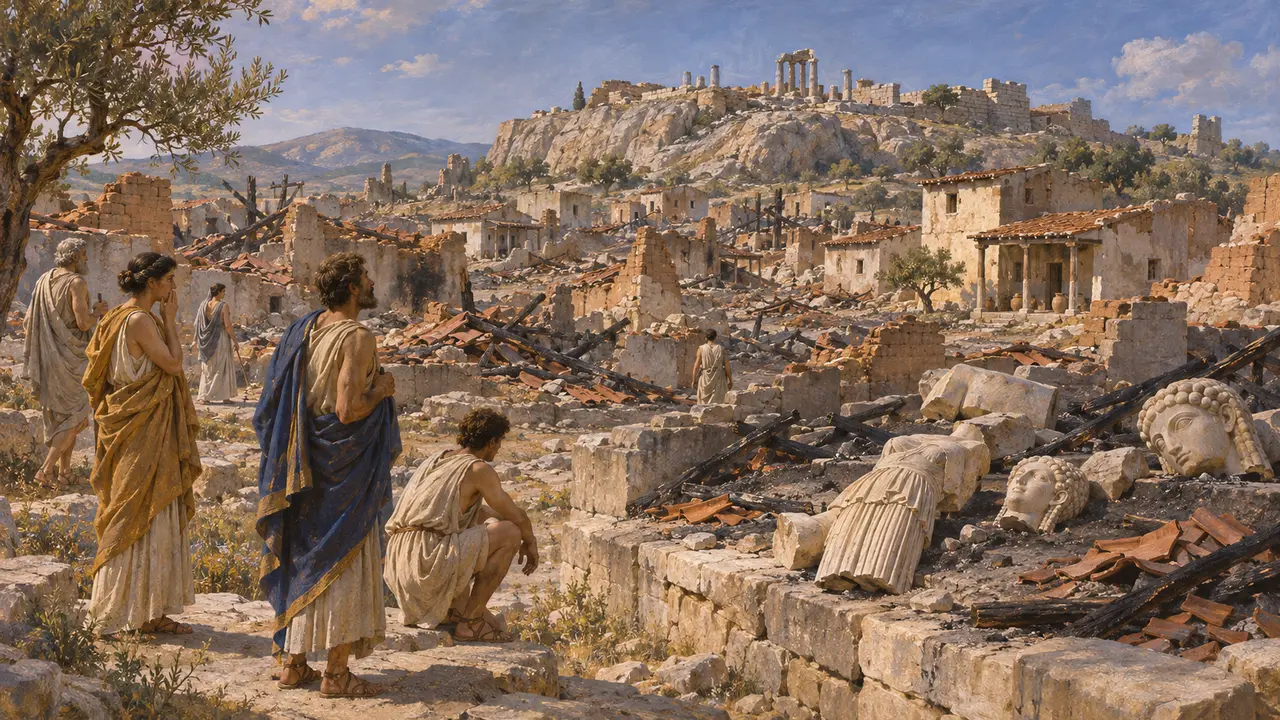
DisputedThucydides says that when the Athenians returned only short stretches of the city wall stood and most houses were down, except a few where Persian nobles had lodged. Excavators on the Acropolis have found deep fills of broken statues and burnt debris from the Persian destruction. Archaeologists still debate how much of this damage belongs to 480 and how much to Mardonius in 479.
Thucydides 1.89; J. M. Hurwit, The Athenian Acropolis, 1999
The oath not to rebuild
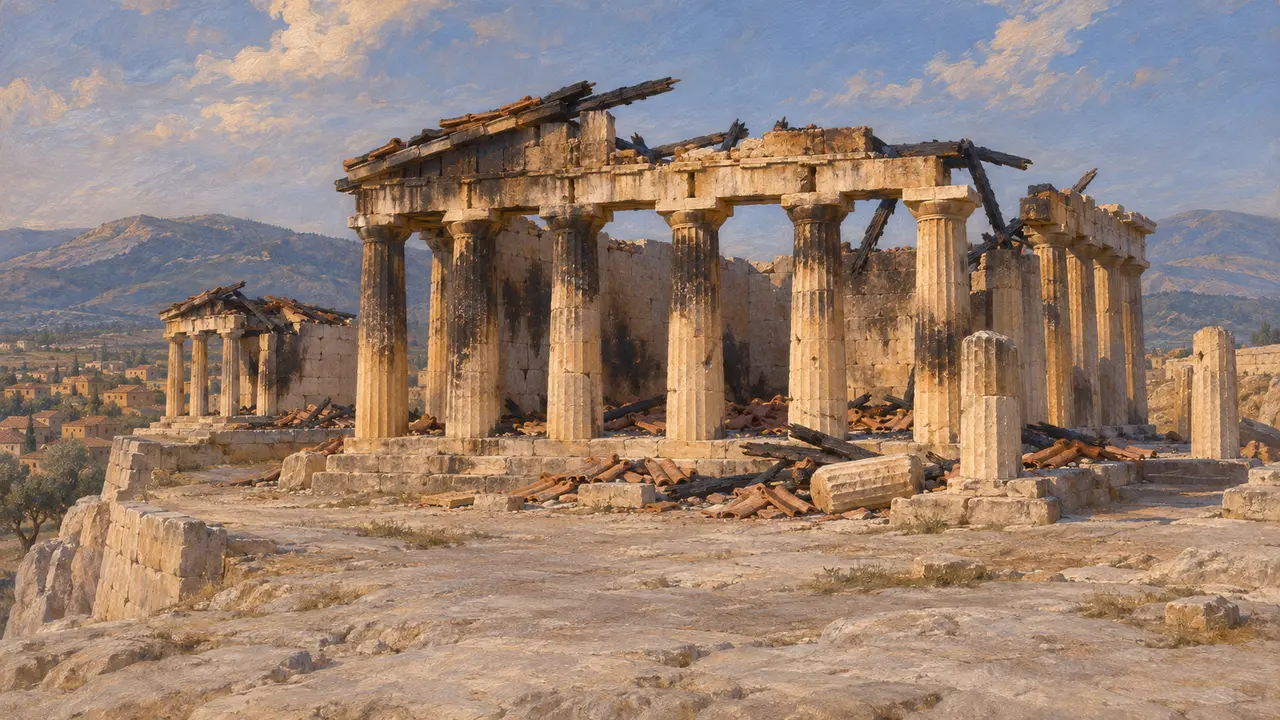
DisputedLater writers say the Greeks swore before Plataea to leave the burnt temples in ruins as a memorial of Persian impiety. A fourth-century inscribed version of the oath lacks this clause. Some historians accept a version of the oath, while others think it was composed or reshaped in the fourth century. The ruined temples of the Acropolis did stand unrebuilt for about thirty years.
Diodorus 11.29; Lycurgus, Against Leocrates 81
Sources
- Herodotus 9.1-9.15
- Thucydides 1.89
- Diodorus 11.29
- J. M. Hurwit, The Athenian Acropolis, 1999
- P. Briant, From Cyrus to Alexander, 2002
- P. Green, The Greco-Persian Wars, 1996