
Lycidas
Athenian councillor stoned on Salamis for urging Mardonius's terms, 479 BCE
Lycidas was a member of the Athenian council in 479. Herodotus says he was killed by his fellow citizens after he advised that Mardonius's offer be put to the people. The story shows how firmly the Athenians, in Herodotus's telling, refused terms from the Persians.
In the game: Lycidas has no mechanic of his own. He is named in the event articles on Mardonius's capture of Athens and on Alexander of Macedon's embassy to Athens.
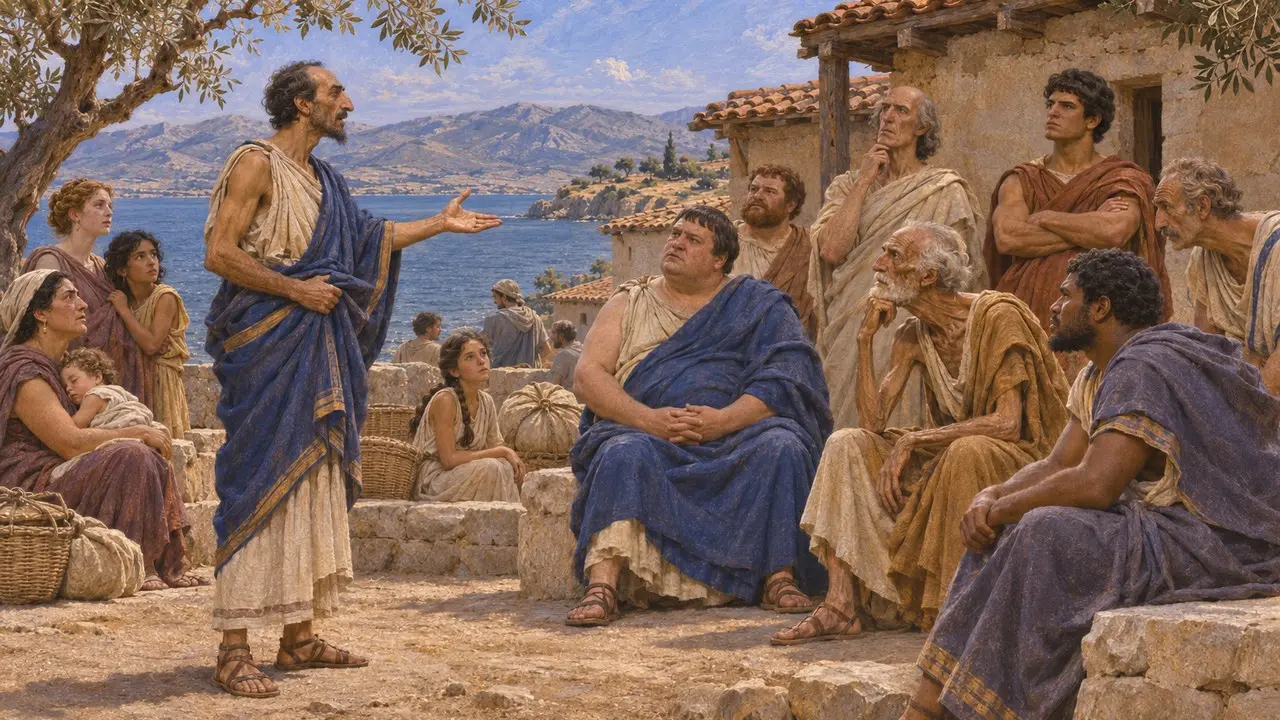
The offer brought to Salamis
Ancient accountHerodotus says that Alexander of Macedon brought Mardonius's offer to the Athenians in 479: the King would rebuild their temples, leave them free and in possession of their land if they became his allies. The Athenians refused. When Mardonius then marched on Attica, he sent an envoy named Murychides to the Athenians, who had again left their city and were on Salamis.
Herodotus 8.140-144, 9.4
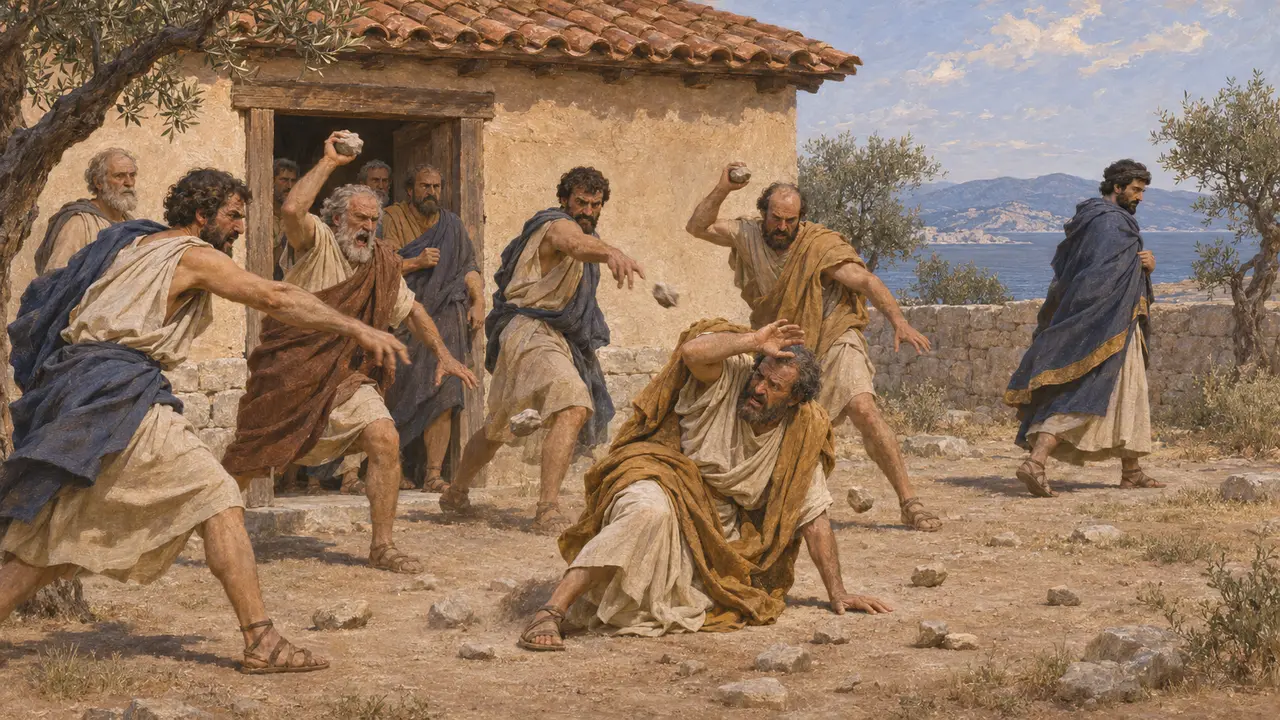
The proposal and the stoning
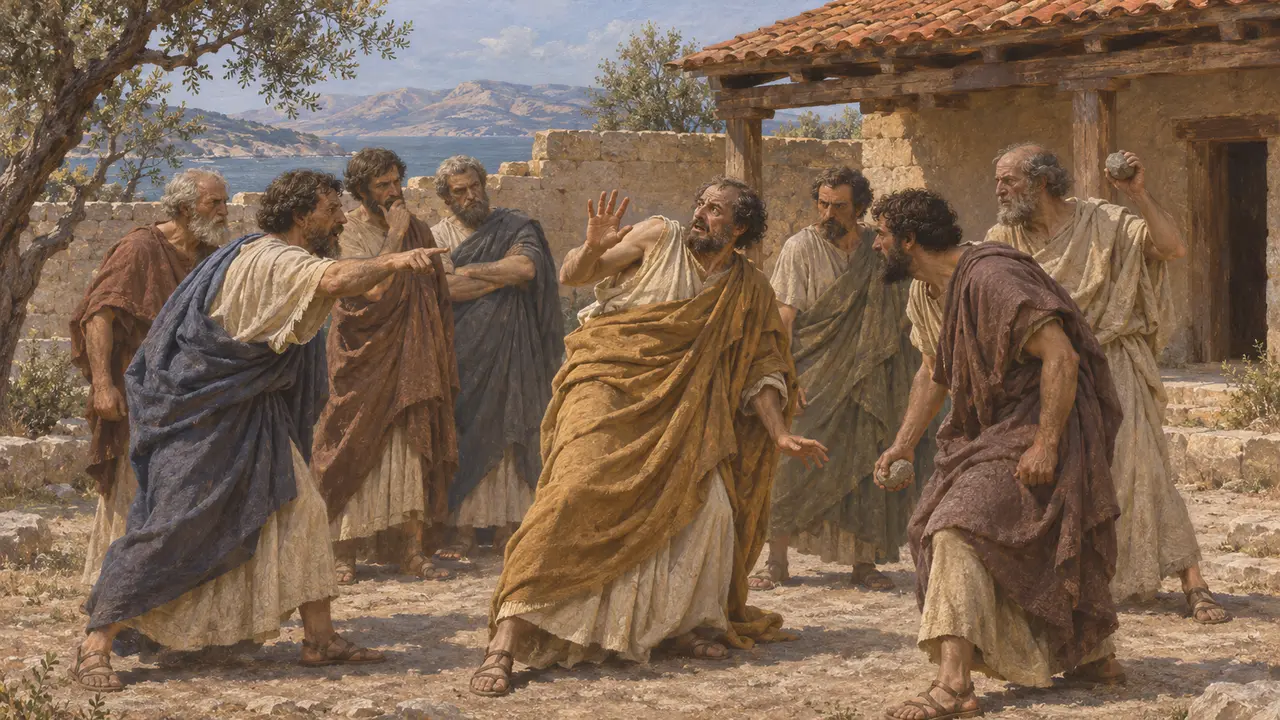
Ancient accountHerodotus says Lycidas, a councillor, gave it as his opinion that the council should accept the envoy's words and bring them before the assembly. The councillors and the Athenians gathered outside were enraged and stoned him to death. Murychides was sent back unharmed.
Herodotus 9.5
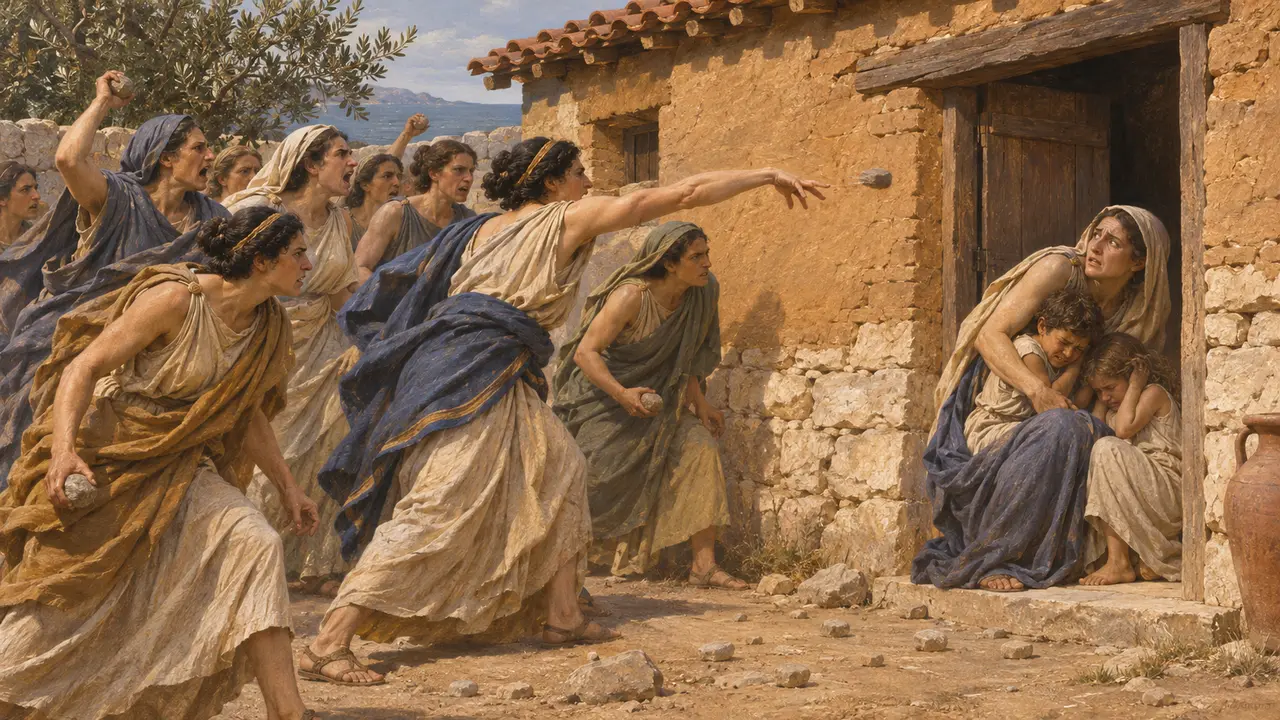
The fate of his family
Ancient accountHerodotus adds that the Athenian women, hearing of the uproar, went to the house of Lycidas on their own initiative and stoned his wife and children. He gives this as part of the same event and does not describe any trial or decree.
Herodotus 9.5
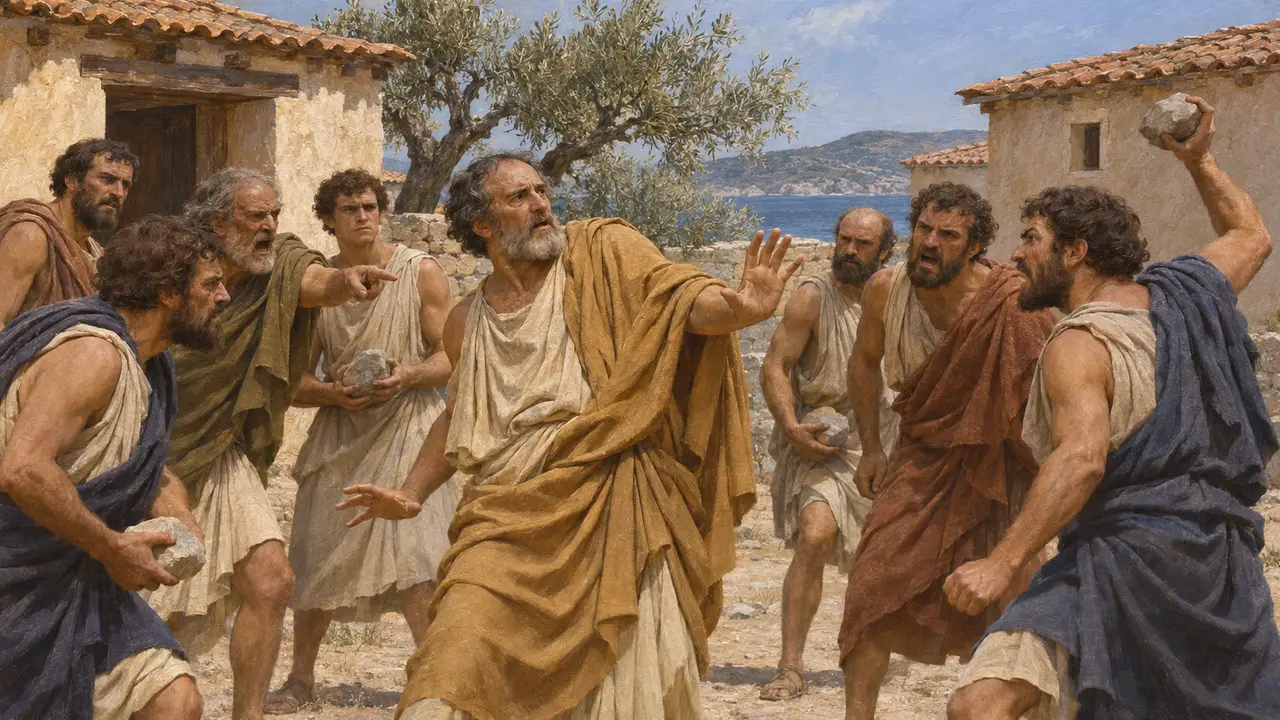
A different name in later orators
DisputedLater Athenian orators tell a similar story but name the man Cyrsilus and set it at the time of Xerxes' invasion, as in Demosthenes and Lycurgus. Herodotus is the earliest source and gives Lycidas. Historians cannot say whether the name and setting changed in retelling or whether the orators drew on another version. Demosthenes also says Cyrsilus was bribed, a charge Herodotus does not make.
Demosthenes 18.204; Lycurgus, Against Leocrates 122
What the episode shows
Ancient accountHerodotus uses the incident to show Athenian resolve while the Spartans delayed sending an army. It is told from the Greek side only, and no Persian document mentions Lycidas or the terms. Whether the story is exact in detail cannot be checked.
Herodotus 9.5
Sources
- Herodotus 9.4-5
- Herodotus 8.140-144
- Demosthenes 18.204
- Lycurgus, Against Leocrates 122
- Cicero, De Officiis
- P. Briant, From Cyrus to Alexander, 2002