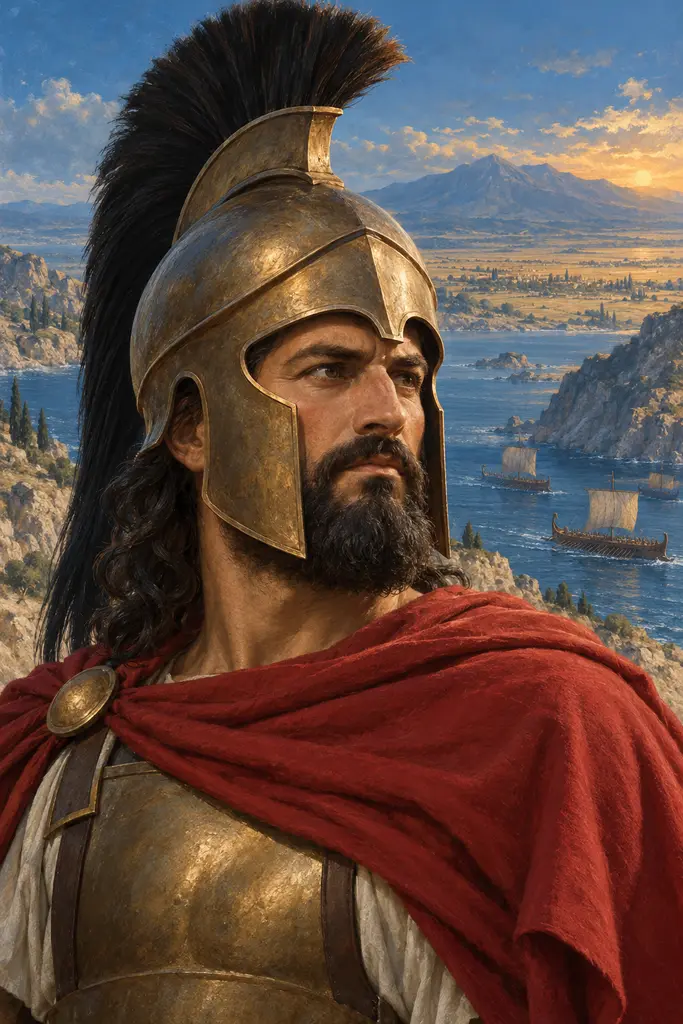
Pausanias
Spartan regent who led the Greek army at Plataea in 479 BCE; died about 470
In the game: Level 11: The Finale
Pausanias, son of Cleombrotus, was regent of Sparta for his young cousin Pleistarchus, the son of Leonidas. In 479 he commanded the allied Greek army that defeated Mardonius at Plataea and ended the Persian land invasion of Greece. Within a decade he was accused of plotting with Xerxes and was starved to death at a Spartan sanctuary.
In the game: The game's chronicle calls him regent for Leonidas's young son and commander of the largest Greek army at Plataea. This matches Herodotus, though the army's size rests on his figures.
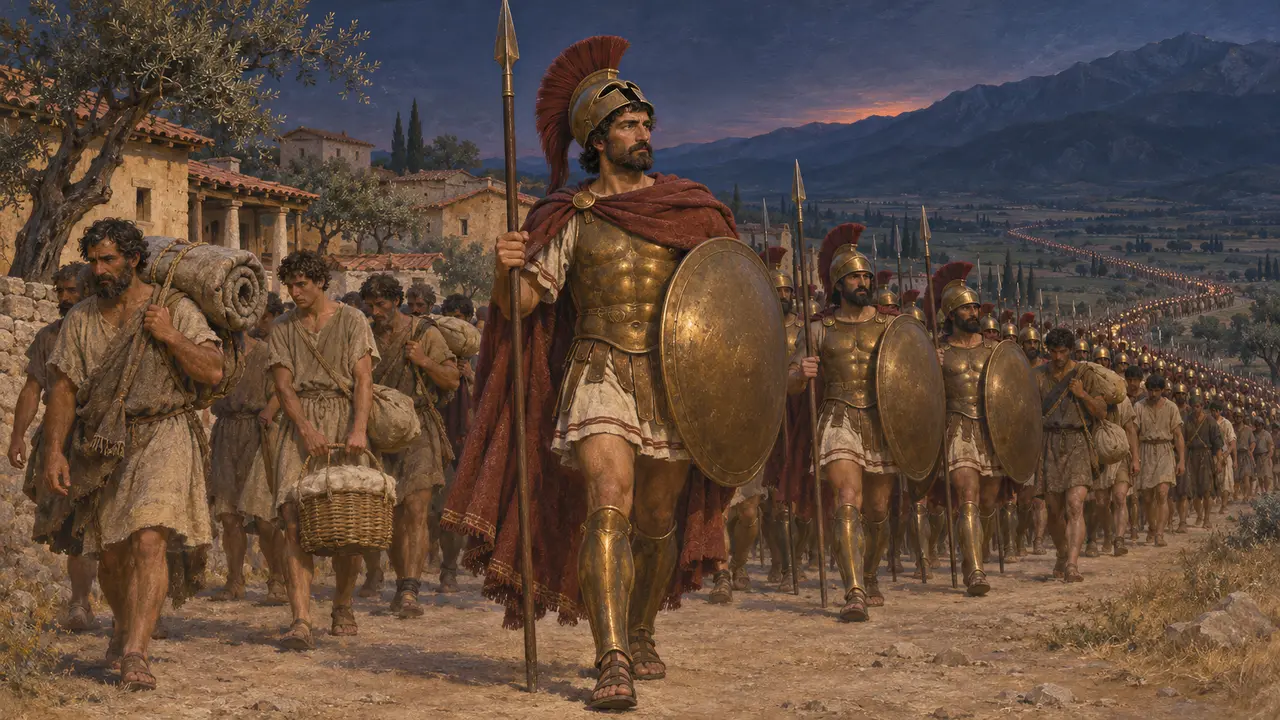
Regent for a boy king
Ancient accountHerodotus says Pausanias was the son of Cleombrotus and so a nephew of Leonidas, who had died at Thermopylae. Because Leonidas's son Pleistarchus was still a child, Pausanias acted as his guardian and took command. Herodotus reports that Sparta, pressed by the Athenians, sent out 5,000 Spartiates by night, each with seven helot attendants.
Herodotus 9.10-11
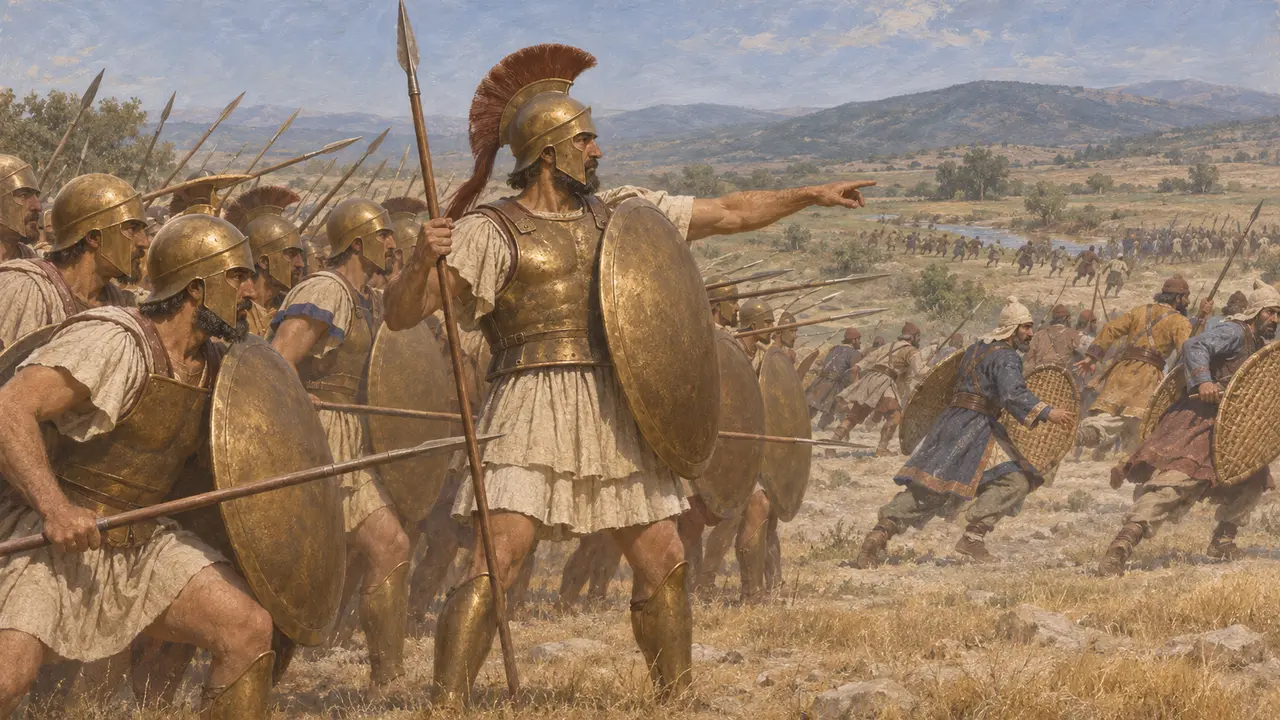
Commander at Plataea
Ancient accountHerodotus counts 38,700 hoplites and about 110,000 men in all on the Greek side. Many historians accept the hoplite total as roughly possible but doubt the large numbers of light troops and helots. After days of manoeuvre near the Asopus, a disordered night withdrawal left the Spartans and Tegeans exposed. Mardonius attacked, was killed, and his army broke.
Herodotus 9.28-64
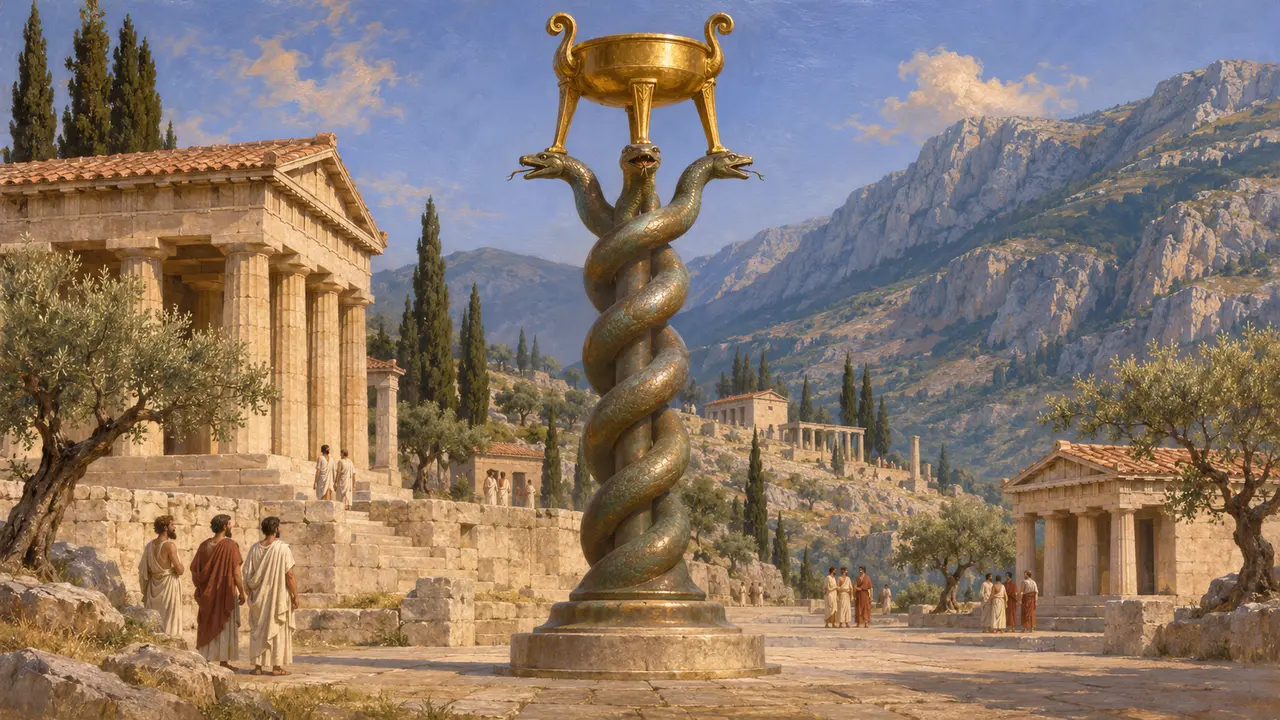
The Serpent Column
In the recordFrom the spoils of Plataea the Greeks dedicated a gold tripod at Delphi on a bronze column of three twisted serpents. The coils bear the names of the Greek states that fought the Persians, with no individual commander named. The bronze column still stands, damaged, in the old Hippodrome of Istanbul.
R. Meiggs and D. Lewis, A Selection of Greek Historical Inscriptions, no. 27
Byzantium and the charge of medism
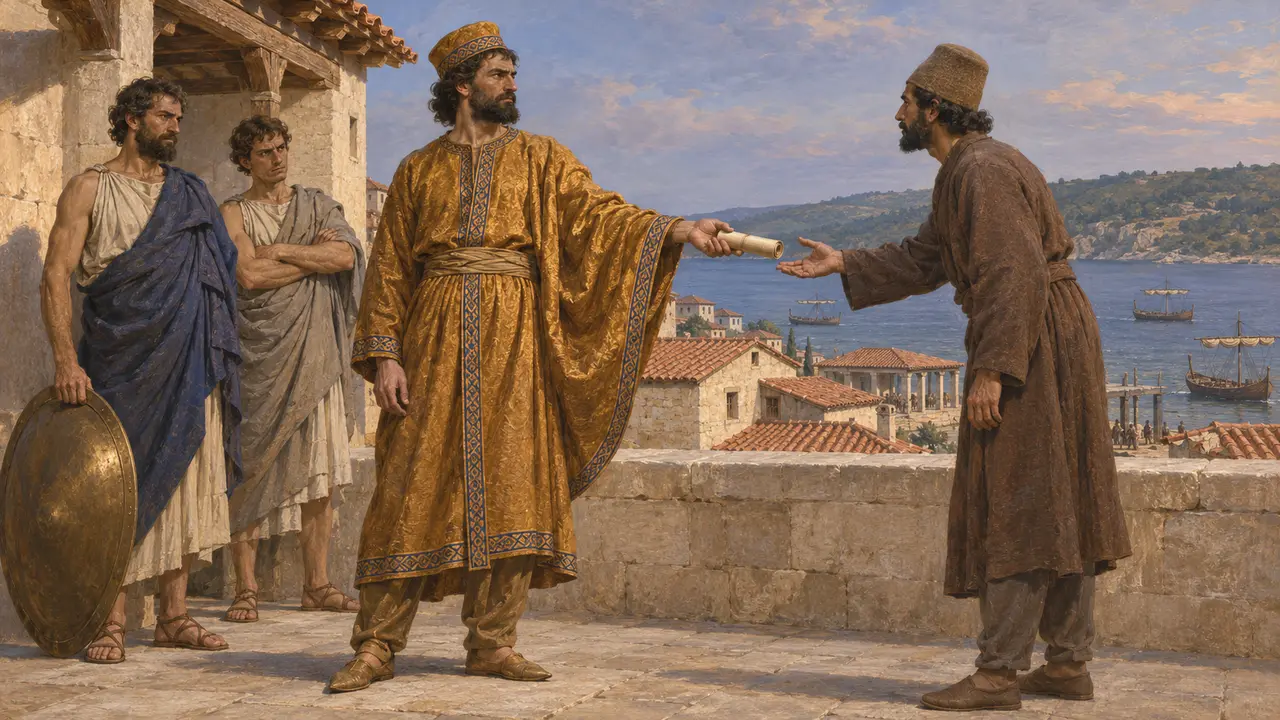
DisputedThucydides says Pausanias had a boastful verse naming himself carved on the Delphi tripod, and that at Byzantium he wore Persian dress and wrote to Xerxes offering to bring Greece under him. Recalled, he fled to the temple of Athena of the Bronze House, was walled in, and was carried out only as he was dying of hunger. Historians still argue whether the letters were genuine or the charges grew from Spartan and Athenian politics.
Thucydides 1.128-134
The two dinners
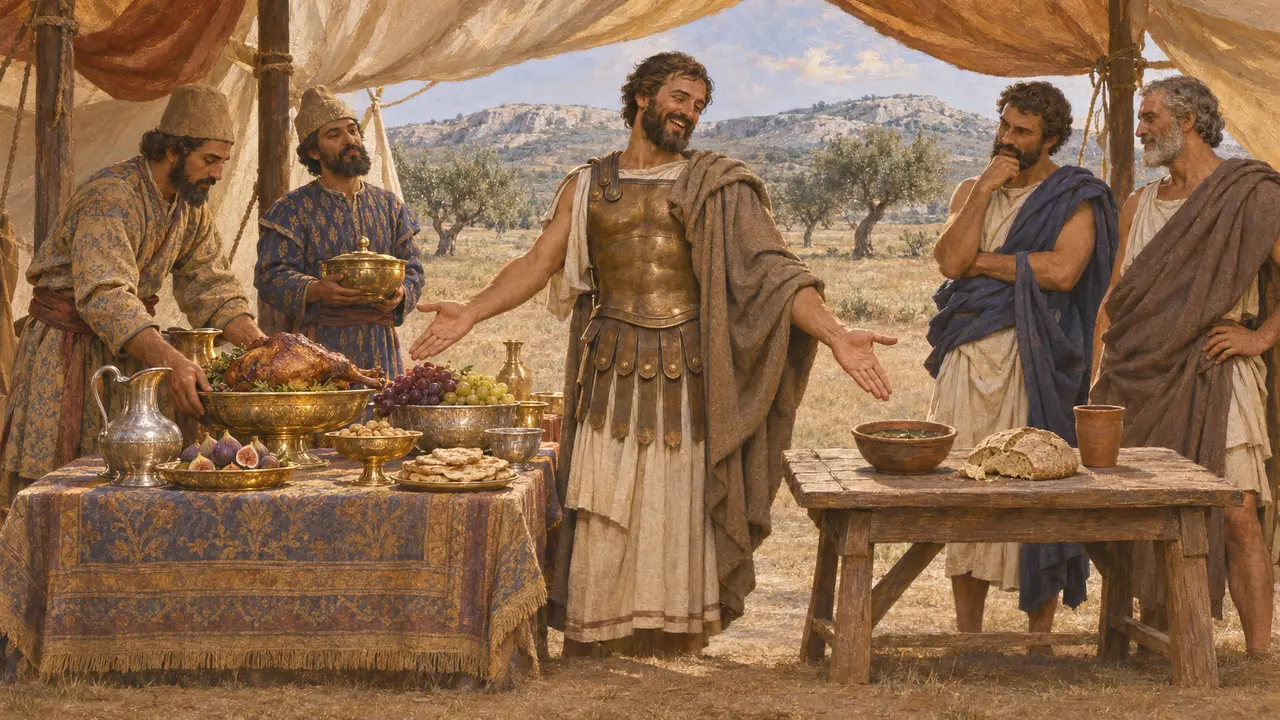
Later legendHerodotus tells that after the battle Pausanias had Mardonius's cooks prepare a Persian feast beside a plain Spartan meal, and laughed that men so rich had come to rob men so poor. In the same spirit he is said to have refused advice to mutilate Mardonius's body. Both tales read as moral lessons shaped by the storyteller.
Herodotus 9.78-82
Sources
- Herodotus, Histories, book 9
- Thucydides 1.94-95, 1.128-134
- R. Meiggs and D. Lewis, A Selection of Greek Historical Inscriptions, 1969
- J. F. Lazenby, The Defence of Greece 490-479 BC, 1993
- P. Briant, From Cyrus to Alexander, 2002