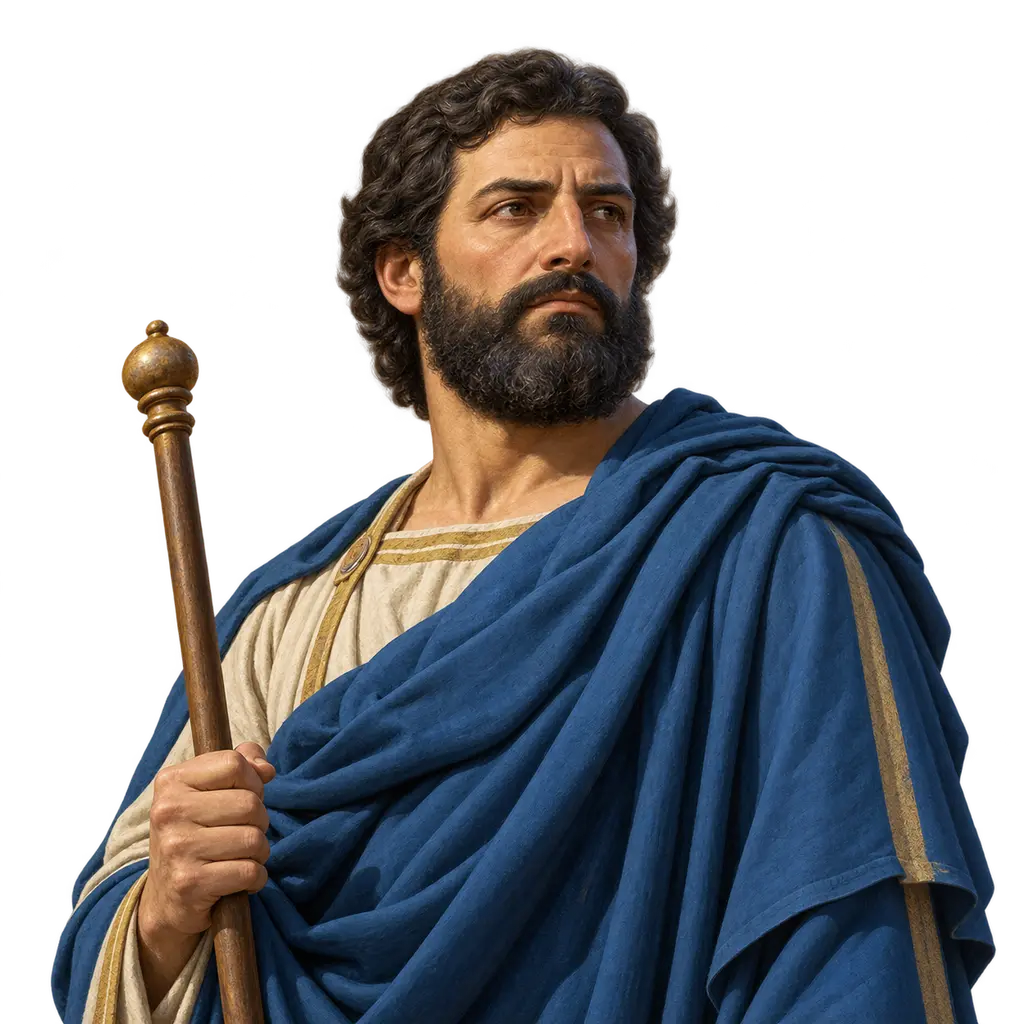
The Thebans
The people of Thebes in Boeotia, allies of Persia in 480-479 BCE
In the game: Level 10: The Hot Gates, Level 11: The Finale
Thebes was the leading city of Boeotia in central Greece. In 480 it gave earth and water to Xerxes. In 479 it became the chief Greek ally of Mardonius, whose army camped on Theban land and fought beside Theban hoplites and horsemen at Plataea. Its choice made Thebes a byword for medism among the victorious Greeks.
In the game: The game lists Thebes as a trade partner and fields Theban hoplites for Mardonius at Plataea, as Herodotus records. The trade role simplifies history: in 479 Thebes was an ally that housed and supplied the Persian army.
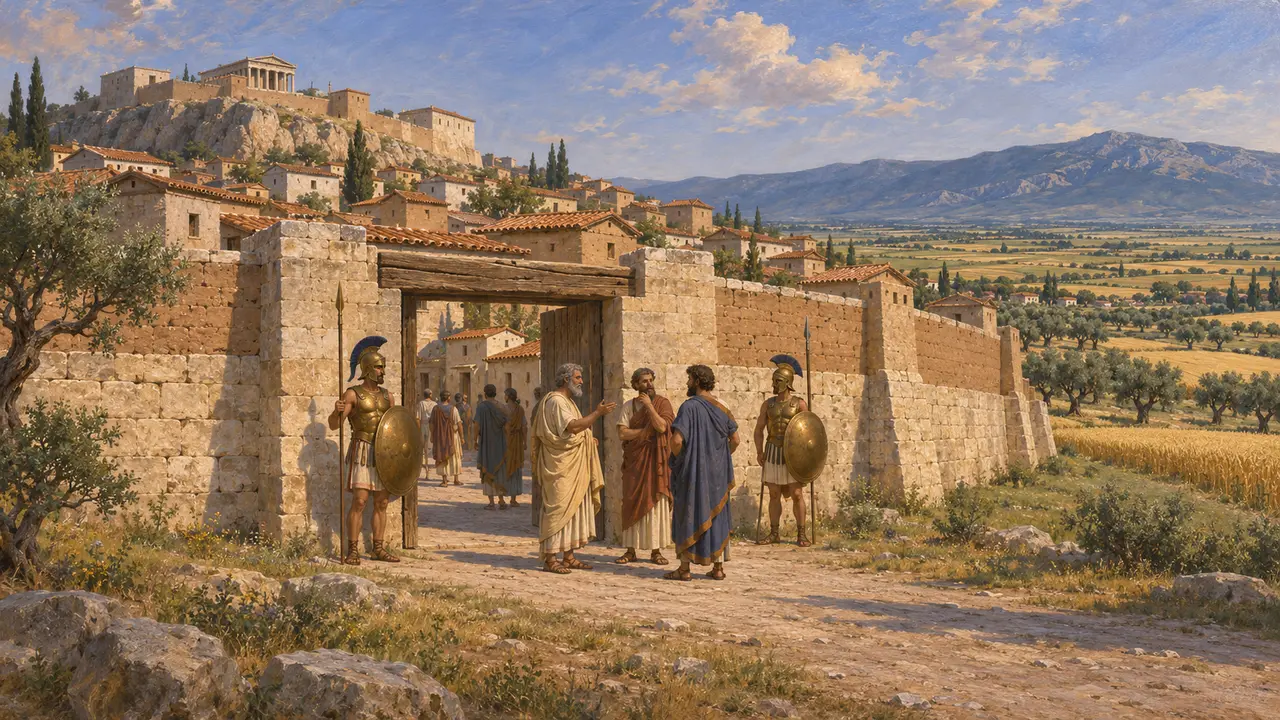
Leading city of Boeotia
Ancient accountThebes lay on the Boeotian plain north of Mount Cithaeron and led a league of Boeotian towns. Herodotus says that Plataea, under pressure from Thebes, put itself under Athenian protection, an alliance Thucydides dates to about 519. From then on Thebes and Plataea were bitter neighbours. Thebes was often at odds with Athens too, as in the failed Boeotian attack on Attica about 506.
Herodotus 6.108; Herodotus 5.74-77; Thucydides 3.68
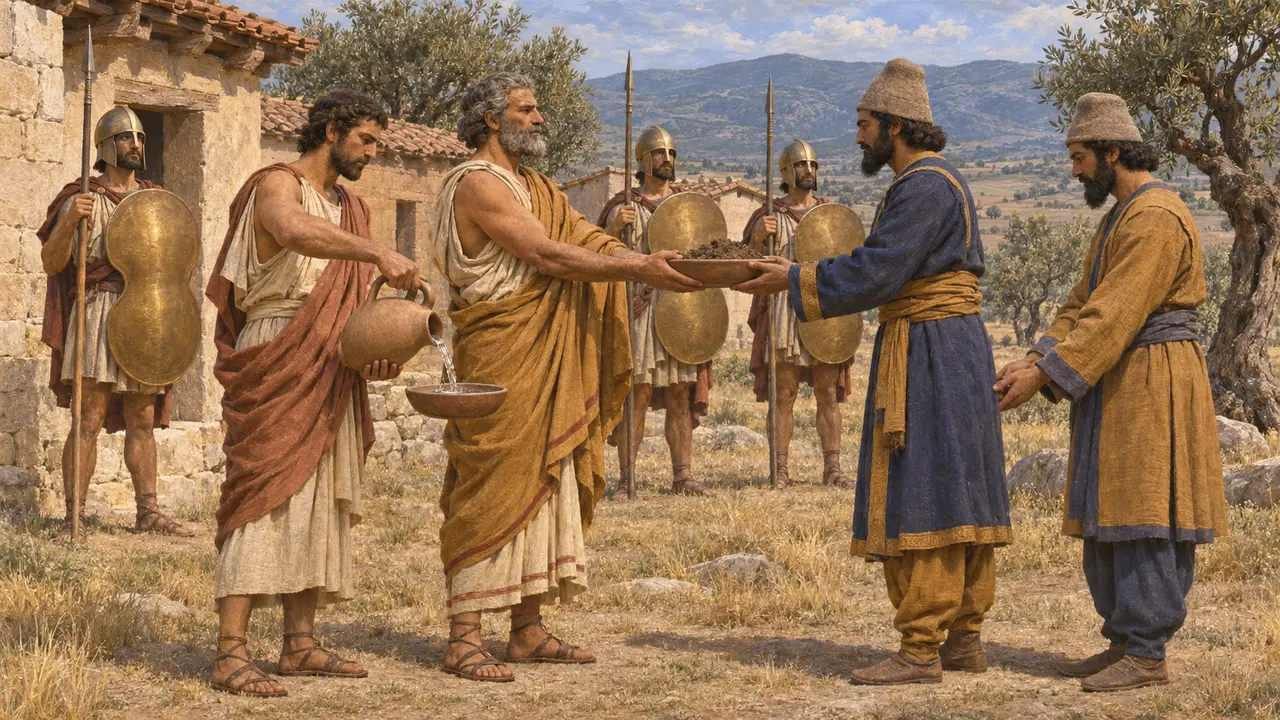
Earth and water, and Thermopylae
DisputedHerodotus lists the Thebans among the Greeks who gave earth and water to Xerxes' heralds. Yet 400 Thebans under Leontiades stood with Leonidas at Thermopylae. Herodotus says Leonidas kept them as hostages, and that at the end they surrendered to the Persians, who branded them. Plutarch, a Boeotian writing more than five centuries later, called this a slander on his people, and historians still debate where Theban loyalties lay in 480.
Herodotus 7.132; Herodotus 7.205; Herodotus 7.222; Herodotus 7.233; Plutarch, On the Malice of Herodotus
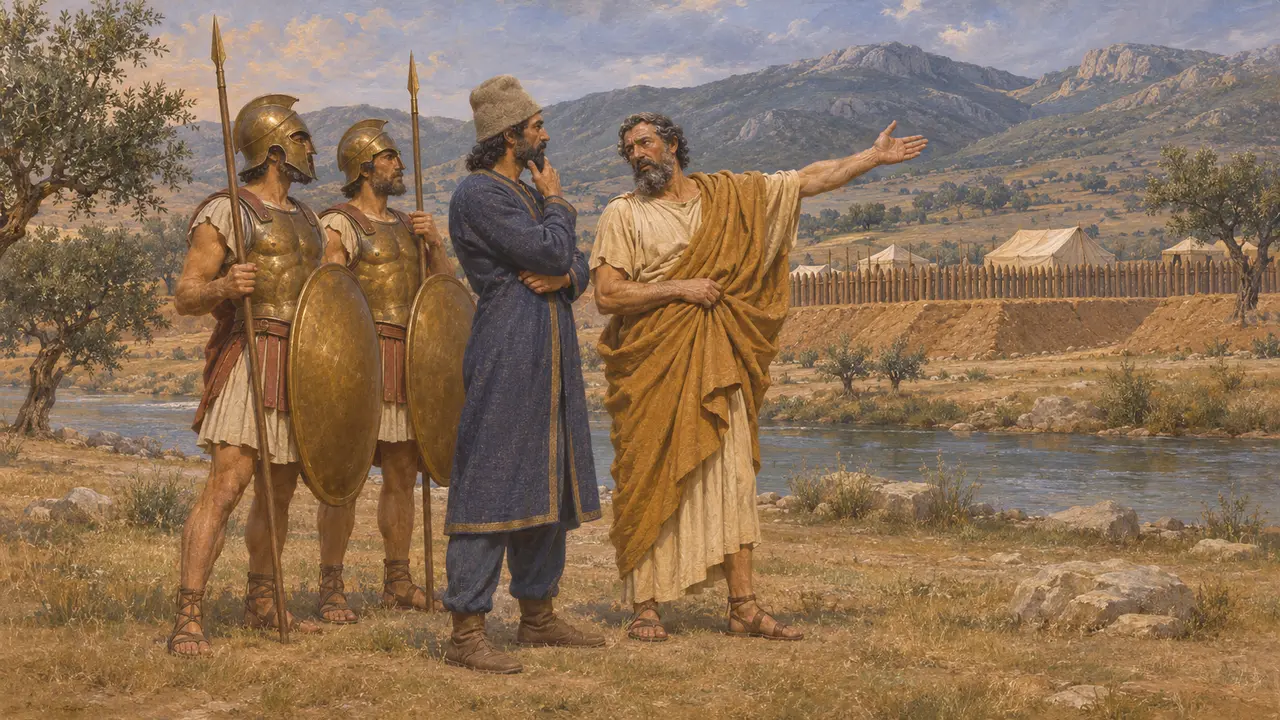
Mardonius's allies at Plataea
Ancient accountHerodotus says the Thebans urged Mardonius to stay in Boeotia and win over the Greek cities with bribes rather than battle. His fortified camp lay on Theban land by the Asopus. The Theban Timagenidas advised him to watch the passes of Cithaeron and cut off the Greek supply trains. In the battle the Theban hoplites fought the Athenians hard, and Herodotus says 300 of their foremost men fell.
Herodotus 9.2; Herodotus 9.15; Herodotus 9.38-39; Herodotus 9.67
Siege and the question of blame
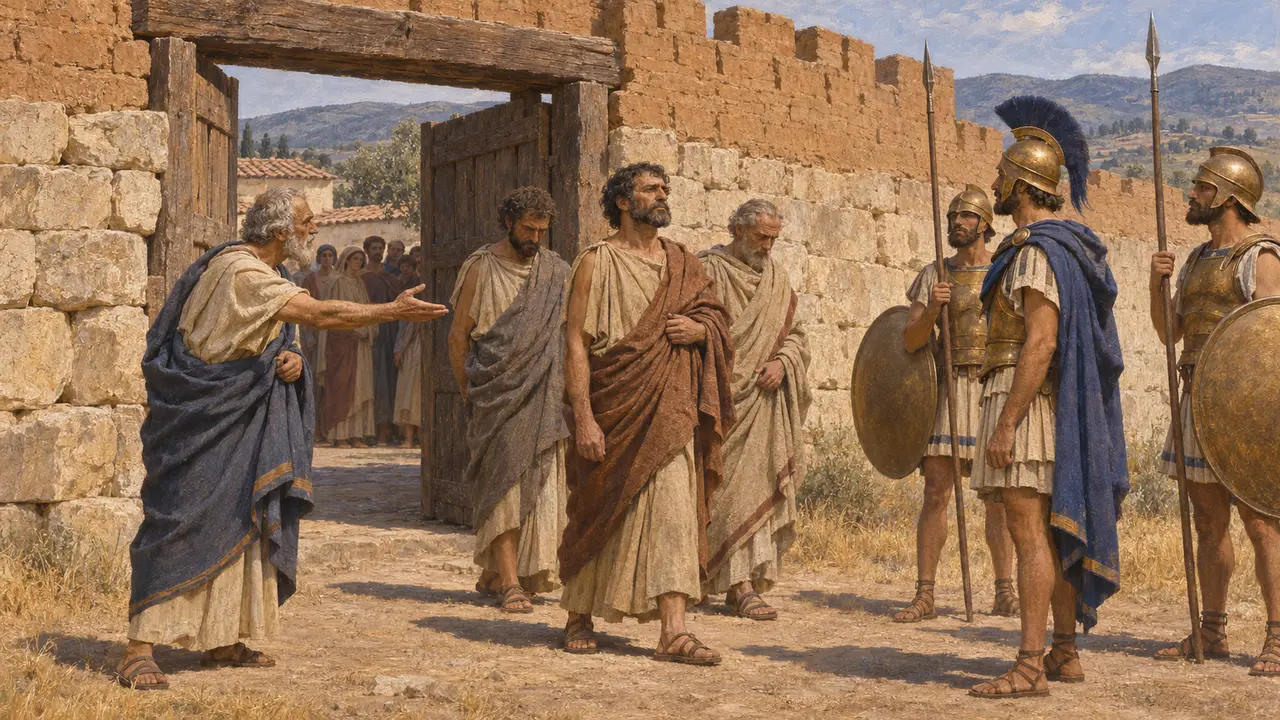
DisputedHerodotus says that eleven days after the battle the Greeks besieged Thebes and demanded the leaders of the Persian party, among them Timagenidas and Attaginus. Attaginus escaped, but the others were handed over, and Pausanias had them put to death at Corinth. In 427 Theban speakers in Thucydides blamed the Persian alliance on a narrow ruling clique, not the whole city. Modern scholars weigh this excuse against Herodotus, who presents the Thebans as eager allies of Persia.
Herodotus 9.86-88; Thucydides 3.62
Cadmus and the Phoenician letters
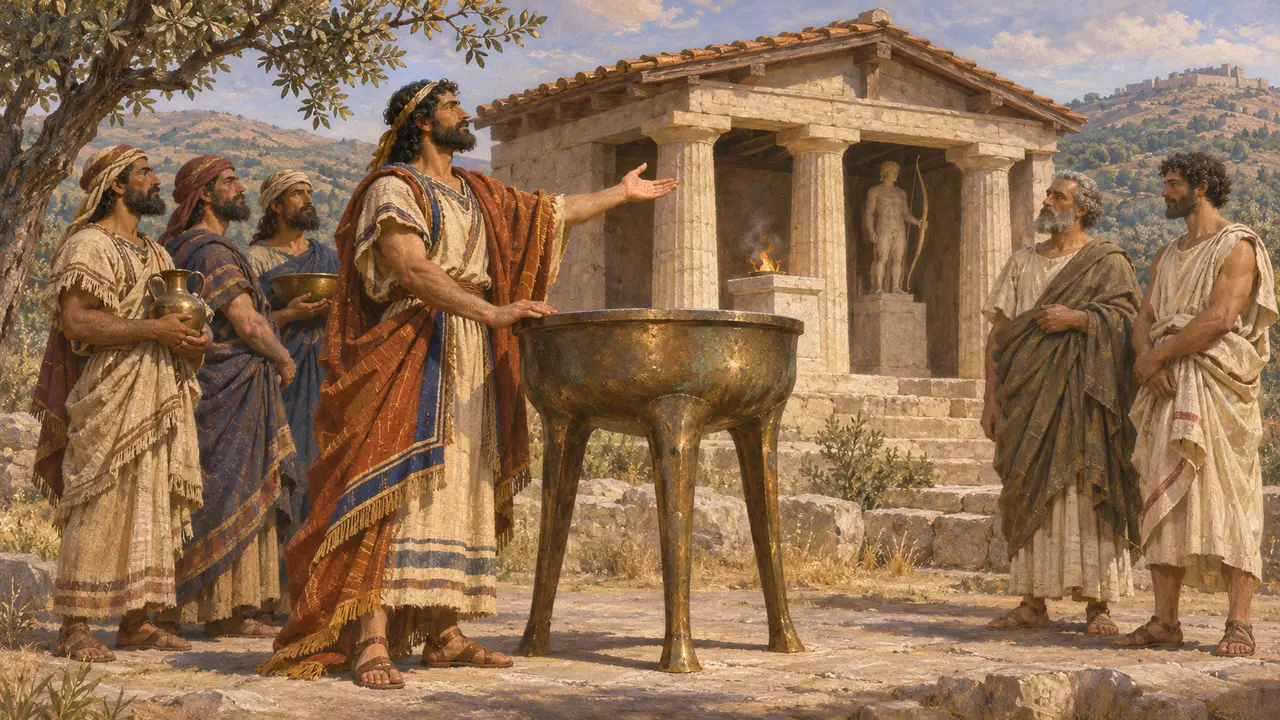
Later legendGreek tradition held that Thebes was founded by Cadmus, a Phoenician prince searching for his sister Europa. Herodotus says the Phoenicians who came with Cadmus brought letters to Greece, and that he saw old Cadmean writing on tripods in the temple of Ismenian Apollo at Thebes. These are origin stories, not a record of how the city began.
Herodotus 5.57-61
The emblem beside its name
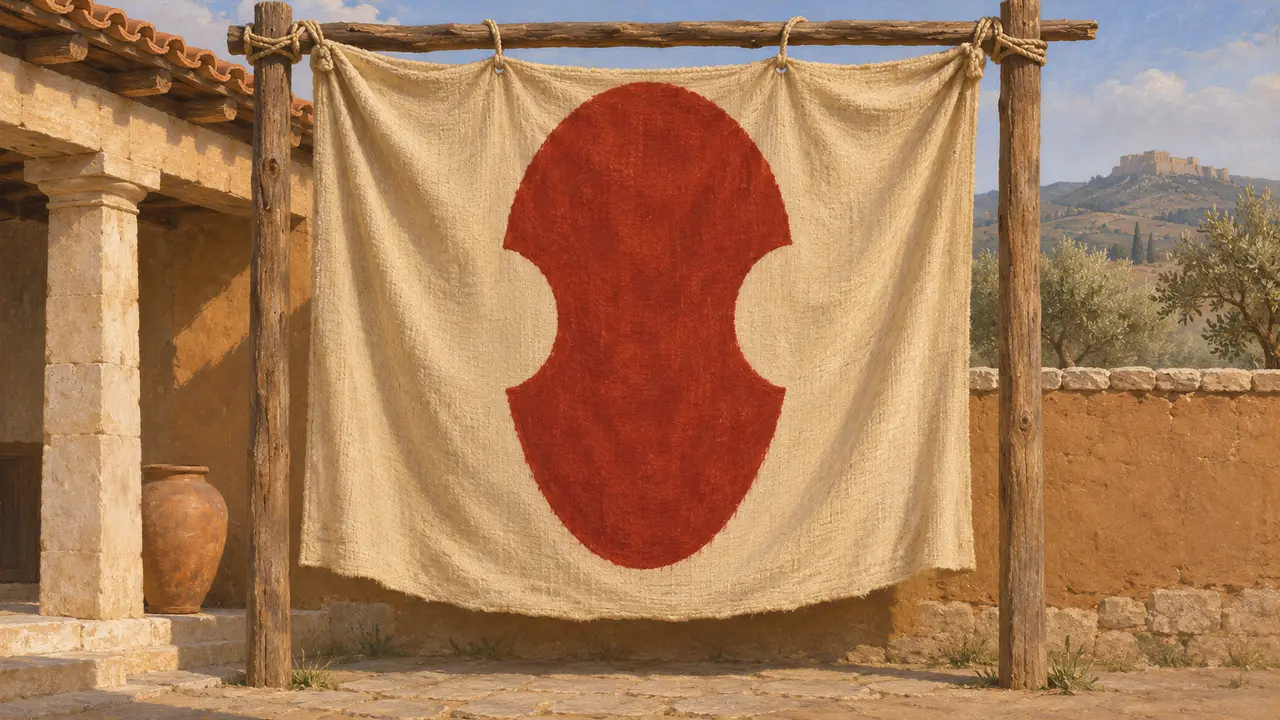
In the recordThebes carries the Boeotian shield, an oval with a cut-out on each side, with a theta on it, as on the city's coins. The shield was the sign of the Boeotian cities. In the game's Greek colours it is drawn in madder red on natural wool.
Head, Historia Numorum, Boeotia
Sources
- Herodotus, Histories, books 5-9
- Thucydides, book 3
- Plutarch, On the Malice of Herodotus
- R. J. Buck, A History of Boeotia, 1979
- N. Demand, Thebes in the Fifth Century, 1982