Encyclopedia › Soldiers and ships
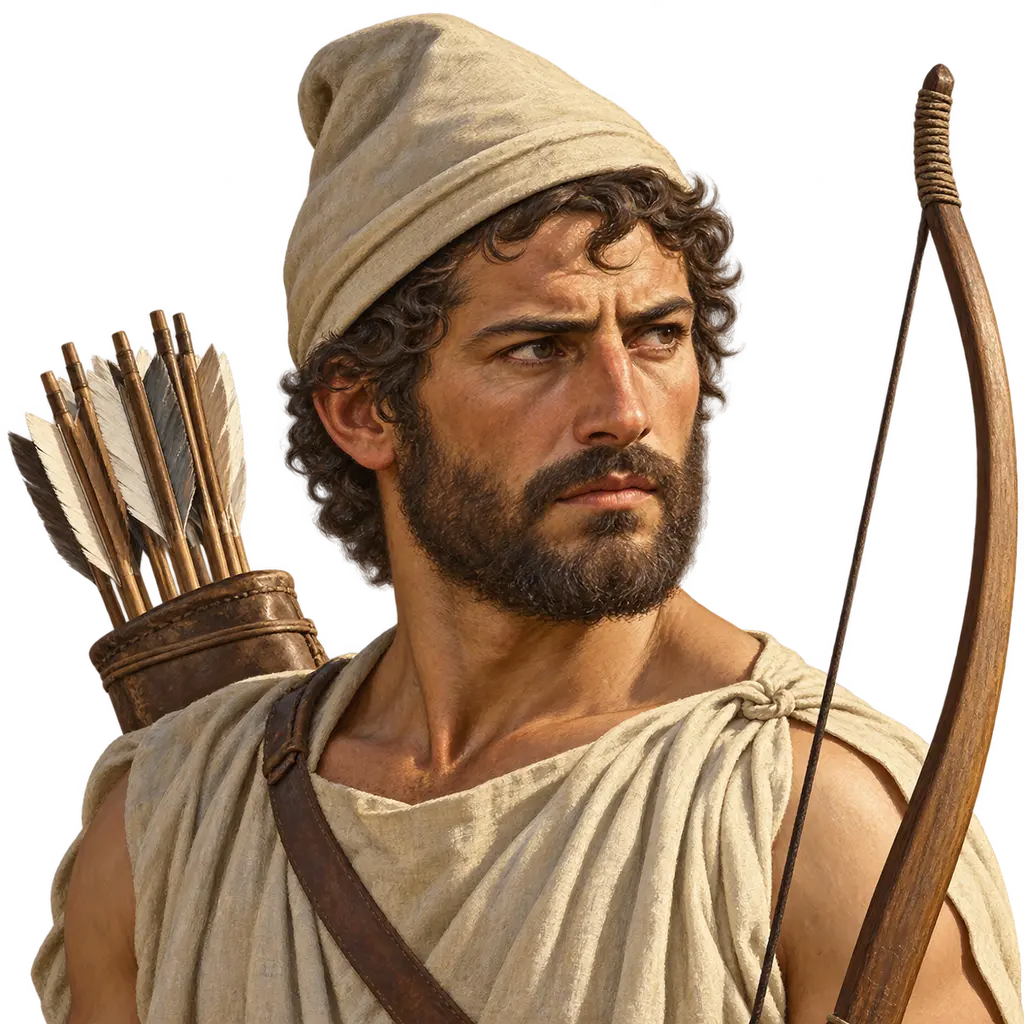
Greek archers and light troops
Bowmen, slingers and lightly armed men in Greek armies, about 499-479 BCE
In the game: Level 8: The Bay of Marathon, Level 11: The Finale
Greek city armies of this period were built around the hoplite, the heavily armoured spearman, and most cities had few trained archers. Light troops existed, often poorer citizens, slaves or helots, but Greek writers rarely describe them. Their small role helps explain why Persian archers and horsemen seemed so dangerous to the Greeks, though by 479 BCE Athens had bowmen of its own.
In the game: The game gives the raids Athenian archers, which its own note says is invented (Herodotus 6.112). Its Locrian and Boeotian bowmen serve the King: true of Plataea, but at Thermopylae the Locrians fought against him.
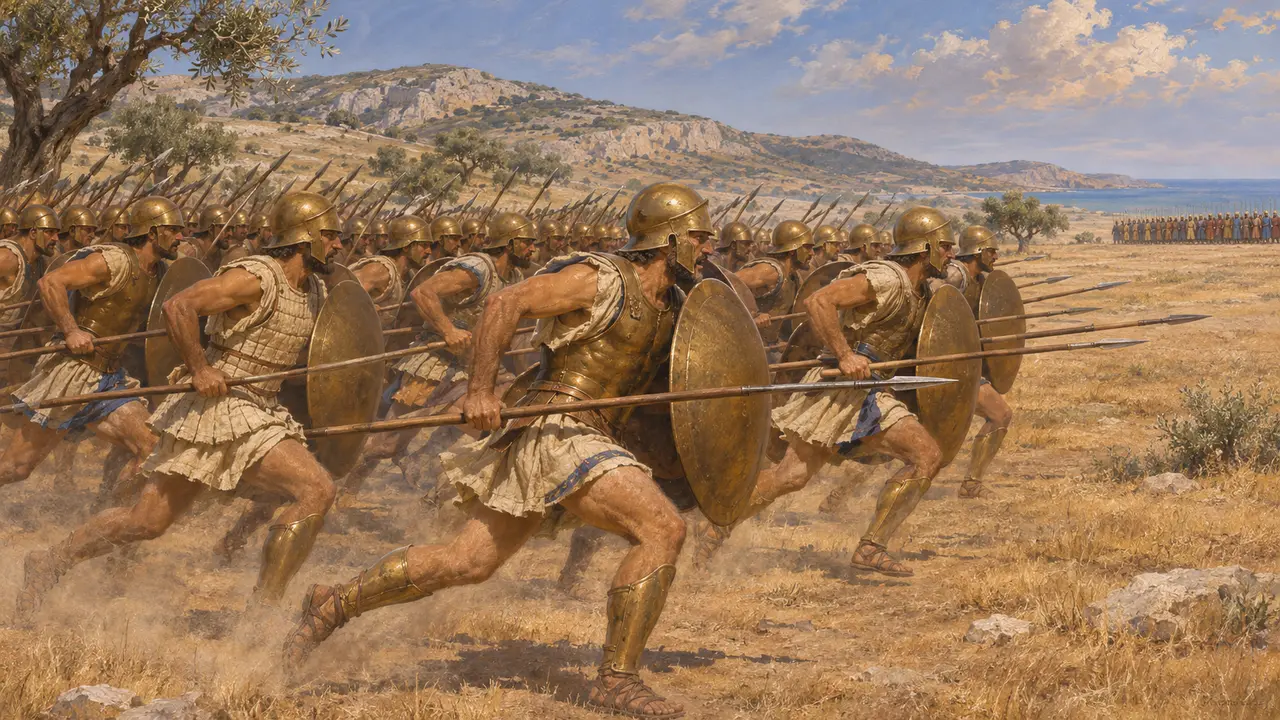
No archers at Marathon
Ancient accountHerodotus says that when the Athenians ran at the Persian line at Marathon in 490 BCE, the Persians thought them mad, because they were few and had neither horsemen nor archers. They fought as a phalanx of hoplites, with the Plataeans beside them. Herodotus does not mention archers among the Athenians who sailed to help the Ionians burn Sardis in 498 BCE either.
Herodotus 6.112; Herodotus 5.99-102
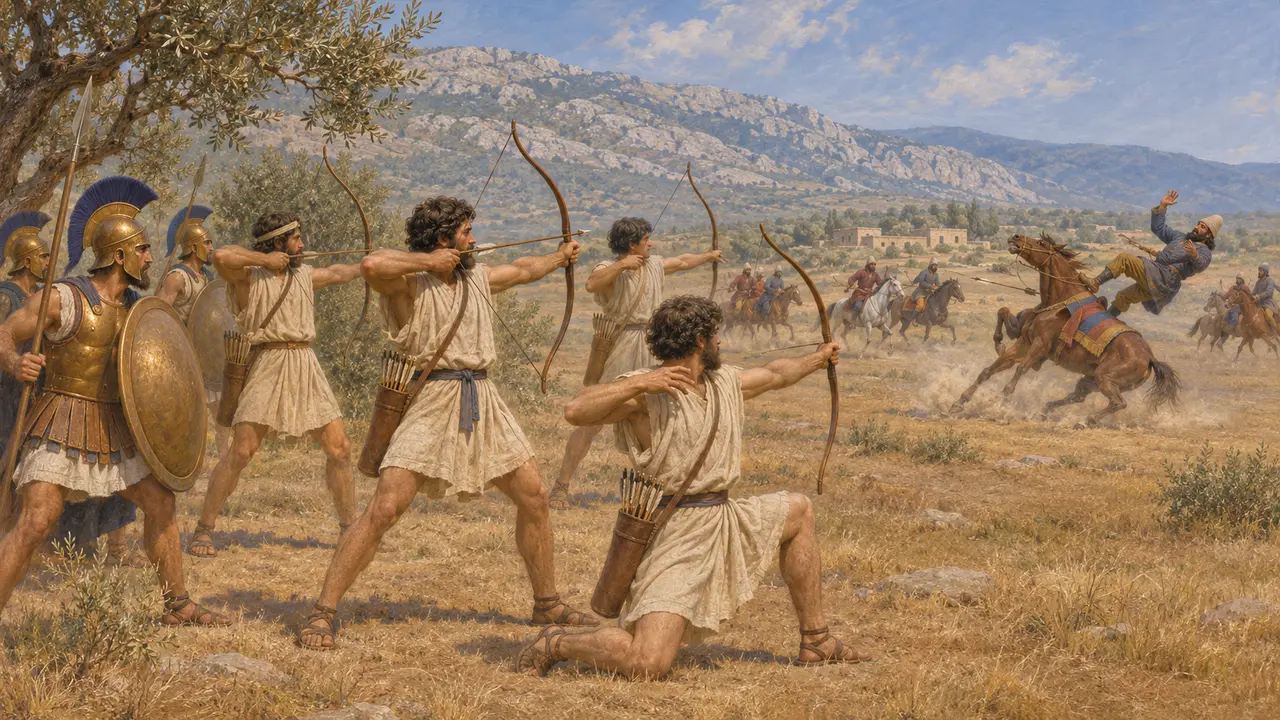
Athenian archers at Plataea
Ancient accountBy 479 BCE Athens had a body of archers. Herodotus tells how, when the Persian cavalry under Masistius pressed the Megarians, 300 picked Athenians under Olympiodorus went to help them, with the archers alongside. Masistius's horse was struck by an arrow and threw him, and he was killed. Plutarch later says each Athenian ship at Salamis carried four archers among its fighting men.
Herodotus 9.21-22; Plutarch, Themistocles 14
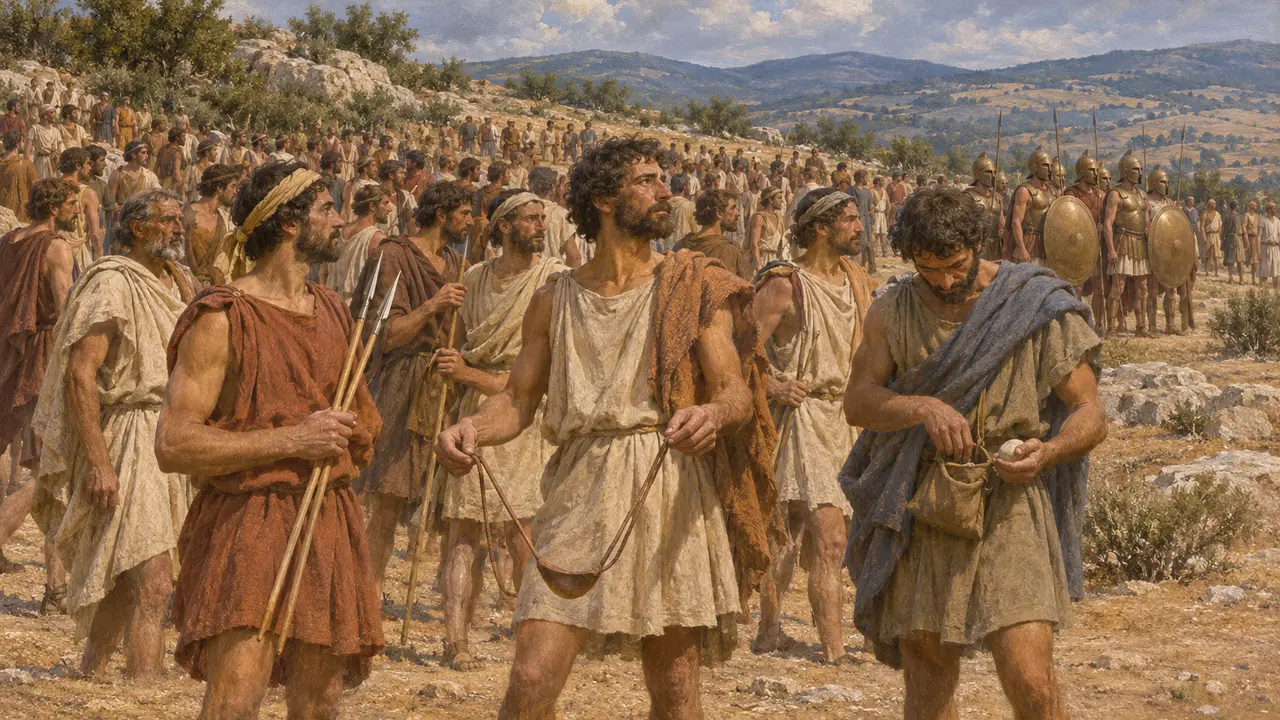
How many light troops
DisputedHerodotus says each Spartan citizen at Plataea was attended by seven armed helots, and he counts 69,500 light troops in the Greek army, more than the hoplites. Historians doubt these round figures, which look calculated rather than counted. Many, including van Wees, still think unarmoured men with javelins, slings or stones were present in large numbers even though the sources mostly ignore them.
Herodotus 9.28-30; H. van Wees, Greek Warfare: Myths and Realities, 2004
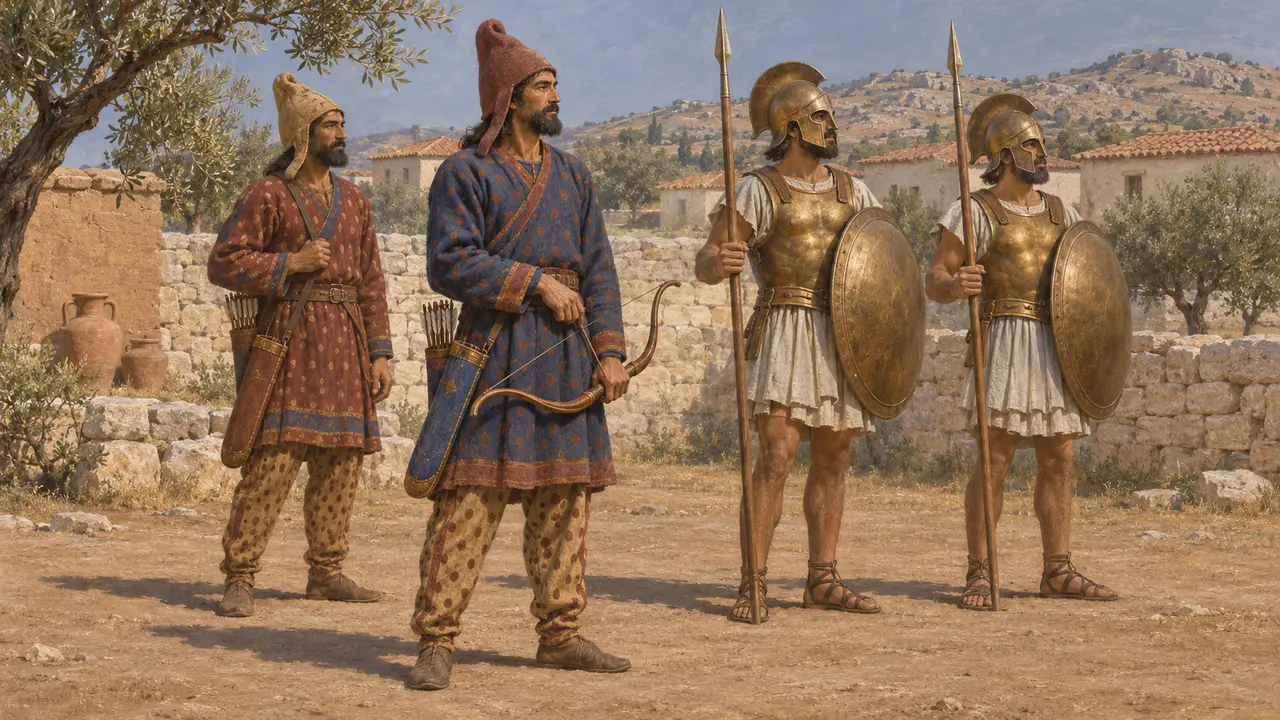
Archers in Scythian dress
DisputedAthenian vase paintings of about 530-490 BCE often show archers in Scythian caps and patterned trousers beside hoplites. Some scholars take them as real Scythian mercenaries hired by the tyrants of Athens. Others see them as an artistic type for any archer, or for heroes of myth. The paintings do not settle whether Athens kept foreign bowmen before the Persian Wars.
M. F. Vos, Scythian Archers in Archaic Attic Vase-Painting, 1963
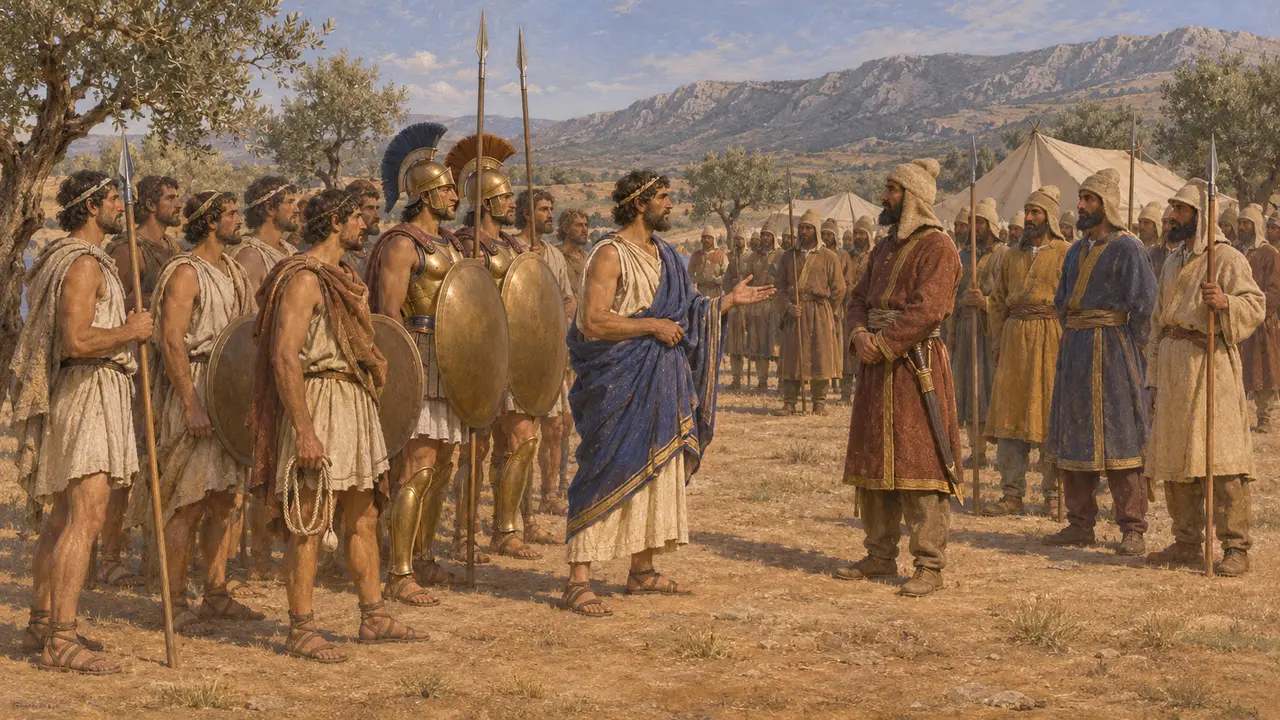
Greeks on the King's side
Ancient accountIn 480 BCE the Opuntian Locrians sent their whole force to hold Thermopylae against Xerxes. The Thessalians had already gone over to him. After the pass fell, Herodotus says the Locrians, Malians and most Boeotians joined the Persians too. He lists them among the Greeks who fought for Mardonius at Plataea, with the Thebans most committed, but he does not say which of these men were archers.
Herodotus 7.203; Herodotus 8.66; Herodotus 9.31
Sources
- Herodotus 6.112
- Herodotus 9.21-31
- Herodotus 7.203
- Plutarch, Themistocles 14
- H. van Wees, Greek Warfare: Myths and Realities, 2004
- M. F. Vos, Scythian Archers in Archaic Attic Vase-Painting, 1963