Encyclopedia › Battles and events
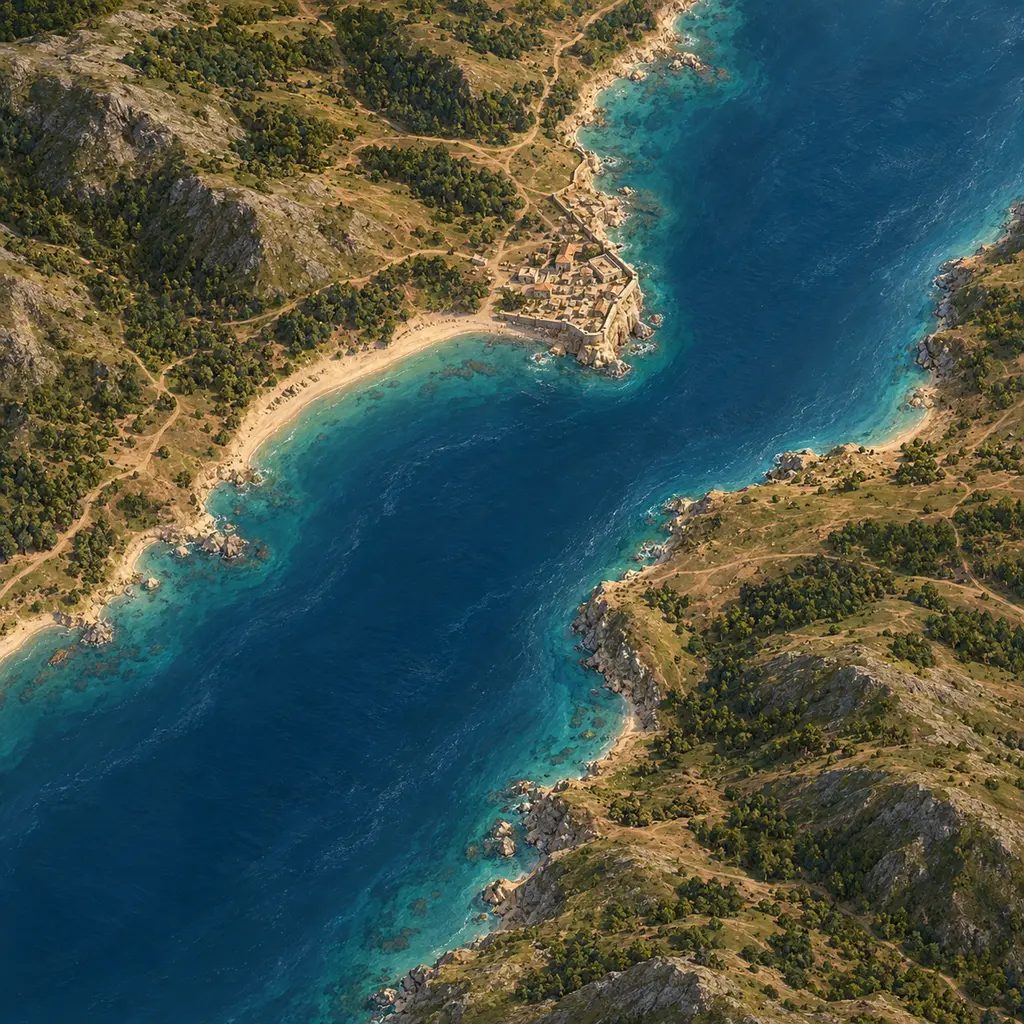
The siege of Sestos
Athenian siege of the Persian stronghold on the Hellespont, 479-478 BCE
In the game: Level 11: The Finale
After the Greek victory at Mycale in 479, an Athenian force besieged Sestos, the strongest Persian-held town on the European shore of the Hellespont. Its fall through famine broke the King's hold on the crossing Xerxes had used in 480. It is the last campaign Herodotus narrates in his Histories.
In the game: The game follows Herodotus: Xanthippus's Athenians starve out Sestos, the Persians flee by night, Artayctes dies and the cables go home. It leaves out the Ionian and Hellespontine allies that Thucydides adds.
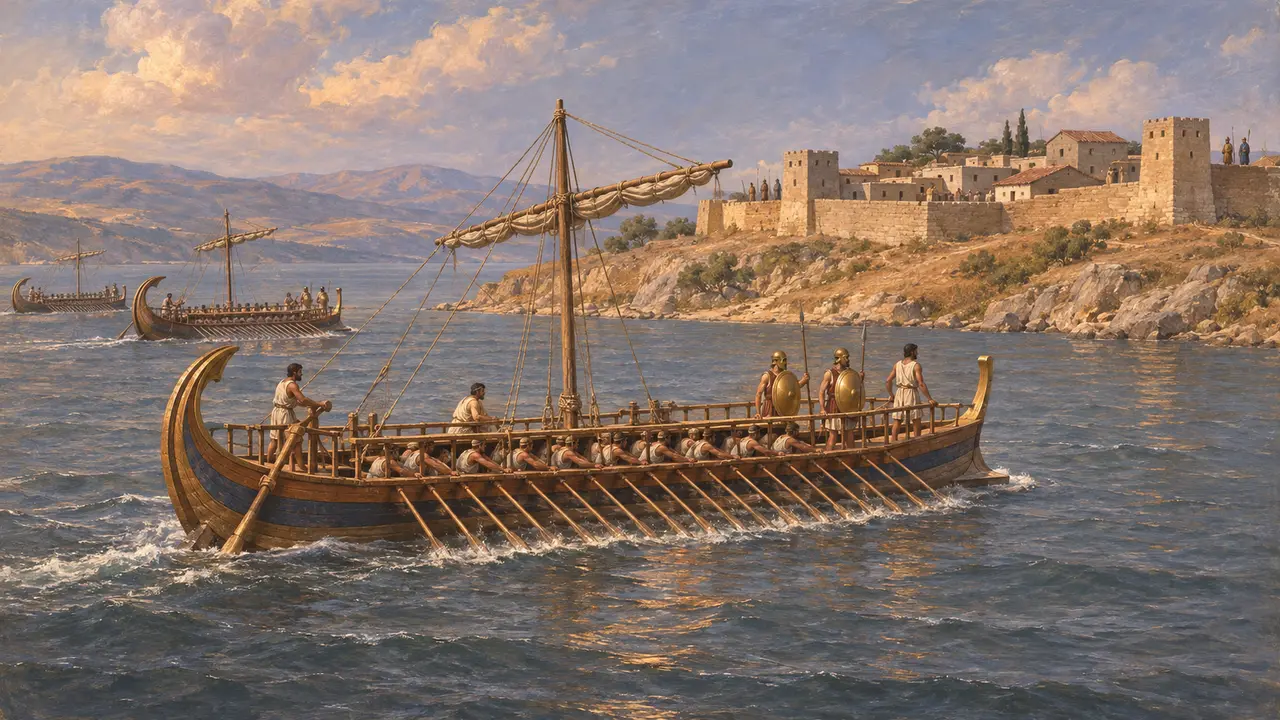
The fleet at the Hellespont
Ancient accountHerodotus says the Greek fleet sailed from Mycale to Abydos to break Xerxes' bridges and found them already broken. Leotychides and the Peloponnesians went home. The Athenians under Xanthippus stayed, crossed to the Chersonese and besieged Sestos, the strongest place in the region. Persians from the nearby towns had gathered there, among them Oeobazus, who had brought the bridges' cables from Cardia.
Herodotus 9.114-115
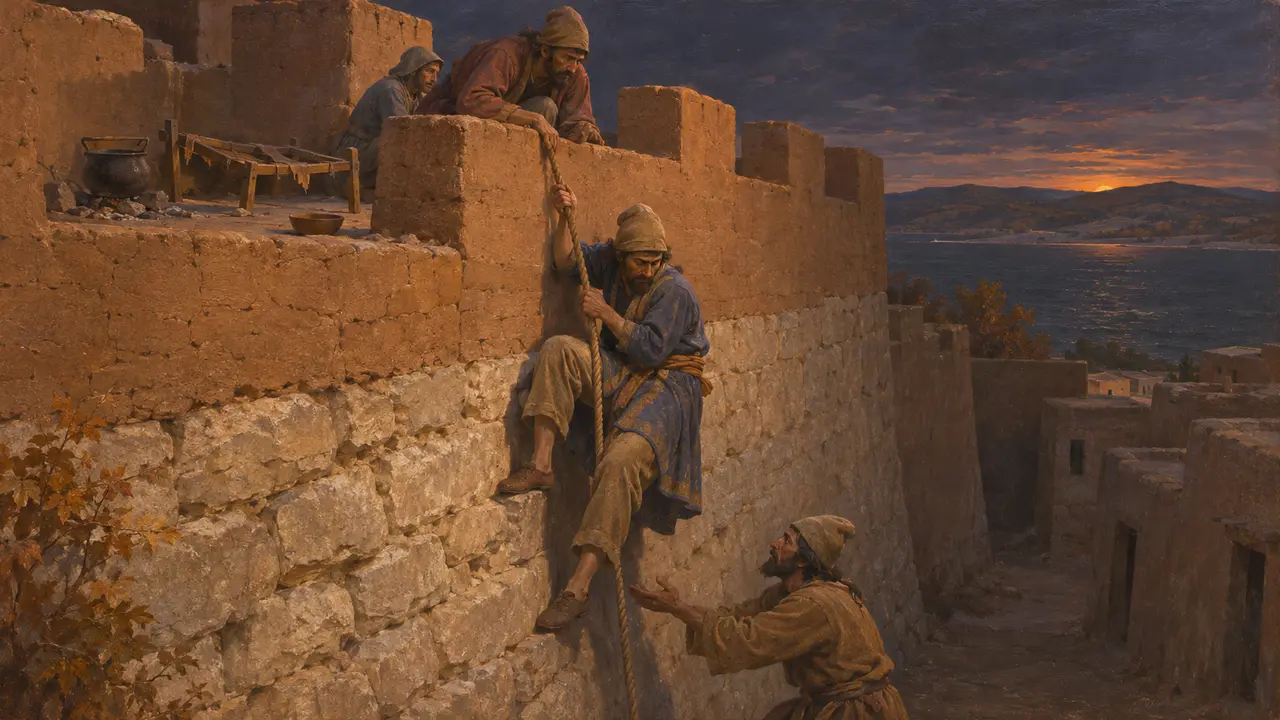
Famine and the night escape
Ancient accountHerodotus says the siege dragged into autumn. The Athenian soldiers asked to go home, but their generals refused until the city fell or Athens recalled them. Inside, the defenders were reduced to boiling and eating the leather straps of their beds, until by night the Persians climbed down the least guarded part of the wall and the townspeople opened the gates. Oeobazus fled into Thrace, where Apsinthian Thracians sacrificed him to their god Pleistorus.
Herodotus 9.117-119
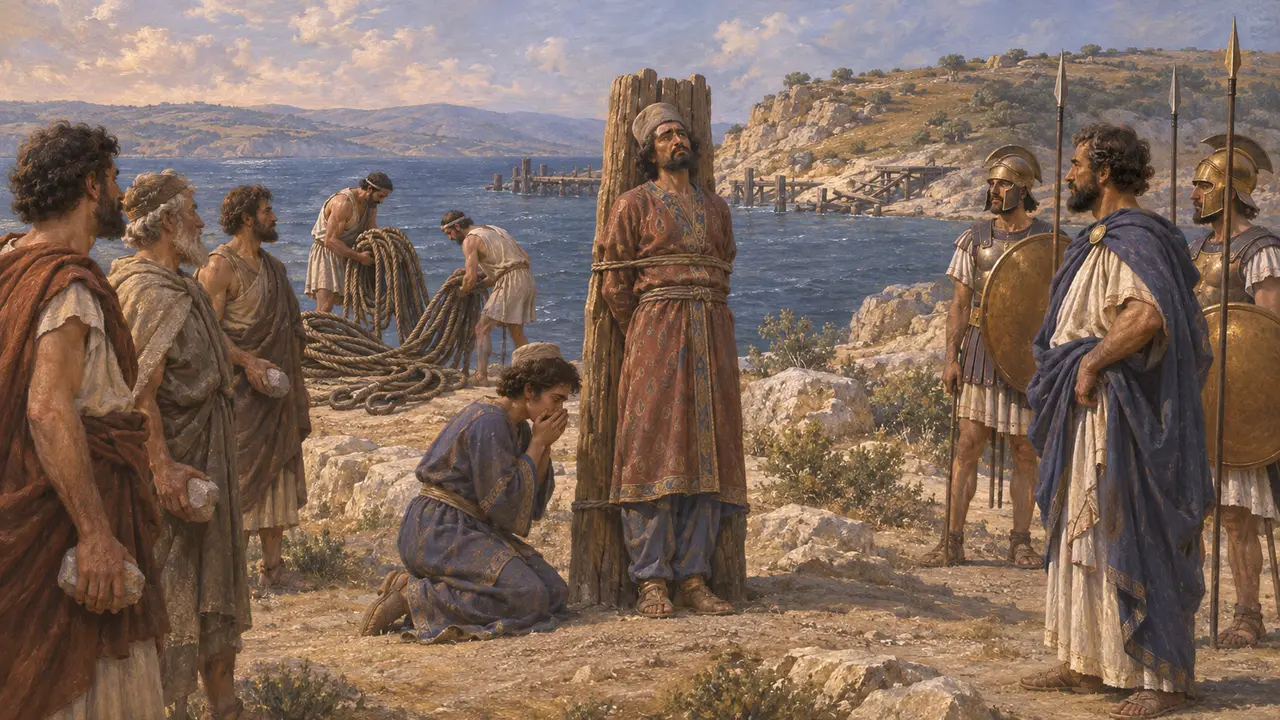
Artayctes and the shrine of Protesilaus
Ancient accountHerodotus says Artayctes, Xerxes' governor of Sestos, had robbed the shrine of the hero Protesilaus at Elaeus after tricking the King into granting him the house of a Greek invader. Caught near Aegospotami, he offered a ransom, but the people of Elaeus wanted revenge. Xanthippus had him nailed to planks on the headland where the bridges had landed, and his son stoned before him. The Athenians took the bridges' cables home to dedicate in temples.
Herodotus 9.116, 9.118-121; 7.33
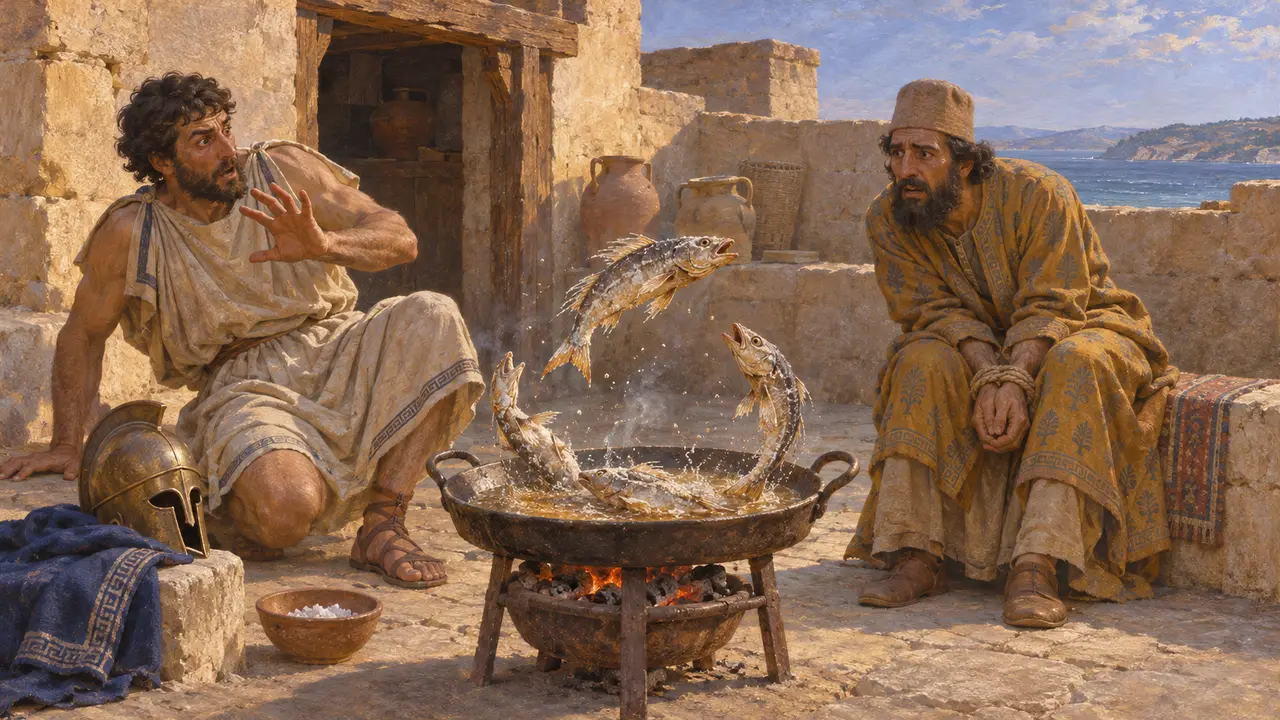
The salted fish
Later legendHerodotus tells that while Artayctes was held prisoner, salted fish leapt and writhed in a guard's pan as if just caught. Artayctes is said to have taken it as a sign that Protesilaus, though dead and dried like the fish, still had the power to punish the wrong done to him. The story turns his death into the revenge of a hero rather than a plain act of war.
Herodotus 9.120
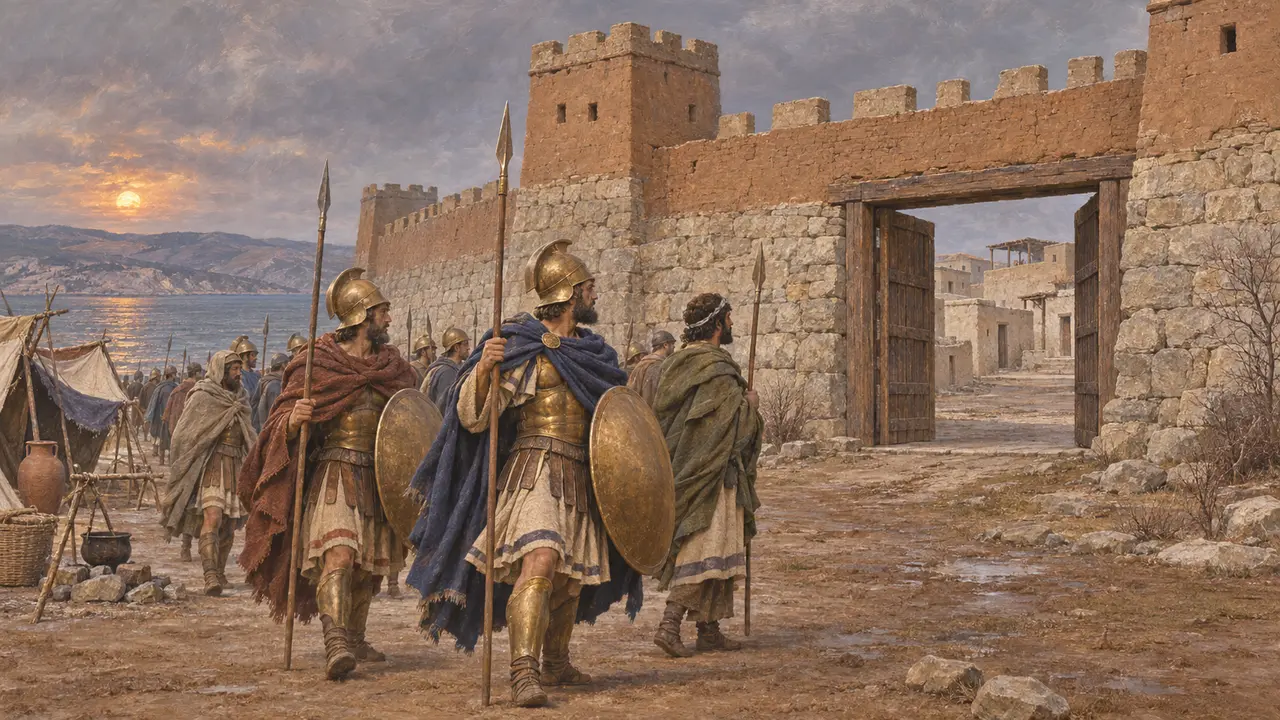
Who besieged Sestos, and when
DisputedThucydides adds that the Athenians were joined by allies from Ionia and the Hellespont who had already revolted from the King. He says they wintered before Sestos and took it once the Persians abandoned it, so the fall may belong to the winter of 479-478, while Herodotus speaks only of autumn. Historians also note that Herodotus shaped his ending around Persian impiety punished, and no Persian source gives Artayctes' side.
Thucydides 1.89; D. Boedeker, Protesilaos and the End of Herodotus' Histories, 1988
Sources
- Herodotus 9.114-122
- Thucydides 1.89
- Herodotus 7.33-36
- D. Boedeker, Protesilaos and the End of Herodotus' Histories, 1988
- P. Briant, From Cyrus to Alexander, 2002