
Oeobazus
Persian at Sestos in 479 BCE who held the bridge cables and died in Thrace
Oeobazus was a Persian at Sestos on the Hellespont when the Greeks besieged it in the autumn and winter after Plataea. Herodotus is the main source for him, and he records him in connection with the cables of Xerxes' bridges and with a sacrifice among the Thracians. He was not the governor of the town; that was Artayctes.
In the game: Oeobazus appears only in the event articles on the siege of Sestos and the Hellespont bridges, and has no mechanic of his own. Herodotus makes Artayctes the governor of Sestos, not Oeobazus.
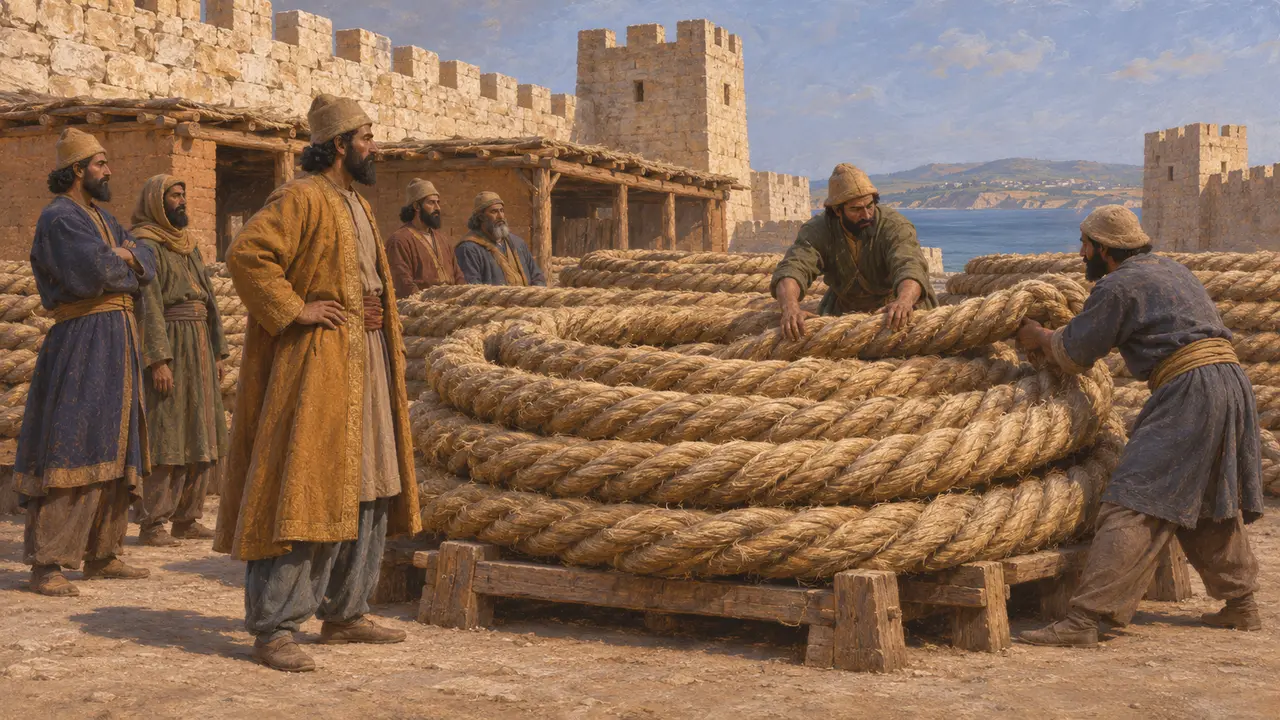
The cables at Sestos
Ancient accountHerodotus says that Sestos was the strongest place on the Hellespont and that Persians and their allies gathered in it when the Greek fleet came after Mycale. Among them was Oeobazus, who had brought the cables of the bridges there from Cardia. The cables were the heavy ropes that had held Xerxes' bridges in place.
Herodotus 9.115
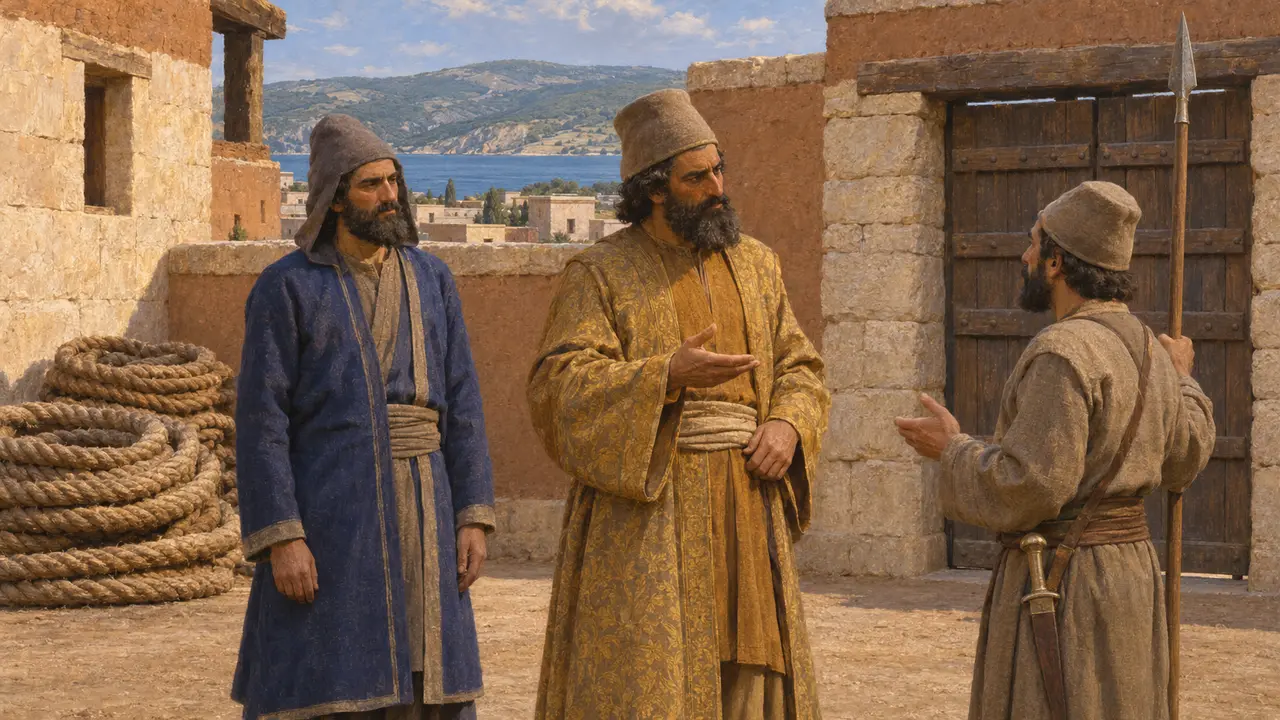
Governor and companion
Ancient accountThe man in charge of Sestos was Artayctes, a Persian governor of the region, according to Herodotus. Oeobazus is named as one of those shut in the town, not as its commander. Any presentation of him as leader of the defence goes beyond what Herodotus says.
Herodotus 9.116
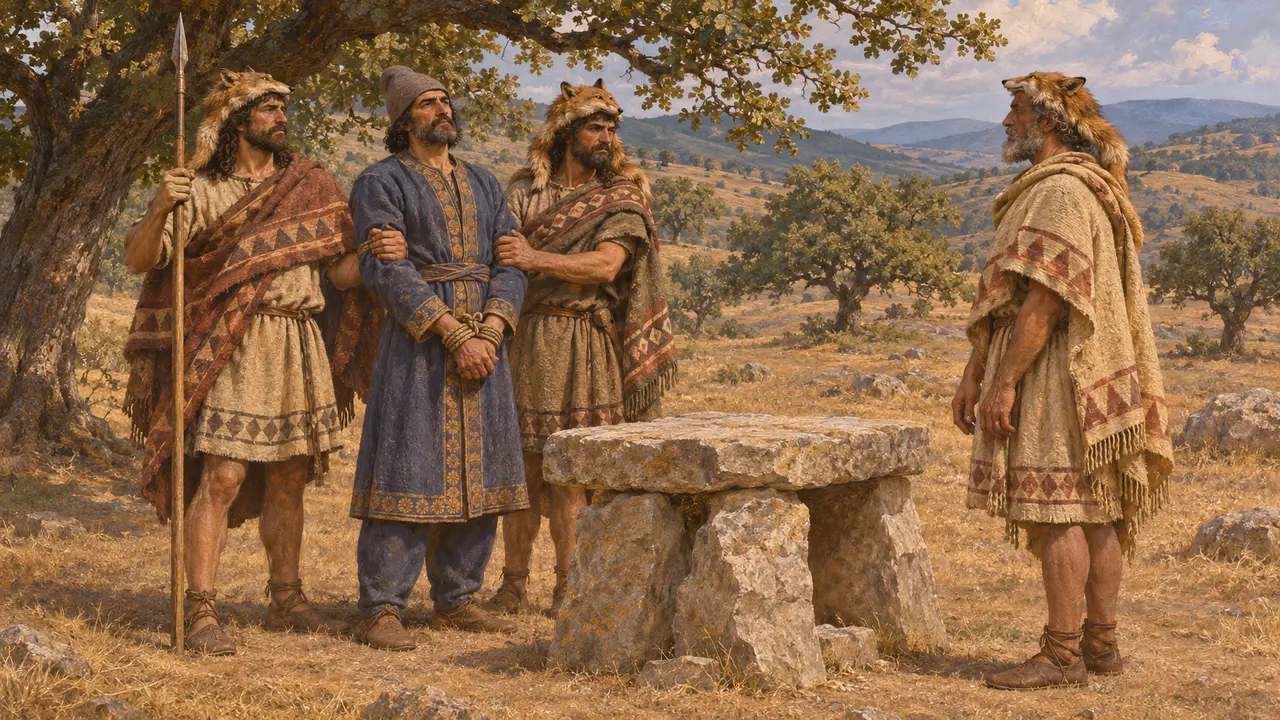
Flight and death in Thrace
Ancient accountWhen hunger worsened in the siege, Herodotus says that the Persians, Artayctes and Oeobazus among them, slipped out by night over the rear wall. Oeobazus reached Thrace, where the Apsinthians seized him and sacrificed him to their god Pleistorus in their own manner.
Herodotus 9.118-119
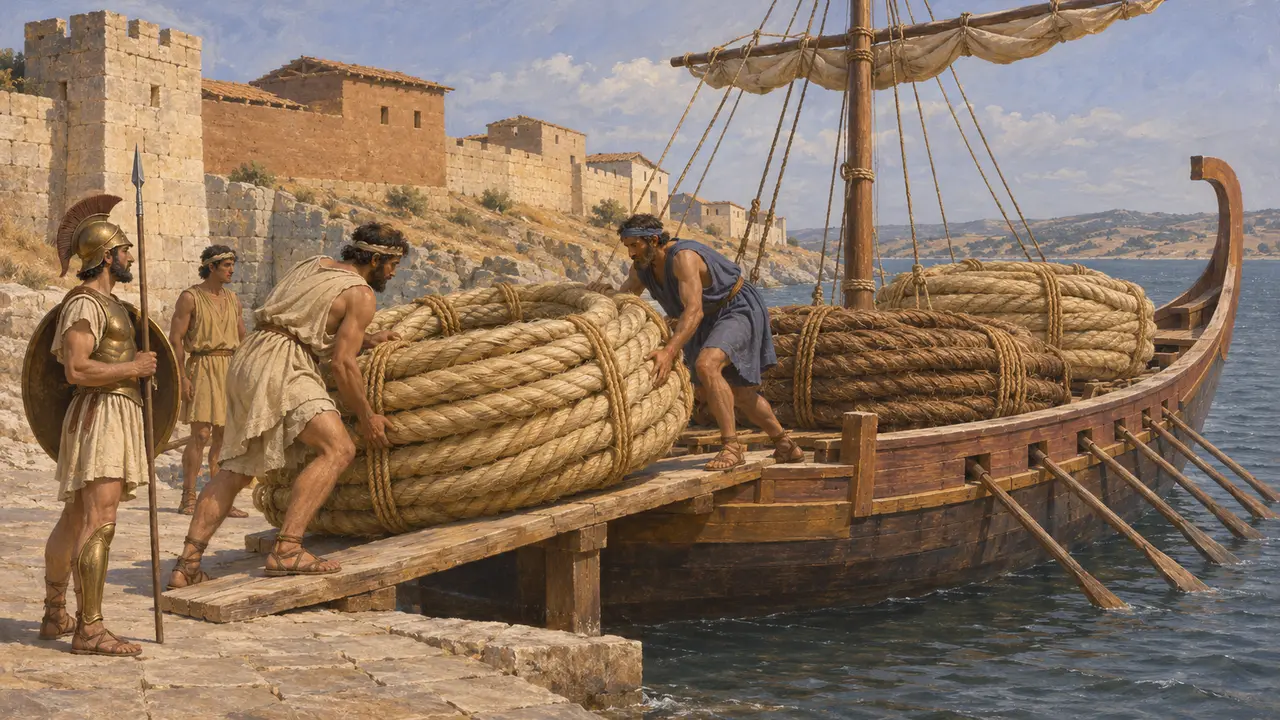
The cables as spoil
Ancient accountAfter the town fell, Herodotus says the Athenians took the cables home to dedicate them. Artayctes was caught and put to death. The cables thus became part of the Greek story of the war's end, while Oeobazus passes out of it.
Herodotus 9.120-121
One man or two
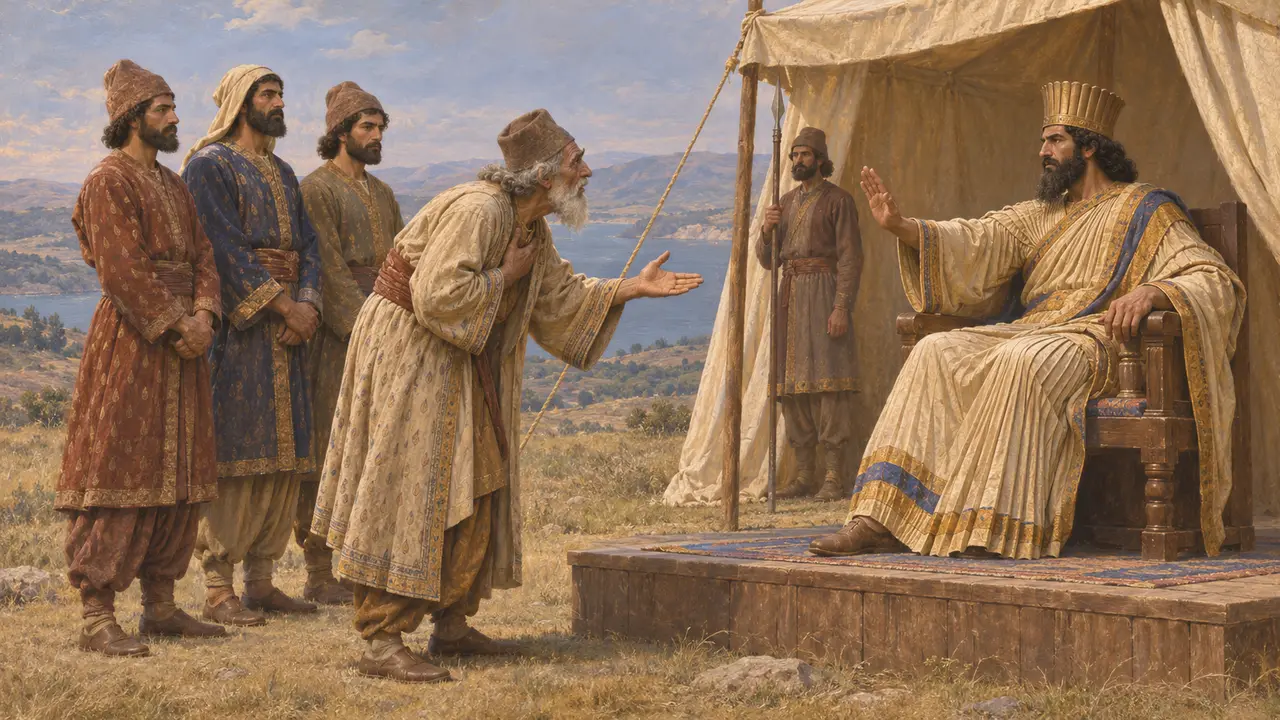
DisputedHerodotus also names an Oeobazus who asked Darius to leave one of his three sons at home during the Scythian campaign, and whom Darius answered by having all three sons killed. Herodotus does not say that this is the same man, and the name could belong to several people. Nothing in the surviving Persian record settles the question.
Herodotus 4.84
Sources
- Herodotus 9.115
- Herodotus 9.118-119
- Herodotus 9.120-121
- Herodotus 4.84
- P. Briant, From Cyrus to Alexander, 2002