Encyclopedia › Battles and events
Darius's tribute assessment
Darius I's division of the empire into tribute districts, about 518 BCE
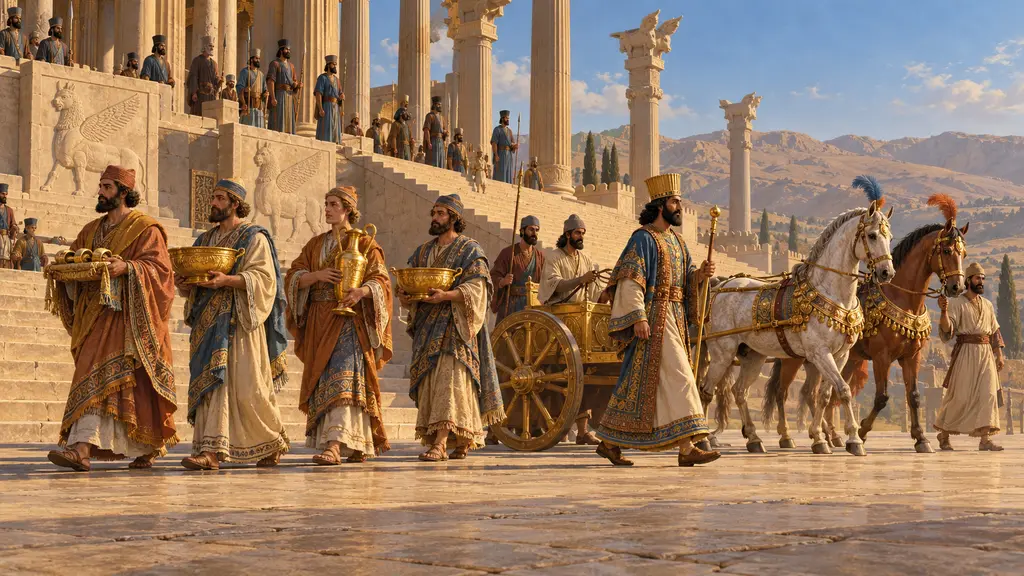
Early in his reign, Darius I set fixed yearly payments for the subject peoples, grouped into districts that Herodotus calls satrapies. Herodotus says this replaced the gifts given under Cyrus and Cambyses, and his list of districts and sums is the fullest ancient description of Persian tribute. The revenue helped pay for the court, the armies and the King's building works.
In the game: The game presents a decree of about 518 with fixed silver dues, Ionia's 400 talents halting at the revolt. Herodotus gives no date, some peoples paid in gold or in kind, and the halt is inferred, not recorded.
Twenty provinces in Herodotus
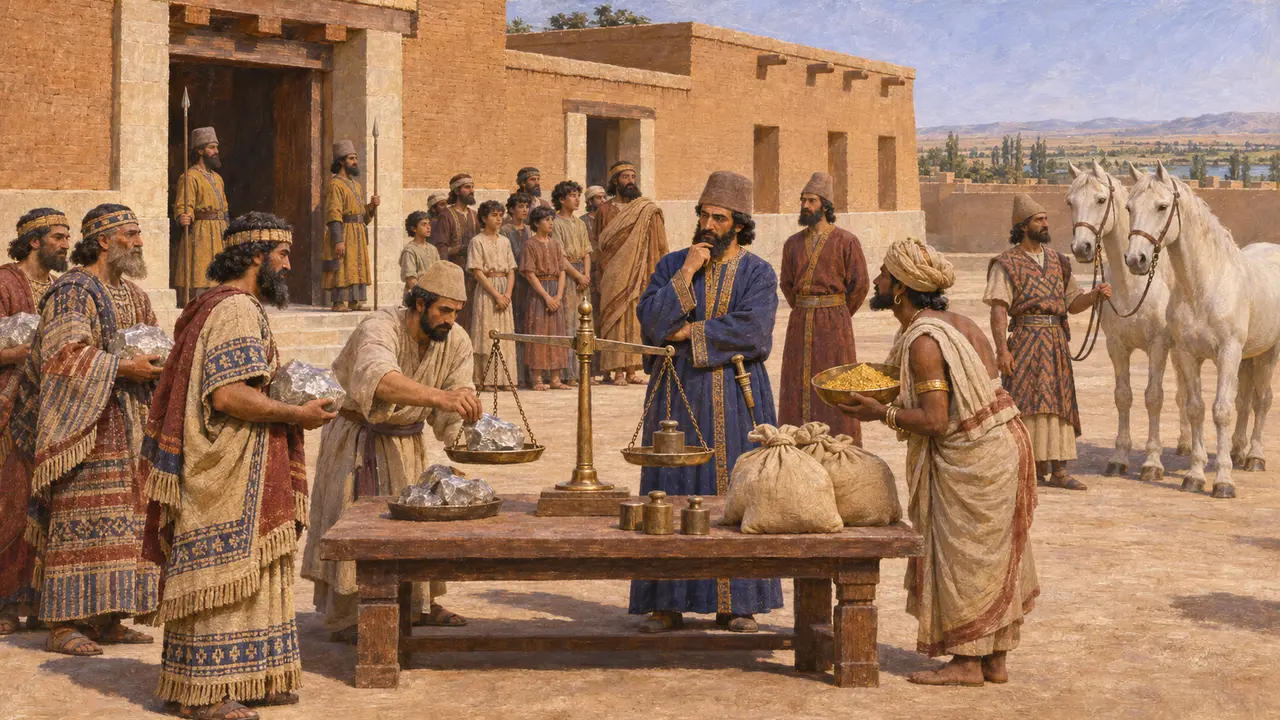
Ancient accountHerodotus says Darius created twenty provinces, each under a governor, and fixed what each owed, mostly in silver reckoned in Babylonian talents. The Indians paid 360 talents of gold dust, Babylonia 1,000 talents of silver and 500 boys to be made eunuchs, and Cilicia 500 talents with 360 white horses. He gives the grand total as 14,560 Euboic talents. Persis itself paid no tribute, and some peoples sent gifts instead.
Herodotus 3.89-97
Ionia's share and the measuring after the revolt
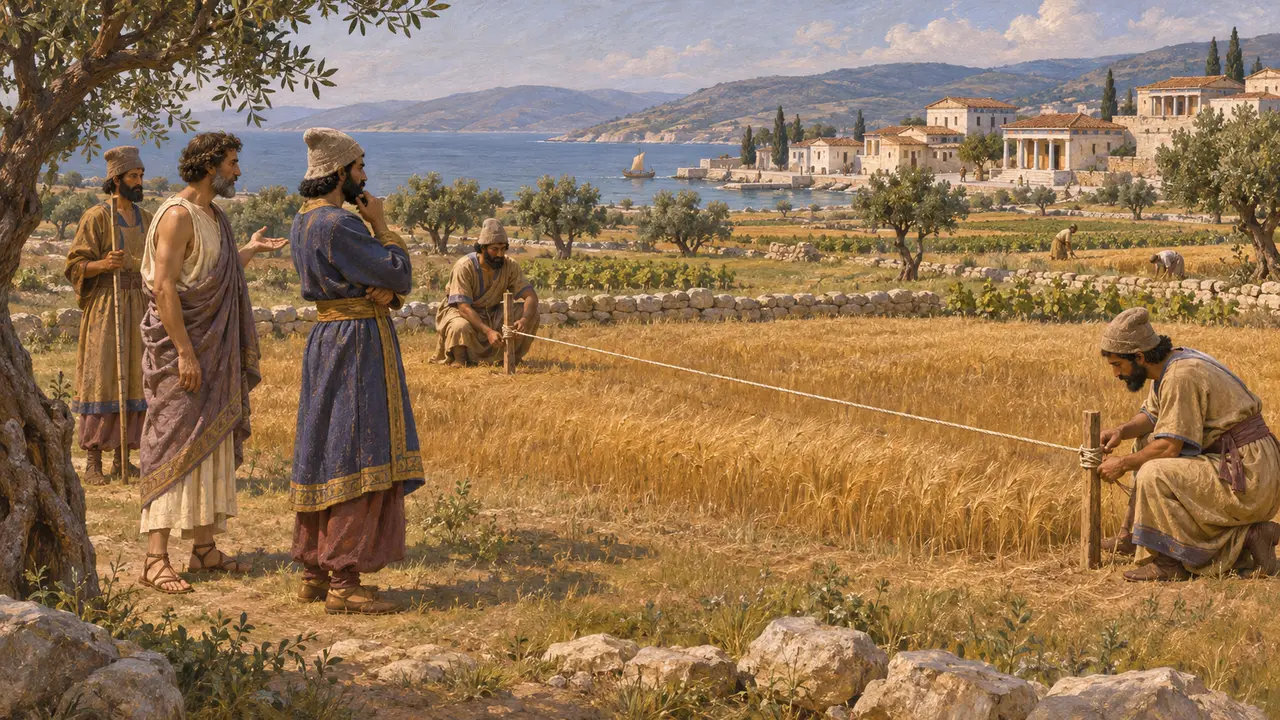
Ancient accountHerodotus puts the Ionians, Aeolians, Carians, Lycians and their neighbours in the first province, owing 400 talents of silver a year. After the Ionian Revolt was crushed, he says, Artaphernes measured the cities' lands in parasangs and assessed tribute on that basis. The new figures stayed close to the old ones. Herodotus does not say outright that payments stopped during the revolt, but rebel cities are unlikely to have paid.
Herodotus 3.90; Herodotus 6.42
What the Persian record shows
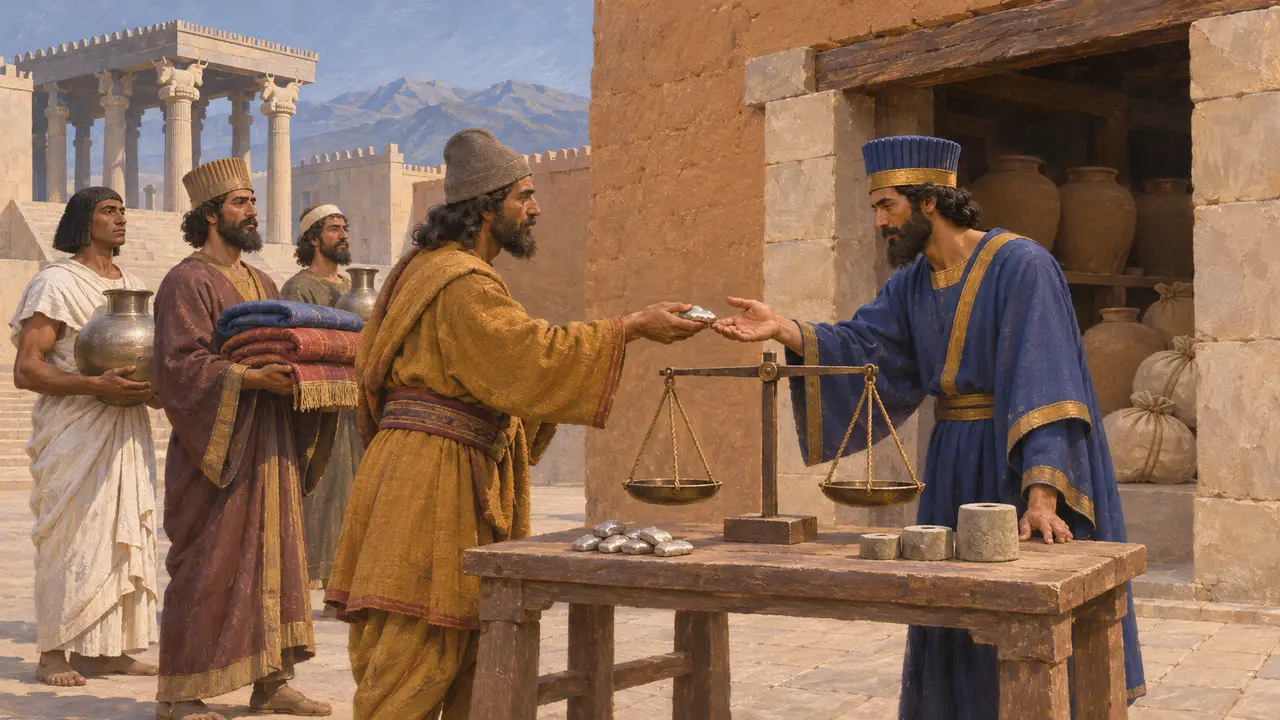
In the recordIn the Behistun inscription, Darius lists the lands that obeyed him and says they brought him tribute. His later inscriptions and the delegations carved on the Apadana at Persepolis show subject peoples bringing goods to the King, and the Persepolis tablets record goods in royal stores and silver weighed in karsha and shekels. None of these sources gives Herodotus's twenty districts or his sums.
DB §7; Persepolis Apadana reliefs; Persepolis Fortification and Treasury tablets
A real register or a Greek arrangement
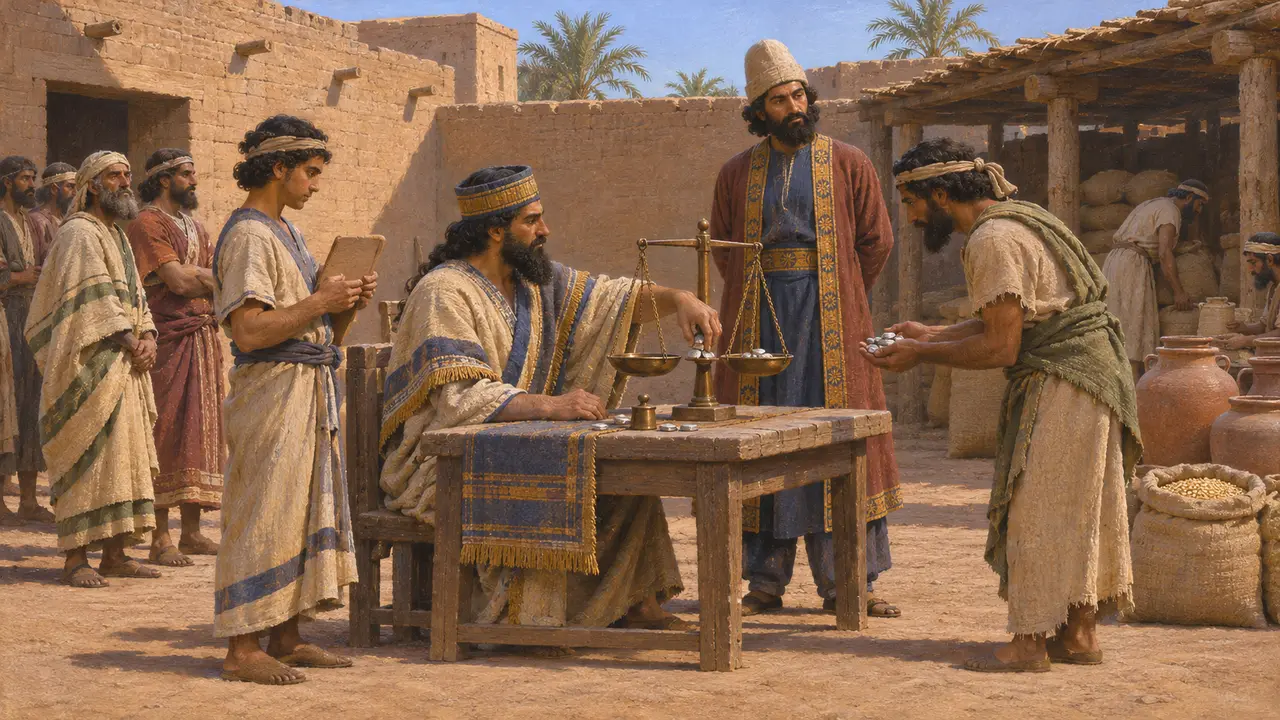
DisputedHistorians disagree whether Herodotus's list rests on a genuine Persian register or is a Greek reconstruction that fits neither the Persian lists of lands nor the satrapies as they worked. Babylonian documents show taxes collected under Cyrus and Cambyses, which tells against his earlier age of gifts. About 518 is only a modern date, and some scholars see the system as built up gradually rather than set by one decree.
P. Briant, From Cyrus to Alexander, 2002; A. Kuhrt, The Persian Empire, 2007
Darius the shopkeeper
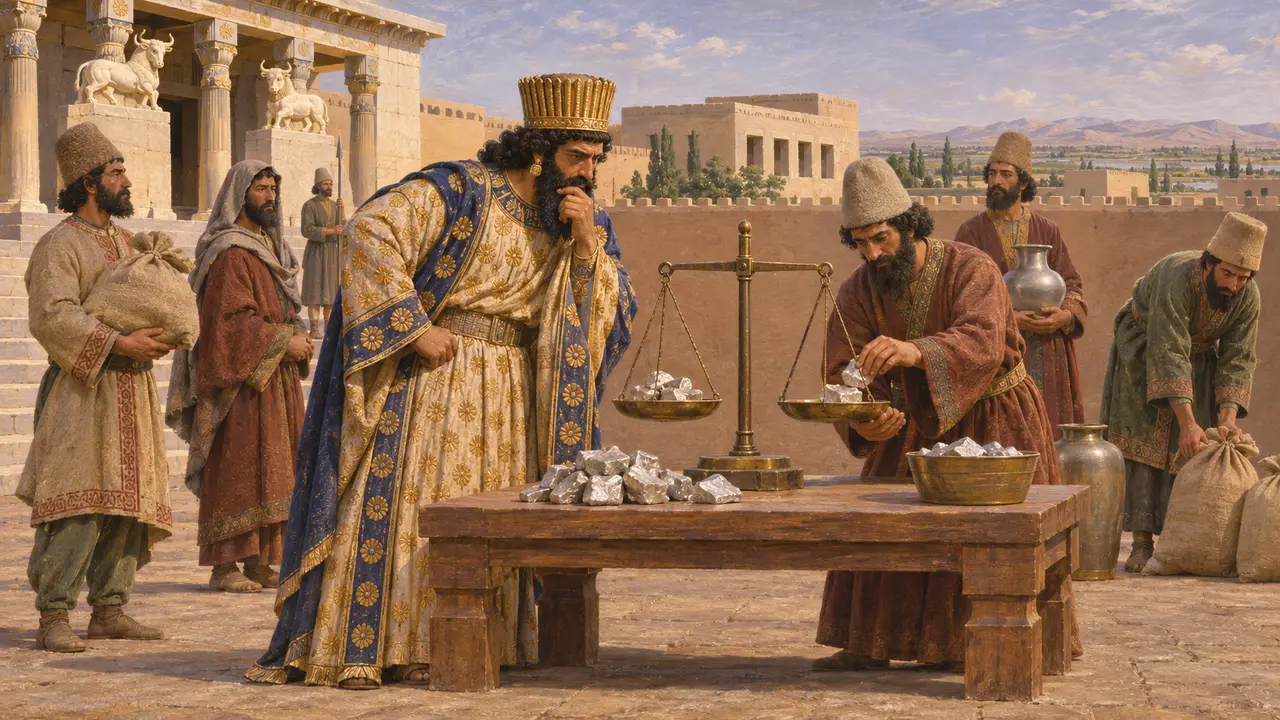
Later legendHerodotus reports a Persian saying that Cyrus was a father, Cambyses a master and Darius a shopkeeper. On this telling, Cyrus was kind, Cambyses harsh, and Darius made a profit out of everything. The saying is shaped as a moral comment on three kings and cannot be traced to any Persian source.
Herodotus 3.89
Sources
- Herodotus 3.89-97
- Herodotus 6.42
- DB §7
- P. Briant, From Cyrus to Alexander, 2002
- A. Kuhrt, The Persian Empire: A Corpus of Sources from the Achaemenid Period, 2007