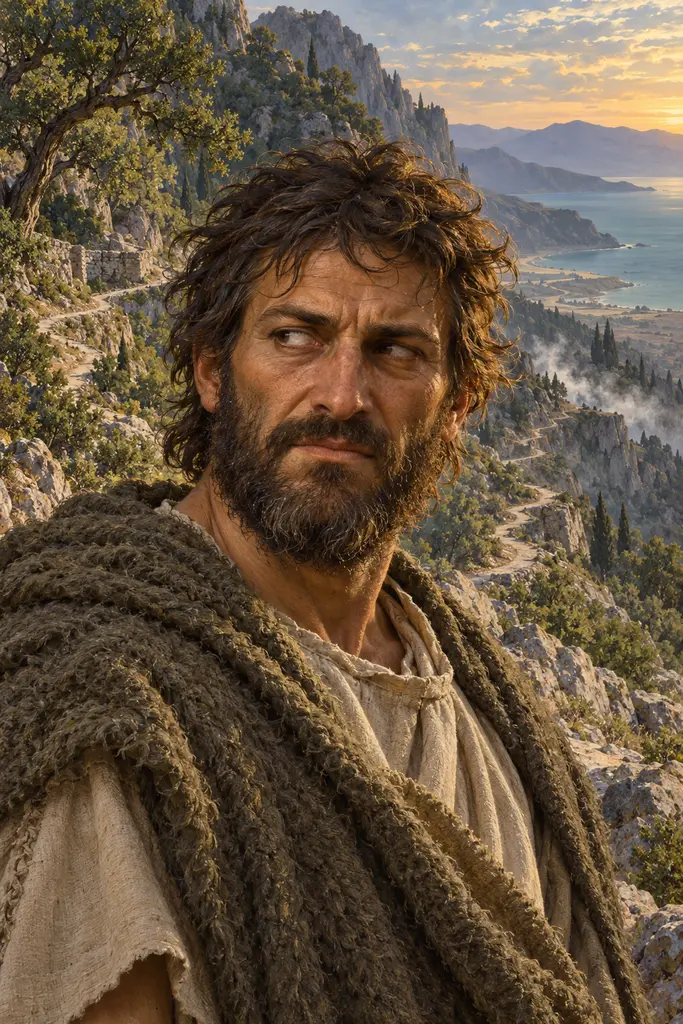
Ephialtes of Malis
Malian Greek who guided Xerxes' troops over the mountain path at Thermopylae, 480 BCE
In the game: Level 10: The Hot Gates
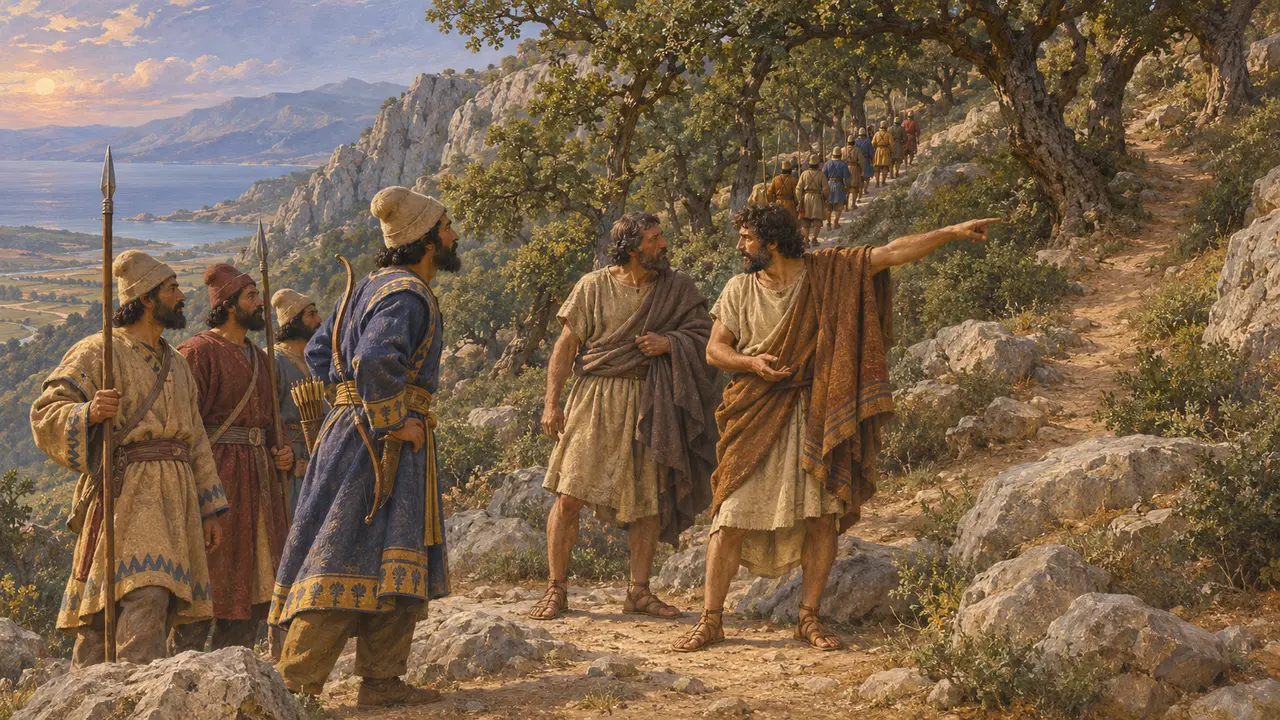
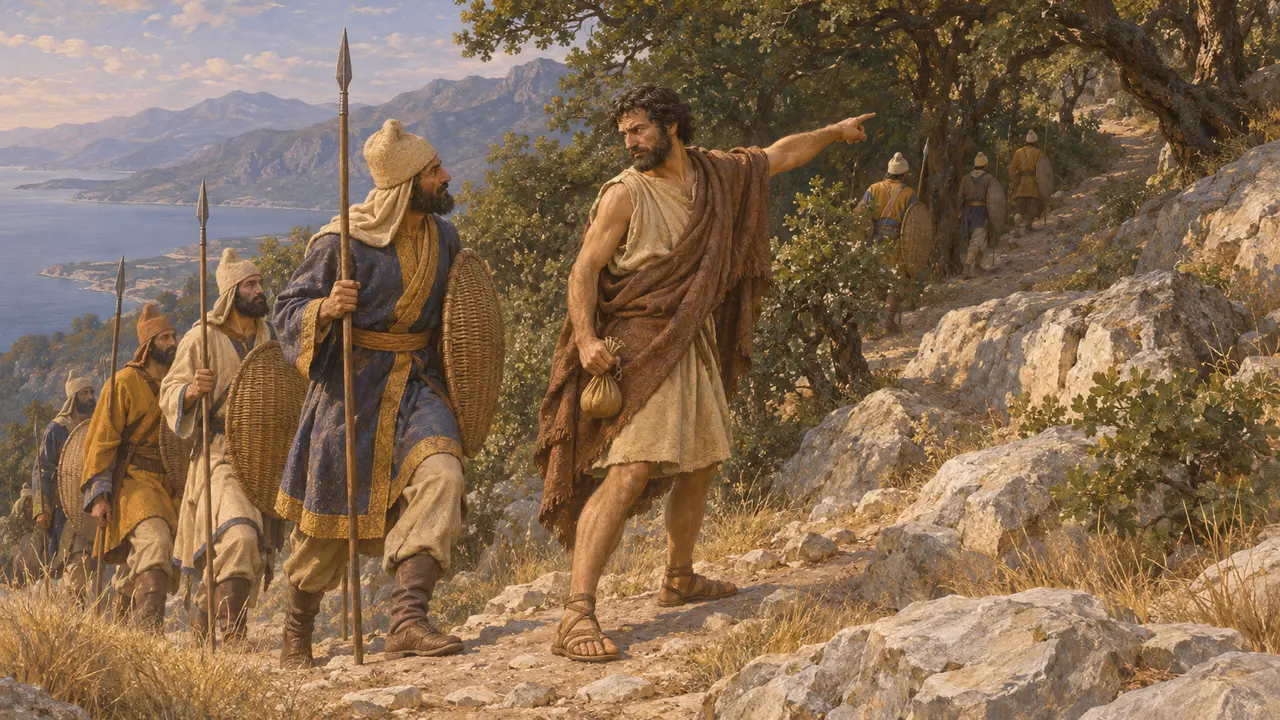
Ephialtes son of Eurydemus was a Greek from Malis, the district around Thermopylae. Herodotus says he came to Xerxes hoping for a large reward and told him of a path over the mountain that led behind the Greek position. Persian troops under Hydarnes used it, and Leonidas's force in the pass was surrounded. His name later became a Greek byword for betrayal.
In the game: The game's chronicle follows Herodotus's main version: the Malian who showed Xerxes' men the path for a reward, later with a price on his head. It leaves out the rival names Herodotus reports and rejects.
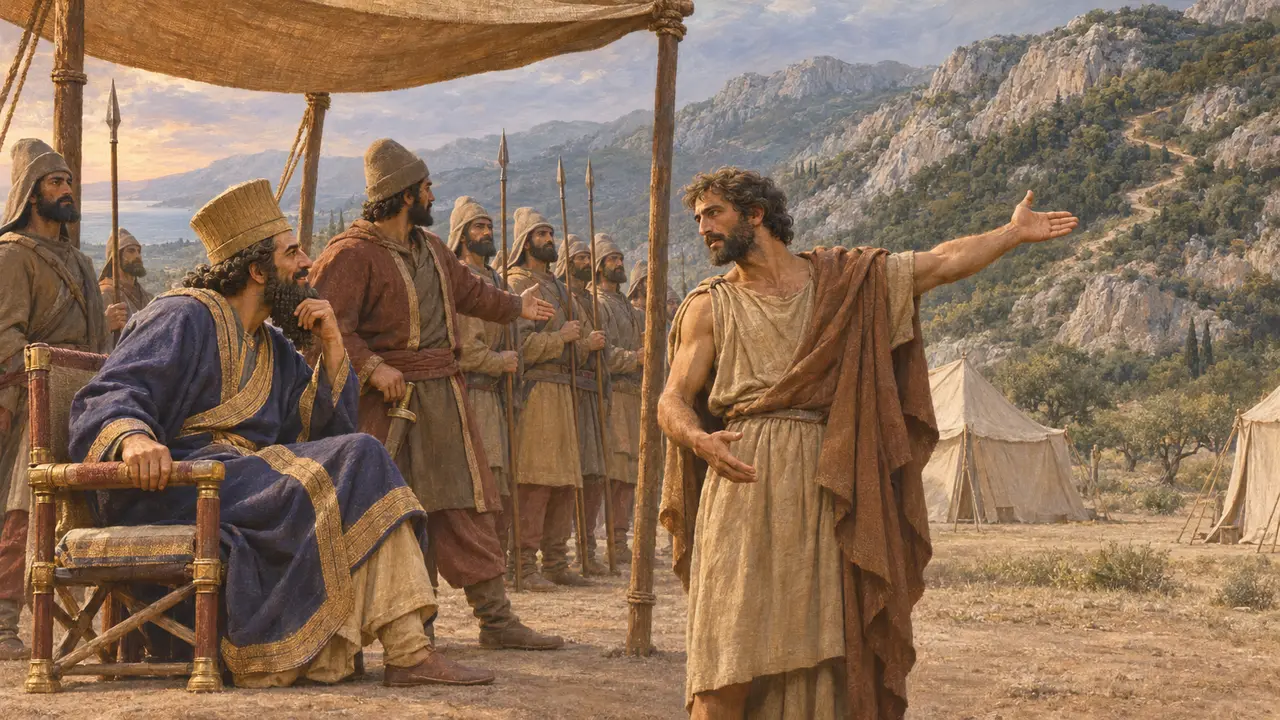
The offer to Xerxes
Ancient accountHerodotus says that while Xerxes was unsure how to break the Greek line, Ephialtes came to him expecting a great reward and told him of the path over the mountain. Xerxes was pleased and sent Hydarnes with the troops he commanded. Herodotus adds that the Malians had found the path long before and had used it to lead the Thessalians against the Phocians.
Herodotus 7.213, 7.215
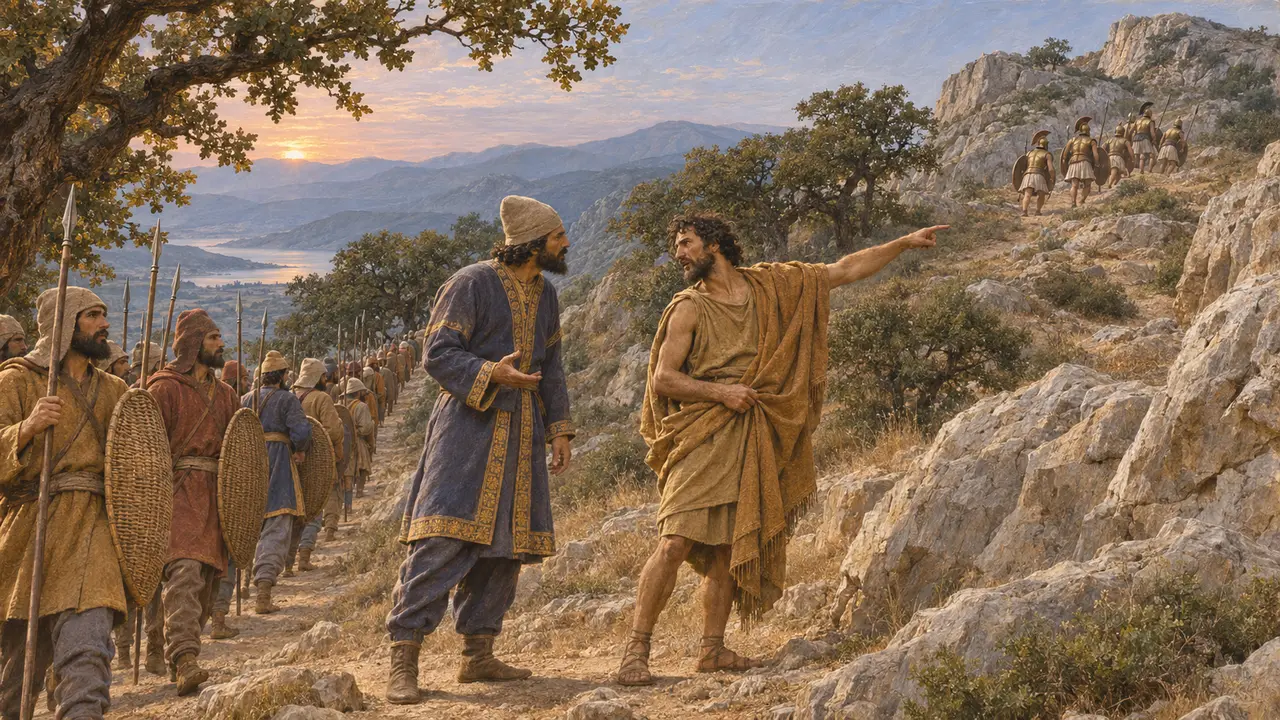
The night march over the mountain
Ancient accountAccording to Herodotus the Persians set out at the hour when lamps were lit, crossed the Asopus and climbed all night along the ridge called Anopaea. At dawn they came on a thousand Phocian hoplites guarding the path. Hydarnes feared they were Spartans and asked Ephialtes who they were. Told they were Phocians, he drove them up the peak, then ignored them and marched down behind the pass.
Herodotus 7.215-218
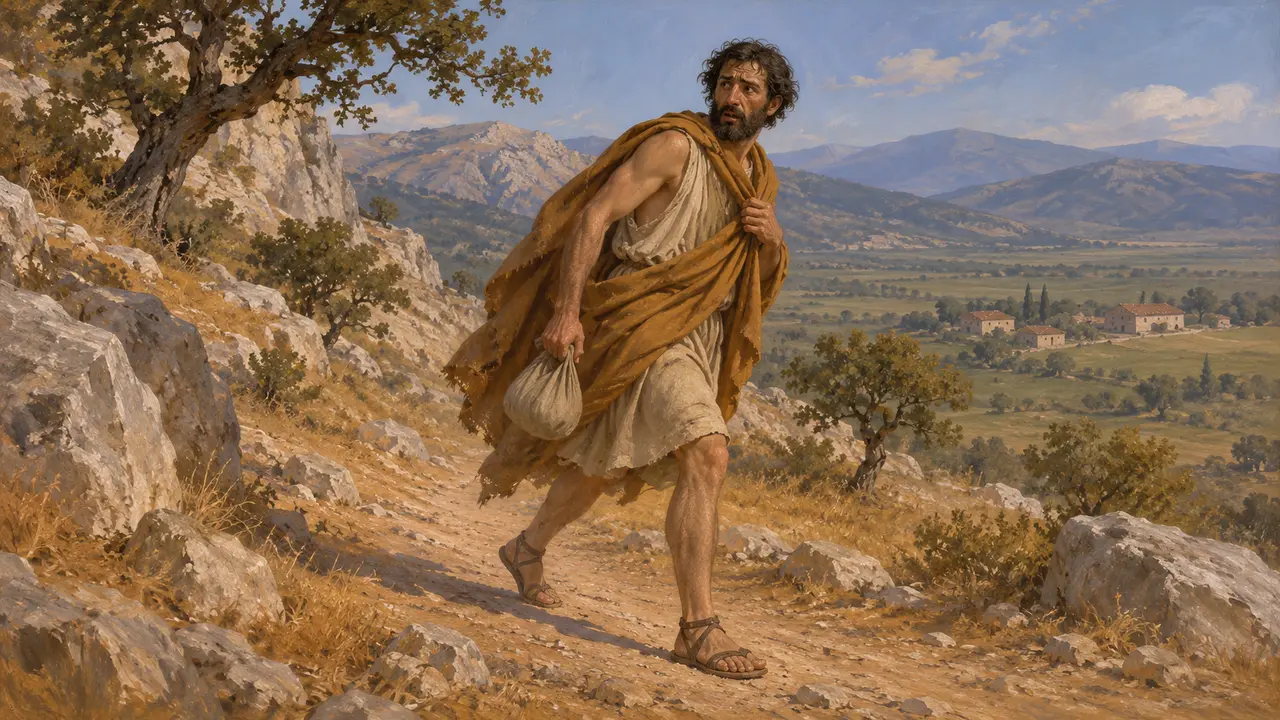
Flight, bounty and death
Ancient accountHerodotus says Ephialtes later fled to Thessaly for fear of the Spartans. The delegates of the Amphictyonic council, meeting at Pylae, as Thermopylae was also called, set a price on his head. Later he went to Anticyra and was killed there by Athenades of Trachis, who Herodotus says acted for another reason that he promised to explain but never did; the Spartans honoured Athenades all the same.
Herodotus 7.213
Who really showed the path
DisputedHerodotus knew a rival story naming Onetes of Carystus and Corydallus of Anticyra as the guides, and rejected it because the bounty was set on Ephialtes. Diodorus speaks only of a man of Trachis. Local people knew the path well, and Herodotus says the Greeks themselves learned of it from the Trachinians; many historians think the Persians could have found guides without any single traitor. No Persian source mentions him.
Herodotus 7.175, 7.214; Diodorus, Library 11.8; J. F. Lazenby, The Defence of Greece 490-479 BC, 1993
A name for a traitor
Later legendIn later Greek tradition Ephialtes became the type of the man who sells out his own side. By chance his name is also the Greek word for nightmare, an older meaning taken from a night demon and unconnected with him. Modern retellings, such as the film 300, turn him into a deformed Spartan outcast, which has no basis in the ancient sources.
P. Cartledge, Thermopylae, 2006
Sources
- Herodotus 7.213-218
- Herodotus 7.175
- Diodorus, Library 11.8
- J. F. Lazenby, The Defence of Greece 490-479 BC, 1993
- P. Cartledge, Thermopylae, 2006
- P. Green, The Greco-Persian Wars, 1996