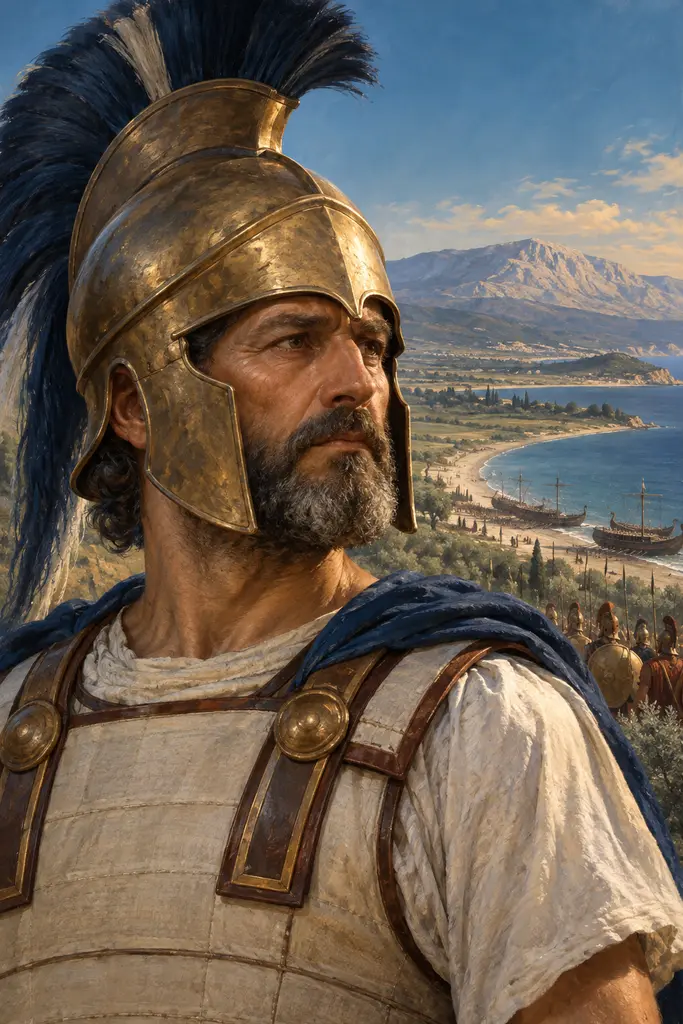
Callimachus
Athenian polemarch of Aphidna, killed at Marathon in 490 BCE
In the game: Level 8: The Bay of Marathon
Callimachus of Aphidna was the polemarch, the war archon of Athens, in the year of Marathon. Herodotus says that when the ten generals split over whether to fight the Persian landing force, his vote decided for battle. He led the Athenian right wing and died in the fighting at the Persian ships.
In the game: The game's chronicle follows Herodotus: deciding vote, right wing, death at the ships. It treats his role as settled, though historians still argue over whether he, not Miltiades, held overall command.
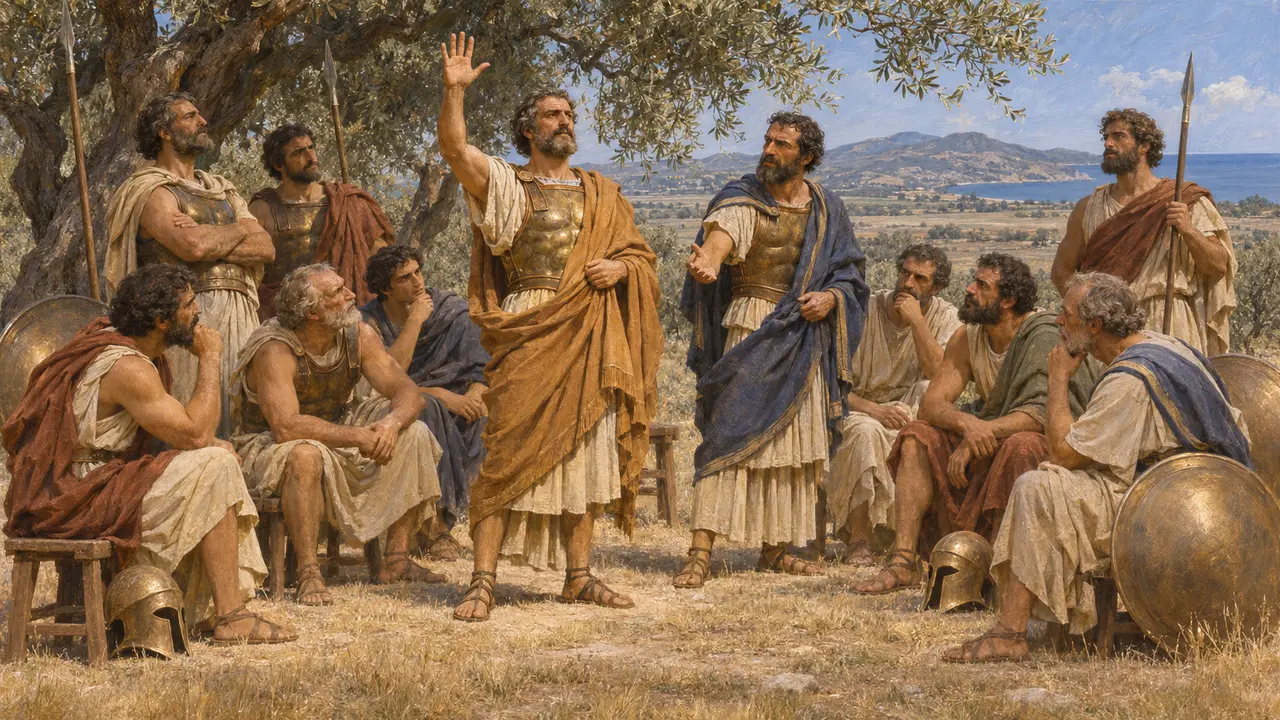
The eleventh vote
Ancient accountHerodotus says the ten Athenian generals at Marathon were evenly divided, some fearing to engage the larger Persian force under Datis and Artaphernes. Miltiades went to Callimachus, who as polemarch had a vote equal to the generals', and urged him to choose battle for the freedom of Athens. Callimachus voted to fight. Herodotus adds that he had been chosen by lot.
Herodotus 6.109-110
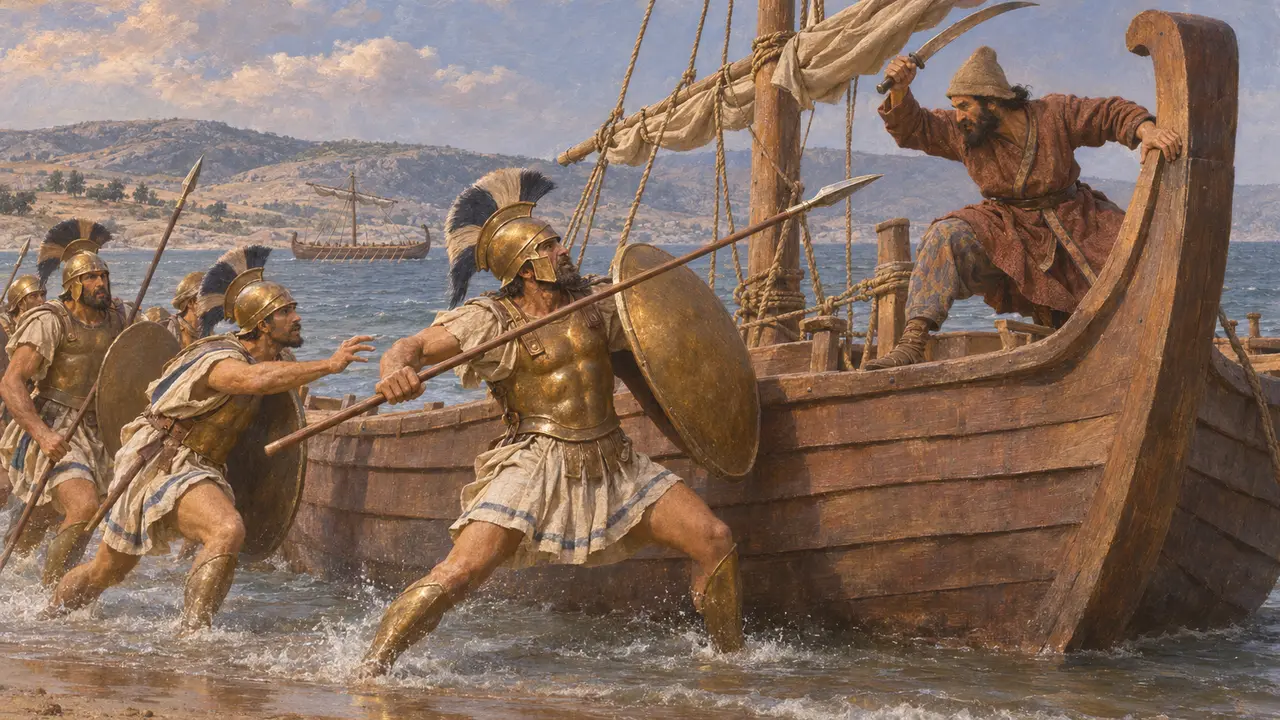
On the right wing and at the ships
Ancient accountHerodotus explains that Athenian custom gave the polemarch command of the right wing, so Callimachus stood there in the battle line. After the Athenians broke the Persian wings and then the centre, they pursued the fleeing troops to the shore and tried to seize the ships. Callimachus was killed there, fighting bravely, along with the general Stesilaus, while Cynegirus lost a hand grasping a ship's stern.
Herodotus 6.111-114
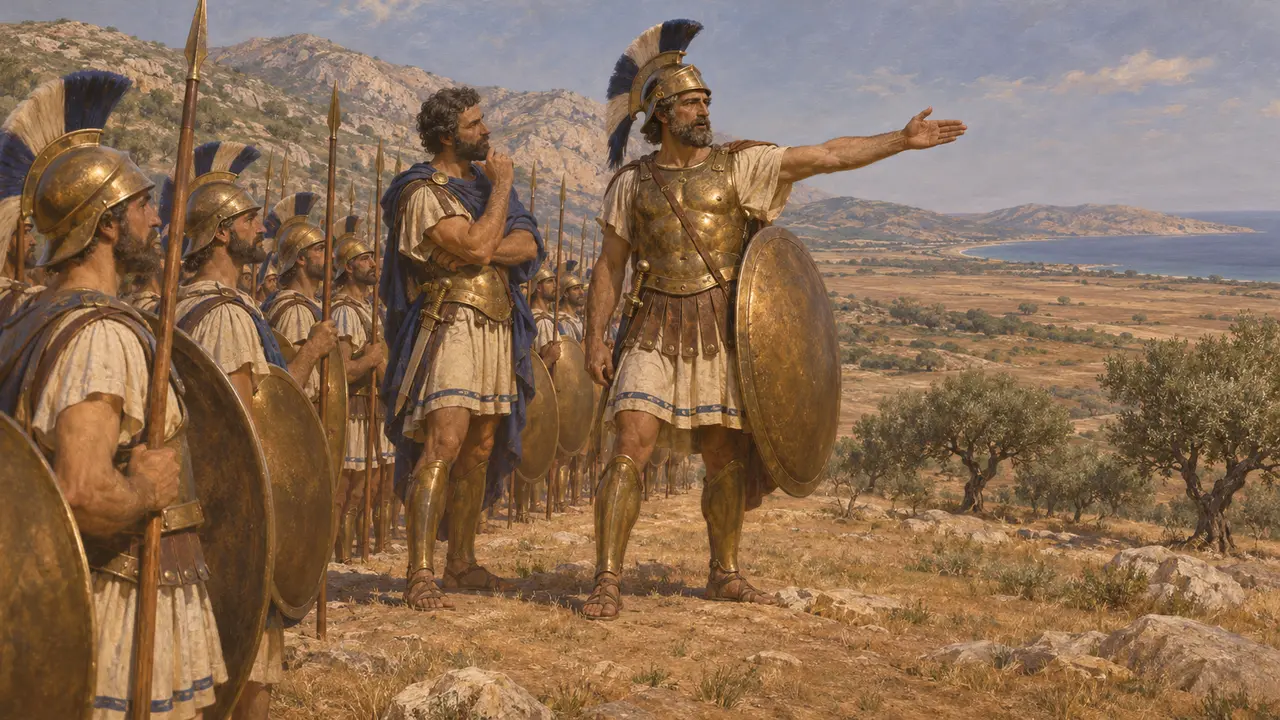
Who commanded at Marathon
DisputedHerodotus makes Miltiades the real leader and has Callimachus only cast a vote. The Aristotelian Constitution of the Athenians says the polemarch then led the whole army, and that archons were chosen by lot only from 487. Many historians therefore think Callimachus was elected, held formal command, and that Herodotus's story was shaped by later praise of Miltiades and his family.
Aristotle, Athenaion Politeia 22.2, 22.5
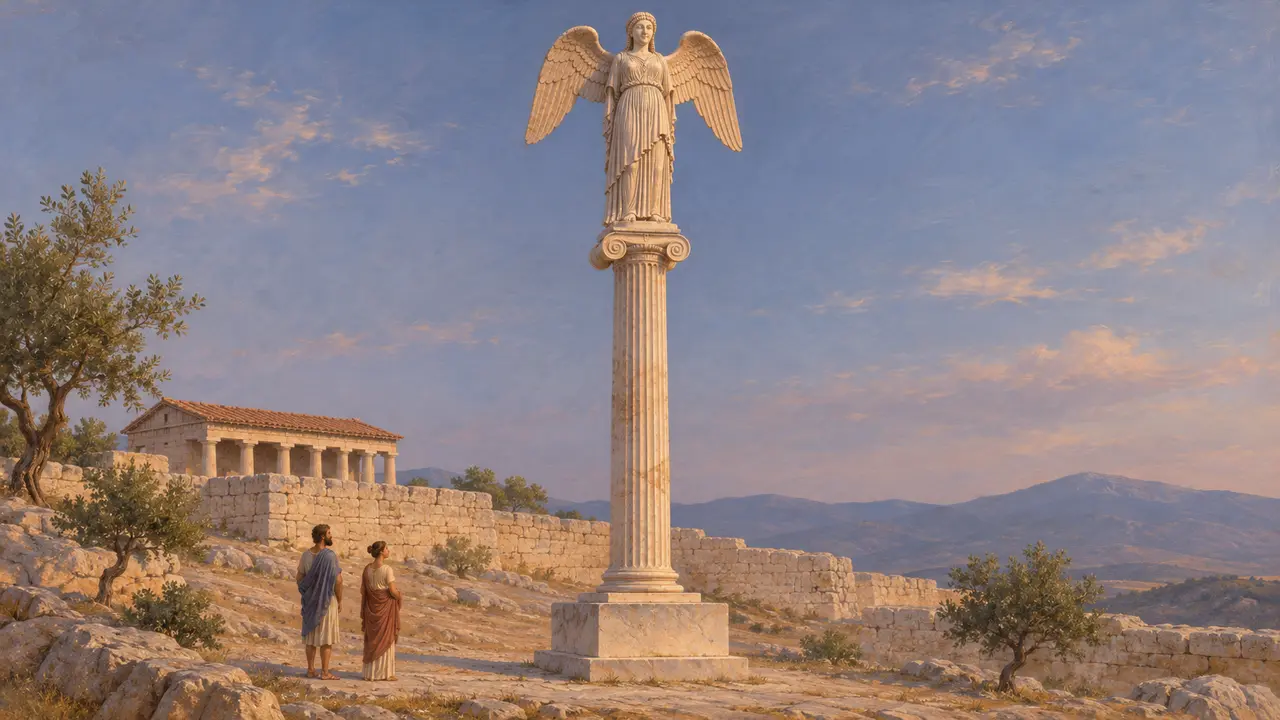
The column on the Acropolis
In the recordFragments survive of a tall marble column that carried a winged figure, dedicated on the Acropolis with an inscription naming Callimachus of Aphidna as polemarch. The text is broken and its restoration is argued over, but it probably recorded a vow fulfilled after Marathon and was set up after his death. The monument was smashed, probably when the Persians sacked the Acropolis in 480.
IG I³ 784
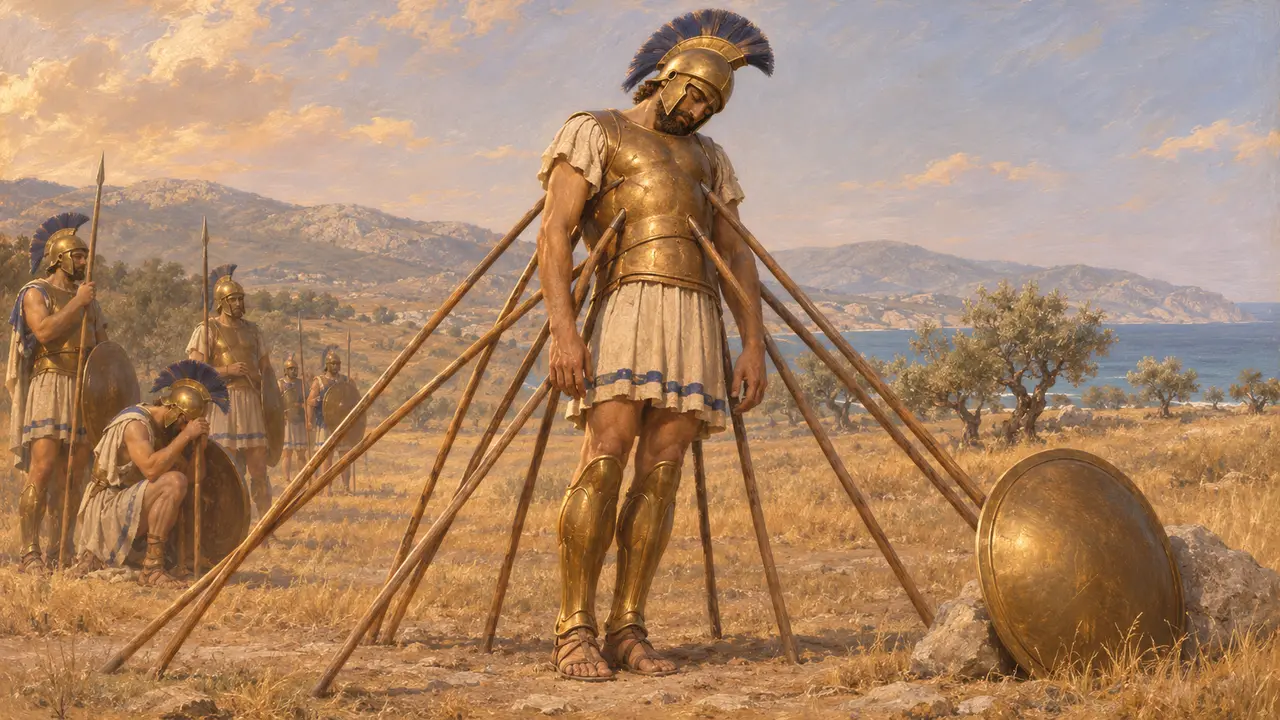
The dead man who would not fall
Later legendCallimachus was shown beside Miltiades in the Marathon painting of the Painted Stoa, made a few decades after the battle; Pausanias saw and described it centuries later. The orator Polemon of Laodicea and other writers of the Roman period went much further, telling that his body was pierced by so many spears that it stayed upright after death. That image belongs to later rhetoric, not to Herodotus.
Pausanias 1.15.3; Polemon of Laodicea, Declamations
Sources
- Herodotus 6.109-114
- Aristotle, Athenaion Politeia 22
- IG I³ 784
- Pausanias 1.15.3
- Polemon of Laodicea, Declamations
- P. Krentz, The Battle of Marathon, 2010